Seborrheic Dermatitis Guide: Evidence-Based Scalp Management
8 min read ·
A comprehensive Seborrheic Dermatitis Guide covering underlying biological causes, symptom identification, practical washing routines, and long-term scalp care.
Quick answer: This comprehensive Seborrheic Dermatitis Guide explains the chronic, inflammatory skin condition characterised by stubborn flaking, redness, and greasy scales on the scalp and face. Driven by an interaction between sebum production, Malassezia yeast, and individual barrier vulnerability, it affects roughly 3 to 5 percent of adults. While seborrheic dermatitis cannot be permanently cured, targeted antifungal washes, keratolytics, and gentle scalp hygiene can successfully suppress flare-ups and maintain long-term comfort.
Key takeaways
- Seborrheic dermatitis is a chronic inflammatory disorder linked to Malassezia yeasts feeding on natural scalp lipids, not poor hygiene.
- It primarily targets sebaceous-rich areas: the scalp, hairline, eyebrows, sides of the nose, and upper chest.
- Flakes are typically yellowish and greasy, which distinguishes the condition from basic dry scalp.
- The condition does not destroy hair follicles directly, but chronic scratching and severe inflammation can trigger temporary telogen effluvium or mechanical hair breakage.
- Management relies on rotating medicated washes (antifungals and keratolytics) with gentle barrier support rather than applying heavy plant oils.
Seborrheic Dermatitis Guide: what the evidence shows
Seborrheic dermatitis is a recurrent inflammatory dermatosis that manifests in areas of high sebaceous gland density. According to dermatological consensus published in the British Journal of Dermatology, the condition stems from an interplay of three primary factors: cutaneous sebum secretion, the metabolic activity of commensal Malassezia yeasts (specifically M. Globosa and M. Restricta), and individual susceptibility in skin barrier function and immune response.
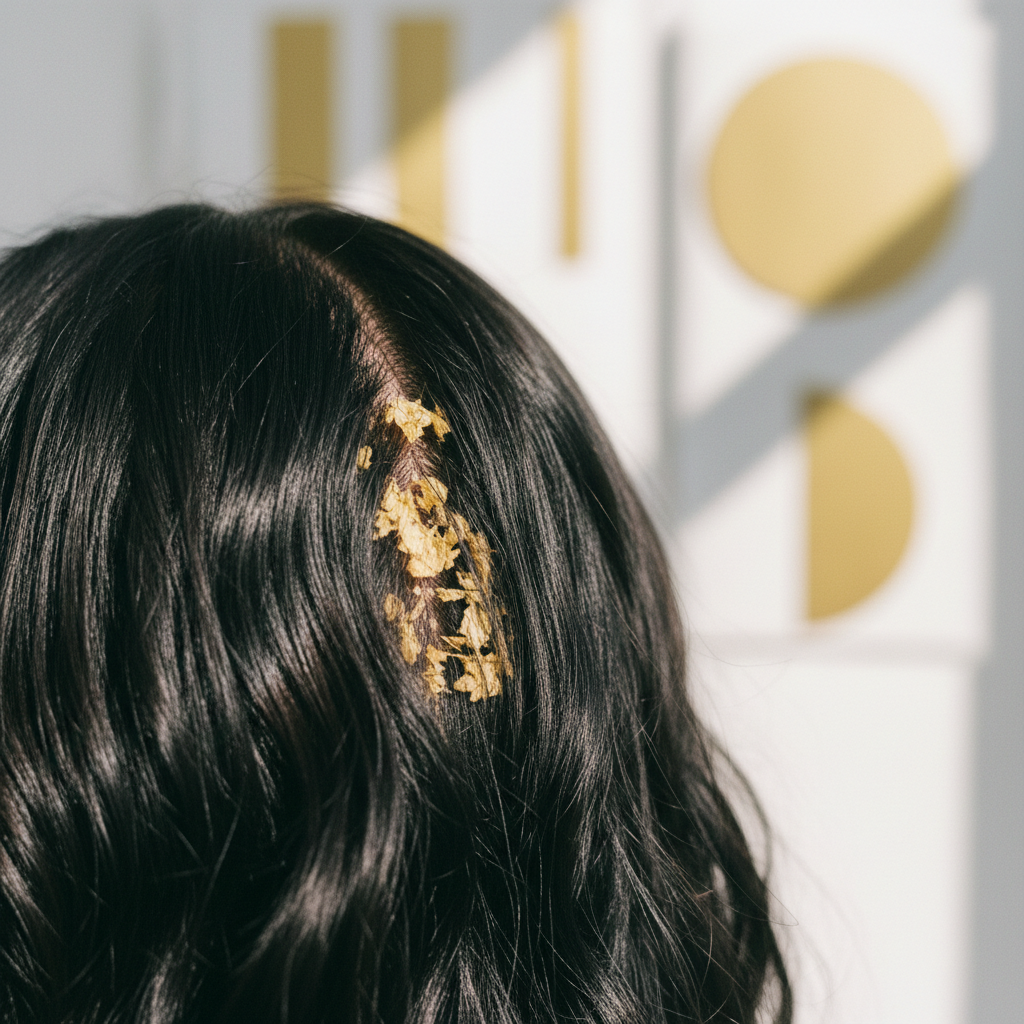
Normal scalp sebum has an acidic pH typically between 4.5 and 5.5, designed to lubricate the skin and inhibit pathogens. However, Malassezia yeasts rely on external lipids to survive because they lack their own fatty acid synthase. These yeasts secrete lipase enzymes that consume specific triglycerides in your sebum, releasing irritating free fatty acids, particularly oleic acid. In susceptible individuals, these free fatty acids penetrate the stratum corneum, triggering inflammation, rapid epidermal turnover, and irregular shedding of keratinocytes. Instead of microscopic desquamation, skin cells clump together with sebum, forming visible, greasy crusts.
Clinical trials demonstrate that reducing Malassezia colony counts correlates directly with clinical improvement. Medicated agents such as ketoconazole (1 to 2 percent), zinc pyrithione (1 percent), and ciclopirox olamine significantly decrease erythema and scaling over 2 to 4 weeks of consistent use.
What the evidence does not show
Research does not support several persistent myths surrounding seborrheic dermatitis.
First, seborrheic dermatitis is not caused by poor personal hygiene or infrequent washing. While regular cleansing helps clear sebum build-up, over-washing with aggressive alkaline soaps can disrupt the acid mantle, exacerbate barrier disruption, and aggravate inflammation.
Second, seborrheic dermatitis is not an allergic reaction to hair products, nor is it contagious. You cannot catch it from salon tools, shared towels, or hats.
Third, clinical studies do not show that common botanical oils like coconut oil, olive oil, or argan oil cure the condition. In fact, many plant oils contain oleic and palmitic fatty acids that actively nourish Malassezia species, inadvertently intensifying the flare-up.
Finally, seborrheic dermatitis does not permanently destroy hair follicles. While severe, untreated inflammation and vigorous scratching can cause temporary hair shedding (telogen effluvium) or hair breakage along the shaft, it does not cause scarring alopecia.
Clinical signs and differential diagnosis
Seborrheic dermatitis presents with distinct characteristics, but it is frequently confused with other common scalp conditions. Identifying the exact presentation ensures you use the correct management protocol.
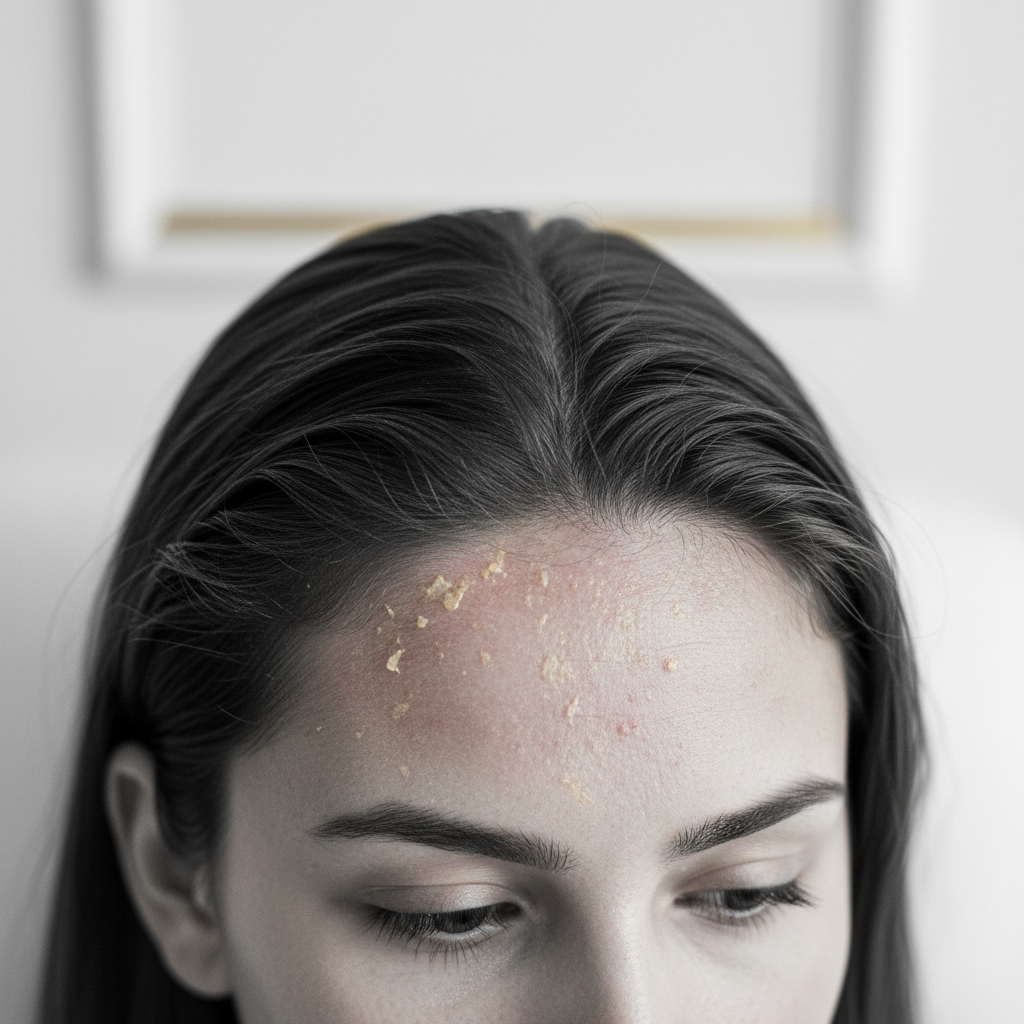
Typical symptoms include:
- Greasy, yellowish, or white scales clinging to the scalp and hair shafts.
- Pink to red patches (erythema) on light skin, or hypopigmented to violaceous patches on darker skin tones.
- Persistent itching, burning, or scalp tenderness.
- Flaking extending into the eyebrows, nasolabial folds, retroauricular creases (behind the ears), and mid-chest.
| Condition | Scale Appearance | Primary Scalp Sensation | Typical Distribution |
|---|---|---|---|
| Seborrheic Dermatitis | Greasy, yellowish, thick crusts | Moderate to severe itching, burning | Scalp, hairline, eyebrows, sides of nose |
| Dry Scalp (Pityriasis Simplex) | Fine, white, powdery flakes | Tightness, mild dryness, low itch | Diffuse scalp, dry environment triggers |
| Scalp Psoriasis | Thick, silvery-white, well-demarcated plaques | Soreness, itching, tightness | Extends beyond hairline, elbows, knees |
| Contact Dermatitis | Variable scaling, intense redness, vesicles | Stinging, burning, acute itch | Localised to areas touching allergen or irritant |
Effective management and evidence-based routines
Managing seborrheic dermatitis requires a two-phase strategy: an initial clearance phase to calm active flares, followed by a maintenance phase to prevent relapses.
1. Active flare clearance
During an acute flare, use an active medicated shampoo two to three times per week. Apply the product directly to the damp scalp and leave it on for 3 to 5 minutes before rinsing thoroughly. This contact time is critical; rinsing immediately prevents active ingredients from penetrating the stratum corneum.
Effective active ingredients include:
- Ketoconazole (1% to 2%): A broad-spectrum imidazole antifungal that inhibits fungal ergosterol synthesis.
- Selenium Sulfide (1% to 2.5%): Reduces cell turnover and controls yeast populations.
- Zinc Pyrithione (1%): Delivers antifungal and antibacterial activity by disrupting fungal membrane transport.
- Salicylic Acid (2% to 3%): A keratolytic agent that loosens and dissolves thick, adherent crusts.
- Coal Tar: Slows cellular proliferation and calms inflammation, though it can discolour light or bleached hair.
Rotate between two different active classes (such as ketoconazole and a zinc or selenium formulation) if one begins to lose efficacy over prolonged periods.
2. Maintenance and daily hair care
Once visible flaking and redness subside, step down medicated washes to once weekly or fortnightly. On non-medicated days, cleanse with a mild, pH-balanced (pH 5.0 to 5.5), sulphate-free shampoo to remove surface sebum without stripping the protective lipid barrier. Avoid heavy pomades, waxy styling pastes, and pure vegetable oils directly on the scalp.
3. Supporting the scalp with cosmetic care
For everyday hair maintenance between medicated treatments, gentle formulations that promote scalp cleanliness without drying the hair shaft are ideal. Watermans GrowMe shampoo offers a revitalising wash designed to cleanse the scalp environment thoroughly while fortifying hair strands with biotin, rosemary, and niacinamide. When using active therapeutic treatments that tend to leave hair feeling dry, applying a lightweight, conditioning treatment like Watermans ConditionMe to the mid-lengths and ends keeps the hair fibre soft, supple, and resilient against mechanical breakage.
When to seek professional advice
Consult a GP, dermatologist, or qualified trichologist if:
- Over-the-counter medicated shampoos show no improvement after 3 to 4 weeks of consistent use.
- The scalp becomes severely inflamed, weeps fluid, cracks, or shows signs of secondary bacterial infection (such as golden crusting or intense pain).
- Lesions spread extensively beyond the face and scalp.
- You experience marked, sudden hair shedding alongside the scalp irritation.
Prescription-strength options may include short courses of topical corticosteroids to arrest severe inflammation, topical calcineurin inhibitors (such as tacrolimus or pimecrolimus) for facial regions, or oral antifungals for widespread, stubborn cases.
Frequently asked questions about Seborrheic Dermatitis Guide
Can seborrheic dermatitis cause permanent hair loss?
No. Seborrheic dermatitis does not destroy hair follicles or cause scarring alopecia. However, severe inflammation, combined with repeated scratching, can damage the hair follicle environment and trigger temporary hair shedding (telogen effluvium) or mechanical hair breakage along the strand. Once inflammation is controlled, hair normalises over several months.
How often should you wash your hair with seborrheic dermatitis?
Most dermatologists recommend washing your hair two to four times weekly, or daily if your scalp naturally produces high levels of sebum. Regular cleansing removes excess lipids that feed Malassezia yeasts. Use medicated formulations two to three times weekly during flare-ups, and switch to gentle, pH-balanced shampoos for alternating washes.
Why is this Seborrheic Dermatitis Guide advising against natural oils?
While natural oils like coconut or olive oil feel moisturising, they consist of fatty acids that Malassezia yeast consumes for growth. Applying pure lipid oils directly to an inflamed, flaky scalp often intensifies the fungal bloom and worsens flaking. Stick to light, non-comedogenic scalp serums or rinse-off conditioners applied strictly to mid-lengths and ends.
Can diet changes cure seborrheic dermatitis?
Dietary adjustments cannot cure seborrheic dermatitis because it is driven primarily by individual sebum composition and fungal microbiomes. However, high-glycaemic diets and refined sugars can elevate systemic inflammation and increase androgen-driven sebum production. A balanced diet rich in zinc, omega-3 fatty acids, and B vitamins supports general skin barrier integrity.
Is seborrheic dermatitis worse in winter?
Yes, many people experience worse flare-ups during cold, dry weather. Low ambient humidity and artificial indoor heating dry out the skin barrier, prompting a compensatory overproduction of surface sebum while weakening the skin's defense against Malassezia metabolites.
Managing your scalp long term
Navigating chronic scalp disorders requires patience, consistent hygiene habits, and an understanding of your body's unique biology. As outlined throughout this Seborrheic Dermatitis Guide, flare-ups are not a reflection of cleanliness or lifestyle failure, but a manageable microbial imbalance. By employing proven antifungal actives during flare phases, maintaining a stable pH with gentle maintenance cleansers, and protecting the hair fibre from breakage, you can keep your scalp clear, calm, and comfortable year-round.
Sources and references
- British Association of Dermatologists (BAD). "Seborrhoeic Dermatitis Patient Information Leaflet", 2020.
- National Institute for Health and Care Excellence (NICE). "Seborrhoeic Dermatitis: Clinical Knowledge Summaries", 2022.
- Dawson, T. L. "Malassezia globosa and restricta: Breakthrough Understanding of the Etiology and Treatment of Dandruff and Seborrheic Dermatitis through Whole-Genome Analysis." Journal of Investigative Dermatology Symposium Proceedings, 2007.
- Borda, L. J., & Wikramanayake, T. C. "Seborrheic Dermatitis and Dandruff: A Comprehensive Review." Journal of Clinical and Investigative Dermatology, 2015.
- Gupta, A. K., et al. "Management of Seborrheic Dermatitis: An Updated Review." American Journal of Clinical Dermatology, 2021.
Find these ingredients in Watermans products
- Zinc: you will find this ingredient in our Hair Vitamins.
- Oleic Acid: you will find this ingredient in our Camellia & Black Castor Hair & Body Oil.
- Niacinamide: you will find this ingredient in our Hair Mask.