Seborrheic Dermatitis Fundamentals: Causes, Scalp Biology, and Management
9 min read ·
Master seborrheic dermatitis fundamentals: understand yeast triggers, sebum chemistry, and proven routines to control stubborn scalp flaking and redness.
Quick answer: Master seborrheic dermatitis fundamentals by understanding that this chronic inflammatory condition involves sebum overproduction, Malassezia yeast overgrowth, and an individual cutaneous immune response. It leads to greasy, yellowish scales, erythema, and itching across sebaceous zones like the scalp and face. While seborrheic dermatitis fundamentals highlight that the condition cannot be cured permanently, regular management with antifungal cleansers, keratolytic agents, and barrier-supporting care keeps symptoms in clinical remission.
Key takeaways
- Seborrheic dermatitis is a chronic, relapsing inflammatory skin disorder driven by Malassezia yeasts interacting with natural sebum lipids.
- The condition targets areas rich in sebaceous glands, predominantly the scalp, eyebrows, nasolabial folds, ears, and upper chest.
- It is distinct from dry scalp: seborrheic flakes are typically greasy, thick, and yellowish, accompanied by underlying inflammation and erythema.
- Seborrheic dermatitis causes temporary hair shedding (telogen effluvium) due to scalp inflammation and scratching, but it does not cause permanent follicular scarring or miniaturisation on its own.
- Long-term control relies on rotational anti-fungal washing, gentle exfoliation of excess scale, and avoiding heavy, occlusive oils that feed fungal growth.
Seborrheic Dermatitis Fundamentals: what the evidence shows
Understanding Seborrheic Dermatitis Fundamentals requires looking at the biology of the scalp microbiome and epidermal barrier. Research published in dermatology journals demonstrates that this condition is not an allergy or poor hygiene, but an inflammatory reaction to common microflora.
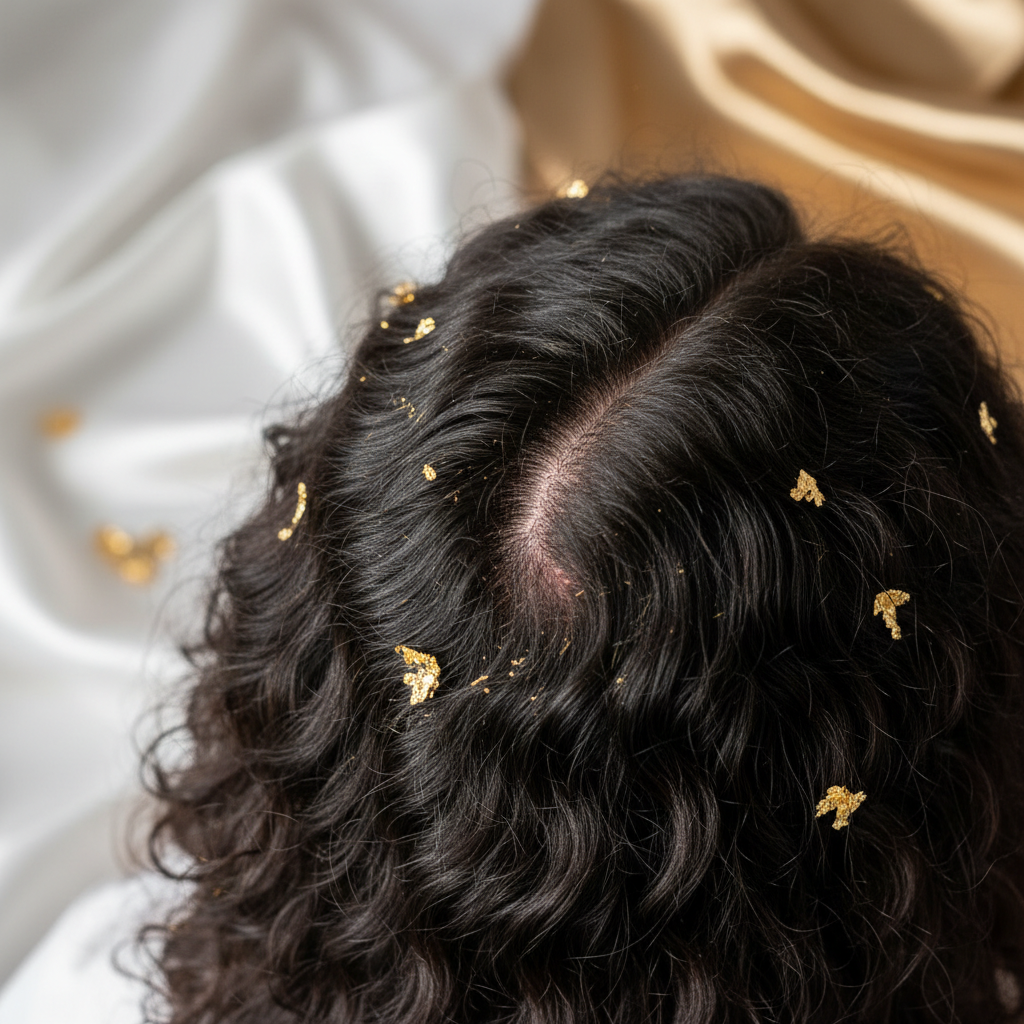
The human scalp maintains a resident population of lipophilic (fat-loving) yeasts known as Malassezia, primarily Malassezia restricta and Malassezia globosa. These yeasts consume triglycerides present in your natural sebum. They produce lipase enzymes to break down these lipids, consuming specific saturated fatty acids and leaving behind unsaturated free fatty acids, such as oleic acid.
In susceptible individuals, these leftover free fatty acids penetrate the stratum corneum (the outermost layer of the skin). This breaches the barrier function, triggering an inflammatory cascade. The skin responds by accelerating cellular turnover. Instead of epidermal cells maturing and shedding invisibly over roughly 28 days, cell transit quickens to 9 to 14 days. These immature cells clump together with residual sebum, forming visible, greasy crusts and flakes.
Epidemiological data shows that seborrheic dermatitis has a bimodal to trimodal distribution. It commonly appears in infants under three months of age (commonly termed cradle cap), peaks during adolescence and young adulthood following the surge in androgen-driven sebum production, and rises again in adults over the age of 50. Between 3% and 5% of the general population experiences clinical seborrheic dermatitis, while its mildest non-inflammatory presentation, common dandruff (pityriasis capitis), affects up to 50% of adults worldwide.
What the evidence does not show
There are persistent misconceptions regarding seborrheic dermatitis that misdirect management efforts. Clinical studies clarify the following:
- It is not caused by poor hygiene. Infrequent washing can exacerbate scale build-up, but the condition stems from sebum composition, microbial activity, and immune susceptibility. Over-washing with harsh, stripping detergents can disrupt the acid mantle and worsen inflammation.
- It is not contagious. You cannot catch seborrheic dermatitis from sharing hairbrushes, hats, or salon equipment. Malassezia already lives harmlessly on virtually all human adults.
- It does not permanently destroy hair follicles. While extensive scratching and severe perifollicular inflammation can trigger temporary shedding or mechanical breakage, seborrheic dermatitis does not directly induce androgenetic alopecia or cicatricial (scarring) hair loss.
- Dietary sugar does not directly feed the scalp yeast. While systemic metabolic health influences inflammation and hormone-mediated sebum production, Malassezia feeds directly on topical skin lipids, not blood glucose.
The biological mechanisms behind flare-ups
The severity of seborrheic dermatitis fluctuates based on internal and external triggers that alter sebum quality or suppress the local immune response.
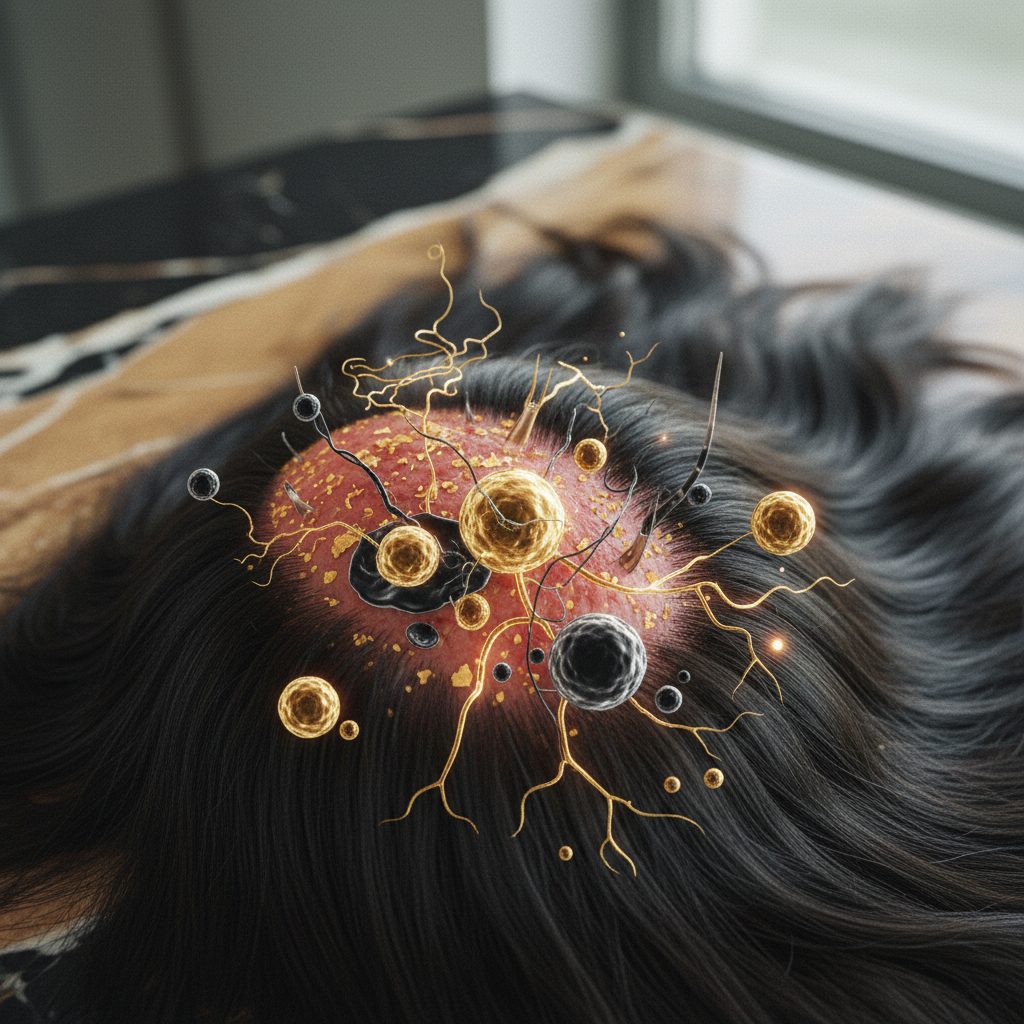
- Sebum production: Androgens control the activity of sebaceous glands. Hormonal fluctuations, emotional stress (via cortisol and neuroendocrine signals), and systemic health shifts can increase sebum output, providing more substrate for fungal lipase activity.
- Skin barrier disruption: Cold, dry winter weather lowers ambient humidity, drying out the skin barrier and making the stratum corneum more permeable to irritating unsaturated fatty acids.
- Microbiome imbalance: Disruptions in the cutaneous bacterial and fungal equilibrium allow Malassezia populations to dominate, amplifying inflammatory cytokine release, including interleukin-1-alpha, interleukin-8, and tumour necrosis factor-alpha.
Recognising the signs: seborrheic dermatitis vs similar scalp conditions
Correct identification prevents using treatments that could worsen the problem. Because multiple conditions involve flaking and scalp irritation, comparing their characteristics is essential.
| Condition | Primary Scale Characteristics | Erythema (Redness) | Primary Scalp Distribution | Associated Features |
|---|---|---|---|---|
| Seborrheic Dermatitis | Greasy, yellowish, soft flakes | Mild to moderate, poorly defined margins | Crown, hairline, ears, eyebrows | Itching, oily scalp, relapsing nature |
| Dry Scalp (Pityriasis Sicca) | Small, dry, white, powdery flakes | None | Diffuse across the entire scalp | Hair feels dry; tight scalp sensation |
| Scalp Psoriasis | Thick, silvery-white, mica-like scales | Pronounced, sharply demarcated plaques | Hairline, nape, over elbows and knees | Bleeding when scale is lifted (Auspitz sign) |
| Contact Dermatitis | Variable flaking following acute exposure | Intense, bright red, localized | Matches application site of product | Burning sensation, sudden onset after new product |
Practical management: what you can do
While seborrheic dermatitis is chronic, you can maintain clear, calm skin with an intentional routine focusing on antimicrobial control, scale clearance, and barrier maintenance.
1. Clear excess scale (Keratolytics)
Thick scale acts as a shield for yeast colonies and prevents soothing active ingredients from reaching the scalp surface. Use ingredients that soften and dissolve keratin bonds:
- Salicylic acid (1% to 3%): Loosens stubborn plaques without requiring harsh manual scratching.
- Lactic acid: Provides gentle enzymatic exfoliation while supporting the skin's natural moisture factor.
2. Suppress fungal proliferation
Targeted cleansing agents lower the Malassezia population back to a baseline level where it does not provoke an immune response. Standard evidenced agents include:
- Ketoconazole (1% to 2%)
- Zinc pyrithione (1% to 2%)
- Piroctone olamine (0.5% to 1%)
- Selenium sulfide (1% to 2.5%)
- Ciclopirox olamine (1%)
When using active cleansing treatments, lather the product directly onto the scalp and allow it to sit for 3 to 5 minutes before rinsing. This contact time is necessary for the active compounds to interact with the stratum corneum. Rotate active treatments with gentle, pH-balanced washes to prevent habituation and barrier fatigue.
3. Avoid feeding the yeast
Many traditional hair oils contain single-chain or unsaturated fatty acids with carbon chain lengths between C11 and C24, which Malassezia can metabolise. Avoid applying heavy plant oils directly to the scalp, particularly olive oil, coconut oil, and argan oil, during an active flare-up. Instead, focus moisturising agents strictly on the mid-lengths and ends of the hair fibre.
Supporting the scalp environment: the Watermans approach
When dealing with chronic scalp sensitivity and flaking, maintaining follicle vitality is crucial. Persistent inflammation and excessive scratching can weaken the root sheath, leading to telogen effluvium (increased daily hair shedding) and hair breakage along the shaft.
Watermans GrowMe Shampoo is formulated to support a clean, invigorated scalp environment without aggressive stripping. It incorporates natural active ingredients like rosemary extract, biotin, niacinamide, and allantoin. Niacinamide helps reinforce the epidermal barrier and soothes visible redness, while allantoin softens the scalp surface. Meanwhile, rosemary provides natural clarifying properties to refresh oily roots.
Used alongside your recommended medicated antifungal treatments, this type of supportive care helps keep the hair fibre resilient, reduces breakage from styling, and promotes a clean environment for normal hair growth.
When to seek medical advice
You should consult a GP or dermatologist if your symptoms do not respond to over-the-counter targeted cleansers after three to four weeks, or if you experience any of the following:
- Severe redness spreading beyond the hairline onto the face or neck.
- Fluid weeping, crusting, or signs of secondary bacterial infection (such as golden crusts or pustules).
- Extreme pruritus (itching) that disrupts sleep or daily functioning.
- Rapid, patchy hair loss, which may indicate an alternate underlying disorder such as alopecia areata or tinea capitis.
A clinician can prescribe short-term topical corticosteroids to rapidly calm acute inflammation, non-steroidal topical calcineurin inhibitors (such as tacrolimus or pimecrolimus) for facial and delicate areas, or oral antifungal therapy for resistant, severe cases.
Frequently asked questions about Seborrheic Dermatitis Fundamentals
Can seborrheic dermatitis cause permanent baldness?
No. Seborrheic dermatitis does not destroy or scar the hair follicle. However, the inflammation it generates, combined with aggressive scratching, can push follicles prematurely into the telogen (resting and shedding) phase. Once the scalp inflammation is brought under control with appropriate antifungal and clarifying routines, the shed hair typically regrows over several months.
How often should I wash my hair if I have seborrheic dermatitis?
Most dermatologists recommend washing your hair daily or every other day during an active flare-up. Regular cleansing mechanically removes excess sebum and shed skin cells, depriving Malassezia yeasts of their primary food supply. Once symptoms subside, you can adjust frequency based on your hair texture and oil production.
What are the main Seborrheic Dermatitis Fundamentals regarding diet?
Evidence connecting specific dietary items directly to seborrheic dermatitis is limited. The yeast feeds on skin surface sebum, not the food in your stomach. However, an overall balanced, anti-inflammatory diet rich in zinc, B-complex vitamins, and antioxidants supports general immune competence and skin barrier integrity, which can reduce systemic inflammatory responses.
Is seborrheic dermatitis the same thing as cradle cap?
Yes. Cradle cap is infantile seborrheic dermatitis. It occurs during the first few months of life, driven by maternal androgens that temporarily stimulate the infant's sebaceous glands. Unlike the adult form, which is chronic and relapsing, cradle cap usually resolves spontaneously by 6 to 12 months of age as the sebaceous glands become quiescent.
Establishing long-term control over seborrheic dermatitis
Mastering Seborrheic Dermatitis Fundamentals transforms a frustrating cycle of itching and flaking into a manageable routine. While the genetic and physiological tendency toward sebaceous inflammation remains permanent, its expression on your scalp does not have to be. By combining strategic antifungal washes, gentle desquamating care, and barrier-friendly daily habits, you can sustain a calm, clear scalp and protect the strength and appearance of your hair for the long term.
Sources and references
- British Association of Dermatologists. Seborrheic Dermatitis Patient Information Leaflet. 2022.
- National Institute for Health and Care Excellence (NICE). Seborrhoeic dermatitis: Clinical Knowledge Summaries. 2023.
- Dawson, T. L. "Malassezia globosa and restricta: Breakthrough Understanding of the Etiology and Treatment of Dandruff and Seborrheic Dermatitis through Whole-Genome Analysis." Journal of Investigative Dermatology Symposium Proceedings, 2007.
- Borda, L. J., & Wikramanayake, T. C. "Seborrheic Dermatitis and Dandruff: A Comprehensive Review." Journal of Clinical and Investigative Dermatology, 2015.
- Gupta, A. K., & Bluhm, R. "Seborrheic dermatitis." Journal of the European Academy of Dermatology and Venereology, 2004.
Find these ingredients in Watermans products
- Zinc: you will find this ingredient in our Hair Vitamins.
- Oleic Acid: you will find this ingredient in our Camellia & Black Castor Hair & Body Oil.
- Niacinamide: you will find this ingredient in our Hair Mask.