Understanding The Science of Hair Breakage: Causes, Mechanisms, and Prevention
3 min read ·
The Science of Hair Breakage explores why hair strands fracture and what you can do to prevent it.
Quick answer: The Science of Hair Breakage explains why individual hair strands fracture and snap along their length, rather than falling out from the root. This common issue is primarily caused by damage to the hair's protein structure, often due to mechanical stress, chemical treatments, or excessive heat. Understanding The Science of Hair Breakage is crucial for identifying preventative measures and maintaining healthier, stronger hair, though it is distinct from hair loss conditions affecting the follicle.
Key takeaways
- Hair breakage happens when the hair fibre itself snaps, not when it sheds from the scalp.
- Mechanical stress, heat styling, and chemical processes are primary culprits behind damage.
- The hair's outer cuticle can lift and erode, making the inner cortex vulnerable.
- Maintaining proper moisture balance and using gentle care practices can significantly reduce breakage.
- Recognising the early signs of damage helps prevent more severe breakage.
The Science of Hair Breakage: what the evidence shows
Hair breakage refers to the physical fracture of the hair shaft, a phenomenon distinct from hair shedding or hair loss (alopecia). It occurs when the structural integrity of the hair fibre is compromised, leading to the strand snapping at any point along its length. The main component of hair is keratin, a fibrous protein. A healthy hair strand is protected by an outer layer of overlapping cells called the cuticle. When this cuticle is damaged, the inner cortex, which provides strength and elasticity, becomes exposed and vulnerable.
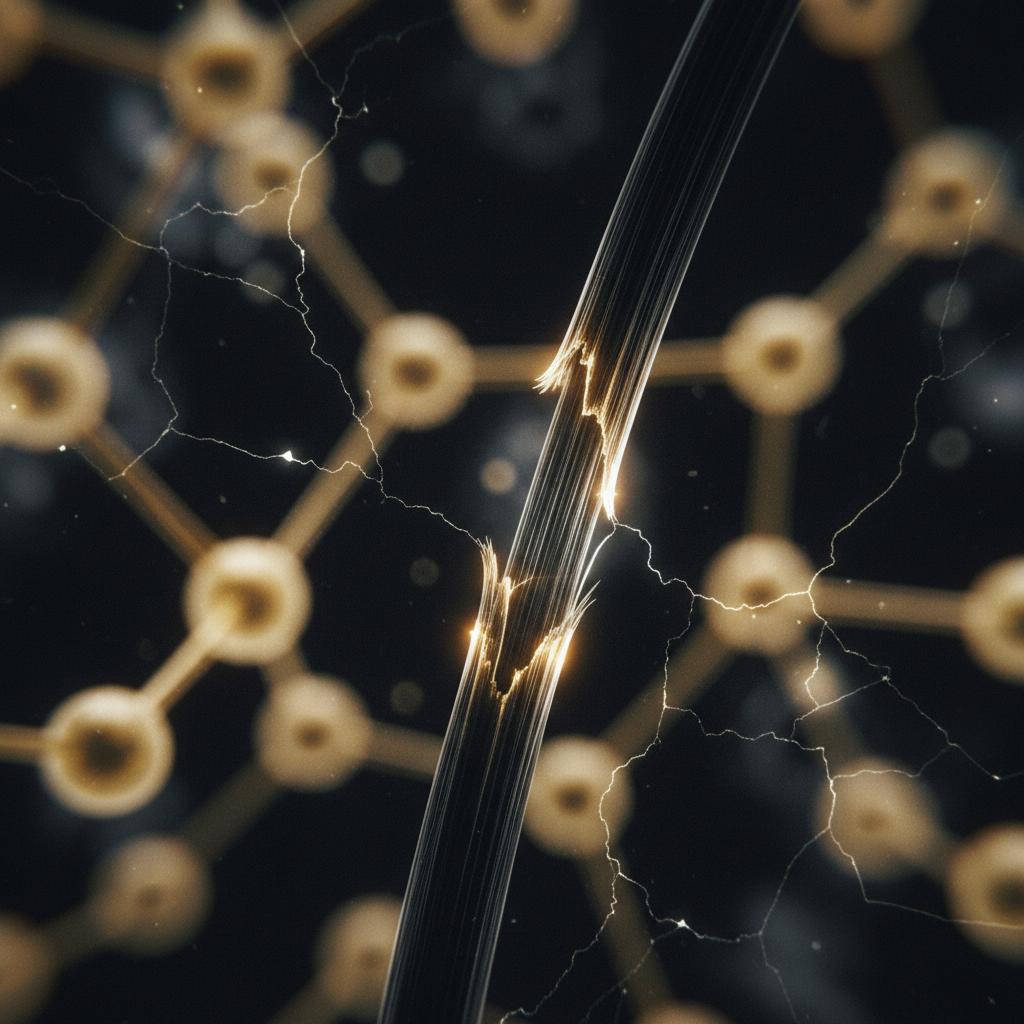
Evidence shows that several factors contribute to weakening the hair structure. Mechanical stress, such as aggressive brushing, tight hairstyles, or towel drying, can cause abrasion and friction. Chemical processes, including perms, relaxers, and hair colouring, alter the hair's protein bonds, making it more brittle. Excessive heat from styling tools like straighteners, curling irons, and blow dryers can dehydrate the hair and degrade its keratin. Environmental factors, such as UV radiation from the sun, can also contribute to the breakdown of hair proteins.
For example, studies on the effects of chemical treatments consistently demonstrate their impact on hair strength. Repeated bleaching, for instance, can reduce hair's tensile strength by as much as 60%, making it far more susceptible to snapping. Similarly, daily use of heat styling tools above 180°C without heat protection can lead to visible damage and increased breakage over time, as the high temperatures cause water molecules within the hair to vaporise, disrupting the protein structure. The Science of Hair Breakage highlights how cumulative damage, rather than a single event, often leads to noticeable breakage.
The mechanism of hair breakage
The hair shaft is a complex structure. Its outermost layer, the cuticle, is made up of flat, overlapping cells, much like scales on a fish. These cuticles protect the inner cortex, which contains keratin proteins arranged in long, parallel fibres. The cortex is responsible for hair's strength, elasticity, and much of its natural curl pattern. When hair is healthy, the cuticle layers lie flat and smooth, reflecting light and feeling soft. They also act as a barrier, preventing excessive moisture loss.
Damage to the hair typically starts with the cuticle. Aggressive brushing, chemical treatments, and heat can lift, crack, or even strip away these protective layers. Once the cuticle is compromised, the inner cortex becomes exposed. This exposure leads to several problems:
- Moisture loss: The cortex loses its ability to retain water, leading to dry, brittle hair.
- Protein degradation: The keratin proteins within the cortex can be denatured or broken down. This reduces the hair's tensile strength and elasticity, making it less able to stretch and more prone to snapping.
- Increased friction: Without a smooth cuticle, hair strands can snag and tangle more easily, leading to further mechanical damage during styling or washing.
Over time, these processes create weak points along the hair shaft. When enough stress is applied (e.g., brushing, combing, or even sleeping), the hair fibre snaps at its weakest point. This is the fundamental mechanism behind hair breakage.
Signs to look for
Recognising the signs of hair breakage early can help you intervene before the problem worsens. Look out for:
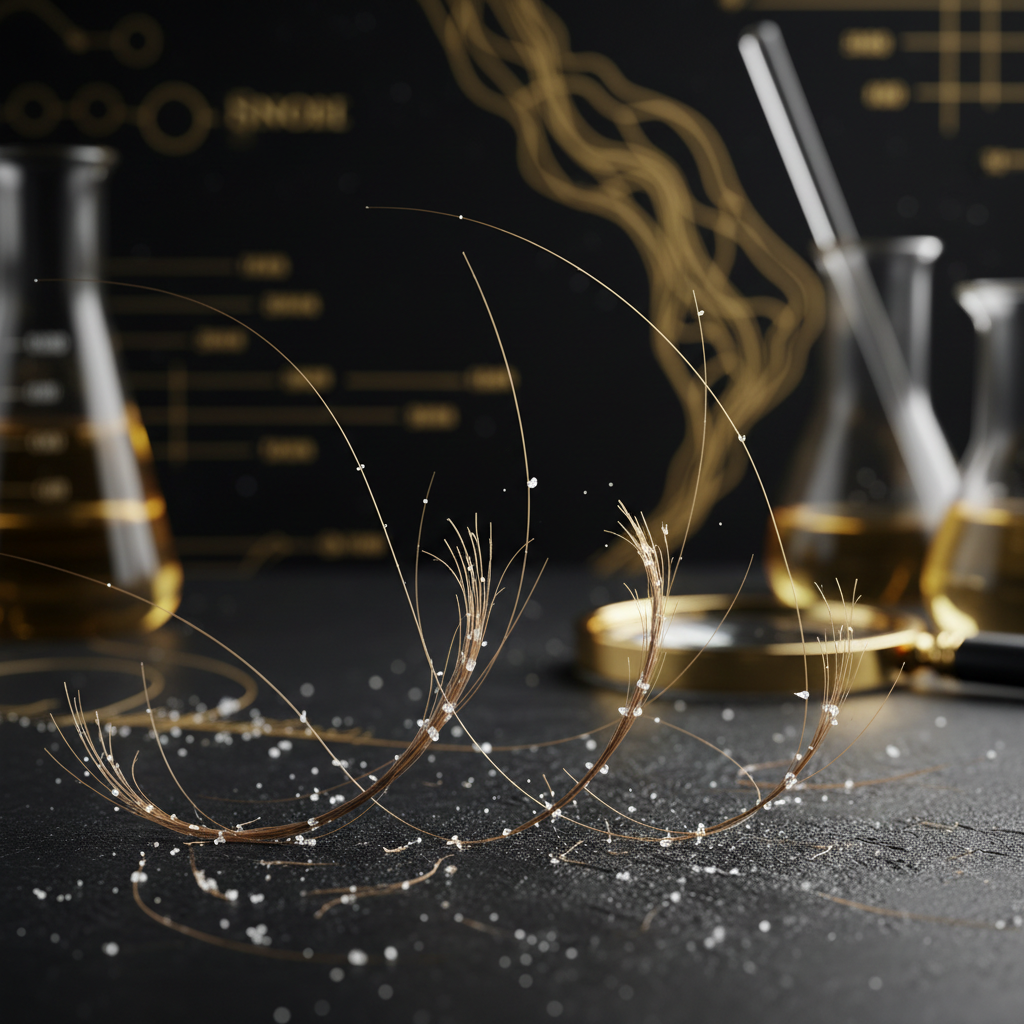
- Split ends: These are perhaps the most common indicator. The very end of the hair shaft splits into two or more distinct fibres, resembling a tiny broom. This happens when the cuticle at the hair