Scalp Sebum Production in Textured Hair: The Evidence-Based Guide
10 min read ·
Discover how scalp sebum production in textured hair works, why coily fibres struggle with lipid migration, and how to balance scalp health with fibre hydration.
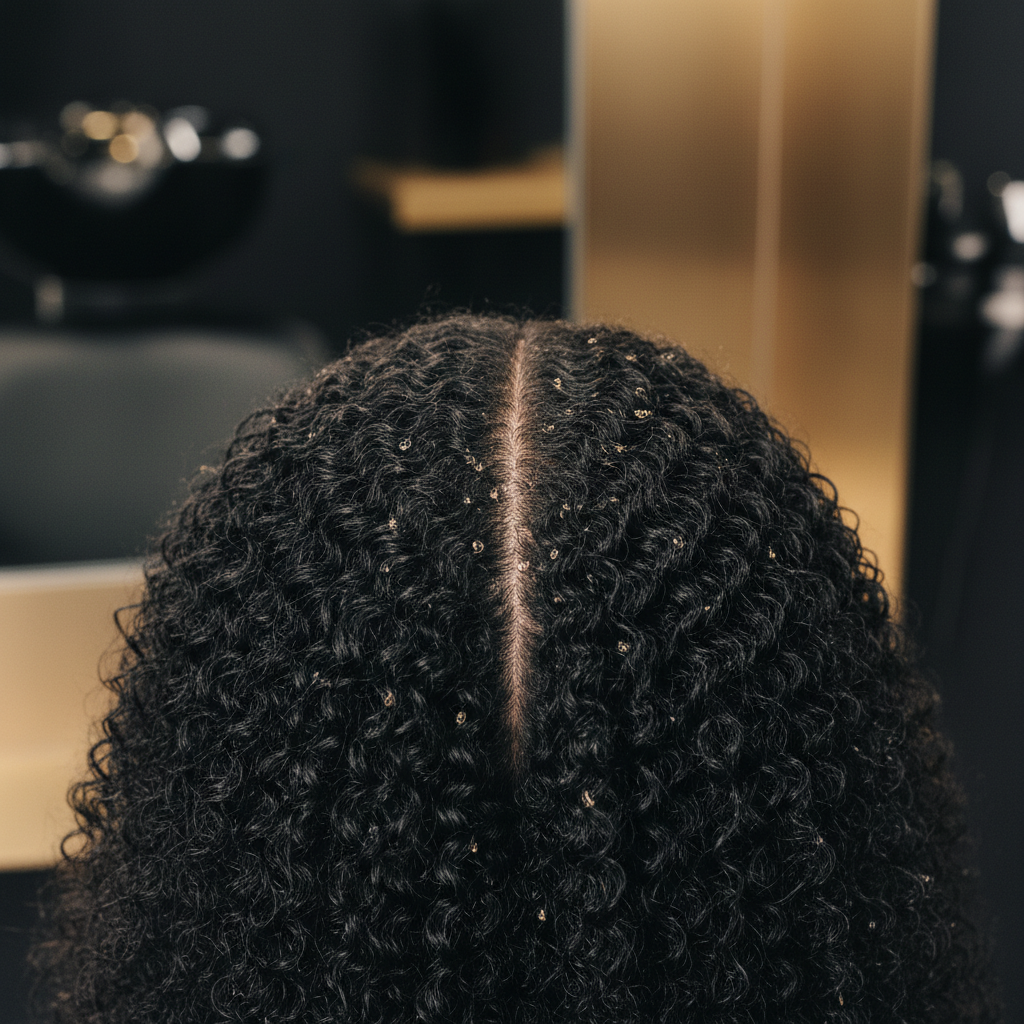
Quick answer: Scalp Sebum Production in Textured Hair refers to the synthesis and distribution of natural cutaneous lipids across curly, coily, and kinky hair types. While sebaceous glands in textured scalps produce normal or even elevated baseline levels of lipids, the anatomical curves, tight coiling, and elliptical geometry of the hair fibre prevent this protective lipid layer from travelling down the shaft. Consequently, textured hair often pairs an oily or flake-prone scalp with severely dehydrated, brittle mid-lengths and ends.
Key takeaways
- Sebaceous glands in Afro-textured and tightly curled hair types produce comparable, or sometimes higher, levels of sebum than straight hair types.
- The physical twists, turns, and elliptical cross-section of textured hair fibres create mechanical barriers that halt the capillary movement of sebum down the hair shaft.
- Scalp dryness in textured hair is frequently a misconception born from dry fibre ends, leading many individuals to under-wash their scalp.
- Trapped sebum, dead corneocytes, and styling products on the scalp can create an ideal environment for Malassezia yeasts, driving seborrhoeic dermatitis.
- Balanced hair management requires treating the scalp and the hair fibres as two separate biological zones with distinct hydration and cleansing needs.
Scalp Sebum Production in Textured Hair: what the evidence shows
Research into scalp sebum production in textured hair disproves the common myth that curly and coily scalps produce insufficient oil. Dermatological measurements demonstrate that human sebaceous glands operate under systemic androgenic control, unaffected by the curl pattern of the hair emerging from the follicle. Sebumeter readings from clinical studies show that sebum output on the scalp surface of individuals of African descent matches or exceeds that observed in straight-haired Asian and Caucasian cohorts.
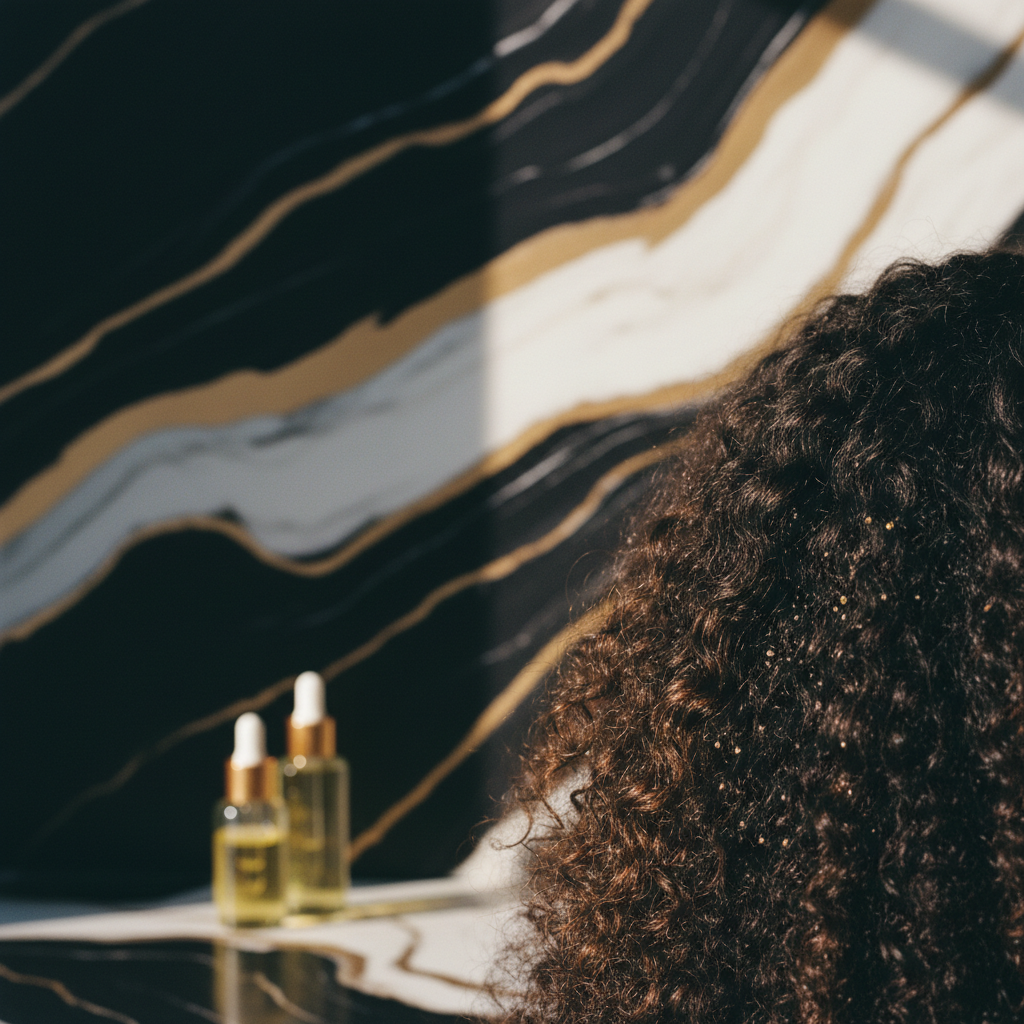
The paradox of textured hair lies in lipid migration. On straight, cylindrical hair shafts, sebum spreads quickly through simple capillary action and mechanical grooming (such as brushing). This coats the cuticles and seals in cortical moisture within 24 to 48 hours. In contrast, tightly coiled hair features an elliptical, ribbon-like cross-section with frequent twists, acute bends, and natural points of high friction. These physical variations prevent natural lipids from flowing past the first one to two centimetres of the root.
As a result, sebum accumulates near the follicular ostia on the scalp rather than migrating down the length of the strand. This anatomical bottleneck leaves the lengths vulnerable to transepidermal water loss (TEWL) and weathering, while the scalp surface risks cutaneous lipid congestion.
The mechanical and biological mechanisms
Understanding the behaviour of sebum in textured patterns requires examining both the glandular biology and the biophysical structure of curly fibres.
Sebaceous gland output and hormonal drive
Sebum is a complex mixture of squalene (around 12%), wax esters (around 26%), triglycerides and free fatty acids (around 57%), and cholesterol (around 4%). Sebaceous glands synthesise these lipids continuously inside mature sebocytes. The rate of production is regulated primarily by dihydrotestosterone (DHT) binding to androgen receptors within the gland, rather than external hair shape.
Because androgen stimulation remains consistent across racial and ethnic phenotypes, baseline sebum synthesis rates remain broadly similar across straight and tightly textured hair types.
Geometry and lipid transit resistance
Textured hair fibres emerge from curved follicular bulbs at an acute angle to the scalp surface. This curvature establishes the twist and coil of the fibre.
As hair grows, the structural twists produce irregular surface tension. Liquid lipids require a smooth, continuous path to travel effectively along the cuticle via capillary forces. In tightly coiled hair (such as type 3 and type 4 curl patterns), every sharp bend acts as a physical dam. Laboratory assays measuring lipid dispersion show that straight hair transfers lipids along the fibre up to five times faster than tight afro coils under identical ambient conditions.
| Property / Feature | Straight Hair (Type 1) | Wavy to Curly Hair (Type 2-3) | Tightly Coiled / Afro Hair (Type 4) |
|---|---|---|---|
| Follicle Shape | Circular, perpendicular | Slightly oval, curved | Elliptical, hook-shaped |
| Sebum Synthesis Rate | Normal (androgen-mediated) | Normal (androgen-mediated) | Normal to moderately elevated |
| Fibre Lipid Migration | Fast (reaches ends in 1 to 3 days) | Moderate (partial coverage) | Very slow (halts near the root) |
| Predominant Scalp Risk | Rapid greasiness, limpness | Variable build-up | Product build-up, seborrhoea |
| Predominant Fibre Risk | Surface oil coating | Moderate frizz, dry ends | Severe moisture loss, breakage |
Common signs of sebum imbalance in textured hair
When scalp sebum production in textured hair fails to move down the fibre, it causes characteristic signs across both the scalp and the hair shaft:
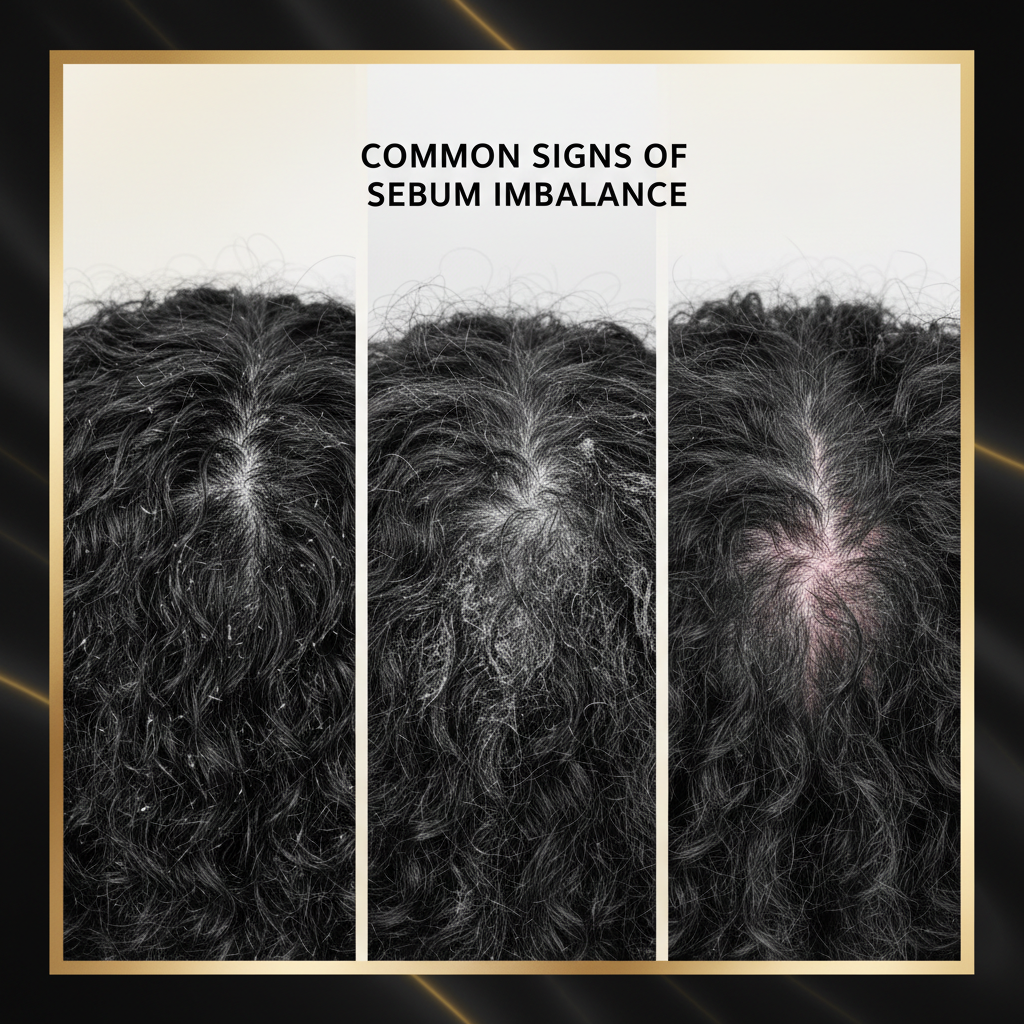
- Scalp congestion alongside dry lengths: The scalp feels tacky, waxy, or visibly shiny, yet the mid-lengths and ends feel parched, brittle, and rough to the touch.
- Persistent itching and scaling: Excessive sebum remaining on the scalp oxidises, creating free fatty acids that irritate the skin barrier and cause pruritus (itching).
- Flaking misidentified as dry scalp: Thick, yellowish, greasy flakes cling to the scalp and roots. This is seborrhoeic flaking driven by sebum-consuming yeast, not a simple dry skin issue.
- Fibre breakage near the mid-shaft: Because natural lipids never coat the outer cuticle layers, the cuticles lift, exposing the cortex to mechanical friction, combing trauma, and breakage.
What the evidence does not show
There is no credible scientific evidence showing that coily hair follicles produce "dry sebum" or that the scalp naturally lacks the biological machinery to produce lipids. The concept of an inherently dry scalp in individuals with textured hair is largely an observational error caused by confusing dry hair fibres with an underactive scalp.
Additionally, evidence does not show that applying heavy vegetable butters or mineral oils directly onto the scalp stimulates or normalises native sebum production. While applying emollients to the hair shaft effectively mimics missing sebum, coating the scalp skin with heavy, occlusive oils can disrupt the cutaneous microbiome and aggravate inflammatory scalp disorders.
What you can do to balance scalp sebum and textured hair
Effectively managing textured hair requires addressing the scalp and the hair shaft as distinct zones with different biological needs.
1. Maintain a regular scalp cleansing routine
Do not avoid washing the scalp out of fear of drying out the hair fibres. Wash your scalp every 7 to 10 days using a balanced, sulphate-free cleanser or a gentle clarifying formula. Focus your cleansing efforts on the skin of the scalp using the pads of your fingers to dissolve oxidised sebum, sweat, and product residues.
2. Protect the hair fibres during washing
To prevent water-induced swelling (hygral fatigue) and lipid depletion along the lengths, apply a protective pre-shampoo oil or conditioner to the mid-lengths and ends before wetting the hair. Keep the shampoo concentrated on the scalp, allowing the lather to run down the lengths gently during rinsing rather than aggressively scrubbing the ends.
3. Artificially replenish lipids on the hair shaft
Because biological sebum cannot reach the ends of textured hair, you must apply plant-derived lipids to the hair fibres manually. Use leave-in conditioning agents that contain cetyl alcohol, jojoba oil, or squalane. Jojoba oil is chemically similar to human wax esters, making it an excellent cosmetic replacement for natural sebum along delicate hair cuticles.
4. Separate scalp hydration from hair lubrication
If the scalp feels tight after cleansing, use lightweight humectants (such as hyaluronic acid or panthenol serous liquids) directly on the skin rather than heavy oils. Reserve heavier sealants, butters, and creams exclusively for the hair shaft, keeping them at least two centimetres away from the follicular roots.
When the cause may be something else
If you are experiencing severe flaking, redness, or hair loss, the problem might not be simple sebum accumulation:
- Seborrhoeic dermatitis: An inflammatory reaction to the proliferation of Malassezia yeasts feeding on pooled sebum. It presents as erythema (redness or hypopigmentation on darker skin tones), greasy flakes, and persistent itching.
- Pityriasis capitis: Common dandruff, characterised by loose white flakes without deep erythema, easily remedied by targeted antimicrobial agents like zinc pyrithione or piroctone olamine.
- Traction alopecia: Hair loss caused by continuous pulling from tight hairstyles (such as braids, weaves, or tight ponytails). This is entirely mechanical and unrelated to sebum, presenting as thinning along the hairline or perimeter.
- Central centrifugal cicatricial alopecia (CCCA): A scarring alopecia presenting as progressive hair loss starting at the crown or vertex. It requires prompt medical intervention from a dermatologist to prevent permanent follicular destruction.
When to seek professional advice
Consult a board-certified dermatologist, trichologist, or your GP if you notice any of the following symptoms:
- Intense scalp tenderness, burning, or painful inflammation.
- Thick, adherent yellow plaques on the scalp that bleed when loosened.
- Noticeable patches of hair thinning or shedding, particularly at the crown or hairline.
- Pustules, pimples, or crusting around the base of the hair follicles.
- Scalp scaling that fails to clear after four weeks of using targeted over-the-counter therapeutic shampoos.
Supporting scalp health with Watermans and Frojus
Supporting the natural balance of your scalp involves establishing a targeted routine that clarifies the skin while nourishing textured fibres. For individuals caring for tight curls, coils, and waves, using hair care formulations tailored specifically to textured patterns, like Frojus, ensures the hair strands receive the concentrated moisture and biomimetic lipids they cannot get from biological sebum alone.
For regular scalp care, Watermans Grow Me Shampoo provides a balanced, revitalising wash designed to cleanse away excess surface sebum and environmental debris without stripping the skin's protective acid mantle. Pairing scalp-focused cleansing with dedicated textured hair conditioning allows you to maintain optimal follicular hygiene while protecting delicate, coily strands from dryness and breakage.
Frequently asked questions about Scalp Sebum Production in Textured Hair
Why does scalp sebum production in textured hair fail to reach the ends?
The acute curvature of textured hair follicles produces an elliptical fibre with irregular twists, turns, and raised cuticle edges. These structural changes create physical barriers and high surface friction, stopping natural liquid lipids from travelling down the hair shaft through ordinary capillary action.
Does washing textured hair frequently increase scalp sebum production?
Washing hair does not cause sebaceous glands to produce more oil. Sebaceous activity is regulated by internal hormones, particularly androgens, not by topical washing frequency. However, over-cleansing with harsh detergents can strip moisture from the epidermal barrier, causing surface irritation.
Is an itchy scalp always caused by a lack of sebum?
No. An itchy scalp in textured hair is more frequently caused by an accumulation of trapped sebum, product residue, and the overgrowth of Malassezia yeasts. When excess sebum oxidises on the scalp, it degrades into irritating free fatty acids that inflame the skin barrier and cause persistent itching.
Can applying natural oils to the scalp replace biological sebum?
No. While natural plant oils can mimic sebum on the dead keratin fibres of the hair shaft, applying heavy oils to the scalp skin can clog follicular openings and feed naturally occurring micro-organisms. It is best to let the scalp produce its own lipids while using topical oils solely on the hair lengths.
How often should someone with coily hair cleanse their scalp?
Most dermatologists and trichologists recommend washing textured hair every 7 to 10 days. This schedule prevents sebum accumulation and yeast overgrowth while keeping the fragile, coily fibres from drying out due to excessive water exposure.
Conclusion
Understanding scalp sebum production in textured hair dispels the myth that coily hair patterns stem from underactive sebaceous glands. The biological reality is an issue of transit rather than production. Because the unique elliptical geometry and helical curls of textured strands stop natural protective lipids from travelling down the shaft, the scalp can become congested while the hair lengths stay dry.
By treating the scalp as living skin that requires regular, gentle cleansing, and treating the hair shaft as a delicate fibre requiring topical conditioning and lipid replacement, you can maintain a comfortable scalp and resilient, healthy-looking hair.
Sources and references
- British Association of Dermatologists (BAD): Guidelines on the management of Seborrhoeic Dermatitis and Scalp Care.
- National Health Service (NHS): Dandruff, Cradle Cap, and Scalp Hygiene conditions review.
- International Journal of Dermatology: "Morphological and structural differences in hair types across ethnic groups" (Peer-reviewed structural studies).
- Journal of the American Academy of Dermatology (JAAD): "Comparative analysis of human sebum production and barrier function across diverse hair phenotypes."
- Journal of Investigative Dermatology: "Sebaceous Gland Physiology and Regulation of Cutaneous Lipid Synthesis."
Find these ingredients in Watermans products
- Zinc: you will find this ingredient in our Hair Vitamins.
- Panthenol (Provitamin B5): you will find this ingredient in our Heat Protection Spray.