Scalp Microflora and Sebum Balance: The Biology of Healthy Hair
9 min read ·
Understand how Scalp Microflora and Sebum Balance interact to protect the scalp barrier, regulate yeast, and maintain optimal conditions for healthy hair.
Quick answer: Maintaining healthy Scalp Microflora and Sebum Balance requires a dynamic equilibrium between lipid-producing sebaceous glands and the microscopic organisms inhabiting the skin surface, predominantly Cutibacterium acnes, Staphylococcus epidermidis, and Malassezia yeasts. Sebum nourishes these organisms, which in turn metabolise lipids to maintain an acidic protective barrier around pH 4.5 to 5.5. However, cosmetic cleansers cannot permanently fix internal endocrine triggers, meaning topical routines manage microbial equilibrium rather than permanently alter baseline sebum genetics.
Key takeaways
- The scalp microbiome relies on a symbiotic relationship where natural skin lipids fuel resident bacteria and yeasts while keeping opportunistic pathogens at bay.
- Sebum is composed primarily of squalene, wax esters, triglycerides, and free fatty acids, providing essential barrier support and antimicrobial peptide transport.
- An overgrowth or metabolic shift in lipophilic organisms, specifically Malassezia restricta and Malassezia globosa, triggers inflammatory cascades linked to dandruff and seborrhoeic dermatitis.
- Over-washing with high-pH alkaline surfactants disrupts the acid mantle, stripping lipids and encouraging bacterial dysbiosis.
- Topical haircare can restore surface balance, but systemic factors such as androgen levels, age, and systemic stress heavily dictate genetic sebum output.
Scalp Microflora and Sebum Balance: what the evidence shows
Research published in dermatology and microbiology journals demonstrates that healthy scalp skin is home to dense microbial ecosystems numbering over one million organisms per square centimetre. These communities thrive in the sebum-rich environment created by human sebaceous glands.
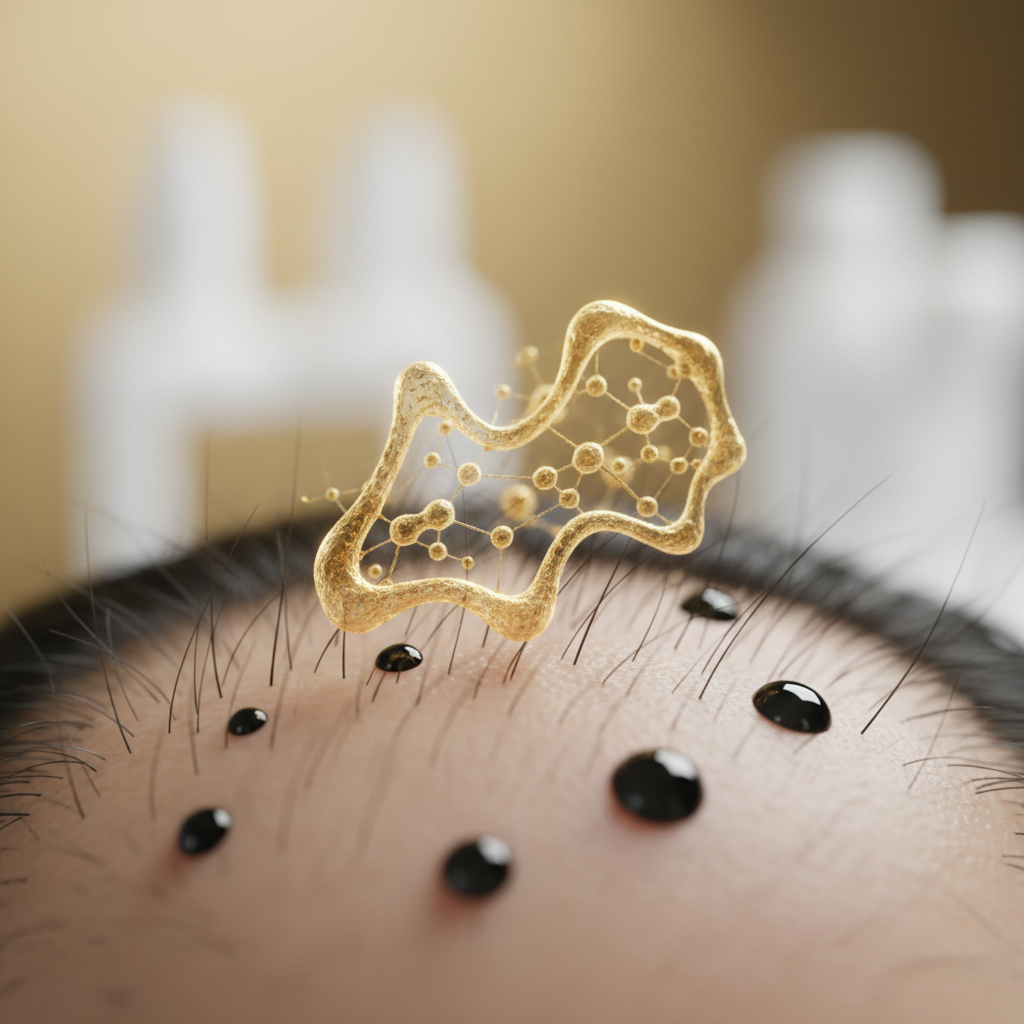
The interaction between Scalp Microflora and Sebum Balance centres on lipid metabolism. Sebaceous glands secrete an intricate mixture consisting of triglycerides (roughly 30 to 50 percent), wax esters (20 to 30 percent), squalene (10 to 16 percent), and low levels of cholesterol. The resident bacteria, predominantly Cutibacterium acnes and Staphylococcus epidermidis, together with lipophilic yeasts of the genus Malassezia, express lipase enzymes. These enzymes break down triglycerides into free fatty acids.
These free fatty acids, particularly sapienic acid and lauric acid, play a dual role. They sustain the mildly acidic surface environment of the scalp (pH 4.5 to 5.5), which naturally inhibits pathogenic colonisation from organisms such as Staphylococcus aureus or Streptococcus pyogenes. Simultaneously, they act as direct chemical antimicrobials. When sebum production is steady, this relationship is commensal and protective. The host skin provides nutritional lipids, and the microflora reinforces the biochemical defence barrier of the epidermal stratum corneum.
| Component / Organism | Biological Role | Normal Proportion / Status | Impact of Dysbiosis |
|---|---|---|---|
| Sebum Lipids | Moisture retention, acid mantle formation, lipid transport | Normal film across stratum corneum | Hypersecretion fuels microbial flares; depletion causes xerosis and barrier cracking |
| Cutibacterium acnes | Consumes triglycerides; secretes propionic acid | Dominant bacterial resident (follicular) | Over-proliferation linked to folliculitis and perifollicular inflammation |
| Staphylococcus epidermidis | Regulates skin barrier; counterbalances C. Acnes | Dominant bacterial resident (interfollicular) | Depletion allows opportunistic bacterial pathogens to colonise |
| Malassezia species | Hydrolyses sebum lipids for nutrition | Lipophilic commensal yeast (M. Restricta, M. Globosa) | Releases irritating free fatty acids that provoke flaking and erythema |
| Scalp Surface pH | Regulates enzyme function and microflora viability | Acidic range: 4.5 to 5.5 | Shift toward alkaline (> 6.0) impairs cohesion and permits dysbiosis |
What the evidence does not show
The science of scalp biology does not support several popular consumer assumptions. First, scientific literature does not show that you can "train" your scalp to permanently produce less sebum by washing it less frequently. Sebaceous gland volume and secretion rates are primarily regulated by circulating androgens (notably dihydrotestosterone, or DHT) acting on intracellular receptors, not by a surface-level feedback switch. While gentle cleansing avoids surface irritation, skipping hygiene does not suppress hormonal sebum production.
Second, topical cosmetic products cannot permanently eliminate or sterilely wipe out the scalp microbiome. Nor would this be desirable. Complete eradication of resident organisms compromises the acid mantle and invites pathogenic infections. Finally, everyday flaking is frequently attributed strictly to "dry scalp", yet dermatological surveys show visible flaking is overwhelmingly caused by Malassezia-driven inflammation in the presence of excess sebum, rather than actual dehydration of the skin layers.
Mechanisms: how sebum disruption alters microbial populations
Sebum secretion creates a biochemical micro-climate that determines which microbial species thrive. When androgenic activity accelerates sebum output, lipophilic organisms multiply rapidly.
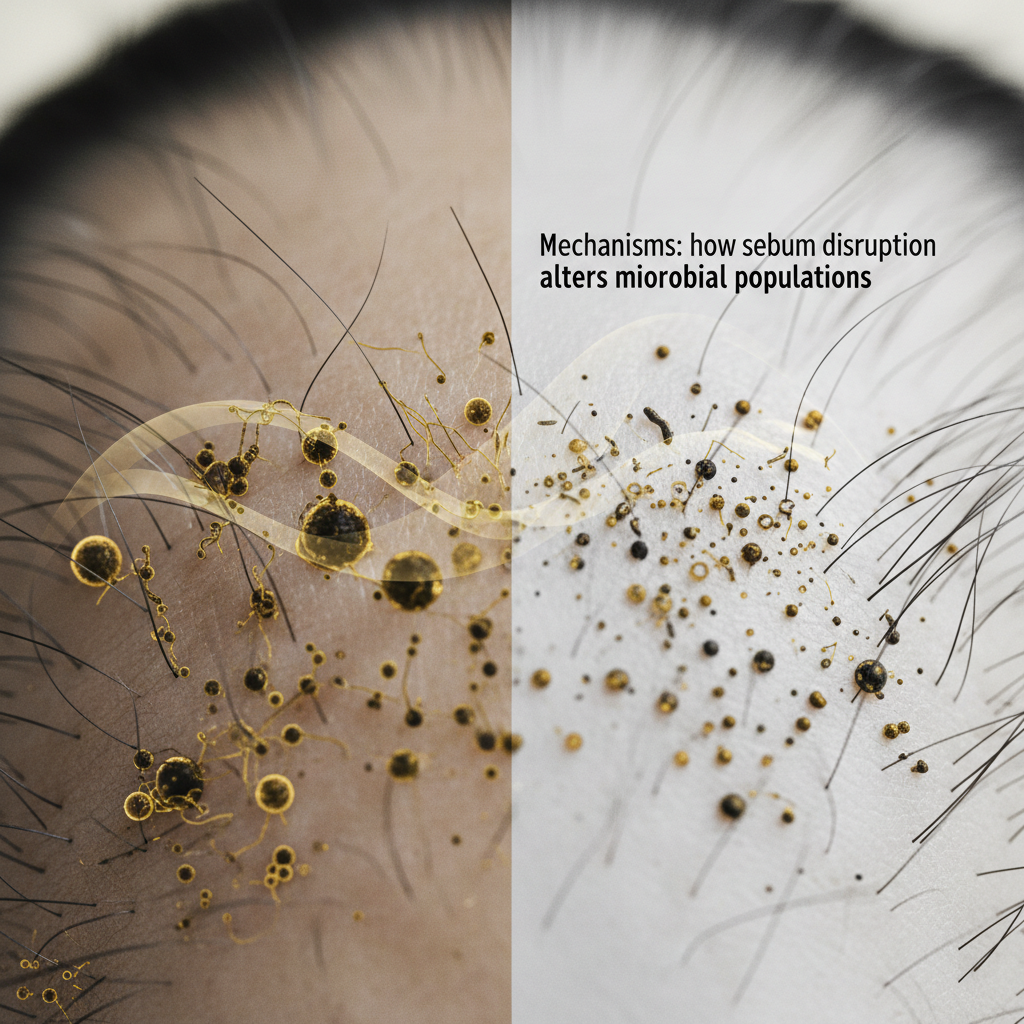
Yeasts such as Malassezia globosa lack the ability to synthesise their own fatty acids. They rely on their distinct lipases to cleave host triglycerides, consuming specific saturated fatty acids and leaving behind unsaturated free fatty acids, notably oleic acid and arachidonic acid. In sensitive scalps, these discarded unsaturated fatty acids penetrate the stratum corneum. This breach triggers an inflammatory cascade, disrupting normal epidermal keratinisation. Skin cells detach prematurely in large, visible clumps of hundreds of cells rather than shedding invisibly as individual corneocytes. This process defines dandruff and seborrhoeic dermatitis.
Conversely, aggressive daily washing with high-alkaline soaps (pH 8.0 or higher) extracts lipid barriers while altering the scalp surface pH. When the scalp shifts away from its optimal pH 5.0 baseline, bacterial diversity drops. Beneficial species struggle to survive, while potentially pathogenic bacteria such as Staphylococcus aureus can colonise the follicular openings, resulting in scalp tenderness, folliculitis, and weakened follicular anchoring.
Recognising signs of an unbalanced scalp ecosystem
Because the scalp cannot be viewed easily without close magnification, recognising functional disruptions depends on tactile and visible indicators:
- Greasy, yellow-tinged flaking: Distinct from fine, dry dust, clumping oily flakes that stick to the scalp surface point to Malassezia lipid metabolism issues.
- Persistent erythema (redness) and itching: Microbial by-products generate low-grade inflammation that stimulates local nerve endings, creating a cycle of itching and scratch-induced physical barrier damage.
- Follicular papules or pustules: Small, tender red bumps near the base of the hair shaft often indicate a bacterial microflora imbalance, commonly C. Acnes overgrowth inside the follicular infundibulum.
- Sudden oil rebound accompanied by tight skin: Stripping the scalp with harsh detergents can degrade the lipid bilayer without slowing hormonal sebum production, resulting in surface tightness paired with an oily film within 12 hours.
Practical steps to support microflora and sebum balance
Maintaining an optimal environment requires regular removal of stale, oxidised sebum without completely stripping the protective barrier.
- Cleanse on an appropriate schedule: Wash as often as your personal sebum production dictates. Those with higher sebum output typically need washing every 1 to 2 days, whereas low-production curls or textured hair may thrive on washing every 4 to 7 days.
- Prioritise pH-balanced formulations: Choose shampoos buffered between pH 4.5 and 5.5. Acidic cleansers preserve the skin barrier, keep hair cuticles flat, and preserve native microflora.
- Use gentle clarifies periodically: If dead cells and sebum accumulate, incorporate a clarifying routine containing mild exfoliating acids, such as salicylic acid at 0.5 to 2 percent, which dissolves lipid plugs inside follicles.
- Avoid heavy non-metabolising mineral oils on congested scalps: Thick occlusive oils can trap anaerobic bacteria (C. Acnes) within follicles, potentially exacerbating inflammatory breakouts.
- Protect the physical barrier: Avoid scrubbing with fingernails or using water hotter than lukewarm, as heat accelerates lipid breakdown and destabilises native bacterial colonies.
When the issue is systemic or requires clinical review
Not every scalp issue stems from simple surface hygiene. If redness, scabbing, severe pain, or noticeable shedding occurs, a medical professional must evaluate the scalp:
- Psoriasis: Presents as well-demarcated plaques with silvery, micaceous scales, caused by autoimmune-driven cell turnover rather than standard microbial changes.
- Folliculitis decalvans or lichen planopilaris: Scarring alopecias that destroy follicles, which begin as inflammation or pustules and require immediate dermatologist intervention to avoid permanent hair loss.
- Excessive telogen shedding: If widespread hair shedding follows several months after severe scalp dermatitis, the systemic inflammation may have triggered telogen effluvium, requiring targeted assessment.
Support from Watermans haircare formulations
Supporting the external scalp ecosystem works best when using non-stripping, nutrient-rich ingredients. Watermans approaches scalp health from the perspective that robust, healthy-looking hair begins with an optimal follicular environment. Formulated to respect natural physiological pH levels, Watermans cleansers lift excess oxidised oils and environmental residue without depleting the essential lipid architecture required by beneficial microflora. Incorporating botanical extracts, rosemary, niacinamide, and biotin, these targeted formulas support surface balance, reduce visible signs of flaking, and maintain the clean, refreshed scalp environment required for thicker-looking, resilient hair.
Frequently asked questions about Scalp Microflora and Sebum Balance
Can you permanently cure an imbalance in your scalp microflora?
No, you cannot permanently alter or "cure" the ecosystem. The microflora naturally repopulates continuously, and your baseline lipid production is largely dictated by genetic and endocrine signals. Managing Scalp Microflora and Sebum Balance is an ongoing maintenance process through consistent, pH-appropriate hygiene, sensible product selection, and lifestyle balance rather than a one-time medical fix.
Does washing your hair every day harm the microbiome?
Daily washing does not harm the scalp if you have high natural sebum production and use a mild, pH-balanced (pH 4.5 to 5.5) shampoo. Leaving stale sebum on the skin for too long creates an overgrowth of lipophilic yeasts. However, washing daily with harsh, high-pH detergents can degrade barrier lipids, disturb microflora, and cause irritant contact dermatitis.
What is the ideal pH for maintaining microflora health?
The ideal surface pH of the scalp falls between 4.5 and 5.5. This natural acidity, known as the acid mantle, supports beneficial microflora while suppressing pathogenic bacteria. Cleansers that operate within this mildly acidic window keep hair cuticles smooth and preserve the lipid bilayer that protects against microbial infection.
How does diet influence sebum production and microflora?
Diets rich in high-glycaemic carbohydrates can increase insulin and insulin-like growth factor 1 (IGF-1), which are known to upregulate sebaceous gland activity. Elevated sebum provides more lipid fuel for lipophilic microflora such as Malassezia. Eating a balanced diet with adequate zinc, omega-3 fatty acids, and low-glycaemic foods helps maintain steady sebum production.
Summary of microbial balance and lipid health
Achieving lasting equilibrium between Scalp Microflora and Sebum Balance requires an understanding of skin physiology. Sebum is not an impurity that needs to be scrubbed away completely; it is an active biological shield that feeds beneficial bacteria, preserves cutaneous moisture, and shields the hair fibre. When hormonal fluctuations or improper haircare practices disrupt this relationship, microbial shifts can prompt inflammation, flaking, and follicular discomfort. By matching washing frequency to individual oil production, choosing pH-appropriate formulations, and distinguishing between minor cosmetic flaking and clinical conditions, you can foster a stable, resilient scalp ecosystem capable of supporting healthy-looking hair.
Sources and references
- British Association of Dermatologists (BAD). Seborrhoeic Dermatitis Guidelines and Patient Information. 2020.
- Grice, E. A., & Segre, J. A. "The skin microbiome." Nature Reviews Microbiology, 2011. DOI: 10.1038/nrmicro2537.
- Dawson, T. L. "Malassezia globosa and restricta: Breakthrough Understanding of the Etiology and Treatment of Dandruff and Seborrheic Dermatitis through Whole-Genome Analysis." Journal of Investigative Dermatology Symposium Proceedings, 2007. DOI: 10.1038/sj.jidsymp.5650049.
- Clavaud, C., et al. "Dandruff is associated with disequilibrium in the proportion of the major bacterial and fungal populations consisting of Malassezia, Staphylococcus and Propionibacterium." PLoS ONE, 2013. DOI: 10.1371/journal.pone.0058203.
- National Institute for Health and Care Excellence (NICE). Clinical Knowledge Summaries: Seborrhoeic Dermatitis. 2022.
Find these ingredients in Watermans products
- Zinc: you will find this ingredient in our Hair Vitamins.
- Oleic Acid: you will find this ingredient in our Camellia & Black Castor Hair & Body Oil.
- Niacinamide: you will find this ingredient in our Hair Mask.