Scalp Massage Benefits
4 min read ·
Scalp massage stimulates blood flow, promotes relaxation, and can contribute to a healthier environment for hair growth.
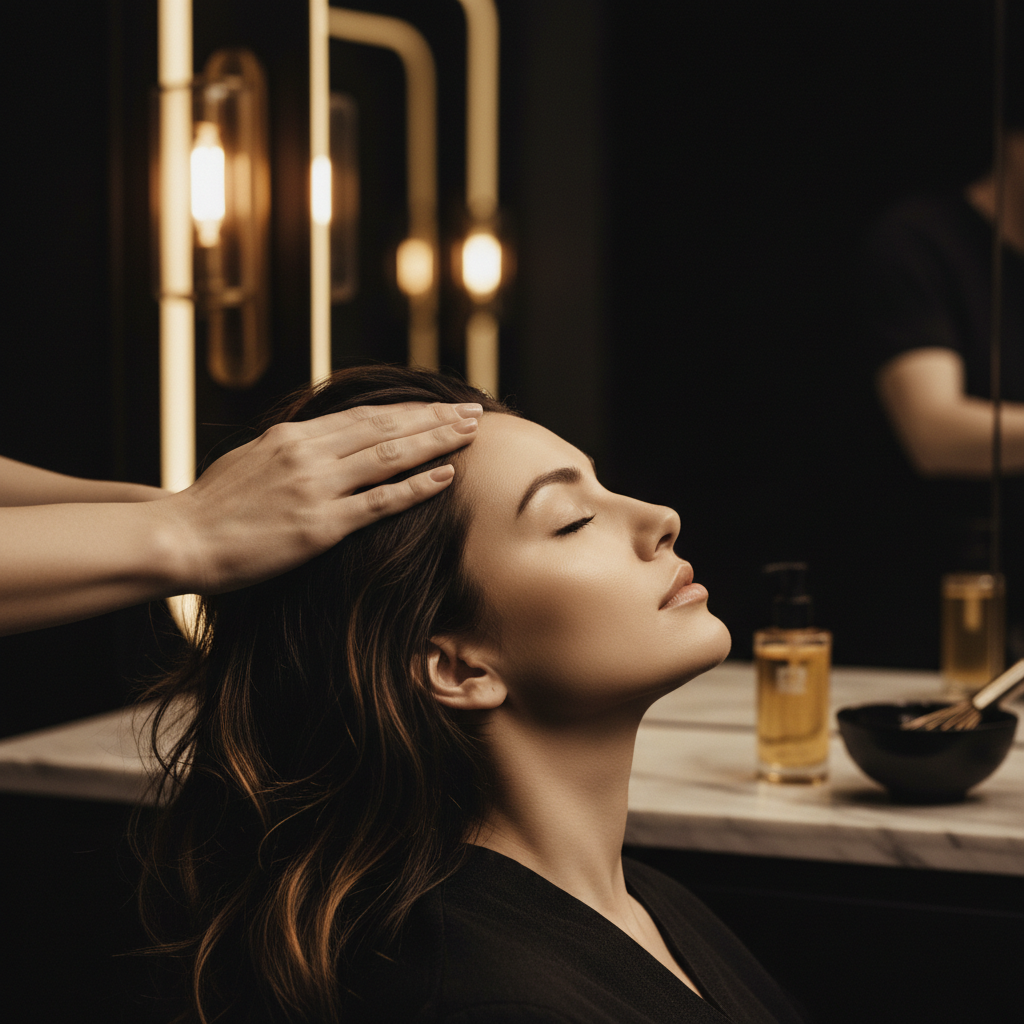
Understanding Scalp Massage
Scalp massage involves the manipulation of the scalp's skin, muscles, and tissues. This practice, often performed using fingertips, specialized brushes, or massage tools, targets the scalp with varying degrees of pressure and motion. While it is commonly associated with relaxation, deeper physiological benefits contribute to overall scalp and hair health.
Mechanisms of Benefit
Increased Blood Circulation
One of the primary benefits of scalp massage is its ability to increase local blood circulation. The scalp, like all tissues, relies on blood flow to deliver essential nutrients and oxygen to hair follicles. By stimulating the blood vessels in the scalp, massage enhances the supply of these vital elements, which in turn can support follicular function and hair growth. Studies have shown that regular scalp massage can increase blood flow to the hair follicles, thereby potentially improving their ability to produce healthy hair.
Reduced Scalp Tension
Many individuals unknowingly carry tension in their scalp muscles. This tension can restrict blood flow and contribute to discomfort. Scalp massage helps to relax these muscles, alleviating tension and promoting a more open and flexible scalp environment. Reduced tension can also contribute to a decrease in stress-related headaches.
Exfoliation and Product Penetration
Gentle exfoliation occurs during a scalp massage, helping to remove dead skin cells and product buildup that can clog hair follicles. This cleansing action creates a healthier environment for hair growth and can improve the efficacy of topical treatments by allowing them to penetrate the scalp more effectively. However, overly vigorous massage can irritate the scalp, so a gentle approach is always recommended.
Stress Reduction and Relaxation
Beyond its physical effects, scalp massage offers significant psychological benefits. The tactile stimulation of the scalp triggers the release of endorphins and other neurochemicals known to induce feelings of relaxation and well-being. This reduction in stress can indirectly benefit hair health, as chronic stress is a known contributor to various hair conditions.
Techniques for Scalp Massage
Scalp massage can be performed using various techniques, each offering distinct advantages.
Fingerpad Massage
This is the most common and accessible method. Using the pads of your fingertips, apply gentle to medium pressure to the scalp. Move your fingertips in small, circular motions, covering the entire scalp. Focus on areas that feel particularly tight or tense. This method allows for direct control over pressure and sensation.
Scalp Brush Massage
Specialized scalp brushes, often with soft silicone bristles, can be used to massage the scalp. These brushes provide gentle exfoliation in addition to stimulating blood flow. They are particularly useful for distributing shampoo and can be incorporated into a regular hair washing routine. Ensure the bristles are soft and flexible to avoid scratching the scalp.
Massage Tools
Various handheld tools are designed specifically for scalp massage. These can range from simple spider-like massagers to more elaborate electric devices. They can offer a unique sensation and may be beneficial for individuals with limited dexterity or those seeking a deeper massage experience. Always follow the manufacturer's instructions for use.
Integrating Scalp Massage into Your Routine
Incorporating scalp massage into your daily or weekly routine is straightforward. It can be done:
- During shampooing: Use your fingertips or a scalp brush to massage the scalp while lathering shampoo.
- Before washing: A dry scalp massage can help loosen dirt and product buildup before shampooing.
- With oils: Applying a small amount of a lightweight hair oil (such as jojoba or argan oil) can provide slip and enhance the massage experience, though ensure the oil is suitable for your hair type and scalp condition to avoid product buildup.
- Anytime: Even a few minutes of dry scalp massage can offer benefits.
Frequency and Duration
For general hair health and relaxation, aim for 5-10 minutes of scalp massage a few times a week. If you are targeting specific concerns like hair thinning, daily massage for 5 minutes may be more beneficial, allowing consistency to build results over time. However, excessive or overly vigorous massage can irritate the scalp, potentially leading to counterproductive effects. Listen to your scalp and adjust accordingly.
Scalp Massage and Hair Growth
While scalp massage is not a standalone cure for significant hair loss, it plays a supportive role in creating an optimal environment for healthy hair growth. By improving circulation, reducing tension, and encouraging follicle health, it can contribute to stronger, more resilient hair. It is often recommended as an adjunct to other hair growth strategies, such as using a hair growth shampoo or other targeted treatments.