Scalp Massage: Benefits, Techniques, and Evidence for Hair Health
9 min read ·
Scalp massage involves stimulating the scalp through manual pressure or tools, with evidence suggesting it can improve blood circulation and hair thickness, although it's not a standalone treatment for significant hair loss.
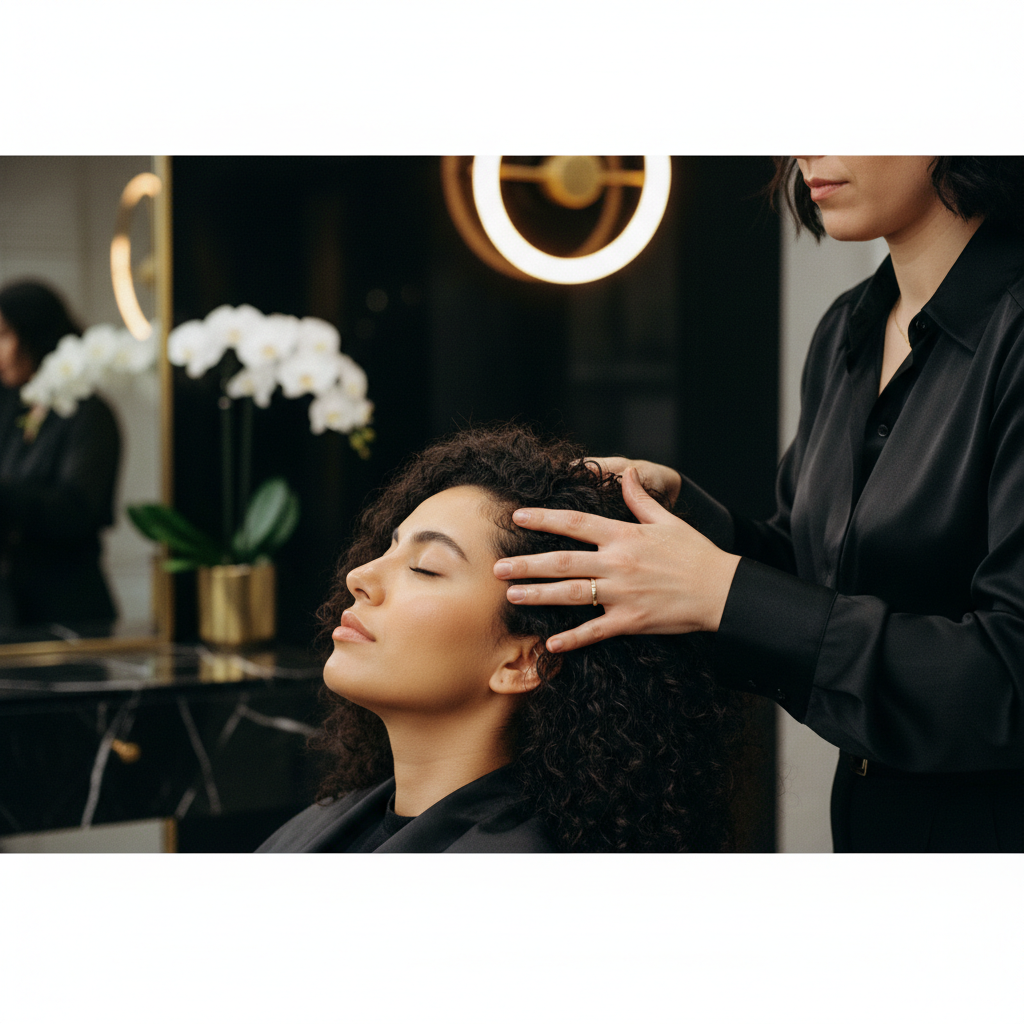
Quick answer: Scalp massage is the manual or tool-assisted manipulation of the scalp, thought to improve blood flow and potentially stimulate hair growth by stretching dermal papilla cells. While it can contribute to a healthier scalp and thicker-feeling hair, it's not a cure for underlying hair loss conditions and its effects vary.**
Key Takeaways
- Circulation Boost: Scalp massage increases blood flow to hair follicles, delivering essential nutrients and oxygen.
- Potential for Thicker Hair: Some studies suggest regular Scalp Massage can lead to increased hair thickness by stimulating dermal papilla cells.
- Stress Reduction: The practice offers a relaxing experience, which can indirectly support overall hair health by reducing stress.
- Enhanced Product Absorption: Massaging can improve the penetration of topical treatments and hair oils into the scalp.
- Not a Cure-All: Scalp massage is a supportive practice and not a standalone treatment for significant hair loss or alopecia.
- Consistency is Crucial: Regular, gentle application of Scalp Massage yields the best potential benefits.
Scalp Massage: What the Evidence Shows
Scalp massage involves applying pressure to the scalp using fingertips or specialised tools. The primary aim is often to improve scalp health and, consequently, hair vitality. The scientific understanding of its effects is still developing, but existing research points to several potential mechanisms.
One significant aspect of scalp massage is its ability to increase blood circulation to the hair follicles. Hair follicles, like all living tissues, require a consistent supply of oxygen and nutrients to function optimally and support hair growth. Mechanical pressure from massage can dilate blood vessels, enhancing this delivery. Studies using laser Doppler flowmetry have shown increases in scalp blood flow following massage.
Beyond circulation, the mechanical stretching induced by scalp massage may have a direct effect on dermal papilla cells, which play a crucial role in hair growth. A 2016 study published in Dermatology and Therapy investigated the effects of standardised scalp massage on hair thickness. Researchers found that regular scalp massage, when applied consistently, led to an increase in hair thickness in men with androgenetic alopecia. They theorised that the stretching forces placed on the dermal papilla cells stimulated them to produce growth factors that promote hair follicle activity.
It's important to differentiate between hair shedding, hair breakage, and hair loss (alopecia). Scalp massage may support the overall health of existing follicles, potentially leading to stronger hair fibres and a reduction in hair shedding related to poor scalp circulation or stress. However, there is no strong evidence to suggest it directly treats genetic forms of hair loss like androgenetic alopecia or autoimmune conditions like alopecia areata. For these conditions, professional medical advice and prescribed treatments are necessary.
How Scalp Massage Works: The Underlying Mechanisms
The mechanisms through which Scalp Massage may benefit hair health are multifaceted, involving both physiological and psychological responses.
Increased Blood Flow
As mentioned, one of the most consistently cited benefits is improved blood circulation. When you massage the scalp, the pressure and movement help to dilate the small blood vessels (capillaries) beneath the skin. This increased microcirculation ensures a more robust supply of oxygen, vitamins, and minerals to the hair follicles. These nutrients are vital for the anagen (growth) phase of the hair cycle. A well-nourished follicle is better equipped to produce strong, healthy hair fibres.
Mechanical Stimulation and Growth Factors
The physical act of massaging the scalp creates mechanical tension and stretching on the skin and the underlying structures. This mechanical stress can influence cellular activity. Research suggests that the stretching of dermal papilla cells, located at the base of the hair follicle, can stimulate the production of certain growth factors. These growth factors are signalling proteins that play a role in regulating cell proliferation, differentiation, and survival, all of which are essential for hair follicle development and the hair growth cycle. While more extensive human studies are needed, this cellular response is a promising area of investigation for understanding how Scalp Massage may contribute to hair thickness.
Reduced Scalp Tension
Chronic tension in the scalp can potentially restrict blood flow to hair follicles. Scalp massage helps to relax the muscles and tissues in the scalp, alleviating this tension. This relaxation can indirectly contribute to better circulation and a healthier environment for hair growth. Stress itself is a known factor in certain types of hair shedding, such as telogen effluvium, so the stress-reducing aspect of massage can be beneficial.
Exfoliation and Product Penetration
Scalp massage, particularly when performed with a brush, can aid in the gentle exfoliation of the scalp. This helps to remove dead skin cells, excess sebum, and product build-up that can sometimes accumulate around the hair follicles. A clearer scalp environment can support healthier hair growth. Furthermore, when combined with topical treatments like serums or oils, the massage can help to work these products deeper into the scalp, potentially enhancing their absorption and efficacy. This is similar to how "Scalp Exfoliation" can prepare the scalp for better product absorption.
What Scalp Massage Does Not Show
While beneficial for many aspects of scalp health, it's crucial to understand the limitations of Scalp Massage:
- Not a cure for genetic hair loss: Scalp massage alone cannot reverse advanced stages of androgenetic alopecia (pattern baldness) or treat autoimmune hair loss conditions. Medical treatments, often involving prescribed medications or procedures, are typically required for these conditions.
- Does not prevent all types of hair shedding: While it can support overall hair health, Scalp Massage is not a definitive preventative measure for all forms of hair shedding, especially those caused by internal factors like hormonal imbalances, nutritional deficiencies, or severe stress leading to telogen effluvium.
- Does not repair damaged hair fibres: Scalp massage focuses on the scalp and follicles. It cannot mend existing hair breakage or damage to the hair shaft. For repairing damaged hair, focus on conditioning treatments and gentle hair care practices, as detailed in "Hair Damage: Causes, Signs, and Solutions".
Techniques for Effective Scalp Massage
Scalp massage can be performed using various methods, each offering distinct advantages. The key is to be gentle and consistent.
Manual Scalp Massage
This method uses your fingertips and is highly adaptable. It can be performed on dry hair or with the application of a hair oil or treatment.
- Preparation: Ensure your hands are clean. If using an oil, apply a small amount to your fingertips or directly to various points on your scalp.
- Technique: Place your fingertips firmly on your scalp, spreading them slightly. Apply gentle to moderate pressure and move your fingertips in small, circular motions. Avoid dragging or pulling the hair, as this can cause breakage. Cover the entire scalp systematically, moving from your hairline to the crown and then to the nape of your neck.
- Duration: Aim for 5 to 10 minutes per session. Many people find it beneficial to incorporate this into their daily or several-times-a-week routine.
Tool-Assisted Scalp Massage
Various tools are available that can enhance the massage experience and offer consistent pressure.
- Scalp Massager Brushes: These typically feature soft silicone or rubber bristles. They are excellent for use in the shower while shampooing, providing gentle exfoliation and stimulation. They can help distribute shampoo and create lather while massaging the scalp.
- Electric Scalp Massagers: These devices often incorporate rotating nodes or vibration functions. They can provide a deeper massage with less manual effort and are useful for individuals who find manual massage tiring or difficult.
Comparing Manual vs. Tool-Assisted Scalp Massage
| Feature | Manual Scalp Massage | Tool-Assisted Scalp Massage (e.g., brush) |
|---|---|---|
| Control | High; pressure and movement are intuitive. | Varies by tool; requires some adaptation. |
| Exfoliation | Moderate, depending on technique. | Moderate to high, especially with brush bristles. |
| Stimulation | Moderate; based on finger pressure. | Moderate to high; can be more consistent. |
| Comfort | High, can be tailored to individual preference. | High, if the tool is well-designed. |
| Cost | Free. | Low to moderate, depending on the tool. |
When to Seek Professional Advice
While Scalp Massage is generally safe and beneficial for scalp health, it's important to know when to consult a healthcare professional. If you experience persistent or significant hair shedding, sudden hair loss, patches of baldness, scalp pain, severe itching, burning, or signs of infection (redness, pus), you should seek advice from a doctor or dermatologist. These symptoms could indicate an underlying medical condition that requires specific diagnosis and treatment beyond what Scalp Massage can offer.
Conditions like alopecia areata, fungal infections, severe dandruff (seborrhoeic dermatitis), or nutritional deficiencies require medical intervention. A professional can accurately diagnose the issue and recommend an appropriate treatment plan. Do not rely solely on Scalp Massage if you suspect a more serious scalp or hair loss condition.
Frequently Asked Questions about Scalp Massage
How often should I do a Scalp Massage?
For general scalp health and potential hair thickening benefits, aim for daily or several times a week. Consistency is more important than intensity. A session of 5 to 10 minutes is usually sufficient. Listen to your scalp; if you notice any irritation, reduce the frequency or duration.
Can Scalp Massage cause hair loss?
No, a gentle Scalp Massage performed correctly should not cause hair loss. However, excessive force, vigorous pulling, or using sharp-bristled tools can potentially cause hair breakage or irritate the scalp. Always use gentle, circular motions and avoid excessive friction, particularly if your hair is fine or prone to breakage.
Should I use oil with a Scalp Massage?
Using an oil can be beneficial, especially if you have a dry scalp. Oils can reduce friction during the massage, prevent pulling, and provide moisturising nutrients. Choose lightweight oils suitable for your scalp type. However, you can also perform a Scalp Massage effectively on dry hair or with shampoo in the shower if you prefer.
Is Scalp Massage good for an oily scalp?
Scalp massage can be part of an oily scalp care routine, but choose your products carefully. While massage can stimulate blood flow, some oils might exacerbate oiliness. Consider using a scalp massager brush during shampooing to help cleanse the scalp and distribute sebum more evenly without adding extra oil, as discussed in "Oily Scalp Care: Understanding and Managing Excess Sebum".
Does Scalp Massage help with dandruff?
Scalp massage, particularly with a scalp brush, can help gently exfoliate flakes associated with mild dandruff. It also improves product penetration for anti-dandruff shampoos and treatments. However, for persistent or severe dandruff, it's important to use targeted anti-fungal treatments and consult a professional, as explored in "Dandruff: Causes and Treatments Explained".
Conclusion
Scalp Massage is a simple, accessible practice that offers several potential benefits for scalp health and hair vitality. By enhancing blood circulation, potentially stimulating dermal papilla cells, reducing tension, and aiding exfoliation, it can create a more favourable environment for healthy hair growth. While it is not a standalone solution for significant hair loss conditions, incorporating regular, gentle Scalp Massage into your hair care routine can be a valuable complementary strategy, supporting overall hair thickness and a healthier-feeling scalp.
Watermans Scalp Care
For those looking to enhance their Scalp Massage routine, Watermans offers products designed to support scalp health. Watermans GrowMe® Shampoo and ConditionMe® Conditioner are formulated to cleanse and nourish, creating an optimal environment for hair growth. Using a scalp massager brush during shampooing with GrowMe® can help distribute the product effectively while providing the benefits of Scalp Massage. This combination aims to maximise the delivery of beneficial ingredients to the scalp and hair follicles.
Sources and References
- Dermatology and Therapy, Increased hair thickness in Caucasian men with androgenetic alopecia by standardised scalp massage, 2016, DOI: 10.1007/s13555-016-0162-6
- National Institutes of Health (NIH), National Library of Medicine (PubMed)
- American Academy of Dermatology Association