Scalp Irritation from Hair Products: Signs, Triggers, and Evidence-Based Solutions
8 min read ·
Scalp irritation from hair products causes redness, itching, and flaking. Learn the causes, differences between allergy and irritation, and how to soothe your scalp.
Quick answer: Scalp irritation from hair products occurs when cosmetic formulations disrupt the skin barrier or trigger an immune response, causing redness, itching, burning, or flaking. In most cases, it stems from irritant contact dermatitis caused by strong surfactants, synthetic fragrances, or harsh preservatives, though true allergic contact dermatitis can also occur. The primary limitation is that topical irritation rarely causes permanent follicle damage, but persistent, unmanaged inflammation can trigger temporary hair shedding or worsen underlying scalp disorders like seborrhoeic dermatitis.
Key takeaways
- Scalp irritation from hair products typically falls into two categories: irritant contact dermatitis (direct chemical damage to the skin barrier) and allergic contact dermatitis (an immune reaction).
- Common culprits include synthetic fragrances, paraphenylenediamine (PPD) in permanent dyes, isothiazolinone preservatives, and aggressive anionic surfactants like sodium lauryl sulphate.
- Symptoms range from mild stinging and tight dryness to erythema, burning, scaling, and small follicular papules.
- Product-induced irritation does not cause scarring hair loss, but severe inflammation can disrupt the hair cycle and trigger temporary shedding (telogen effluvium) or secondary breakage.
- Management involves eliminating offending agents, rinsing thoroughly with lukewarm water, and restoring the scalp's natural lipid barrier and acidic pH (roughly 4.5 to 5.5).
Scalp Irritation from Hair Products: what the evidence shows
Dermatological literature confirms that the scalp is both resilient and vulnerable. While the scalp possesses a high concentration of sebaceous glands that provide a protective lipid coating, it also houses roughly 100,000 hair follicles, which act as permeable pathways for chemical penetration. Clinical patch-test data collected by the British Association of Dermatologists and the North American Contact Dermatitis Group consistently identify cosmetic hair preparations as primary triggers for contact dermatitis on the head and neck.
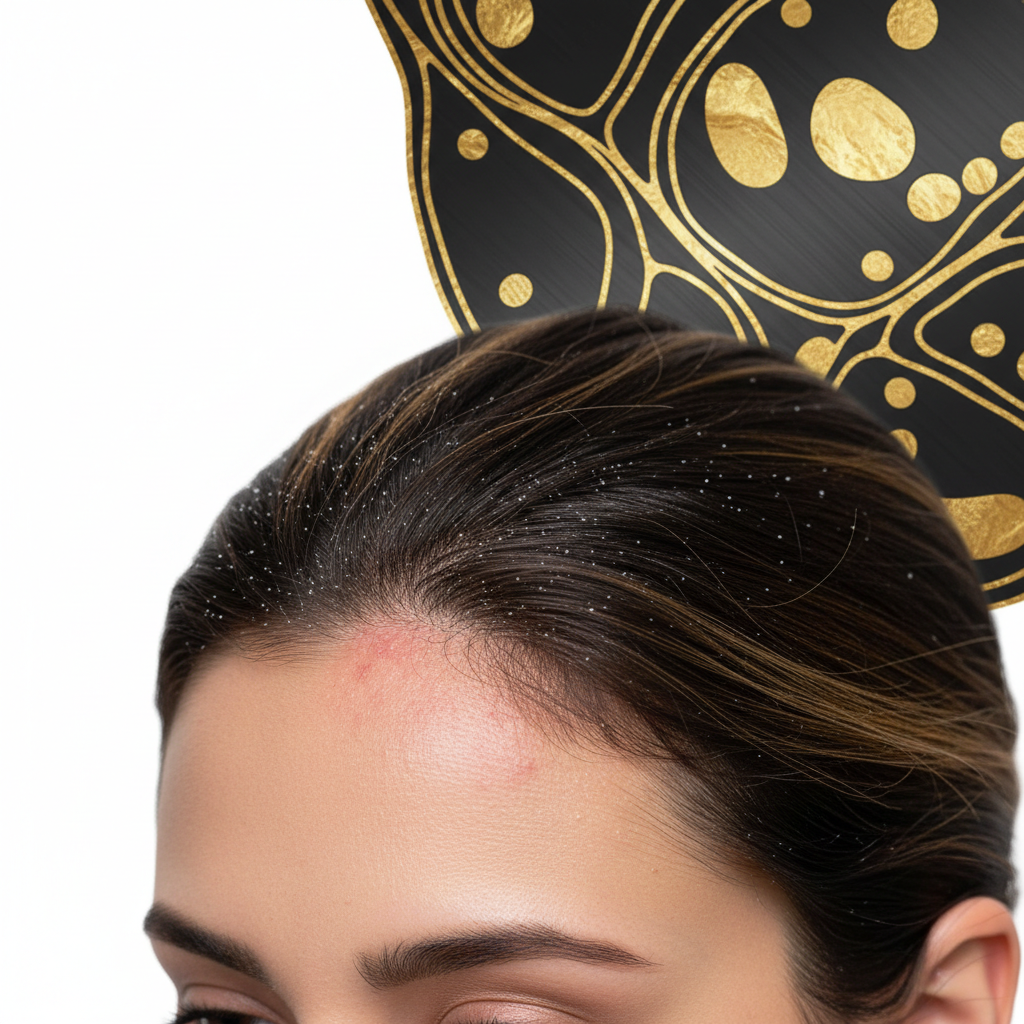
Scalp irritation from hair products manifests in two distinct physiological ways:
- Irritant Contact Dermatitis (ICD): This accounts for approximately 80 percent of all contact reactions. ICD is a non-immunological reaction occurring when a chemical damages the physical stratum corneum barrier faster than the skin can repair it. Common triggers include alkaline hair dyes, chemical straighteners, and concentrated surfactants that strip natural ceramides and fatty acids.
- Allergic Contact Dermatitis (ACD): This is a Type IV delayed hypersensitivity reaction. It requires prior sensitisation to a specific allergen. Once sensitised, even trace amounts of the ingredient trigger T-cell recruitment within 24 to 72 hours, resulting in intense itching, oedema, and vesicular lesions.
+------------------------------------+---------------------------------------+---------------------------------------+
| Feature | Irritant Contact Dermatitis (ICD) | Allergic Contact Dermatitis (ACD) |
+------------------------------------+---------------------------------------+---------------------------------------+
| Underlying Mechanism | Direct non-immune barrier breakdown | Type IV delayed hypersensitivity |
| Onset of Symptoms | Immediate to a few hours after use | 24 to 72 hours post-exposure |
| Common Chemical Triggers | Sulphates, alcohols, high pH bleaches | PPD, methylisothiazolinone, fragrances|
| Typical Sensations | Burning, stinging, smarting, dryness | Intense itching, tenderness, swelling |
| Spatial Distribution | Confined strictly to application zone | Can spread to neck, eyelids, and ears |
| Prevalence in Scalp Reactions | Roughly 80% of clinical cases | Roughly 20% of clinical cases |
+------------------------------------+---------------------------------------+---------------------------------------+
What the evidence does not show
There is no scientific evidence showing that typical cosmetic irritation causes permanent, scarring alopecia (cicatricial alopecia). Hair follicles sit deep within the dermis (roughly 3 to 5 millimetres below the scalp surface), well beneath the superficial stratum corneum where topical irritation occurs.
Furthermore, evidence does not show that "detoxing" the scalp with harsh clays, vinegar rinses, or physical scrubs resolves product irritation. In fact, abrasive physical exfoliation or unbuffered acids often worsen barrier breakdown, accelerating trans-epidermal water loss (TEWL) and amplifying chemical sensitivity. Similarly, claims that all natural or organic products are inherently non-irritating are false; essential oils, plant extracts, and natural fragrances (such as limonene and linalool) are frequent culprits in allergic contact dermatitis.
Biological mechanisms: how ingredients trigger irritation
The skin on your scalp maintains a physiological pH of approximately 4.5 to 5.5, known as the acid mantle. This acidic environment regulates enzyme activity required for lipid synthesis and keeps the scalp microbiome balanced.
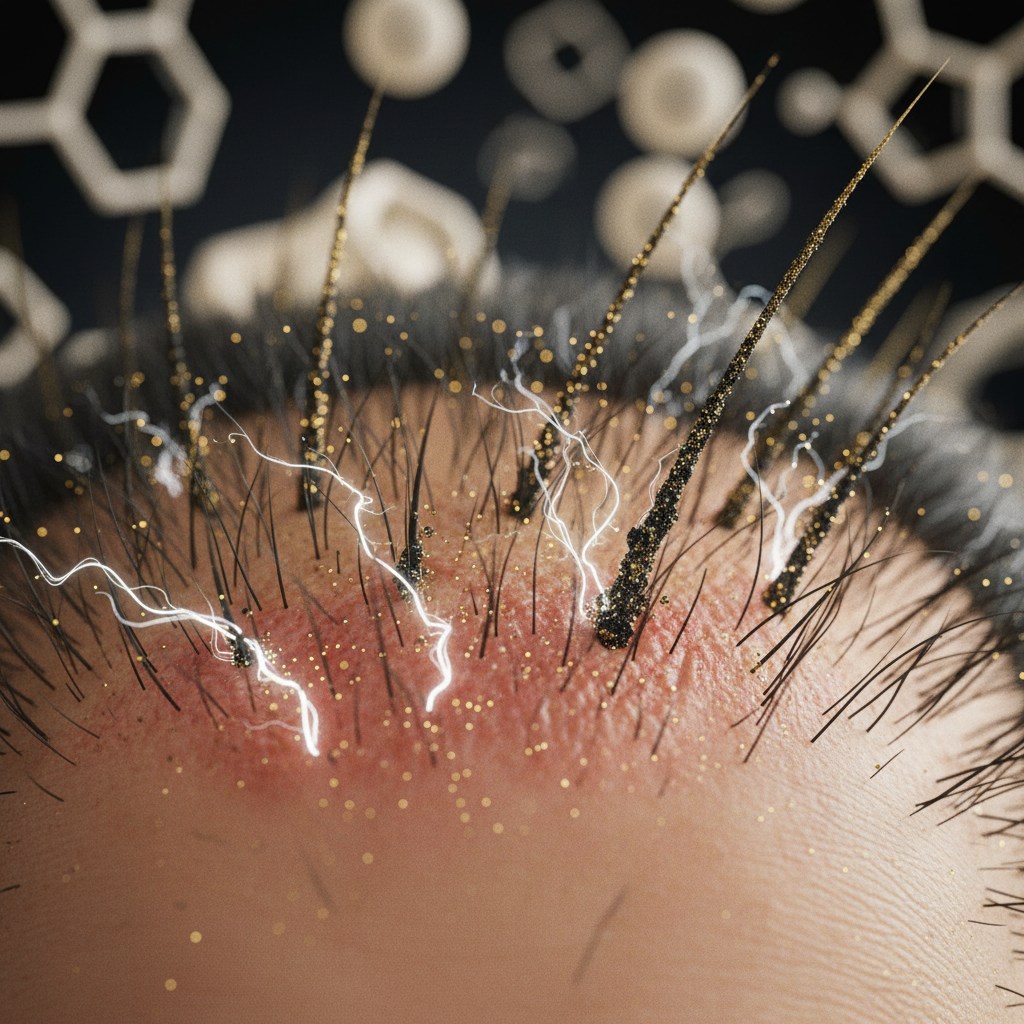
When you apply a product with high alkalinity (such as ammonia-based hair colours with a pH of 9.0 to 11.0) or strong anionic detergents, several disruptions occur:
- Lipid Dissolution: Harsh surfactants emulsify not just external dirt, but also the intercellular lipid matrix composed of ceramides, cholesterol, and free fatty acids.
- Stratum Corneum Swelling: High-pH solutions cause the keratin proteins within the skin cells to swell and destabilise, weakening cellular cohesion.
- Microbiome Dysbiosis: Altering the acid mantle permits the overgrowth of opportunistic organisms, including Malassezia yeasts, which metabolise sebum into irritating free fatty acids.
- Neurosensory Activation: Once the barrier is breached, sub-epidermal sensory nerve fibres (unmyelinated C-fibres) are exposed to cosmetic chemicals, releasing substance P and calcitonin gene-related peptide. This cascade triggers the familiar sensations of stinging, itching, and burning.
Recognising the signs: allergy versus irritation
Distinguishing between irritation and allergy is vital for correct management. Irritant reactions typically feel like burning or stinging and appear soon after application. For example, leaving an alkaline bleach or a clarifying shampoo on too long produces a rapid, localised smarting sensation. The skin may look pink, taut, and slightly flaky.
In contrast, allergic reactions itch relentlessly. A classic presentation involves a hair dye containing paraphenylenediamine (PPD) or a leave-in conditioner preserved with methylisothiazolinone. You might wash the product out without issue, only to develop widespread swelling, fluid-filled micro-vesicles, and raw, weeping skin across the scalp, hairline, ears, and eyelids two days later.
Severe inflammation can also shock follicles. While the hair fibre does not detach immediately, acute dermatitis can prematurely shift growing anagen hairs into the resting telogen phase, manifesting as diffuse shedding (telogen effluvium) two to three months down the line.
What you can do to resolve and prevent irritation
Resolving product-induced scalp issues requires a systematic approach to barrier restoration and ingredient elimination:
- Conduct an Elimination Audit: Stop using all newly introduced hair products, including styling sprays, dry shampoos, serums, and deep conditioners. Revert to a basic, fragrance-free cleansing routine.
- Review the Formula: Check product ingredient lists for known high-risk sensitisers, such as artificial parfum, cinnamic aldehyde, methylchloroisothiazolinone (MCI), and PPD.
- Optimise Water Temperature: Wash your scalp using lukewarm water. Hot water (above 40 degrees Celsius) increases skin permeability and strips essential lipids, compounding barrier irritation.
- Rinse Thoroughly: Residue left behind by heavy conditioning agents or styling polymers can trap irritants against the scalp. Rinse your hair for at least 60 seconds under flowing water.
- Always Patch Test: Before applying permanent colour or chemical straighteners, apply a small quantity of the mixed product behind the ear or on the inner elbow. Monitor the area for 48 hours for redness, swelling, or pruritus.
When the cause is something else
Not all scalp discomfort stems from haircare products. Several dermatological conditions mimic product-induced irritation:
- Seborrhoeic Dermatitis: Driven by an inflammatory reaction to Malassezia yeast, producing greasy, yellowish scales and redness, particularly along the hairline, eyebrows, and nasolabial folds.
- Scalp Psoriasis: An autoimmune disorder causing thick, silvery-white plaques with clearly demarcated borders, often extending beyond the scalp to the elbows, knees, or lower back.
- Folliculitis: A bacterial or fungal infection of individual hair follicles, presenting as tender, itchy, red pustules rather than diffuse scaling.
- Trichodynia: A neurosensory condition characterised by pain, burning, or aching of the scalp without visible erythema or scaling, frequently associated with systemic stress or active telogen effluvium.
When to seek medical advice
Consult a GP, dermatologist, or qualified trichologist if your scalp symptoms do not improve within seven to ten days of eliminating suspected products.
You should seek prompt medical evaluation if you experience:
- Severe swelling of the scalp, face, or eyelids.
- Oozing, crusting, or signs of secondary bacterial infection (such as honey-coloured crusts or increasing warmth).
- Extreme pain or burning that disrupts sleep.
- Rapid, patchy hair thinning accompanied by intense scalp inflammation.
A dermatologist can perform formal epicutaneous patch testing to identify the exact chemical hapten responsible for allergic reactions.
Supporting scalp resilience
When managing recurring sensitivity, switching to milder, targeted haircare can help maintain a calm scalp environment. Watermans designs formulations that prioritise scalp comfort alongside hair vitality. Watermans GrowMe Shampoo avoids aggressive cleansing bases, utilising gentler cleansing agents combined with biotin, rosemary extract, caffeine, and allantoin to support a comfortable, hydrated scalp without causing unnecessary dryness. For individuals prone to tension and surface dryness, pairing gentle cleansing with a balanced leave-in conditioner or targeted elixir helps protect the moisture barrier while keeping hair fibres resilient against everyday grooming friction.
Summary
Scalp irritation from hair products is an exceptionally common yet manageable dermatological issue. Whether driven by direct chemical disruption from strong surfactants or a delayed allergic response to hair dyes and synthetic fragrances, identifying the offending formulation is the first step toward relief. By respecting the natural skin barrier, maintaining an acidic scalp environment, and seeking professional patch testing when persistent reactions occur, you can protect both your scalp comfort and the long-term condition of your hair.
Frequently asked questions about Scalp Irritation from Hair Products
How long does scalp irritation from hair products usually take to clear up?
Mild irritant reactions usually begin to settle within 48 to 72 hours once you stop using the offending product and rinse the scalp thoroughly. Allergic contact dermatitis takes longer to resolve, often requiring two to three weeks for the skin barrier to rebuild and for the immune-mediated inflammation to completely subside.
Can scalp irritation from hair products cause permanent hair loss?
No. Cosmetic scalp irritation does not destroy the hair follicle or cause cicatricial (scarring) alopecia. However, intense, prolonged inflammation or vigorous scratching can cause hair fibres to break, and severe systemic or physical stress on the scalp can induce temporary telogen effluvium shedding a few months later.
Which ingredients are most likely to trigger product-related scalp reactions?
The most frequent culprits include paraphenylenediamine (PPD) and resorcinol in permanent dyes, synthetic fragrances, essential oils, and preservatives such as methylisothiazolinone. Strong anionic detergents like sodium lauryl sulphate (SLS) and high-pH alkaline straighteners also frequently cause non-allergic irritant barrier damage.
Does a natural or organic hair product prevent scalp irritation?
Not necessarily. Natural formulations often rely on botanical extracts and essential oils (such as tea tree, lavender, or citrus oils) that contain potent natural fragrance compounds like limonene and linalool. These substances are well-documented triggers for allergic contact dermatitis, demonstrating that natural origins do not guarantee hypoallergenic performance.
Sources and references
- British Association of Dermatologists. (2020). Hair Dye Reactions and Contact Dermatitis Guidelines.
- North American Contact Dermatitis Group. (2018). Patch Test Results: Common Preservative and Fragrance Allergens.
- Trüeb, R. M. (2007). Shampoos: Ingredients, benefits and adverse effects. Journal of the European Academy of Dermatology and Venereology, 21(s2), 17-25.
- Gavazzoni Dias, M. F. (2015). Hair cosmetics: An overview. International Journal of Trichology, 7(1), 2-15.
- White, J. M., et al. (2006). p-Phenylenediamine allergy: the role of hair dyes. Clinical & Experimental Dermatology, 31(5), 679-684.