Scalp Inflammation Treatments: Clinical Evidence, Causes, and Relief
9 min read ·
Explore evidence-based Scalp Inflammation Treatments. Learn how antifungals, corticosteroids, and gentle care soothe redness, protect hair, and calm irritation.
Quick answer: Effective Scalp Inflammation Treatments depend entirely on identifying the primary trigger, whether fungal overgrowth, autoimmune activity, contact allergy, or mechanical irritation. Standard options range from topical antifungal shampoos and anti-inflammatory corticosteroids to soothing cosmetic botanicals like rosemary and niacinamide. However, the main limitation of any treatment is that non-prescription products cannot cure chronic dermatological conditions like psoriasis or lichen planopilaris; suppressing active tissue swelling without an accurate clinical diagnosis risks irreversible follicular damage and permanent scarring hair loss.
Key takeaways
- Treat the cause, not just the itch: Scalp Inflammation Treatments succeed only when matched to the underlying pathology, such as Malassezia yeast, sebum oxidisation, or autoimmune attacks.
- Topical corticosteroids require strict limits: While prescription steroids rapidly reduce inflammation, prolonged continuous use causes cutaneous atrophy and rebound flares.
- Antifungals target seborrhoeic dermatitis: Ketoconazole (1% to 2%) and ciclopirox olamine reduce yeast colonies, resolving secondary immune irritation within 2 to 4 weeks.
- Distinguish cosmetic irritation from scarring alopecia: Minor erythema from harsh surfactants differs fundamentally from cicatricial alopecias, which destroy stem cells in the follicular bulge.
- Barrier repair prevents recurrence: Maintaining a slightly acidic scalp pH (4.5 to 5.5) protects the skin barrier and reduces the penetration of external irritants.
Scalp Inflammation Treatments: what the evidence shows
Selecting the right Scalp Inflammation Treatments requires understanding the biological trigger driving the immune response. Clinical research categorises interventions into antifungal, anti-inflammatory, keratolytic, and barrier-supporting therapies.
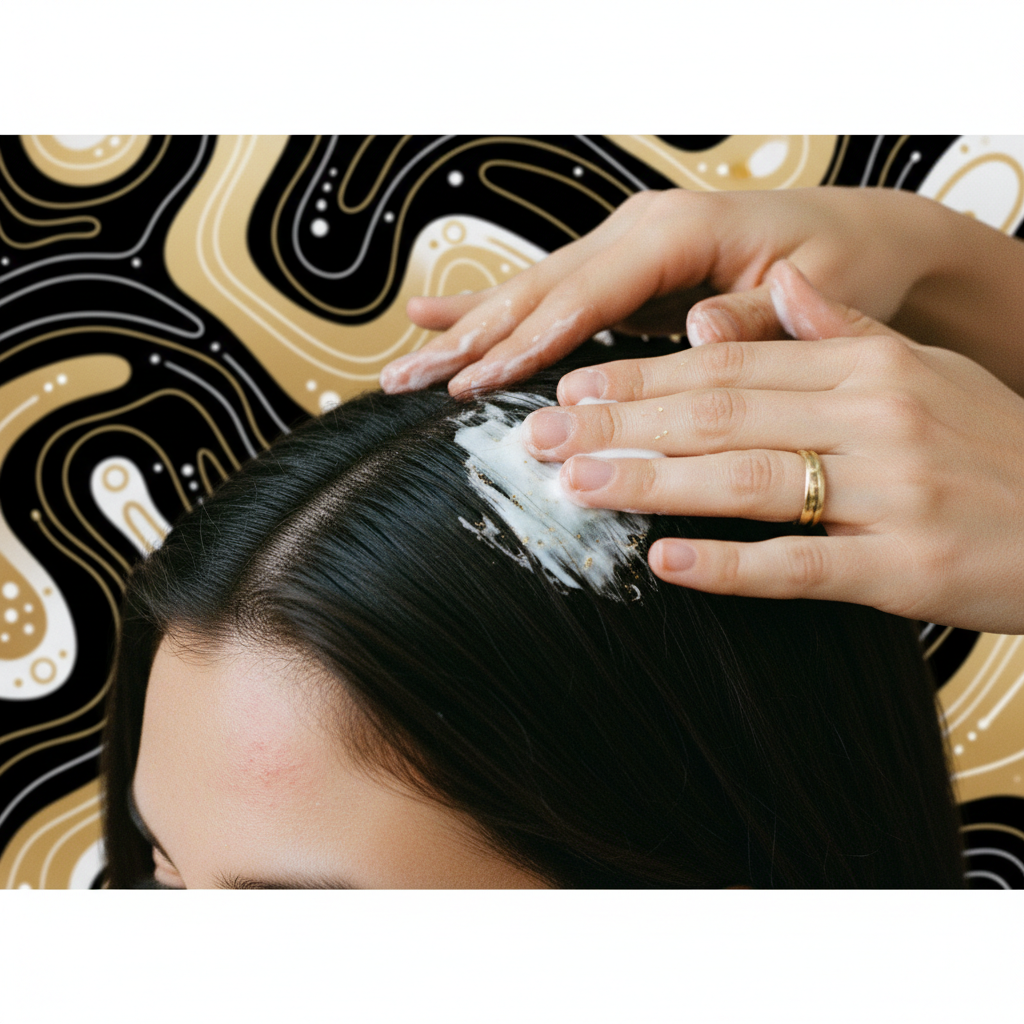
For seborrhoeic dermatitis and severe dandruff, evidence strongly supports antifungal agents. Malassezia species hydrolyse human sebum into unsaturated free fatty acids (like oleic acid), which breach the stratum corneum and spark an inflammatory cascade. Double-blind trials confirm that ketoconazole 2% shampoo used twice weekly significantly reduces erythema, scaling, and pruritus within 4 weeks. Ciclopirox olamine (1%) and zinc pyrithione also demonstrate robust antimicrobial and secondary anti-inflammatory activity.
When the inflammation stems from psoriasis or eczema, topical corticosteroids represent the medical gold standard. High-potency formulations (such as clobetasol propionate 0.05%) suppress pro-inflammatory cytokines, halting rapid keratinocyte proliferation. For maintenance, topical calcineurin inhibitors (tacrolimus, pimecrolimus) provide steroid-sparing anti-inflammatory effects without thinning the epidermis.
In non-pathological or low-grade scalp irritation, cosmetic and botanical ingredients offer measurable symptomatic relief. Niacinamide (vitamin B3) increases ceramide synthesis, strengthening the scalp barrier against irritants. Rosemary leaf extract and tea tree oil have demonstrated mild antimicrobial and antioxidant properties in dermatological studies, though essential oils must always be diluted to avoid inducing contact dermatitis.
What the evidence does not show
The scientific literature reveals distinct boundaries regarding what non-prescription Scalp Inflammation Treatments can achieve:
- Shampoos cannot reverse scarring alopecia: Cosmetic or over-the-counter anti-dandruff washes cannot halt autoimmune conditions like frontal fibrosing alopecia or lichen planopilaris. These conditions require systemic immunomodulators or intralesional steroid injections administered by a dermatologist.
- Natural oils do not automatically heal inflammation: Applying heavy plant oils (such as coconut or olive oil) to an inflamed scalp often worsens seborrhoeic dermatitis. Malassezia yeasts consume lipid chains between 11 and 24 carbons long, using the oil as metabolic fuel to proliferate further.
- Exfoliating scrubs do not cure the underlying cause: Physical scalp scrubs can strip visible flakes, but aggressive mechanical friction disrupts the fragile epidermal barrier, worsening tissue swelling and micro-tears.
- Inflammation reduction does not guarantee immediate hair regrowth: Calming active inflammation restores the follicular microenvironment, but telogen hair sheds that were triggered months prior will still shed over their biological 2 to 4 month cycle.
Biological mechanisms of scalp inflammation
Inflammation around the hair follicle follows a defined cellular pathway. When triggered by microbial metabolites, contact allergens, or autoimmune antigens, epidermal cells release danger signals, primarily interleukin-1 alpha (IL-1α).
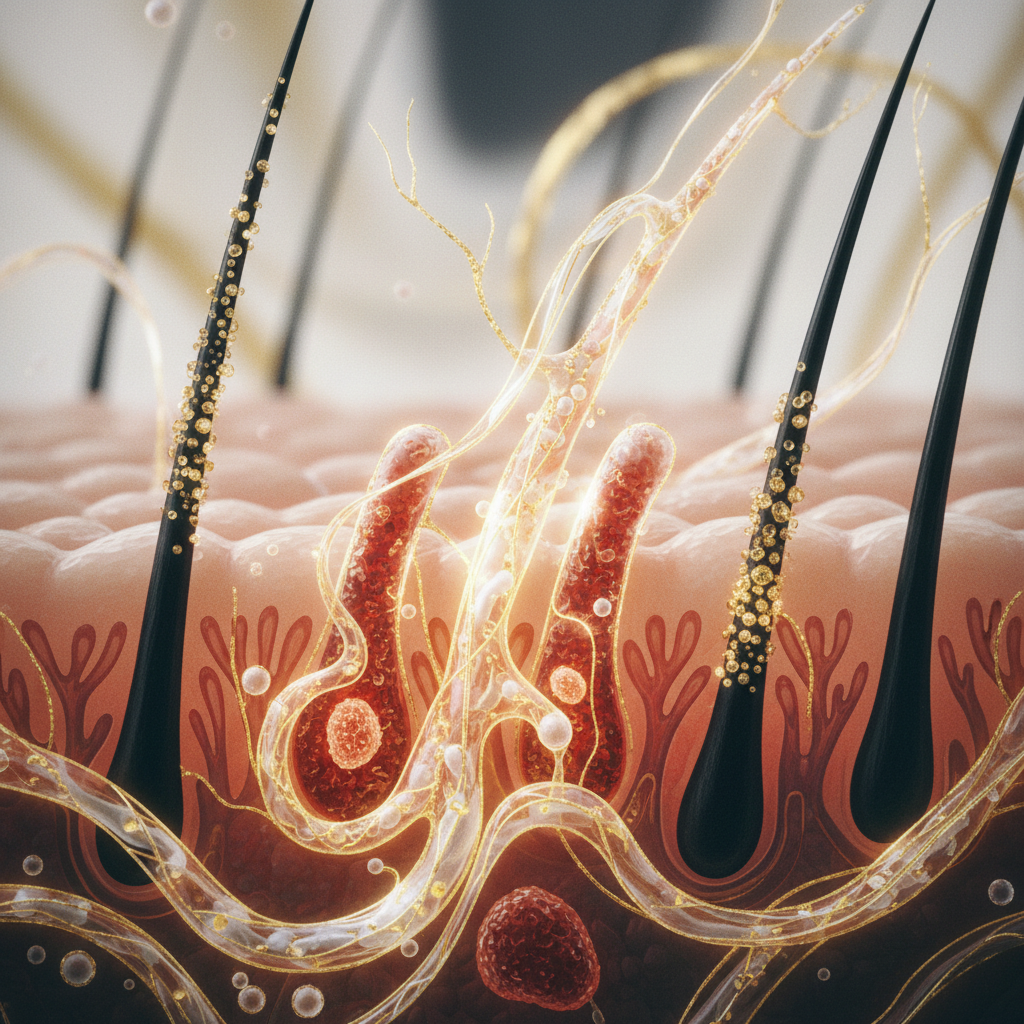
This initial signal recruits neutrophils and lymphocytes to the infundibulum (the upper portion of the hair follicle). Capillaries dilate to deliver immune cells, producing the classic visible redness (erythema) and heat. The subsequent release of histamine and prostaglandins irritates local sensory nerve fibres, triggering persistent pruritus (itching).
If the inflammatory infiltrate reaches the deeper follicular bulge, where epithelial stem cells reside, the consequences escalate. In non-scarring inflammation (such as telogen effluvium driven by seborrhoeic dermatitis), the follicle is prematurely forced from the anagen (growth) phase into catagen (regression) and telogen (resting), leading to diffuse hair shedding. In primary cicatricial (scarring) alopecias, the immune cells destroy the stem cells permanently, replacing the follicle with fibrous scar tissue.
Primary signs to look for
Identifying the specific presentation of scalp inflammation helps determine whether home management or clinical intervention is appropriate:
- Erythema: Diffuse pinkness or bright red patches across the scalp skin, often concentrated along the hairline, crown, or behind the ears.
- Scaling and flaking: Greasy, yellowish crusts indicate seborrhoeic dermatitis; thick, silvery plaques point to scalp psoriasis; fine, dry white flakes suggest barrier dehydration or mild pityriasis capitis.
- Sensory symptoms: Constant itching, burning, soreness, or trichodynia (a painful sensation when moving the hair).
- Pustules and papules: Red bumps or pus-filled lesions around hair follicles, characteristic of folliculitis.
- Follicular hyperkeratosis: Spiny plugs or redness ringing individual hair follicles, frequently seen in lichen planopilaris.
Comparison of Scalp Inflammation Treatments
| Treatment Type | Active Ingredients | Primary Mechanism | Best Suited For | Key Limitations |
|---|---|---|---|---|
| Antifungal Shampoos | Ketoconazole (1% to 2%), Ciclopirox olamine | Reduces Malassezia population; inhibits fungal ergosterol synthesis | Seborrhoeic dermatitis, severe pityriasis capitis | Can dry hair fibres; requires 3 to 5 minutes contact time |
| Topical Corticosteroids | Clobetasol, Betamethasone, Hydrocortisone | Suppresses cytokine production, constricts microvessels | Scalp psoriasis, severe eczema, lichen planopilaris | Risk of skin thinning, telangiectasia, and rebound flares with overuse |
| Keratolytic Agents | Salicylic acid (2% to 3%), Coal tar | Breaks intercellular desmosomes to lift stubborn scale | Psoriatic plaques, thick seborrhoeic crusts | Potential irritation on open skin; tar has distinct odour and stains |
| Barrier Support & Botanicals | Niacinamide, Allantoin, Aloe vera, Rosemary | Calms nerve reactivity, aids ceramide production, soothes skin | Mild cosmetic irritation, post-wash dryness, tight scalp | Insufficient for autoimmune or heavy fungal conditions |
What you can do: evidence-based home care
For mild to moderate irritation, a structured daily regimen helps support the scalp barrier and restore calm:
- Lower your wash water temperature: Hot water strips protective epidermal lipids and increases cutaneous blood flow, intensifying itching. Wash with lukewarm water (roughly 37°C to 38°C).
- Optimise product contact time: When using medicated or therapeutic anti-inflammatory shampoos, allow the lather to rest on the scalp for 3 to 5 minutes before rinsing. Rinsing immediately prevents the active compounds from penetrating the follicular ostia.
- Use a pH-balanced shampoo: Choose formulations buffered to a pH between 4.5 and 5.5. Alkaline cleansers disrupt the acid mantle, elevating trans-epidermal water loss and leaving the skin vulnerable to microbial colonization.
- Avoid known contact sensitisers: Eliminate products containing high concentrations of synthetic fragrance, methylisothiazolinone, or harsh simple alcohols (such as alcohol denat), which frequently trigger allergic contact dermatitis.
- Dry your scalp thoroughly: Leaving wet hair piled in a towel creates a warm, humid microclimate that accelerates fungal multiplication. Gently blow-dry the root area on a cool or low-heat setting.
When the cause may be something else
Not all scalp irritation is an isolated dermatological disorder. Systemic and external factors can mimic basic inflammatory diseases:
- Contact dermatitis: An allergy to paraphenylenediamine (PPD) in hair dyes or cocamidopropyl betaine in cleansers produces sudden, intense swelling and weeping lesions.
- Traction and mechanical stress: Tight hairstyles (braids, ponytails, extensions) cause mechanical inflammation around follicles, known as traction folliculitis, which can progress to traction alopecia.
- Nutritional and metabolic factors: Severe deficiencies in zinc, essential fatty acids, or vitamin D compromise epithelial integrity and immune regulation.
- Nerve hypersensitivity (trichodynia): Burning and scalp pain without visible redness or flakes often represents neuropathic dysregulation, frequently linked to stress, cervical spine issues, or systemic inflammation.
When to seek professional medical advice
Home management has strict boundaries. You should consult a GP, dermatologist, or qualified trichologist immediately if you experience:
- Patchy hair loss accompanied by scalp redness or follicular pustules.
- Intense pain, weeping discharge, or yellowish crusts that do not improve after 14 days of over-the-counter care.
- The appearance of smooth, shiny bald patches where hair follicular openings are no longer visible, indicating possible scarring alopecia.
- Symptoms spreading to the face, neck, or eyelids.
The Watermans perspective: supporting a calm scalp environment
Cosmetic haircare cannot replace prescription medical therapies, but daily hair washing habits directly influence scalp comfort. Watermans GrowMe Shampoo is formulated to maintain a clean, balanced scalp environment by clearing away oxidised sebum, grime, and environmental residue without stripping the barrier. Featuring botanical extracts, rosemary, niacinamide, and allantoin alongside gentle cleansing agents, it is formulated to keep the scalp feeling refreshed, calm, and hydrated. Maintaining a clean follicular environment supports stronger-feeling hair, reduces hair breakage along the shaft, and ensures the scalp remains an optimal foundation for healthy-looking hair.
Frequently asked questions about Scalp Inflammation Treatments
How long do Scalp Inflammation Treatments take to work?
Visible improvement depends entirely on the underlying cause. Medicated antifungal shampoos usually calm itching and reduce flaking within 1 to 2 weeks of consistent use, with full resolution of seborrhoeic flares taking 3 to 4 weeks. Prescription topical corticosteroids often relieve acute redness and swelling within 48 to 72 hours. However, chronic conditions like psoriasis or scarring alopecias require ongoing, medically supervised maintenance.
Can natural oils replace medicated Scalp Inflammation Treatments?
In most cases, no. While certain oils possess mild antimicrobial traits, applying carrier oils like coconut or olive oil directly to an inflamed scalp often exacerbates seborrhoeic dermatitis. Fungal organisms like Malassezia feed directly on fatty acids, accelerating their growth and worsening redness. Unrefined essential oils can also trigger severe allergic contact dermatitis if applied undiluted.
Does an inflamed scalp cause permanent hair loss?
Non-scarring inflammation, such as that caused by standard dandruff or seborrhoeic dermatitis, does not cause permanent hair loss. It can trigger temporary hair shedding (telogen effluvium) or increase hair breakage due to persistent scratching. However, autoimmune inflammatory conditions, such as lichen planopilaris or central centrifugal cicatricial alopecia, can permanently destroy follicular stem cells, resulting in irreversible scarring alopecia if left untreated.
How often should you wash your hair when treating scalp inflammation?
Most dermatologists recommend washing every 1 to 2 days during an active inflammatory flare involving seborrhoeic dermatitis or folliculitis. Infrequent washing allows sebum to accumulate, oxidise, and fuel fungal growth. Using a gentle, pH-balanced cleanser regularly removes inflammatory by-products and environmental irritants, protecting the skin barrier.
Summary
Managing a troubled scalp requires a precise approach. Applying the correct Scalp Inflammation Treatments means differentiating between fungal overgrowth, inflammatory dermatoses, and everyday cosmetic barrier damage. While targeted anti-inflammatory shampoos, keratolytic agents, and calming botanicals restore comfort and preserve hair fibre health, persistent redness, pustules, or hair thinning demand professional dermatological assessment before permanent follicular changes take hold.
Sources and references
- National Institute for Health and Care Excellence (NICE). Seborrhoeic dermatitis: Clinical knowledge summaries. 2022.
- British Association of Dermatologists (BAD). Lichen planopilaris guidelines and patient information. 2021.
- American Academy of Dermatology (AAD). Scalp psoriasis: Diagnosis and treatment. 2023.
- Journal of the European Academy of Dermatology and Venereology. Management of seborrhoeic dermatitis: a review. 2020. DOI: 10.1111/jdv.16294
- PubMed Central. The role of Malassezia in scalp inflammation and hair pathology. 2019. PMC6585834
Find these ingredients in Watermans products
- Zinc: you will find this ingredient in our Hair Vitamins.
- Oleic Acid: you will find this ingredient in our Camellia & Black Castor Hair & Body Oil.
- Niacinamide: you will find this ingredient in our Hair Mask.
- Aloe Vera: you will find this ingredient in our Curly Hair Conditioner.