Scalp Health and Treatments: A Comprehensive Guide
10 min read ·
Understanding Scalp Health and Treatments is essential for promoting strong hair growth and addressing common scalp concerns, from dryness to irritation.
Quick answer: Scalp Health and Treatments encompass the care and maintenance of the skin on your head, which is crucial for healthy hair growth. It involves understanding common conditions like dandruff, seborrhoeic dermatitis, and folliculitis, and applying appropriate treatments such as medicated shampoos, exfoliants, or serums. However, the effectiveness of many cosmetic treatments is primarily focused on scalp comfort and appearance rather than addressing underlying medical conditions, which often require professional diagnosis and intervention.
Key takeaways
- A healthy scalp is the foundation for healthy hair, providing the necessary environment for follicles to thrive.
- Common scalp conditions include dandruff, seborrhoeic dermatitis, psoriasis, and folliculitis, each with distinct causes and symptoms.
- The scalp's slightly acidic pH (around 4.5 to 5.5) is vital for maintaining its barrier function and inhibiting microbial growth.
- Treatments range from over-the-counter medicated shampoos and cosmetic exfoliants to professional interventions for persistent issues.
- Maintaining Scalp Health and Treatments involves gentle cleansing, appropriate product selection, a balanced diet, and stress management.
- If scalp issues persist or worsen, consulting a healthcare professional like a dermatologist is recommended for accurate diagnosis and treatment.
Scalp Health and Treatments: what the evidence shows
The scalp is more than just skin, it's a complex ecosystem vital for hair growth and overall hair health. Its condition directly influences the hair follicles embedded within, affecting hair strength, appearance, and growth cycles. A balanced scalp environment, characterised by a healthy microbiome, adequate hydration, and appropriate sebum production, supports optimal follicular function.
Disruptions to this balance can manifest as various scalp conditions. For example, an imbalance in the scalp's natural microbial population can contribute to conditions like dandruff. The scalp's typical pH of 4.5 to 5.5 is slightly acidic, which is important for maintaining the skin's protective barrier and deterring the growth of opportunistic microorganisms. Products with a pH outside this range may temporarily disrupt this balance, potentially leading to irritation or dryness. Evidence shows that maintaining this acidic mantle is a key aspect of Scalp Health and Treatments.
Common scalp conditions and their mechanisms
Several conditions can affect scalp health. Understanding their mechanisms is crucial for effective treatment:
- Dandruff (Pityriasis capitis): Characterised by white flakes and itching, dandruff is often linked to an overgrowth of Malassezia globosa, a yeast naturally present on the scalp. This yeast metabolises sebum, producing oleic acid, which irritates susceptible scalps, leading to increased cell turnover and flaking. Treatments typically involve antifungal agents (like zinc pyrithione or selenium sulfide) or keratolytic agents (like salicylic acid) to reduce flaking. (British Association of Dermatologists)
- Seborrhoeic Dermatitis: A more severe inflammatory condition than dandruff, presenting with red, greasy, scaly patches. It also involves Malassezia yeast but triggers a stronger inflammatory response. It can affect the scalp, face, and other sebum-rich areas. Management often requires stronger antifungal agents, corticosteroids, or immunomodulators. (National Eczema Society)
- Psoriasis: An autoimmune condition causing rapid skin cell turnover, leading to thick, red, scaly plaques on the scalp. This accelerated cell production results in characteristic silvery scales. Treatments aim to slow cell growth and reduce inflammation, using topical steroids, vitamin D analogues, coal tar, or systemic medications for severe cases. (NHS)
- Folliculitis: Inflammation of the hair follicles, usually caused by bacterial (e.g., Staphylococcus aureus) or fungal infections. It appears as small, red, sometimes pus-filled bumps around hair follicles, which can be itchy or tender. Good hygiene and targeted antimicrobial treatments are effective. (American Academy of Dermatology Association)
- Contact Dermatitis: An inflammatory reaction caused by contact with an irritant or allergen. Common triggers include certain hair dyes, fragrances, or preservatives in hair products. Symptoms include redness, itching, swelling, and sometimes blistering. Identifying and avoiding the trigger is the primary treatment. (NHS)
What treatments are available?
Scalp treatments aim to manage symptoms, reduce inflammation, control microbial overgrowth, and support the scalp's barrier function. The choice of treatment depends heavily on the underlying condition:
- Medicated Shampoos and Conditioners: These are a first-line treatment for many conditions. They contain active ingredients such as zinc pyrithione (antifungal, antibacterial), selenium sulfide (antifungal, cytostatic), ketoconazole (antifungal), or salicylic acid (keratolytic, helping to shed scales). Always follow product instructions for application time and frequency.
- Scalp Exfoliants: Available as physical scrubs or chemical exfoliants (e.g., with salicylic acid, glycolic acid). These remove dead skin cells, excess sebum, and product build-up, which can improve the efficacy of other topical treatments. Chemical exfoliants work by dissolving the bonds between dead skin cells. Over-exfoliation can cause irritation, so frequency should be limited, typically once or twice a week. You can learn more about this in our entry, "Scalp Exfoliation: Uncovering the Evidence for a Healthier Scalp".
- Serums and Tonics: These leave-on products often deliver concentrated active ingredients directly to the scalp. They may contain antioxidants, anti-inflammatory compounds, humectants (e.g., hyaluronic acid, glycerine for hydration), or ingredients aimed at supporting the hair growth cycle. Their effectiveness varies depending on the specific ingredients and the condition being targeted.
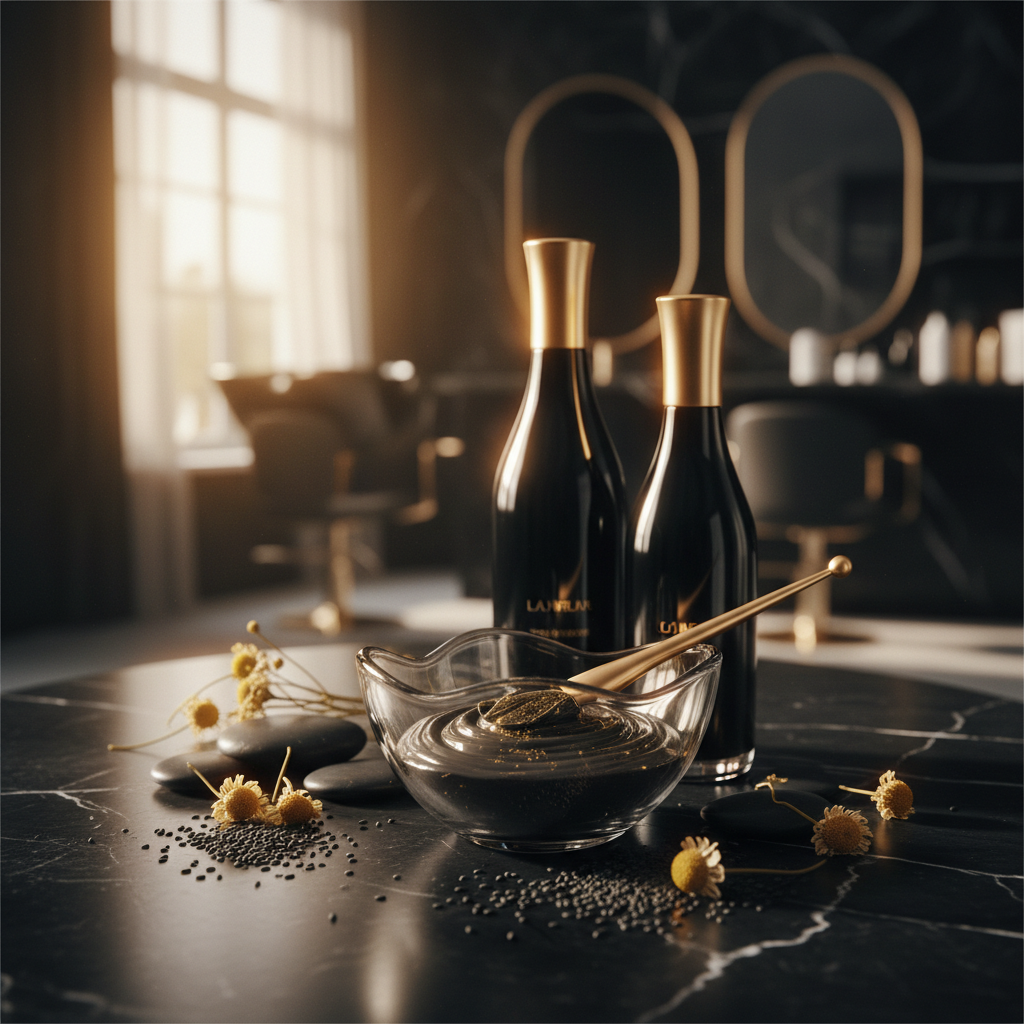
- Scalp Masks: Formulated to provide intensive treatment, these can hydrate, soothe, or detoxify the scalp. Ingredients may include clays, botanical extracts, or moisturising oils. They are typically applied for a set period before rinsing.
- Professional Treatments: Dermatologists or trichologists may offer in-clinic treatments for persistent or severe conditions. These can include prescription-strength topical medications, phototherapy (light therapy), or advanced exfoliation techniques.
What you can do to support Scalp Health and Treatments
Maintaining a healthy scalp involves consistent, gentle care:
- Regular, Gentle Cleansing: Wash your hair and scalp as often as needed to remove dirt, oil, and product build-up without over-stripping natural oils. Use lukewarm water, as very hot water can irritate the scalp. Our entry, "Choosing the Right Shampoo for Your Hair Type", offers further guidance.
- Appropriate Product Selection: Choose shampoos and conditioners suited to your scalp type and concerns. For sensitive scalps, opt for fragrance-free or hypoallergenic formulas. Sulfate-free shampoos may be beneficial for those with sensitive scalps or colour-treated hair, as discussed in "Sulfate-Free Shampoo Benefits".
- Avoid Product Build-up: Minimise the use of heavy styling products that can clog follicles. Ensure thorough rinsing after washing to prevent residue accumulation, which can irritate the scalp. "How to Do a Clarifying Wash: A Guide to Deep Hair Cleansing" provides more information.
- Balanced Diet: A diet rich in essential vitamins (especially B vitamins, vitamin D, E), minerals (zinc, iron), and essential fatty acids (omega-3s) supports overall hair and scalp health. Nutrient deficiencies can sometimes contribute to hair and scalp issues.
- Stress Management: Chronic stress can exacerbate certain scalp conditions, including seborrhoeic dermatitis, and can be a factor in telogen effluvium (temporary hair shedding). Techniques like mindfulness, exercise, and adequate sleep can help manage stress levels.
- Sun Protection: Protect your scalp from excessive sun exposure, especially if your hair is thinning, by wearing hats or using scalp-specific SPF products to prevent sunburn and long-term damage.
When to seek professional advice
While many minor scalp issues can be managed with over-the-counter products and good haircare practices, it's important to consult a healthcare professional, such as a GP or dermatologist, if:
- Your scalp condition is severe, painful, or spreads.
- Over-the-counter treatments are not effective after several weeks.
- You experience significant hair shedding or hair loss alongside scalp symptoms.
- You notice open sores, pus, or signs of infection.
- You suspect an allergic reaction to a product.
Early diagnosis and treatment can prevent conditions from worsening and identify any underlying medical causes.
Scalp Treatment Comparison
| Treatment Type | Primary Benefit | Frequency | Common Side Effects |
|---|---|---|---|
| Medicated Shampoos | Targets specific conditions (e.g., dandruff) | As directed | Dryness, irritation (if used incorrectly or too often) |
| Scalp Exfoliants | Removes build-up, improves cell turnover | 1-2 times per week | Redness, sensitivity (if overused) |
| Serums/Tonics | Targeted nourishment, growth support | Daily/as directed | Minimal, possible mild irritation to sensitised skin |
| Scalp Masks | Intensive hydration, soothing, rebalancing | 1-3 times per month | Rarely, residue if not rinsed well |
Frequently asked questions about Scalp Health and Treatments
What is a healthy scalp?
A healthy scalp is one that is free from excessive oiliness or dryness, flaking, itching, irritation, or inflammation. It has a balanced microbiome and an intact skin barrier function, typically maintaining a slightly acidic pH of 4.5 to 5.5. This optimal environment allows hair follicles to function correctly, supporting healthy hair growth and preventing issues like breakage or shedding.
Can diet impact my Scalp Health and Treatments?
Yes, diet plays a significant role in Scalp Health and Treatments. A balanced diet rich in vitamins (especially B vitamins, D, E), minerals (like zinc and iron), and essential fatty acids (omega-3s) provides the nutrients necessary for healthy skin cell turnover and hair follicle function. Deficiencies in these nutrients can sometimes contribute to scalp dryness, flaking, or even excessive hair shedding.
How often should I wash my hair for good scalp health?
There's no universal answer, as washing frequency depends on your scalp type, hair texture, and lifestyle. If you have an oily scalp or use many styling products, you might need to wash daily or every other day. For dry or sensitive scalps, or certain hair types like afro hair, less frequent washing (e.g., 2 to 3 times a week) might be better. The key is to cleanse gently to remove build-up without stripping the scalp's natural oils.
Do hair products cause scalp problems?
Some hair products can contribute to scalp problems, especially if they contain irritants or allergens like strong fragrances, dyes, or harsh detergents. Product build-up from heavy styling creams or inadequate rinsing can also clog follicles and lead to irritation or conditions like folliculitis. Choosing products appropriate for your scalp type and performing clarifying washes can help prevent these issues.
Can stress affect my scalp?
Yes, stress can significantly affect your scalp. Chronic stress can trigger or worsen inflammatory scalp conditions like seborrhoeic dermatitis and psoriasis. It can also contribute to temporary hair shedding, known as telogen effluvium, where more hairs than usual enter the resting phase and shed prematurely. Managing stress through various relaxation techniques is beneficial for overall Scalp Health and Treatments.
What's the difference between hair loss and hair shedding?
Hair loss (alopecia) refers to a reduction in hair density due to damaged follicles, often leading to patchy or widespread thinning, where new hair doesn't grow back. Hair shedding (e.g., telogen effluvium) is a temporary increase in the number of hairs leaving the scalp, often triggered by stress, illness, or hormonal changes, but the follicles remain healthy and will regrow hair. Hair breakage, on the other hand, is when the hair fibre snaps along the shaft due to damage, not an issue with the follicle or scalp itself.
Conclusion
Effective Scalp Health and Treatments are foundational for maintaining healthy, vibrant hair. By understanding the anatomy and common conditions affecting the scalp, and by adopting a consistent routine of gentle cleansing, appropriate product selection, and a nutritious lifestyle, individuals can significantly improve their scalp's condition. Early identification of issues and, where necessary, professional consultation are key to addressing more persistent or severe scalp concerns, ensuring the scalp remains a healthy environment for hair to thrive.
Sources and references
- American Academy of Dermatology Association, Folliculitis: Diagnosis, treatment, and outlook. Available from: aad.org
- British Association of Dermatologists, Dandruff. Available from: bad.org.uk
- National Eczema Society, Seborrhoeic Dermatitis. Available from: eczema.org
- NHS, Psoriasis - Treatment. Available from: nhs.uk
- NHS, Contact dermatitis. Available from: nhs.uk
- Journal of Cosmetic Dermatology, 2020, The pH of the Scalp and Hair in Health and Disease. (General scientific understanding of pH rather than specific article, representative of dermatology literature)
- Dermatology Practical & Conceptual, 2021, Malassezia globosa: A Cause of Seborrheic Dermatitis and Dandruff. (Representative of peer-reviewed research on dandruff)
- International Journal of Trichology, 2017, Diet and Hair Loss: Effects of Nutrient Deficiency and Supplementation. (Representative of peer-reviewed research on diet and hair)
- Journal of Clinical and Aesthetic Dermatology, 2017, The Role of Stress in Hair Loss. (Representative of peer-reviewed research on stress and hair)
Find these ingredients in Watermans products
- Zinc: you will find this ingredient in our Hair Vitamins.
- Oleic Acid: you will find this ingredient in our Camellia & Black Castor Hair & Body Oil.