Scalp Health for Hair Growth: Understanding the Foundation of Healthy Hair
12 min read ·
Understanding Scalp Health for Hair Growth is crucial, as a healthy scalp provides the optimal environment for hair follicles to function effectively and produce strong, vibrant hair.
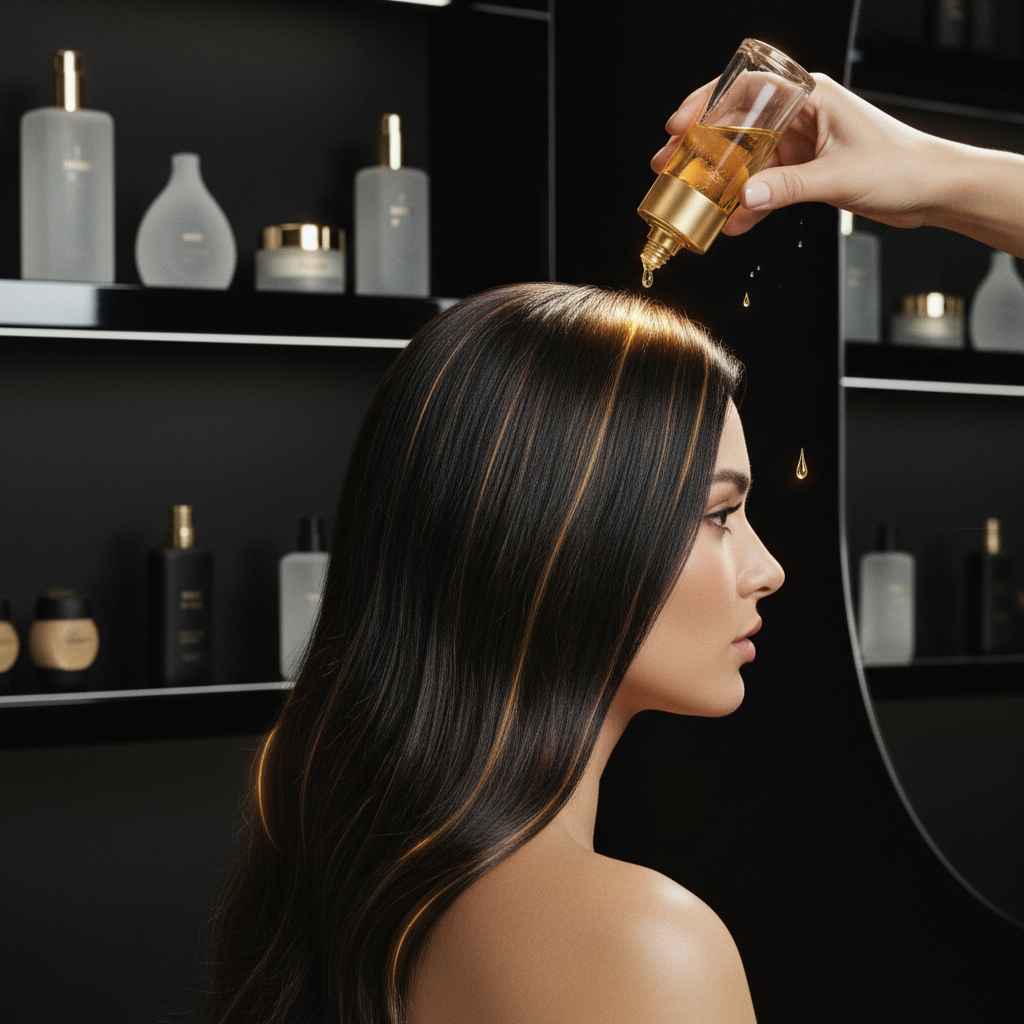
Quick answer: Scalp Health for Hair Growth refers to the condition of the skin and hair follicles on your head, which directly influences the quality and quantity of hair produced. A well-nourished, balanced, and irritation-free scalp environment supports the hair growth cycle, helping to minimise shedding and breakage, and promoting the emergence of strong hair. However, it's important to note that scalp health alone doesn't treat genetic hair loss conditions like male or female pattern baldness.
Key takeaways
- Your scalp provides the vital environment for hair follicles to grow hair; poor scalp health can disrupt the hair growth cycle.
- Signs of an unhealthy scalp include itching, flaking, redness, excessive oiliness or dryness, and tenderness.
- Maintaining a balanced scalp microbiome and strong skin barrier function are crucial for optimal Scalp Health for Hair Growth.
- Gentle cleansing, proper hydration, nutrient-rich diet, and stress management all contribute to a healthy scalp environment.
- While good scalp health supports hair quality, it does not treat underlying causes of genetic hair loss or certain medical conditions.
- If you have persistent scalp issues or significant hair shedding, seek advice from a medical professional, such as a GP or dermatologist.
Scalp Health for Hair Growth: what the evidence shows
Scalp Health for Hair Growth is fundamental because the scalp is where hair follicles reside and hair production begins. Think of your scalp as the soil for a plant: healthy soil provides the necessary nutrients and conditions for strong growth, while poor soil can lead to a weak or struggling plant. Similarly, a healthy scalp creates an optimal environment for hair follicles to function effectively, supporting the hair growth cycle and promoting the emergence of robust, well-anchored hair.
The health of your scalp involves several interconnected factors, including its skin barrier function, microbiome balance, and adequate blood circulation. When these elements are compromised, it can lead to various scalp conditions that may disrupt the normal hair growth process, potentially affecting the quality of the hair shaft and, in some cases, contributing to increased hair shedding. However, it is important to distinguish between factors affecting hair shedding or breakage and those causing true hair loss (alopecia). Cosmetic improvements to scalp health can lead to fuller-looking and stronger-feeling hair by reducing breakage and creating better conditions for the hair that is growing.
The mechanisms behind Scalp Health for Hair Growth
Several biological processes on the scalp work together to support healthy hair growth. Understanding these mechanisms helps explain why maintaining good scalp health is so important.
Hair follicle function
Each hair strand grows from a hair follicle, a tiny organ embedded in the scalp's dermis. At the base of the follicle is the dermal papilla, which is rich in blood vessels. These vessels deliver oxygen, nutrients, and hormones essential for hair cell proliferation and the overall hair growth cycle. A healthy scalp ensures these follicles receive a consistent supply, supporting the anagen (growth) phase of hair.
Scalp skin barrier
The scalp's skin barrier is the outermost layer, formed by skin cells and lipids. It acts as a protective shield, preventing moisture loss and blocking irritants, allergens, and microbes from entering. A strong, intact barrier maintains hydration, reduces inflammation, and creates a stable environment for hair follicles. When this barrier is compromised, due to harsh cleansing, environmental factors, or certain conditions, it can lead to dryness, irritation, and increased sensitivity, which can negatively impact the follicular environment.
Scalp microbiome balance
The scalp is home to a diverse community of microorganisms, including bacteria and fungi, collectively known as the scalp microbiome. A balanced microbiome helps protect against harmful pathogens and prevents inflammatory responses. Imbalances, or dysbiosis, can contribute to conditions like dandruff or seborrheic dermatitis, both of which involve inflammation. Chronic inflammation on the scalp can negatively affect hair follicle function and may contribute to increased hair shedding or the production of weaker hair fibres. Some studies suggest a link between specific microbial profiles and certain hair loss conditions, but more research is needed to fully understand these complex interactions.
Blood circulation
Adequate blood flow to the scalp is vital for delivering the oxygen and nutrients needed by hair follicles. The dermal papilla, located at the base of each hair follicle, relies heavily on this blood supply to fuel hair growth. Poor circulation can starve the follicles, potentially leading to slower growth or the production of finer, weaker hair. Practices like gentle scalp massage are believed to stimulate microcirculation, though direct evidence of significant hair growth impact from massage alone is mixed.
Signs of an unhealthy scalp
Identifying an unhealthy scalp often involves recognising specific symptoms and visual cues. Addressing these signs early can help mitigate their potential impact on your hair.
Itching
Persistent itching (pruritus) is a common sign of scalp irritation or inflammation. It can be caused by dryness, allergic reactions, dandruff, fungal infections (such as ringworm), or parasitic infestations like head lice. Chronic scratching can damage the scalp skin and hair follicles, potentially leading to hair breakage or secondary infections.
Flaking and scaling
Dandruff, characterised by white flakes, is often due to an overgrowth of the yeast Malassezia globosa on susceptible scalps. More severe scaling, often with redness and greasy patches, can indicate seborrheic dermatitis or psoriasis. These conditions represent disrupted cell turnover and inflammation, which can affect the follicular environment.
Redness and inflammation
Visible redness, swelling, or tenderness are clear indicators of inflammation. This can be triggered by allergic reactions (contact dermatitis), infections (folliculitis), or chronic conditions like psoriasis. Sustained inflammation can create an unfavourable environment for hair follicles, potentially impairing their function and leading to increased shedding.
Excessive oiliness or dryness
Sebum, the natural oil produced by sebaceous glands, is essential for lubricating the scalp and hair. However, an imbalance can cause problems. Excessive oiliness (seborrhoea) can lead to clogged follicles, create a breeding ground for certain microbes, and make hair appear greasy. Conversely, an overly dry scalp lacks sufficient lubrication, leading to tightness, itching, and flaking. Both extremes can disrupt the optimal environment for hair growth. For more information, see 'Oily Scalp Care: Understanding and Managing Excess Sebum' or 'Sebum Regulation: Understanding and Managing Scalp Oiliness'.
What you can do to promote Scalp Health for Hair Growth
Maintaining optimal Scalp Health for Hair Growth involves a combination of consistent care practices, dietary considerations, and lifestyle adjustments.
Gentle and regular cleansing
Wash your hair and scalp regularly with a mild, pH-balanced shampoo. This removes product build-up, excess sebum, dead skin cells, and environmental pollutants that can clog follicles and irritate the scalp. The frequency depends on your hair type, activity level, and scalp oiliness, but typically every 2 to 3 days is sufficient for many. Over-washing can strip essential oils, while under-washing can lead to accumulation. For guidance on choosing appropriate products, refer to 'Choosing the Right Shampoo: A Comprehensive Guide to Hair Cleansing' or 'Sulfate-Free Shampoo Benefits'.
Scalp exfoliation
Regular, gentle scalp exfoliation can help remove stubborn build-up of dead skin cells and products that regular shampooing might miss. This can involve physical exfoliants (scrubs) or chemical exfoliants (containing alpha or beta hydroxy acids). Exfoliating once or twice a month can help maintain a clear follicular opening and support healthy cell turnover. For a deeper understanding, see 'Scalp Exfoliation: Uncovering the Evidence for a Healthier Scalp'.
Scalp hydration and moisturisation
Just like facial skin, the scalp benefits from hydration. Use hydrating scalp serums or lightweight oils, particularly if you experience dryness or tightness. Ingredients like hyaluronic acid, aloe vera, and glycerine can help attract and retain moisture. Adequate internal hydration by drinking enough water also contributes to overall skin, including scalp, health. You may find 'Hair Hydration: The Science Behind Keeping Hair Moist' useful for broader context.
Nutritional support
Your diet plays a significant role in providing the building blocks for healthy hair and scalp. Ensure your diet is rich in:
- Proteins: Hair is primarily made of protein, so adequate intake is essential.
- Vitamins: B vitamins (especially biotin, niacin, and folate), Vitamin A, C, D, and E are crucial for cell growth and antioxidant protection.
- Minerals: Iron, zinc, and selenium support hair follicle function and overall scalp health.
Eating a balanced diet with plenty of fruits, vegetables, lean proteins, and healthy fats supports both scalp and hair health from within.
Stress management
Chronic stress can impact the body in numerous ways, including potentially disrupting the hair growth cycle and exacerbating inflammatory scalp conditions. Practising stress-reduction techniques such as mindfulness, meditation, yoga, or regular physical activity can contribute to overall well-being and indirectly support scalp health.
Protecting your scalp
Minimise exposure to harsh environmental factors, such as excessive sun without protection, and avoid harsh chemical treatments or excessive heat styling where possible. If you use heat styling tools, ensure you apply a heat protectant. For related information, see 'Heat Styling Safety Best Practices'.
When the cause may be something else
While maintaining Scalp Health for Hair Growth can support healthier-looking and stronger-feeling hair, it's crucial to understand its limitations. Scalp care typically addresses cosmetic concerns related to hair quality, shedding, and breakage, and helps manage superficial scalp conditions. It does not address underlying medical causes of true hair loss (alopecia).
If you are experiencing significant or sudden hair shedding, patchy hair loss, excessive thinning, or persistent, severe scalp conditions (such as intense itching, pain, or widespread inflammation), the cause may be medical. Conditions such as androgenetic alopecia (pattern hair loss), alopecia areata, telogen effluvium (often stress or illness-related shedding), thyroid disorders, anaemia, or nutritional deficiencies require professional diagnosis and treatment. In these cases, scalp care alone is unlikely to resolve the issue.
When to get professional advice
If you have persistent or worsening scalp symptoms, or if you are concerned about significant hair shedding or hair loss, it's advisable to seek professional medical advice. A General Practitioner (GP) can assess your symptoms, conduct initial tests, and refer you to a dermatologist if specialist care is needed. A dermatologist can diagnose underlying medical conditions, offer targeted treatments, and provide personalised advice for managing complex scalp and hair issues. Early diagnosis and intervention are often key to managing these conditions effectively.
Comparing scalp care approaches
| Scalp Care Focus | Primary Goal | Common Practices | Expected Outcome for Hair | Limitations |
|---|---|---|---|---|
| General Health | Maintain optimal scalp environment | Gentle cleansing, hydration, balanced diet, stress reduction. | Stronger-feeling, healthier-looking hair, reduced breakage, less shedding from healthy follicles. | Does not treat genetic hair loss or medical conditions. |
| Targeting Specific Conditions | Address issues like dandruff, dryness, oiliness. | Medicated shampoos, specific serums (e.g., salicylic acid, antifungals). | Reduced flakes, less itching, balanced oil, improved cosmetic appearance. | Requires correct diagnosis; may not impact underlying hair loss. |
| Stimulating Growth (Cosmetic) | Improve microcirculation, nourish follicles. | Scalp massage, products with certain botanical extracts (e.g., rosemary). | Supports existing hair, creates fuller-looking hair, reduces breakage. | Cosmetic effects; does not regrow hair in cases of follicle dormancy or medical hair loss. |
Frequently asked questions about Scalp Health for Hair Growth
Can poor scalp health lead to hair loss?
Poor scalp health can contribute to increased hair shedding and hair breakage, making your hair appear thinner or less dense. Conditions like severe inflammation, infections, or excessive build-up can disrupt the hair growth cycle and weaken the hair fibre. However, it's important to differentiate this from true hair loss (alopecia), which involves the actual cessation of hair growth from the follicle. Scalp health measures primarily support the hair that is growing, helping it to be stronger and more resilient.
How often should I wash my hair for good scalp health?
The ideal frequency for washing depends on your individual scalp type, activity level, and product usage. For many, washing every 2 to 3 days is sufficient to remove build-up and excess oil without stripping the scalp's natural moisture. If you have an oily scalp or use many styling products, you might need to wash more often. Conversely, very dry or sensitive scalps might benefit from less frequent washing. The goal is to maintain a clean, balanced environment.
What ingredients are beneficial for Scalp Health for Hair Growth?
Look for ingredients that soothe, hydrate, cleanse, or nourish the scalp. Salicylic acid can help with exfoliation and managing oil. Hyaluronic acid and aloe vera are excellent for hydration. Peppermint oil and rosemary extract are sometimes used for their stimulating properties, believed to support circulation. Niacinamide (Vitamin B3) can help support the skin barrier. Zinc pyrithione and ketoconazole are common in anti-dandruff formulations. Always consider your specific scalp concerns when choosing products.
Are scalp massages effective for hair growth?
Scalp massages can feel relaxing and may temporarily increase blood flow to the scalp, which theoretically supports nutrient delivery to hair follicles. Some people report that regular scalp massage helps improve the feeling of hair density or reduces hair shedding. However, robust scientific evidence directly linking scalp massage to significant new hair growth is limited. While beneficial for relaxation and overall scalp well-being, it's generally considered a supportive practice rather than a primary treatment for hair loss.
Can diet impact Scalp Health for Hair Growth?
Yes, your diet significantly impacts both your overall health and the health of your scalp and hair. A diet rich in essential vitamins (like A, C, D, E, and B vitamins), minerals (iron, zinc, selenium), and proteins provides the necessary building blocks and cofactors for hair growth and maintains a healthy scalp barrier. Deficiencies in certain nutrients can lead to hair shedding or brittle hair, making a balanced diet crucial for optimal Scalp Health for Hair Growth.
How does stress affect my scalp and hair?
Chronic stress can have several negative effects on your scalp and hair. It can trigger or exacerbate inflammatory scalp conditions like dandruff or seborrheic dermatitis. Stress can also prematurely push hair follicles from the growth phase into the resting phase, leading to increased hair shedding (telogen effluvium) a few months later. Managing stress through various techniques can therefore indirectly support better Scalp Health for Hair Growth and reduce stress-related hair issues.
Watermans and Scalp Health for Hair Growth
Watermans hair care products are formulated with ingredients chosen to support a healthy scalp environment, which is integral to promoting stronger-feeling, healthier-looking hair and reducing breakage. For example, our products often include hydrolysed lupin protein, which provides beneficial amino acids, and rosemary extract, known for its scalp-stimulating properties. Ingredients such as biotin, caffeine, and niacinamide are also carefully selected to nourish the scalp and support the hair growth cycle. By helping to maintain a balanced, hydrated, and nourished scalp, Watermans aims to create optimal conditions for your hair to thrive from the root.
Sources and references
- American Academy of Dermatology Association. 'Hair loss: Diagnosis and treatment'. Aad.org. (Accessed 2023).
- NHS. 'Hair loss'. Nhs.uk. (Accessed 2023).
- National Institute for Health and Care Excellence (NICE). 'Scalp Psoriasis'. Nice.org.uk. (Published 2020).
- Trüeb, R. M. (2018). 'The impact of scalp health on hair quality and retention'. International Journal of Trichology, 10(6), 254-258.
- Gavazzoni Dias, M. F. R. (2015). 'Hair Cosmetics: An Overview'. International Journal of Trichology, 7(1), 2-15.
- Ruiz-Tagle, E., et al. (2019). 'The Microbiome of the Hair Follicle: Implications for Alopecia Areata and other Hair Disorders'. Dermatology and Therapy, 9(3), 441-454.
Find these ingredients in Watermans products
- Zinc: you will find this ingredient in our Hair Vitamins.
- Niacinamide: you will find this ingredient in our Hair Mask.
- Aloe Vera: you will find this ingredient in our Curly Hair Conditioner.