Scalp Care for Healthy Hair: An Evidence-Based Guide
10 min read ·
Effective Scalp Care for Healthy Hair is fundamental for supporting hair growth and maintaining overall hair vitality, focusing on the skin of the head.
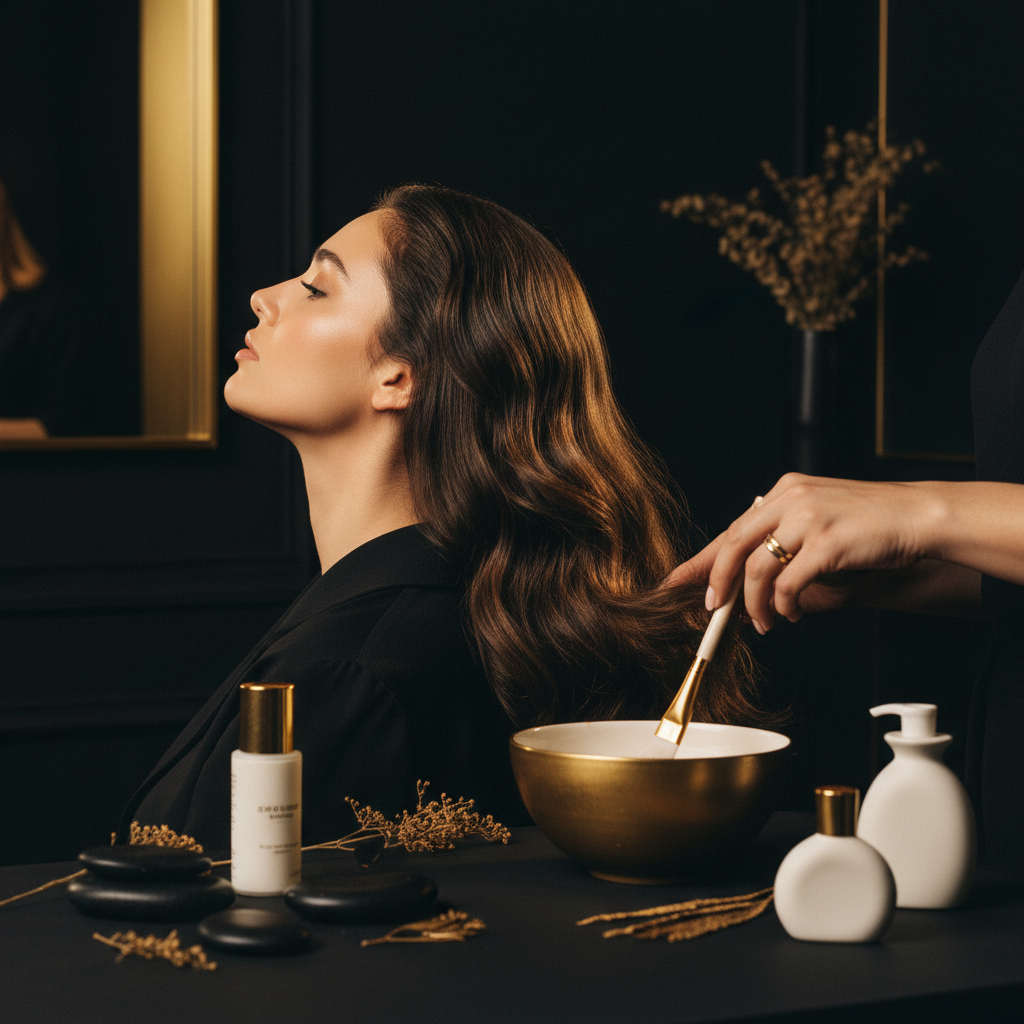
Quick answer: Effective Scalp Care for Healthy Hair is the practice of maintaining the health of the skin on your head, which provides the foundation for robust hair growth. It involves gentle cleansing, appropriate moisturising, and addressing specific conditions like dandruff or excess oil to support optimal follicular function and hair fibre quality. While good scalp care can significantly improve the appearance and feel of your hair, it's important to understand that it does not treat genetic or autoimmune forms of hair loss (alopecia).
Key takeaways
- Your scalp is living skin, and its health directly influences the condition and growth of your hair.
- Good scalp care involves gentle cleansing, proper hydration, and managing common conditions like dryness or excess oil.
- A healthy scalp environment promotes stronger-feeling hair, reduces breakage, and can contribute to a fuller-looking mane.
- Recognise common scalp concerns such as dandruff, seborrhoeic dermatitis, and dry scalp, and address them appropriately.
- When experiencing persistent irritation, significant hair shedding, or changes in scalp condition, seek advice from a medical professional.
Scalp Care for Healthy Hair: What the evidence shows
Scalp Care for Healthy Hair focuses on creating an optimal environment for hair follicles, which are the root of every hair strand. Just like healthy soil supports plant growth, a healthy scalp supports the growth of strong, resilient hair fibres. The skin on your head is rich in hair follicles, sebaceous glands, and a complex microbiome, all working together.
Evidence shows that maintaining a balanced scalp environment can help prevent issues that compromise hair quality. Disruptions to this balance, such as inflammation, excessive oiliness, or dryness, can affect the hair growth cycle and the structural integrity of the hair as it emerges. For instance, a scalp suffering from conditions like seborrhoeic dermatitis can lead to increased shedding or hair breakage due to inflammation affecting the follicle.
The mechanism: How scalp health impacts hair
Your scalp functions as the growth bed for your hair. Each hair grows from a follicle embedded in the dermis layer of the scalp. These follicles are nourished by blood vessels, which supply essential nutrients and oxygen. Sebaceous glands, also within the scalp, produce sebum, a natural oil that lubricates the skin and hair, providing a protective barrier.
- Nutrient Supply: Healthy blood flow to the scalp ensures follicles receive the necessary nutrients for robust hair production. Poor circulation can potentially hinder this process.
- Sebum Balance: Sebum is crucial for conditioning hair and protecting the scalp. However, an imbalance (either too much or too little) can lead to issues. Excess sebum can trap dead skin cells and become a food source for microbes like Malassezia, contributing to dandruff and seborrhoeic dermatitis. Insufficient sebum can lead to a dry, irritated scalp.
- Microbiome Harmony: The scalp hosts a diverse community of microorganisms. A balanced microbiome is essential; an overgrowth of certain microbes can lead to inflammation and scalp conditions.
- Inflammation: Chronic inflammation on the scalp, often triggered by microbial imbalances, allergies, or certain skin conditions, can negatively impact hair follicles. Inflammation can disrupt the hair growth cycle, potentially leading to increased shedding (telogen effluvium) or, in severe cases, follicle damage.
Signs of an unhealthy scalp to look for
Recognising the signs of an unbalanced scalp is the first step towards effective Scalp Care for Healthy Hair. Look out for:
- Itching: Persistent itching is a common symptom of various scalp issues, from dryness to inflammatory conditions. Itching can also lead to scratching, which can damage the scalp and hair follicles.
- Flaking: This can indicate a dry scalp (fine, white flakes) or dandruff/seborrhoeic dermatitis (larger, often yellowish or greasy flakes). (See the "Dandruff: Causes and Treatments Explained" sibling article).
- Redness or Irritation: Visible redness, inflammation, or a burning sensation can point to underlying skin conditions, infections, or sensitivities to products.
- Excessive Oiliness: An overproduction of sebum can leave hair feeling greasy quickly and may contribute to microbial overgrowth. (See "Oily Scalp Care: Understanding and Managing Excess Sebum").
- Dryness and Tightness: A feeling of tightness or a lack of suppleness in the scalp skin often signals insufficient moisture.
- Pain or Tenderness: Localised pain or sensitivity to touch can indicate inflammation, infection, or other issues requiring attention.
What you can do for better Scalp Care for Healthy Hair
Good Scalp Care for Healthy Hair involves a regular routine tailored to your scalp's specific needs. Here are key practices:
- Gentle Cleansing: Wash your hair and scalp regularly, but not excessively, using a mild shampoo. The frequency depends on your scalp type and activity level. Aim to remove product build-up, excess oil, and environmental pollutants without stripping the scalp of its natural moisture. For those with afro, curly, or wavy hair, co-washing (using conditioner to cleanse) can be an effective way to maintain moisture while still cleaning the scalp.
- Appropriate Conditioning: Apply conditioner primarily to the hair lengths, but ensure some is rinsed through the scalp to help maintain its hydration without weighing down the roots. (See "The Science of Conditioners: How Hair Care Formulations Work").
- Massage: Gentle scalp massage during shampooing can help stimulate blood circulation to the follicles and can feel relaxing.
- Targeted Treatments: Use products designed to address specific concerns like dryness, oiliness, or flaking. Ingredients like salicylic acid or zinc pyrithione can help with dandruff, while soothing ingredients like allantoin or aloe vera can calm irritation. (See "Anti-inflammatory Ingredients: Soothing Your Scalp for Healthier Hair").
- Moisturising: If your scalp is dry, consider using a lightweight, non-comedogenic scalp moisturiser or oil designed for scalp health. Humectants in hair products can help attract and retain moisture. (See "Humectants: Understanding How They Hydrate and Protect Your Hair").
- Avoid Harsh Products: Steer clear of products containing harsh sulfates, excessive alcohol, or strong fragrances if you have a sensitive scalp, as these can strip natural oils and cause irritation. (See "Sulfate-Free Shampoo Benefits").
- Heat Protection: When using heat styling tools, apply a heat protectant to your hair, and be mindful of direct heat on your scalp. (See "Heat Styling Safety Best Practices").
- Diet and Hydration: A balanced diet rich in vitamins, minerals, and essential fatty acids supports overall skin health, including your scalp. Staying well-hydrated is also beneficial.
Distinguishing Scalp Conditions and Their Hair Impact
Understanding the differences between common scalp conditions can help guide your Scalp Care for Healthy Hair routine.
| Condition | Primary Characteristics | Potential Impact on Hair | What to Do |
|---|---|---|---|
| Dry Scalp | Itchiness, tightness, fine white flakes | Can lead to dull-looking hair, increased breakage from scratching. | Use gentle, moisturising shampoos. Consider scalp moisturisers or oils. Avoid very hot water. |
| Dandruff | White, oily flakes, itchiness (often Malassezia) | Generally cosmetic; severe cases can cause temporary shedding or breakage from scratching. | Use shampoos containing zinc pyrithione, selenium sulfide, or salicylic acid. Wash regularly. (See "Dandruff: Causes and Treatments Explained") |
| Seborrhoeic Dermatitis | Red, greasy patches, yellowish scales, intense itch | Can lead to increased shedding or breakage due to inflammation affecting follicles. | Medicated shampoos (antifungals, corticosteroids). Professional advice often needed for persistent cases. |
| Oily Scalp | Rapidly greasy hair, heavy feeling, sometimes odour | Can weigh hair down, make it look lank, potentially clog follicles. | Use clarifying shampoos or products formulated for oily scalps. Wash regularly but not excessively. Avoid heavy conditioners on the scalp. (See "Oily Scalp Care: Understanding and Managing Excess Sebum") |
| Scalp Psoriasis | Thick, silvery scales, red patches, intense itch | Localised hair shedding or breakage in affected areas; usually regrows. | Medicated treatments (corticosteroids, vitamin D analogues). Consult a dermatologist for diagnosis and management. |
When the cause may be something else and when to get professional advice
While proper Scalp Care for Healthy Hair can address many common issues, some hair and scalp concerns stem from deeper causes that require professional medical attention.
When to seek professional advice:
- Persistent Symptoms: If itching, flaking, redness, or irritation doesn't improve with over-the-counter treatments and consistent care after a few weeks.
- Significant Hair Shedding or Loss: If you notice a sudden increase in hair shedding, patches of hair loss (alopecia), or thinning that is concerning. Scalp care alone cannot treat genetic or autoimmune forms of hair loss, such as androgenetic alopecia or alopecia areata. (See "Hair Loss: Understanding Types and Causes" or "Telogen Effluvium: Causes and Management" for more information on hair loss vs. shedding).
- Painful or Infected Areas: If you have open sores, pus-filled bumps, or signs of infection (like folliculitis).
- Scalp Changes: Any new moles, lumps, or unusual changes to the skin on your scalp should be examined by a doctor.
- Underlying Health Conditions: Certain systemic conditions, hormonal imbalances, or medications can manifest as scalp problems. A doctor can help identify these connections.
A dermatologist or trichologist can accurately diagnose your condition and recommend appropriate medical treatments, which may include prescription medications or other therapies beyond cosmetic scalp care products.
Frequently asked questions about Scalp Care for Healthy Hair
Can poor scalp care cause hair loss?
Poor Scalp Care for Healthy Hair does not directly cause genetic or autoimmune hair loss (alopecia). However, severe or chronic scalp inflammation, untreated infections, or aggressive scratching can damage hair follicles and potentially lead to increased hair shedding (telogen effluvium) or temporary localised hair loss. This type of hair loss is usually reversible once the underlying scalp issue is resolved. Maintaining a healthy scalp supports optimal hair growth.
How often should I wash my hair for a healthy scalp?
The ideal washing frequency varies greatly depending on your scalp type, hair texture, and activity level. If you have an oily scalp, washing every one to two days might be beneficial. For drier scalps or afro, curly, or wavy hair, washing every few days or even once a week might be sufficient to avoid stripping natural oils. The key is to cleanse enough to remove build-up without causing dryness or irritation, contributing to good Scalp Care for Healthy Hair.
Are natural oils good for Scalp Care for Healthy Hair?
Certain natural oils can be beneficial for Scalp Care for Healthy Hair, especially for addressing dryness or promoting a feeling of nourishment. Oils like jojoba, argan, or coconut oil can moisturise the scalp and hair. However, it's important to use them sparingly, particularly if you have an oily or dandruff-prone scalp, as excessive application can clog follicles or exacerbate existing conditions. Always patch-test new products.
What are clarifying shampoos and when should I use them?
Clarifying shampoos are designed to thoroughly cleanse the hair and scalp, removing stubborn product build-up, excess oil, and mineral deposits from hard water. They can be a valuable part of Scalp Care for Healthy Hair for many people. Use them periodically, perhaps once or twice a month, to reset your scalp and hair. Overuse can strip essential moisture, so follow up with a good conditioner. (See "How to Do a Clarifying Wash: A Guide to Deep Hair Cleansing").
What role does diet play in scalp health?
Diet plays a significant role in overall skin health, including the scalp. A balanced intake of vitamins (especially A, C, D, E, and B-complex), minerals (like zinc and iron), and essential fatty acids (omega-3s) supports healthy skin cell turnover and follicle function. Deficiencies in these nutrients can sometimes contribute to scalp issues or dull-looking hair. Eating a varied, nutrient-rich diet is a foundation for healthy hair and scalp.
Healthy Scalp Care with Watermans
Watermans products are formulated with ingredients selected to support optimal scalp conditions and promote healthier-looking hair. For example, our Grow Me Hair Growth Shampoo and Condition Me Conditioner contain hydrolysed lupin protein, which has been studied for its potential benefits to hair strength and density, alongside biotin and niacinamide, which are known to support scalp health and normal hair growth. The aim is to create a clean, nourished environment conducive to maintaining the hair's natural growth cycle and reducing breakage, leading to fuller-looking hair.
Our Masque Me Hair Mask can provide deep hydration, helping to soothe a dry scalp and improve hair fibre condition, further contributing to comprehensive Scalp Care for Healthy Hair by ensuring both the skin and the hair strands are well-maintained.
Sources and references
- American Academy of Dermatology Association. Dandruff: Why it happens and what you can do. (Current year of publication).
- NHS. Dandruff. (Current year of publication).
- British Association of Dermatologists. Psoriasis. (Current year of publication).
- PubMed Central. The scalp microbiome in health and disease. (Year of publication, e.g., 2020 or recent). DOI: (if available, e.g., 10.3389/fmed.2020.00000)
- National Eczema Society. Seborrhoeic Dermatitis. (Current year of publication).
- Journal of Clinical and Aesthetic Dermatology. The Role of Nutrition in Hair Health. (Year of publication, e.g., 2017 or recent).
Find these ingredients in Watermans products
- Zinc: you will find this ingredient in our Hair Vitamins.
- Aloe Vera: you will find this ingredient in our Curly Hair Conditioner.