An In-Depth Guide to Scalp Barrier Function and pH
8 min read ·
Understand how Scalp Barrier Function and pH affect skin comfort, flaking, and hair health. Learn the science of the acid mantle and barrier repair.

Quick answer: The relationship between Scalp Barrier Function and pH determines how well your scalp retains hydration and repels external pathogens. A healthy scalp maintains a naturally acidic surface pH between 4.5 and 5.5, known as the acid mantle. This acidic environment regulates enzyme activity, keeps the stratum corneum intact, and prevents opportunistic microbes like Malassezia from proliferating. However, external cosmetic pH cannot permanently fix internal inflammatory skin conditions, which require medical intervention.
Key takeaways
- The healthy human scalp maintains a physiological pH between 4.5 and 5.5.
- The stratum corneum relies on an acidic mantle to regulate lipid synthesis and maintain structural cell cohesion.
- Washing with alkaline cleansers (pH above 7.0) swells hair cuticles and disrupts the skin barrier, increasing transepidermal water loss (TEWL).
- Microbial dysbiosis, including overgrowth of Malassezia restricta and Malassezia globosa, correlates with an elevated scalp pH.
- Barrier disruption leads to flaking, pruritus (itching), and increased hair breakage from secondary mechanical damage, though it does not cause androgenetic alopecia.
Scalp Barrier Function and pH: what the evidence shows
Research shows that the physiological acid mantle is essential for a competent epidermal permeability barrier. Scalp Barrier Function and pH are inextricably linked through biochemical pathways in the stratum corneum. The surface pH of human skin typically sits between 4.5 and 5.5, created by a mix of sebum breakdown into free fatty acids, lactic acid from sweat, and the sodium-hydrogen antiporter 1 (NHE1) pump.
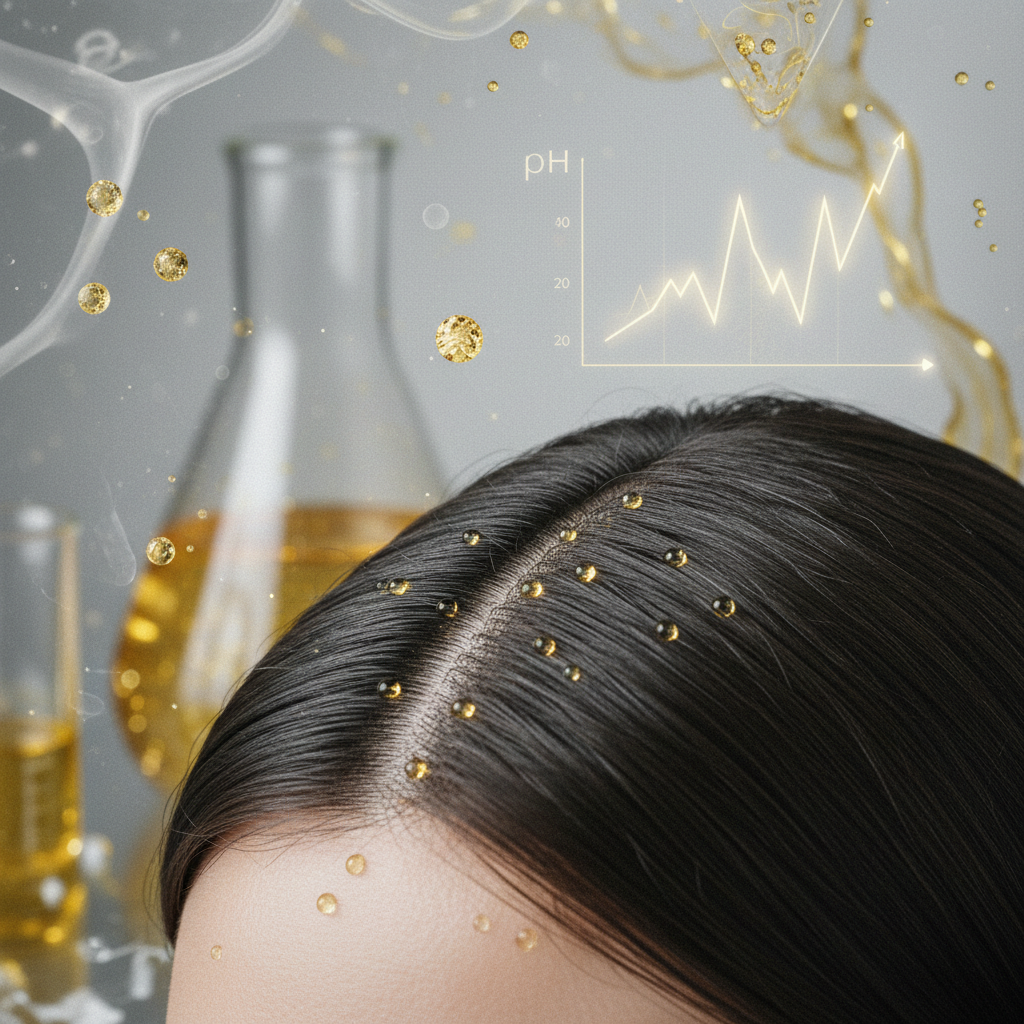
When scalp pH rises above 5.5, lipid-processing enzymes suffer. Key enzymes such as beta-glucocerebrosidase and acidic sphingomyelinase require an acidic environment (pH 4.5 to 5.0) to convert precursor molecules into ceramides. Ceramides, along with cholesterol and free fatty acids, make up the intercellular lipid matrix that glues corneocytes together. Without proper ceramide processing, the scalp barrier develops structural gaps, leading to elevated transepidermal water loss and heightened sensitivity to environmental irritants.
Furthermore, an elevated pH activates neutral serine proteases like kallikrein 5 and kallikrein 7. These enzymes dissolve corneodesmosomes (the protein rivets joining dead skin cells) at an accelerated rate. This premature desquamation causes visible flaking before cells have properly matured, which presents clinically as dry scalp or dandruff.
How pH shifts disrupt the scalp ecosystem
The human scalp hosts a complex microbiome dominated by Cutibacterium acnes, Staphylococcus epidermidis, and lipophilic yeasts of the genus Malassezia. A mildly acidic surface suppresses pathogenic colonisation while supporting beneficial commensals.
When you apply high-pH cleansers or alkaline treatments to the scalp, you alter this balance:
- Enzyme imbalance: Serine protease activity surges, breaking down barrier lipids and corneocyte adhesion.
- Microbial dysbiosis: Malassezia species thrive when the natural barrier weakens, metabolising sebum into irritating free fatty acids such as oleic acid.
- Subclinical inflammation: Oleic acid penetrates the compromised stratum corneum, triggering inflammatory cascades, neurosensory itching, and reactive hyperkeratosis.
| Scalp Condition | Typical Surface pH | Primary Barrier Characteristics | Common Signs |
|---|---|---|---|
| Healthy Scalp | 4.5 to 5.5 | Intact lipid lamellae, controlled desquamation, optimal moisture retention | Comfortable, no visible redness, minimal shed skin flakes |
| Alkaline Disrupted | 6.0 to 7.5 | Depleted ceramides, elevated transepidermal water loss, compromised mantle | Tightness, stinging after washing, mild itching, diffuse dryness |
| Dandruff / Seborrhoeic Dermatitis | 5.5 to 6.5 | Altered lipid ratios, excessive corneodesmosome degradation, yeast dysbiosis | Greasy or dry flakes, erythema, persistent pruritus |
| Psoriatic Scalp | 5.5 to 6.8 | Severe hyperproliferation, abnormal lipid synthesis, high barrier failure | Thick, silvery plaques, bleeding points when scales lift |
What the evidence does not show
It is important to separate scientific consensus from marketing myths. While preserving the acid mantle is vital for tissue health, the evidence does not support several common assumptions:
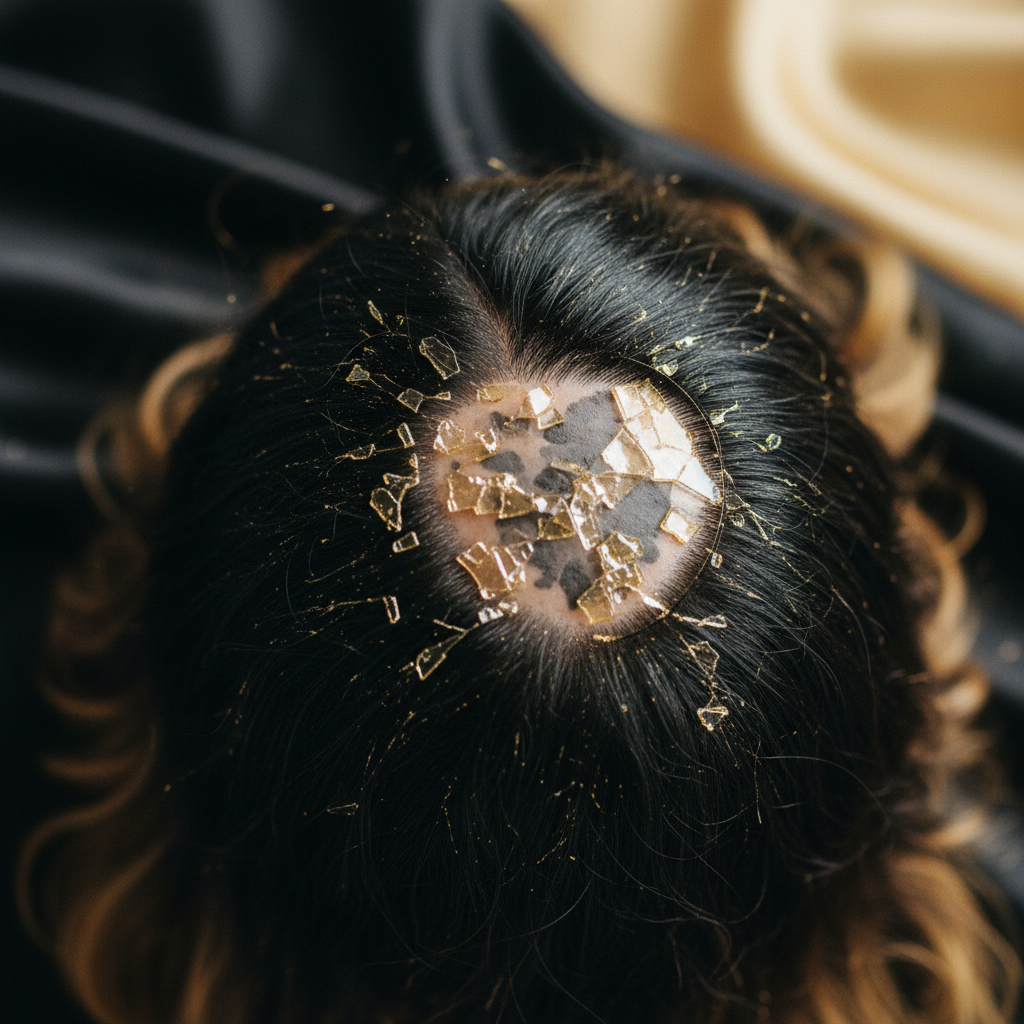
- Alkaline pH does not cause follicular miniaturisation: Pattern hair loss (androgenetic alopecia) is driven by genetics and dihydrotestosterone (DHT) interacting with follicular androgen receptors. An impaired scalp barrier does not cause genetic miniaturisation.
- pH-balanced products cannot cure clinical dermatoses: While using a mildly acidic shampoo helps manage symptoms, it cannot cure psoriasis, eczema, or severe seborrhoeic dermatitis on its own.
- Immediate hair loss vs hair breakage: Disrupting your scalp barrier does not cause telogen effluvium (follicular shedding). However, the resulting itchiness often leads to aggressive scratching, which causes hair breakage along the shaft and mechanical trauma to the root.
Recognising an impaired scalp barrier
A compromised barrier produces clear sensory and physical signals. You can spot an impaired barrier by looking for these indicators:
- Tightness immediately after cleansing: A persistent feeling of tautness within 20 minutes of washing suggests that your cleanser has stripped essential surface lipids.
- Reactive stinging: Water, styling tonics, or mild products causing a burning or tingling sensation indicate that sensory nerve endings in the epidermis are exposed.
- Powdery or irregular flaking: Fine, dust-like flakes that shed across the shoulders often reflect accelerated desquamation driven by serine protease activation.
- Rapid oil rebound: When the barrier loses moisture, the scalp can overcompensate by producing excess sebum, leaving roots greasy while the underlying skin remains dehydrated.
Restoring and supporting scalp barrier function
Restoring balance to an irritated scalp requires eliminating alkaline stressors and reinforcing the acid mantle.
1. Match your cleanser pH to the skin
Human hair fibres have an isoelectric point around pH 3.67, while the scalp rests at pH 5.0. Many traditional bar soaps and poorly formulated shampoos sit at pH 7.0 to 9.0. Choose liquid shampoos formulated within the physiological bracket of pH 4.5 to 5.5. This limits cuticle swelling and preserves lipid-processing enzymes.
2. Avoid aggressive mechanical friction
Vigorous scrubbing with fingernails or stiff brush bristles shears away protective corneocyte layers. Massage cleansers gently using only the pads of your fingertips for 60 to 90 seconds.
3. Replenish barrier lipids and humectants
Look for leave-on scalp serums and lotions containing physiological lipids (ceramides, cholesterol, linoleic acid) and natural moisturising factors (glycerin, urea, hyaluronic acid). These ingredients integrate into the lipid matrix and help curb transepidermal water loss.
4. Rinse with lukewarm water
Hot water above 40 degrees Celsius emulsifies and strips away the barrier lipids your scalp needs. Keep wash water lukewarm (around 36 to 38 degrees Celsius) to protect the skin lipids.
Exploring topical scalp care: Watermans
When building a routine that respects the acid mantle, cosmetic formulation matters. Watermans products are developed to maintain a scalp-friendly pH while delivering functional botanical extracts and natural oils. Using a balanced cleanser like Watermans GrowMe provides a supportive environment for the hair without exposing the delicate epidermal barrier to excessive alkalinity or harsh stripping agents. This topical care helps keep the scalp clean, hydrated, and comfortable, avoiding the irritation that can trigger mechanical hair breakage.
When the cause may be something else
Not all scalp discomfort stems from product-induced pH shifts. Internal health imbalances and external pathogens can cause overlapping symptoms:
- Contact dermatitis: An allergic reaction to fragrances, preservatives (like methylisothiazolinone), or hair dyes (paraphenylenediamine) can mimic a basic barrier breakdown.
- Nutritional deficiencies: Inadequate intake of essential fatty acids, zinc, or B-vitamins impairs the body's ability to synthesise the epidermal barrier from the inside out.
- Autoimmune conditions: Scalp psoriasis and lichen planopilaris produce inflammation and flaking through immune-mediated pathways rather than topical pH changes.
When to seek professional advice
Consult a GP, dermatologist, or qualified trichologist if you notice any of the following symptoms:
- Severe redness, swelling, or crusting that oozes fluid.
- Flaking accompanied by patchy, smooth areas of hair loss.
- Intractable itching that disrupts sleep or leads to bleeding.
- Symptoms that do not improve after three weeks of using mild, pH-appropriate skincare.
Frequently asked questions about Scalp Barrier Function and pH
Does shampoo pH really matter if it is rinsed off quickly?
Yes. Studies demonstrate that even brief contact with alkaline surfactants (pH 7.0 and above) induces swelling in the hair cuticle and extracts water-soluble natural moisturising factors from the stratum corneum. Repeated exposure prevents the acid mantle from fully recovering its normal pH, which takes anywhere from 4 to 24 hours depending on the individual.
What is the ideal product pH for Scalp Barrier Function and pH maintenance?
The ideal product pH for routine cleansers and scalp treatments sits between 4.5 and 5.5. Formulations within this range respect the physiological acid mantle, keep lipid-synthesising enzymes active, and minimise swelling of the hair shaft during washing.
Can a damaged scalp barrier cause permanent hair loss?
No. An impaired barrier does not cause permanent follicular damage on its own. It causes superficial inflammation, dryness, and itching. The real risk to your hair comes from vigorous scratching and rubbing, which causes hair breakage along the fibre and can dislodge telogen hairs prematurely.
How does hard water interact with scalp pH?
Hard water contains high levels of dissolved calcium and magnesium ions. These minerals raise the water's pH (often to 7.5 to 8.5) and interact with shampoo surfactants to form insoluble mineral deposits. These residues disrupt the skin barrier, elevate surface pH, and exacerbate dryness and irritation.
Can apple cider vinegar rinses restore scalp barrier function?
Pure apple cider vinegar has a very low pH (around 2.0 to 3.0), which is far too acidic for direct application and can cause chemical irritation. If diluted correctly (such as one tablespoon in 250 ml of water) to a safe pH of 4.5 to 5.0, it can help lower surface alkalinity. However, commercial, properly buffered formulations are generally safer and more consistent.
Balanced care for long-term scalp health
Maintaining proper Scalp Barrier Function and pH provides the foundation for healthy hair growth and overall comfort. By protecting the skin's acidic surface with pH-appropriate cleansing, avoiding excessive heat and friction, and using topical ingredients that support the lipid matrix, you preserve the stratum corneum. While balanced products cannot cure chronic dermatological conditions, maintaining this natural biological shield prevents unnecessary irritation, flaking, and breakage.
Sources and references
- British Association of Dermatologists. (2020). Seborrhoeic Dermatitis Patient Information Leaflet.
- Ali, S. M., & Yosipovitch, G. (2013). Skin pH: From basic science to basic skin care. Acta Dermato-Venereologica, 93(3), 261-267.
- Proksch, E. (2018). PH in nature, humans and skin. The Journal of Dermatology, 45(9), 1044-1052.
- Gavazzoni Dias, M. F., de Almeida, A. M., Cecato, P. M., Adriano, P. R., & Pichler, J. (2014). The shampoo pH can affect the hair: Myth or reality? International Journal of Trichology, 6(3), 95-99.
- Elias, P. M. (2005). Stratum corneum defensive functions: an integrated view. Journal of Investigative Dermatology, 125(2), 183-200.
Find these ingredients in Watermans products
- Zinc: you will find this ingredient in our Hair Vitamins.
- Oleic Acid: you will find this ingredient in our Camellia & Black Castor Hair & Body Oil.