Scalp Barrier Function and Dryness: Science, Symptoms, and Repair
8 min read ·
Explore the science of Scalp Barrier Function and Dryness, including stratum corneum biology, transepidermal water loss, flaking, and restorative haircare routines.

Quick answer: The relationship between Scalp Barrier Function and Dryness centres on the stratum corneum, the outermost layer of skin that controls hydration. When this protective lipid matrix weakens, transepidermal water loss accelerates, causing tightness, flaking, and irritation. While cosmetic hydrators and mild surfactants soothe surface dehydration, topical routines cannot repair structural skin conditions like psoriasis or seborrhoeic dermatitis without medical intervention. Understanding your scalp barrier helps you maintain moisture and prevent chronic sensitivity.
Key takeaways
- The scalp stratum corneum has higher follicular density and sebum output than facial skin, yet it remains vulnerable to barrier breakdown.
- Impaired barrier function increases transepidermal water loss (TEWL), triggering flaking, itchiness, and tight sensations.
- Harsh anionic surfactants, excessive heat, and hard water minerals deplete intercellular lipids, weakening structural integrity.
- Dry scalp differs clinically from dandruff; dry scalp stems from lack of moisture and lipids, while dandruff involves fungal overgrowth (Malassezia) and sebum breakdown.
- Restoring the barrier requires physiological lipids (ceramides, fatty acids, cholesterol), mild cleansing at skin-neutral pH (4.5 to 5.5), and targeted humectants.
Scalp Barrier Function and Dryness: what the evidence shows
Research shows that Scalp Barrier Function and Dryness are governed by the biochemical integrity of the stratum corneum. Dermatological studies demonstrate that the scalp actually possesses a less competent physical barrier than other areas of the body, such as the forearm or face. Although the scalp contains thousands of sebaceous glands producing sebum, its high density of hair follicles creates numerous micro-pathways through which moisture escapes and external irritants penetrate.
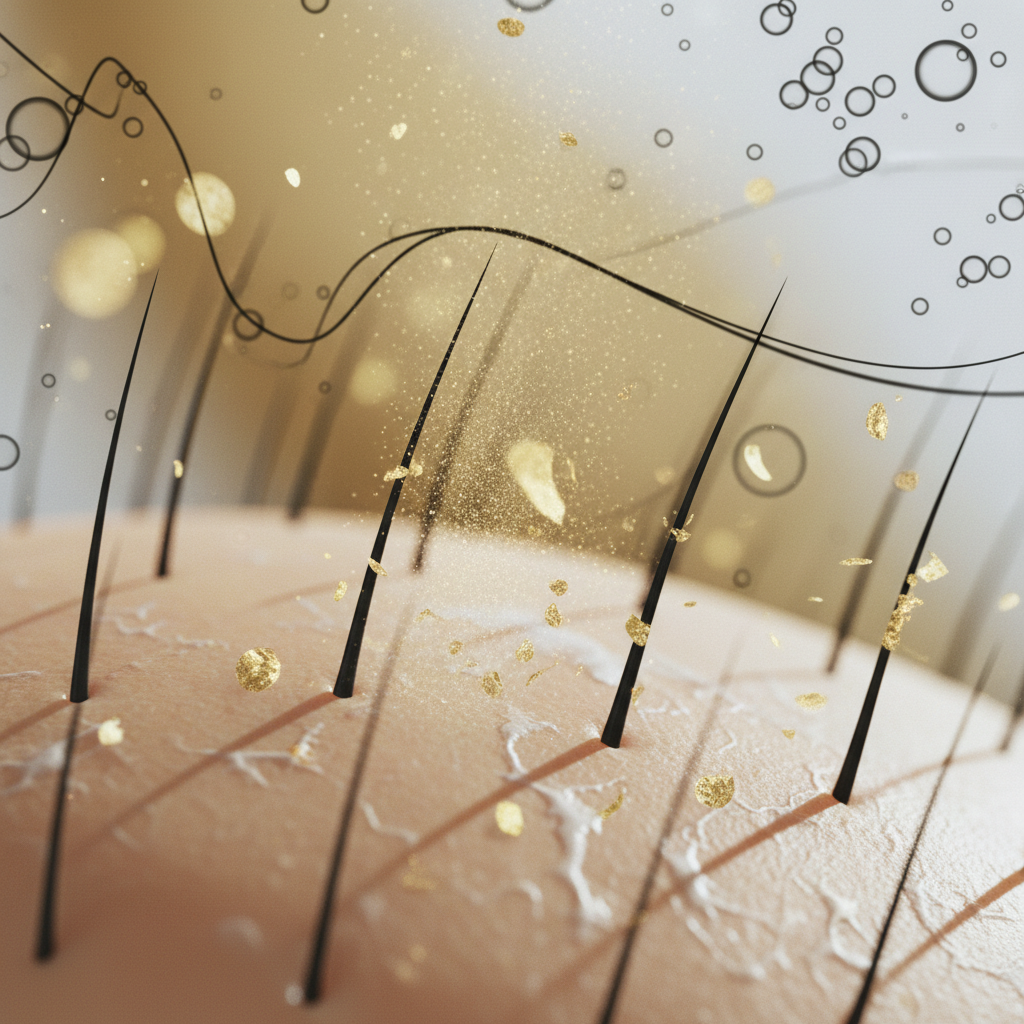
When the barrier operates normally, corneocytes (dead, keratin-filled cells) are embedded in a dense lipid matrix of ceramides (around 50%), cholesterol (around 25%), and free fatty acids (around 15%). This structure acts like bricks and mortar. If this lipid balance is disrupted by chemical treatments, over-washing, or environmental extremes, the rate of transepidermal water loss rises steeply. In clinical measurements, compromised scalps show markedly reduced hydration values (often dropping below 30 arbitrary units on corneometer testing) compared to healthy scalps (typically 40 to 60 arbitrary units).
Dryness is not merely a cosmetic inconvenience. A disrupted scalp barrier permits environmental irritants, allergens, and microbial metabolites to reach living epidermal layers. This triggers low-grade, sub-clinical inflammation, releasing pro-inflammatory cytokines such as interleukin-1 alpha (IL-1α). These signalling molecules disrupt follicular homeostasis and can weaken developing hair fibres at the root, leading to rougher hair texture and an uncomfortable, burning sensation.
What the evidence does not show
Controlled research does not support the common belief that applying pure botanical oils will automatically repair an impaired scalp barrier. While oils like coconut or olive oil coat the surface, they lack the multi-lamellar structure of physiological skin lipids. In some cases, high-oleic oils can disrupt the lipid matrix further by increasing permeability.
Furthermore, evidence does not show that drinking excess water cures an externally degraded scalp barrier. Systemic dehydration certainly affects tissue turgor, but external barrier disruption is driven primarily by lipid loss, enzymatic imbalances, and surfactant damage within the stratum corneum itself. Topical preservation and gentle cleansing remain the primary drivers of recovery.
Finally, cosmetic products cannot cure medical inflammatory dermatoses. Chronic, thick silvery plaques or greasy yellow scales are not signs of simple barrier dryness; they indicate underlying inflammatory or microbial conditions that require clinical assessment.
Biological mechanisms of the scalp barrier
Understanding how the scalp retains moisture requires examining three key components:
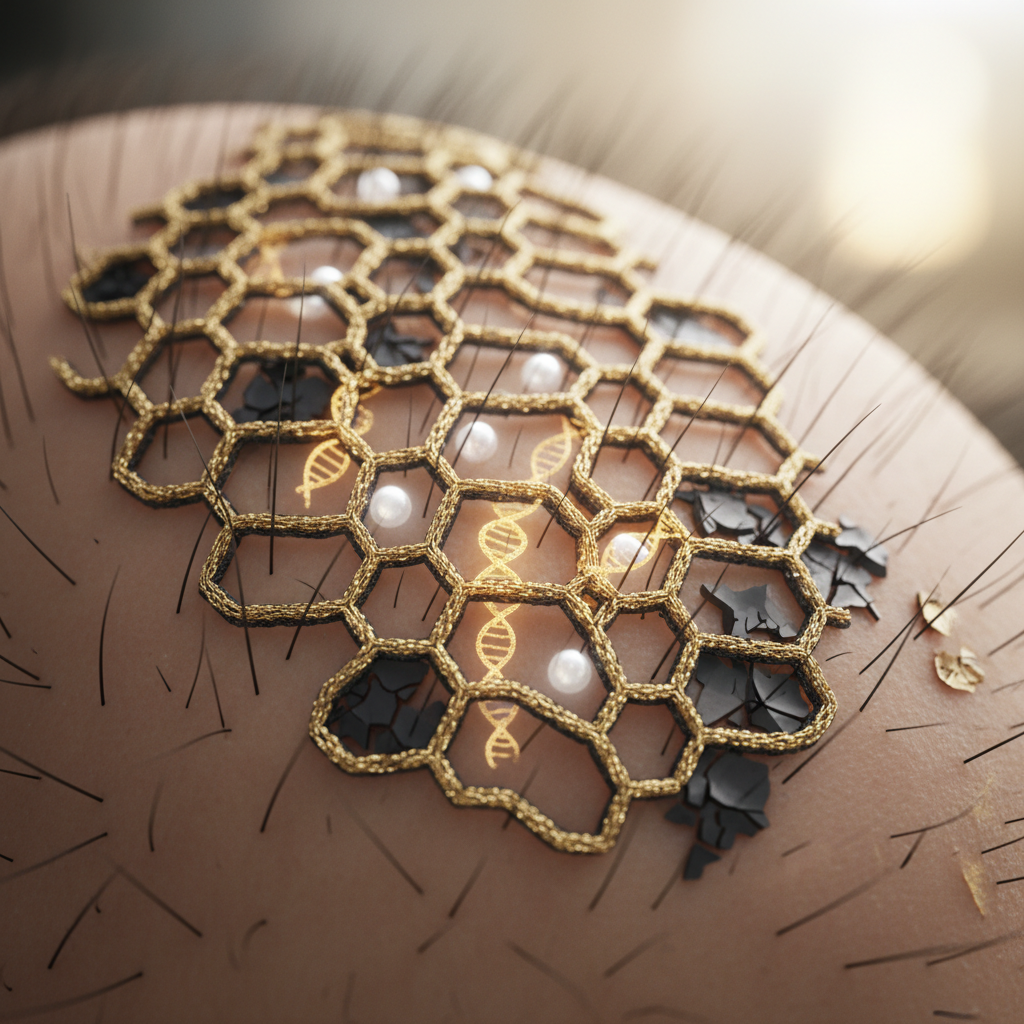
- The Acid Mantle: The healthy scalp maintains an acidic pH between 4.5 and 5.5. This slight acidity regulates lipid-processing enzymes (such as beta-glucocerebrosidase) and inhibits pathogenic bacteria while supporting commensal flora.
- Natural Moisturising Factor (NMF): Located within corneocytes, NMF consists of amino acids, pyrrolidone carboxylic acid (PCA), lactates, and urea. These hygroscopic compounds absorb water from the deeper dermis and ambient air.
- Intercellular Lipids: Extruded by lamellar bodies, these lipids form a continuous hydrophobic seal between cells.
When alkaline cleansers (pH 7.0 and above) contact the scalp, they elevate its pH for several hours. This alkaline shift deactivates the enzymes needed to synthesise ceramides, degrades desmosomes prematurely, and strips away NMF components. The result is rapid hydration loss, cellular desquamation (flaking), and microscopic cracking.
Distinguishing dry scalp from other conditions
Because peeling and itching occur across multiple scalp issues, people frequently misdiagnose their symptoms. Treating an oily, microbe-driven condition with heavy barrier balms can worsen inflammation, whereas stripping a truly dry scalp with harsh anti-dandruff actives degrades the barrier further.
| Feature | Dry Scalp (Barrier Impairment) | Dandruff (Mild Pityriasis Capitis) | Scalp Psoriasis |
|---|---|---|---|
| Primary Cause | Stripped lipids, high TEWL, low NMF | Malassezia yeast metabolising sebum | Autoimmune accelerated cell turnover |
| Flake Appearance | Small, white, fine, powdery | Larger, yellow-tinted, slightly greasy | Thick, silvery-white plaques |
| Scalp Texture | Dry, tight, matte, irritable | Oily or normal, prone to itch | Raised, clearly demarcated red patches |
| Common Triggers | Cold air, hot water, harsh surfactants | Infrequent washing, stress, humidity | Immune response, physical trauma |
| Primary Solution | Barrier restoration, humectants, mild pH | Antifungal agents (ketoconazole, zinc) | Prescription topical corticosteroids, keratolytic agents |
Practical steps to rebuild your scalp barrier
Restoring an impaired scalp barrier involves reducing external damage while supplying the building blocks needed for stratum corneum repair.
Switch to skin-neutral, gentle cleansing
Avoid shampoos formulated with high concentrations of aggressive anionic surfactants like sodium lauryl sulphate (SLS). Instead, choose amphoteric or non-ionic cleansers (such as cocamidopropyl betaine, sodium cocoyl isethionate, or decyl glucoside) buffered to a pH of 4.5 to 5.5. This preserves the acid mantle and prevents lipid extraction.
Adjust washing temperature
Water heated above 40 degrees Celsius emulsifies the protective intercellular lipids that keep moisture locked in the skin. Wash and rinse hair with lukewarm water (between 36 and 38 degrees Celsius) to protect barrier lipids.
Introduce humectants and barrier lipids
Look for lightweight leave-on scalp serums containing:
- Glycerol and Hyaluronic Acid: Draw moisture into the upper layers of the epidermis.
- Niacinamide (Vitamin B3): Shown in dermatological studies to stimulate endogenous ceramide synthesis.
- Panthenol (Pro-Vitamin B5): Enhances stratum corneum hydration and reduces TEWL.
- Phytoceramides: Mimic native skin lipids to seal cellular gaps.
Protect against environmental stress
Central heating, dry air, and hard water (levels above 180 mg/L calcium carbonate) accelerate moisture loss and deposit mineral residues that aggravate barrier cracking. A shower filter and indoor humidifiers can help maintain ambient moisture levels during winter months.
When to seek medical advice
A weakened scalp barrier generally responds to gentle haircare routines within two to four weeks. If your scalp displays any of the following symptoms, consult a GP or trichologist:
- Intense, unbroken erythema (redness) spreading beyond the hairline
- Bleeding, oozing, or weeping lesions
- Severe nocturnal itching that disrupts sleep
- Rapid, patchy hair shedding accompanying the scalp symptoms
- Thick, adherent crusts that do not loosen with gentle washing
These signs point to underlying pathologies such as contact dermatitis, seborrhoeic eczema, psoriasis, or lichen planopilaris, which demand medical diagnostics and prescription management.
Support from Watermans
Maintaining scalp harmony requires formulas designed with skin biology in mind. The Watermans range focuses on preserving the natural microenvironment of the scalp. By pairing gentle cleansing bases with active botanicals, hydrolysed proteins, and scalp-supportive vitamins, Watermans formulations help you cleanse away debris without stripping away essential physiological oils. A healthy scalp barrier creates the optimal foundation for stronger-feeling, fuller-looking hair.
Frequently asked questions about Scalp Barrier Function and Dryness
What causes a damaged scalp barrier?
A damaged scalp barrier is most often triggered by washing with harsh, alkaline surfactants, using very hot water, over-clearing natural oils, or applying chemical salon treatments without adequate scalp protection. Environmental stressors, like dry winter air and hard water minerals, also compromise lipid organisation.
How does Scalp Barrier Function and Dryness affect hair growth?
While Scalp Barrier Function and Dryness does not directly cause follicular hair loss or pattern baldness, a chronically damaged barrier creates low-grade inflammation. This inflammatory state weakens hair anchoring in the follicle and damages the emerging cuticle, making hair dry, brittle, and susceptible to breakage.
How long does it take to repair the scalp barrier?
The epidermal renewal cycle takes roughly 28 days in healthy adults. When you remove harsh irritants and provide humectants alongside skin-identical lipids, surface tightness often eases within days, but structural barrier restoration requires three to four weeks of consistent, gentle care.
Can I use facial moisturiser on a dry scalp?
While facial moisturisers contain helpful barrier-repair ingredients like ceramides and hyaluronic acid, their heavy emollient bases can leave hair greasy and may clog follicles. It is better to choose lightweight, water-based scalp serums or fluid tonics specifically formulated to hydrate without leaving sticky residue.
Summary on scalp health and moisture balance
Achieving lasting scalp comfort requires balancing gentle hygiene with targeted barrier protection. Understanding the science behind Scalp Barrier Function and Dryness allows you to move away from harsh stripping agents and heavy occlusive oils toward balanced formulations that respect your skin's natural biology. By supporting the acid mantle and maintaining vital lipid structures, you establish a resilient, irritation-free foundation that supports fuller-looking, resilient hair.
Sources and references
- Rawlings, A. V., & Harding, C. R. (2004). Moisturization and skin barrier function. Dermatologic Therapy, 17(s1), 43-48.
- Saint-Léger, D., et al. (1988). The role of the scalp lipid film in barrier function. British Journal of Dermatology, 119(4), 495-505.
- National Health Service (NHS). (2023). Itchy scalp and dandruff: overview and management. NHS UK.
- Turner, G. A., et al. (2012). Stratum corneum dysfunction in dandruff and seborrhoeic dermatitis. International Journal of Cosmetic Science, 34(4), 298-306.
- Cork, M. J., et al. (2009). Epidermal barrier dysfunction in atopic dermatitis. Journal of Investigative Dermatology, 129(8), 1892-1908.
Find these ingredients in Watermans products
- Zinc: you will find this ingredient in our Hair Vitamins.
- Niacinamide: you will find this ingredient in our Hair Mask.
- Panthenol (Provitamin B5): you will find this ingredient in our Heat Protection Spray.