Scalp Barrier Function and Care: The Complete Guide to Skin Health and Hair Resilience
9 min read ·
Discover how scalp barrier function and care protect the skin microbiome, prevent irritation and flaking, and support stronger-feeling hair from the root.

Quick answer: Understanding scalp barrier function and care is essential for maintaining both healthy skin and robust hair growth. The scalp barrier is a protective stratum corneum layer of lipids, proteins, and an acid mantle (pH 4.5 to 5.5) that prevents transepidermal water loss and guards against microbial invasion. When this barrier is compromised by harsh cleansing, weather, or inflammation, dryness, flaking, and irritation result. While topical cosmetics can restore moisture and soothe irritation, they cannot cure chronic inflammatory dermatoses like psoriasis on their own.
Key takeaways
- The scalp barrier relies on an intact stratum corneum, intercellular lipids (ceramides, cholesterol, free fatty acids), and an acidic pH between 4.5 and 5.5.
- Disrupting this barrier increases transepidermal water loss (TEWL), leading to flaking, pruritus (itching), redness, and sensitivity.
- Barrier compromise often triggers micro-inflammation around the follicle, which can increase hair shedding or weaken hair fibres, though it does not directly cause genetic pattern hair loss.
- Over-washing with high-pH alkaline surfactants strips natural sebum, whereas under-washing allows sebum breakdown by Malassezia yeasts, generating irritating free fatty acids.
- Routine care involves gentle, pH-balanced cleansing, humectant-rich hydration, and avoiding excessive mechanical abrasion or extreme heat.
Scalp Barrier Function and Care: what the evidence shows
Clinical dermatology demonstrates that the skin on your scalp is structurally distinct from the rest of your body. It has a higher follicular density, more active sebaceous glands, and a uniquely rich microbiome dominated by Cutibacterium acnes and Malassezia species.
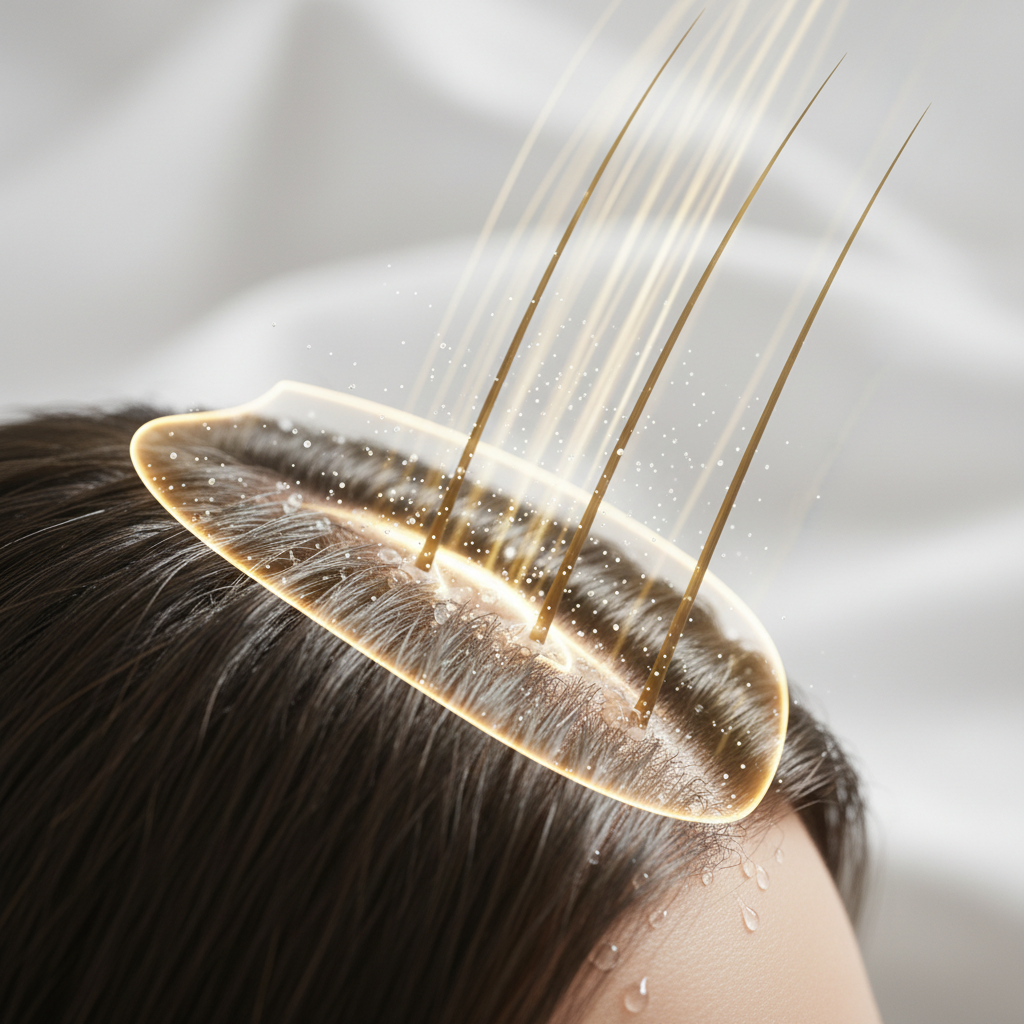
Research published in the International Journal of Cosmetic Science and the British Journal of Dermatology confirms that the integrity of the stratum corneum dictates scalp comfort. When the lipid matrix (comprising roughly 50% ceramides, 25% cholesterol, and 15% free fatty acids) is depleted, the brick-and-mortar structure of the outer skin breaks down. Water escapes faster than normal, measured clinically as elevated transepidermal water loss (TEWL). At the same time, external irritants, allergens, and microbial by-products penetrate deeper into the epidermis, initiating inflammatory signaling cascades.
Crucially, scalp barrier function and care directly influence hair quality. While hair loss conditions such as androgenetic alopecia are driven by hormones and genetics, an inflamed, barrier-compromised scalp produces oxidative stress around the hair bulb. Studies show that oxidative stress in the follicular infundibulum leads to premature hair shedding (telogen effluvium) and forces the developing hair fibre to emerge with cuticle irregularities, making it brittle and prone to breakage.
What the evidence does not show
It is vital to separate clinical facts from common marketing myths:
- Cosmetics do not cure underlying medical scalp disorders: Shampoos and serums cannot cure conditions such as scalp psoriasis, lichen planopilaris, or severe seborrhoeic dermatitis. They manage symptoms and support barrier recovery, but prescription anti-inflammatories or antifungals are often required.
- A disrupted barrier does not cause permanent follicular death: While a broken barrier can accelerate temporary hair shedding or cause hair breakage along the shaft, it does not cause miniaturisation of the hair follicle seen in androgenetic alopecia.
- "Natural oils" are not universally restorative: Applying heavy vegetable oils (like olive oil) can worsen barrier dysfunction. Olive oil is rich in oleic acid, which research shows disrupts lipid lamellae and feeds Malassezia yeasts, worsening conditions like dandruff.
- Infrequent washing does not "heal" the barrier naturally: Sebum accumulation oxidises over time. Squalene peroxides and fatty acid breakdown products actively degrade barrier proteins if not washed away regularly.
Biological mechanisms of the scalp barrier
The scalp barrier operates through three interrelated defensive systems:
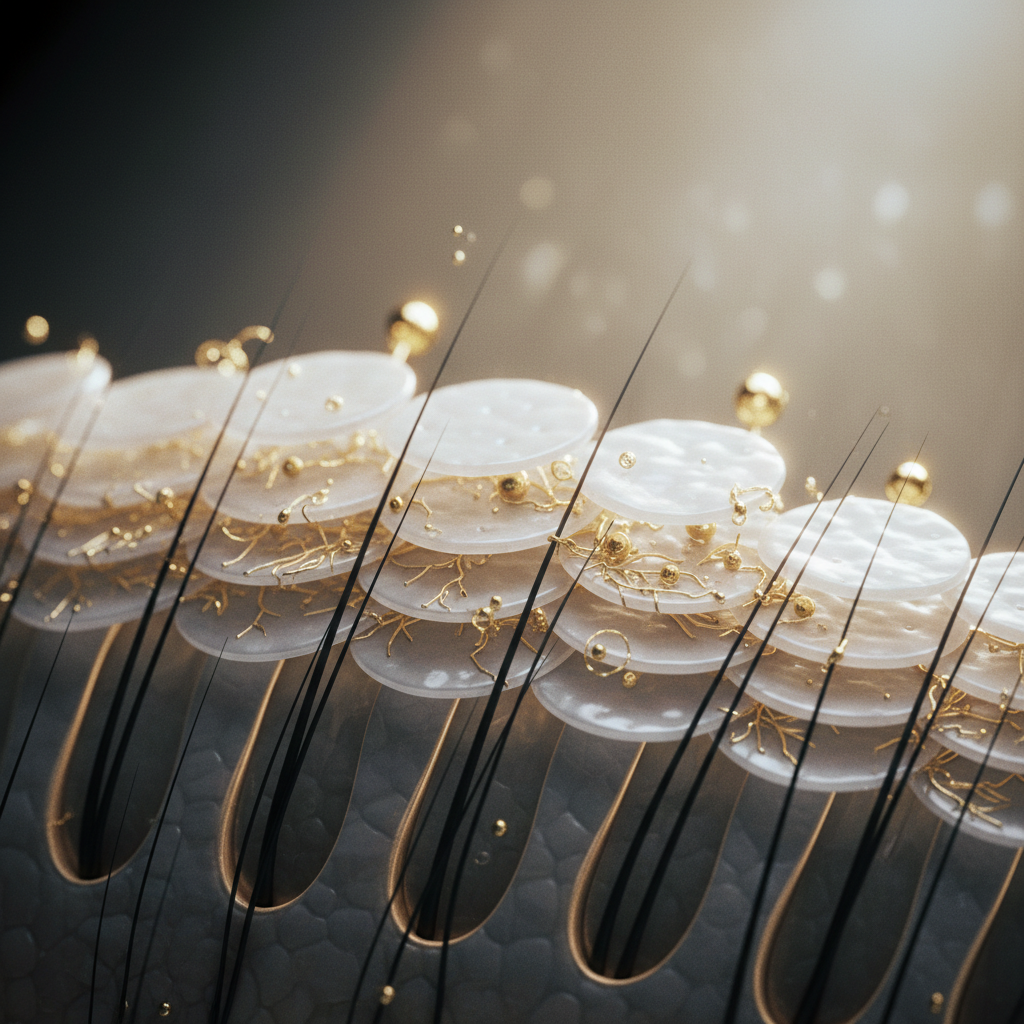
1. The physical stratum corneum
Dead, keratin-packed cells called corneocytes act as physical bricks, surrounded by a mortar of lipid lamellae. This barrier prevents moisture from evaporating out of the viable epidermis below.
2. The chemical acid mantle
Healthy scalp skin maintains an acidic pH between 4.5 and 5.5. This acidity is created by sebum breakdown, sweat, and cellular ion channels. The acid mantle inhibits pathogenic bacteria while enabling enzymes that construct and repair ceramides to function at peak efficiency. Exposure to alkaline products (such as traditional soaps with a pH of 8 to 10) inactivates these lipid-synthesising enzymes for hours.
3. The scalp microbiome
Microorganisms on the scalp live in a delicate balance. When the physical barrier thins or sebum composition alters, opportunistic Malassezia globosa and Malassezia restricta proliferate. They secrete lipases that consume saturated fatty acids from sebum, leaving behind irritating unsaturated fatty acids (chiefly oleic acid). These acids permeate a porous stratum corneum, triggering epidermal hyperproliferation and noticeable flaking.
| Scalp Barrier State | Stratum Corneum Hydration | Surface pH | Common Clinical Signs | Primary Impact on Hair |
|---|---|---|---|---|
| Healthy Barrier | Optimal (High capacitance) | 4.5 to 5.5 | Smooth, comfortable, absence of redness or flakes | Smooth hair cuticle, regular growth cycle |
| Stripped / Dehydrated | Low (High TEWL) | 5.5 to 7.0+ | Tightness, burning, stinging upon product application, fine dry flakes | Rougher fibre surface, increased breakage from friction |
| Seborrhoeic / Inflamed | Compromised | Variable (often elevated) | Greasy, yellowish flakes, erythema (redness), intense itching | Elevated oxidative stress at follicle, increased telogen shedding |
Signs of a compromised scalp barrier
Recognising barrier disruption early allows you to intervene before chronic micro-inflammation sets in. Common signs include:
- Pruritus (itching) and tenderness: Persistent itching, especially after washing or sweating, is a primary indicator of barrier breakdown.
- Tightness and stinging: A sensation of pulling across the crown, or a stinging sensation when applying standard shampoos and styling products.
- Atypical flaking: Distinguishing between dry flakes and seborrhoeic flakes is vital. Dry flakes are small, white, and fall easily, indicating dehydration. Seborrhoeic flakes are larger, yellowish, and stick to the scalp surface, indicating sebum-driven microbial imbalance.
- Perifollicular erythema: Faint redness clustered around the base of the hair fibres, visible under bright light or trichoscopy.
- Increased shedding or dullness: Noticeable increases in hairs caught in brushes, accompanied by lacklustre, dry hair lengths.
Scalp barrier care: practical steps to restore balance
Restoring and maintaining barrier resilience requires targeted habits:
- Wash with pH-balanced cleansers: Choose shampoos formulated between pH 5.0 and 5.5. Avoid harsh anionic detergents that strip structural intercellular lipids.
- Regulate water temperature: Scalding water solubilises and removes the scalp's protective lipids just like dish soap melts grease. Wash hair in lukewarm water (around 37°C to 38°C).
- Calibrate wash frequency: If you have an oily scalp, wash daily or every other day to prevent sebum oxidation. If you have a dry, tight scalp, wash two to three times a week using mild cleansers.
- Incorporate barrier-supportive actives: Look for topical formulations containing niacinamide (which stimulates natural ceramide synthesis), panthenol (provitamin B5, which accelerates tissue repair), and gentle humectants like glycerin and hyaluronic acid.
- Minimise mechanical trauma: Avoid aggressive scrubbing with fingernails or hard plastic scalp brushes. Use the pads of your fingers in circular motions to dislodge dirt without micro-scratching the skin.
When the cause is something else
Not all scalp symptoms stem from a simple barrier imbalance caused by products or weather. If conservative barrier care does not improve symptoms within two to three weeks, investigate these alternative causes:
- Contact Dermatitis: An allergic reaction to specific fragrance components, preservatives (such as methylisothiazolinone), or paraphenylenediamine (PPD) in hair dyes.
- Scalp Psoriasis: An autoimmune condition characterised by well-demarcated, thick, silvery-white plaques and significant scaling, requiring topical corticosteroids, vitamin D analogues, or systemic therapy.
- Cicatricial (Scarring) Alopecia: Conditions like lichen planopilaris or frontal fibrosing alopecia can begin with burning, itching, and redness. These disorders destroy the hair follicle permanently and require urgent dermatological management.
When to seek professional advice
Consult a GP, dermatologist, or qualified trichologist if you notice:
- Scalp discomfort accompanied by visible, patchy hair loss.
- Blistering, weeping sores, crusting, or bleeding.
- Extreme redness that spreads down the forehead, neck, or behind the ears.
- Severe itching that interferes with sleep or daily activities.
- Symptoms that fail to respond to over-the-counter anti-dandruff or hydrating regimens after four weeks.
Supporting scalp resilience with Watermans
When formulating a daily or alternate-day hair washing regimen, product selection plays a foundational role in maintaining skin balance. Watermans GrowMe Shampoo is formulated to cleanse the scalp thoroughly while respecting the delicate physiological environment of the hair root. By combining biotin, rosemary extract, niacinamide, and allantoin, it supports clean, refreshed skin without relying on harsh stripping agents that exhaust the stratum corneum. Following with Watermans ConditionMe Conditioner infuses the hair fibre and scalp surface with cholesterol and essential moisture, delivering optimal conditions for stronger-feeling hair and reduced breakage.
Frequently asked questions about Scalp Barrier Function and Care
How long does it take to repair a damaged scalp barrier?
With a gentle, pH-balanced routine, superficial stratum corneum hydration typically improves within 72 hours. However, the full turnover cycle of scalp epidermal cells takes approximately 14 to 28 days. You should expect two to four weeks of consistent care before erythema, itching, and abnormal flaking fully resolve.
Can a damaged scalp barrier cause permanent hair loss?
No, a damaged scalp barrier does not cause permanent hair loss. It can, however, trigger increased shedding (telogen effluvium) through localized micro-inflammation around the hair bulb, and cause hair breakage along the shaft due to surface dryness. Once the barrier heals and inflammation subsides, standard follicular cycling returns.
Why is pH so critical for scalp barrier function and care?
Skin enzymes that synthesise ceramides and control desquamation (natural cell shedding) function exclusively in an acidic environment between pH 4.5 and 5.5. Alkaline shampoos disrupt this acid mantle, leaving the scalp vulnerable to microbial overgrowth and barrier thinning for hours after washing.
Should I apply pure oils like coconut or olive oil to repair my scalp?
Evidence advises caution. While coconut oil can penetrate the hair shaft to prevent protein loss, applying heavy plant oils directly to the scalp often feeds Malassezia yeasts and worsens inflammation. Opt for lightweight, non-comedogenic serums containing formulated ceramides, panthenol, or niacinamide instead.
How often should I wash my hair to protect the scalp barrier?
Wash frequency depends on your sebum production. An oily scalp requires washing every 24 to 48 hours to prevent oxidised sebum from irritating the barrier. A dry scalp thrives on washing two to three times per week. Never leave hair unwashed for weeks under the impression that it "resets" the barrier.
The foundation of healthy hair: Scalp Barrier Function and Care
Prioritising scalp barrier function and care shifts haircare from cosmetic masking to genuine physiological maintenance. Your scalp is living skin; protecting its delicate acid mantle, preserving intercellular lipids, and managing its resident microbiome directly safeguards the environment from which your hair emerges. By respecting water temperatures, choosing mild, pH-balanced formulas, and addressing persistent irritation early, you lay the necessary groundwork for resilient, fuller-looking hair and enduring comfort.
Sources and references
- British Association of Dermatologists. "Seborrhoeic Dermatitis Guidelines." 2019.
- International Journal of Cosmetic Science. "The scalp microbiome and its relationship with scalp barrier function." 2018.
- Journal of the European Academy of Dermatology and Venereology. "The impact of epidermal barrier dysfunction in scalp conditions." 2020.
- PubMed: Trüeb, R. M. "Oxidative Stress in Ageing of Hair." International Journal of Trichology, 2009.
- National Institute for Health and Care Excellence (NICE). "Psoriasis: assessment and management." Clinical Guideline CG153, updated 2017.
Find these ingredients in Watermans products
- Vitamin D: you will find this ingredient in our Hair Vitamins.
- Oleic Acid: you will find this ingredient in our Camellia & Black Castor Hair & Body Oil.
- Niacinamide: you will find this ingredient in our Hair Mask.
- Panthenol (Provitamin B5): you will find this ingredient in our Heat Protection Spray.