Protein Treatments: How They Strengthen and Protect Hair
9 min read ·
Protein Treatments are designed to temporarily strengthen hair, improve elasticity, and reduce breakage by reinforcing the hair fibre.
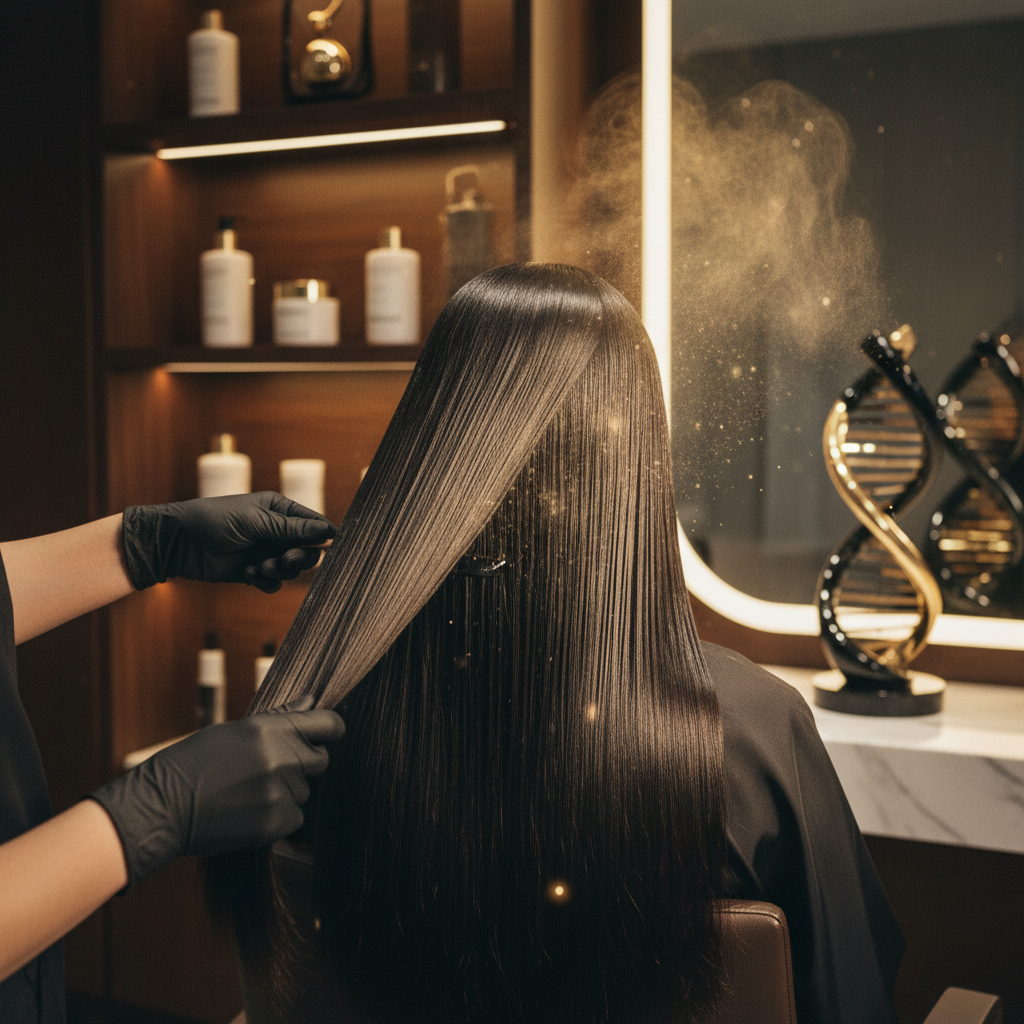
Quick answer: Protein Treatments are hair care products containing hydrolyzed proteins that temporarily bond with the hair's natural keratin, helping to fill in weakened areas. They can improve hair strength, elasticity, and reduce breakage, particularly for damaged hair. However, excessive use can lead to protein overload, making hair stiff and brittle.
Key takeaways
- Reinforce hair structure: Protein Treatments use hydrolyzed proteins to temporarily patch and strengthen damaged areas of the hair shaft.
- Reduce breakage: By improving hair's elasticity and strength, these treatments can significantly lower the risk of hair snapping.
- Counteract damage: They are especially beneficial for hair weakened by chemical processes (colouring, perms), heat styling, or environmental stress.
- Risk of overload: Overuse or incorrect application can lead to protein overload, making hair stiff, dry, and more prone to breakage.
- Balance is crucial: For optimal results, Protein Treatments should be followed by a moisturising conditioner to maintain flexibility and hydration.
Protein Treatments: what the evidence shows
Hair is primarily composed of keratin, a fibrous protein. External factors like chemical treatments (bleaching, colouring, perms), frequent heat styling, and even environmental exposure can disrupt the hair's keratin structure, leading to weakened bonds, a compromised cuticle, and overall damage. This damage manifests as brittleness, dullness, and increased susceptibility to breakage, which is when the hair fibre snaps along its length. It's important to distinguish this from hair shedding, where the hair follicle releases a whole strand, or hair loss, which involves a reduction in hair density from the scalp.
Protein Treatments aim to mitigate this damage by supplying exogenous, or external, proteins. These treatments typically contain hydrolyzed proteins, meaning the proteins have been broken down into smaller peptides or amino acids. This smaller size allows them to temporarily penetrate the hair cuticle, the outermost layer of the hair shaft, and bind to the hair's internal structure. This temporary binding helps to reinforce weakened areas, making the hair fibre feel stronger and more resilient.
Research indicates that hydrolyzed proteins can adhere to the hair shaft, forming a protective film and helping to smooth the cuticle. This action not only enhances the hair's physical strength and elasticity but can also improve its appearance, contributing to increased shine and a smoother feel. However, the effects are temporary, as these proteins can be washed away with subsequent cleansing, necessitating regular application for sustained benefits.
Different types of hydrolyzed proteins offer varying benefits. For instance, hydrolyzed wheat protein is known for its ability to penetrate the hair cortex and improve elasticity, while hydrolyzed silk protein often forms a protective film, enhancing shine and manageability. Hydrolyzed keratin, being structurally similar to hair's natural protein, is often used to directly target and repair damaged areas.
Understanding the mechanism: How proteins help hair
When hair is damaged, its outer cuticle layers can become lifted or abraded, and the internal protein structure can be compromised. This makes the hair more porous, meaning it can absorb and lose moisture more easily, and also more vulnerable to further damage. Protein Treatments work by delivering molecules that are small enough to pass through the lifted cuticle scales.
Once inside, these hydrolyzed proteins temporarily attach to the hair's existing keratin structure. They act like temporary patches, filling in gaps and strengthening weakened bonds. This reinforces the hair shaft, making it more resistant to stretching and snapping. The temporary film formed by some proteins on the surface also helps to smooth the cuticle, leading to better light reflection and a shinier appearance.
This process also helps to balance the hair's moisture levels. By partially sealing the cuticle, protein treatments can reduce excessive porosity, allowing the hair to retain essential moisture more effectively. This is why a moisturising conditioner is crucial after a protein treatment; the protein provides strength and structure, while the conditioner ensures the hair remains pliable and hydrated.
When to consider Protein Treatments
Protein Treatments can be particularly beneficial for hair that shows signs of significant protein loss and structural damage. Look for these indicators:
- Increased breakage: If your hair snaps easily, especially when wet or during detangling. This is distinct from hair shedding, where a full strand with a root detaches.
- Lack of elasticity: Healthy hair should have some stretch before breaking. If your hair feels limp, gummy, or stretches excessively without returning to its original state, it may benefit from protein.
- Dull, lifeless appearance: Damaged cuticles don't reflect light well. Hair that lacks shine might be a candidate for protein reinforcement.
- Rough texture: Hair that feels coarse or rough to the touch, indicating lifted cuticle scales.
- Chemically treated hair: Hair that has been bleached, coloured, permed, or chemically straightened is highly susceptible to protein damage.
- Frequent heat styling: Regular use of hot tools (straighteners, curling irons, blow dryers) can degrade hair's protein structure. You might also want to explore Heat Styling Safety Best Practices.
- Fine or thin hair: Protein can temporarily add strength and body to fine hair without weighing it down, making it feel fuller.
If you're unsure, a simple strand test can offer clues. Gently stretch a single wet strand of hair. If it stretches significantly and doesn't return, or breaks immediately, it likely needs protein. If it barely stretches and snaps, it might need moisture. Ideally, hair should stretch a little, then return to its original length without breaking.
Types of Protein Treatments and their application
Protein Treatments vary in their protein concentration and strength. Choosing the right type and application frequency is essential to avoid potential protein overload.
| Treatment Type | Protein Concentration | Recommended Frequency | Best For: |
|---|---|---|---|
| Light Protein Treatment | Low to Moderate | Weekly to Bi-weekly | Mild damage, maintenance, fine hair, post-wash reinforcement. |
| Medium Protein Treatment | Moderate to High | Bi-weekly to Monthly | Moderate damage, chemically treated hair (coloured, permed), hair lacking elasticity. |
| Intensive Protein Treatment | High | Monthly to Every 6-8 Weeks | Severely damaged, bleached, over-processed, or very brittle hair. Requires careful follow-up moisturising. |
Application steps:
- Cleanse: Start with a clean scalp and hair. Use a clarifying shampoo if you have product buildup. This ensures the protein can effectively reach the hair shaft. See How to Do a Clarifying Wash: A Guide to Deep Hair Cleansing for more information.
- Apply: Distribute the protein treatment evenly through damp, towel-dried hair. Always follow the manufacturer's instructions regarding application from root to tip or mid-lengths to ends.
- Process: Adhere strictly to the recommended processing time. Leaving a protein treatment on for too long is a common cause of protein overload.
- Rinse: Rinse thoroughly with lukewarm water until no product residue remains.
- Moisturise: This step is crucial. Immediately follow with a deeply moisturising conditioner or a hydrating hair mask. Protein can sometimes leave hair feeling stiff, so moisture is vital to restore softness and flexibility. The Science of Conditioners: How Hair Care Formulations Work can provide more insight.
Protein overload: When too much of a good thing is bad
While Protein Treatments offer significant benefits, there is a point where too much protein can have adverse effects, a condition commonly known as protein overload. This occurs when an excessive amount of protein accumulates on the hair shaft, making it rigid and brittle, ironically mimicking the very damage the treatment aims to prevent.
Symptoms of protein overload include:
- Hair feels stiff and rigid: Instead of feeling strong and flexible, your hair may feel hard, straw-like, or even crunchy.
- Increased breakage: Hair that is over-proteinised will snap rather than stretch. This is a key difference from moisture-deficient hair, which tends to stretch and then break.
- Lack of elasticity: The hair loses its natural ability to stretch and return to its original state.
- Dull, dry appearance: Hair can lose its shine and feel dehydrated, despite efforts to moisturise.
- Difficulty styling: Overloaded hair may resist styling and feel unmanageable.
If you suspect protein overload, discontinue all protein-containing products. Focus on intensive hydrating treatments and deep conditioners until your hair regains its balance. Prevention is key: always follow product instructions, err on the side of less frequent application, and balance protein with ample moisture.
Frequently asked questions about Protein Treatments
Can Protein Treatments cause hair loss or shedding?
No, Protein Treatments directly affect the hair shaft, not the hair follicle. They cannot cause hair loss (a reduction in hair density from the scalp) or hair shedding (the natural release of hair from the follicle). However, protein overload can lead to increased hair breakage, where the hair fibre snaps along its length, which might be mistaken for hair loss or shedding due to the visible reduction in hair length.
How often should I use a Protein Treatment?
The frequency depends on your hair's condition and the intensity of the treatment. For significantly damaged hair, a medium to intensive treatment might be used every 2 to 4 weeks. For maintenance or mild damage, a light protein treatment could be applied weekly or bi-weekly. Always observe how your hair responds and adjust accordingly, prioritising balance with moisturising products.
Are Protein Treatments suitable for all hair types?
Protein Treatments can benefit most hair types, especially those prone to damage from chemical processes, heat, or environmental stressors. Fine hair can gain body and strength, while curly or afro-textured hair, which is often naturally more fragile, can benefit from reinforcement against breakage. However, those with healthy, strong hair may find less dramatic effects and should opt for lighter, less frequent applications.
What's the difference between a protein treatment and a deep conditioner?
A Protein Treatment primarily aims to strengthen the hair fibre by adding proteins, improving elasticity and reducing breakage. A deep conditioner, on the other hand, focuses on providing intense hydration and nourishment, making hair softer, smoother, and more pliable. While some deep conditioners contain small amounts of protein, their main function is moisture. For optimal hair health, it's often best to use them in conjunction, with the protein treatment followed by a hydrating conditioner.
Can I use Protein Treatments on colour-treated hair?
Yes, Protein Treatments are often highly beneficial for colour-treated hair. The chemical processes involved in colouring can weaken the hair's structure and increase porosity, making it more susceptible to damage and colour fade. Protein treatments can help to reinforce these weakened areas, improve elasticity, and temporarily smooth the cuticle, which can help seal in colour pigments and improve overall hair health. Look for products specifically designed for colour-treated hair if you have concerns.
Conclusion
Protein Treatments offer a valuable approach to strengthening and protecting hair that has been compromised by chemical processes, heat styling, or environmental factors. By temporarily reinforcing the hair's keratin structure, these treatments can significantly improve elasticity, reduce breakage, and enhance the overall appearance of your hair. However, understanding your hair's needs and carefully balancing protein with adequate moisture is paramount to avoid the pitfalls of protein overload. Used judiciously, Protein Treatments can be a powerful tool in maintaining resilient, healthy-feeling hair.
Sources and references
- American Academy of Dermatology Association, Hair care: How to keep hair healthy, aad.org
- Cosmetic Ingredient Review, Final Report on the Safety Assessment of Hydrolyzed Wheat Protein, cir-safety.org
- Journal of Cosmetic Science, 2004, Hydrolyzed Proteins and Hair: An Overview of Structure and Function, cosmeticsandtoiletries.com
- British Association of Dermatologists, Hair Loss, bad.org.uk
- The Trichological Society, Hair Structure and Function, trichology.org.uk
Find these ingredients in Watermans products
- Wheat Amino Acids: you will find this ingredient in our Heat Protection Spray.