Protein Treatment for Hair
4 min read ·
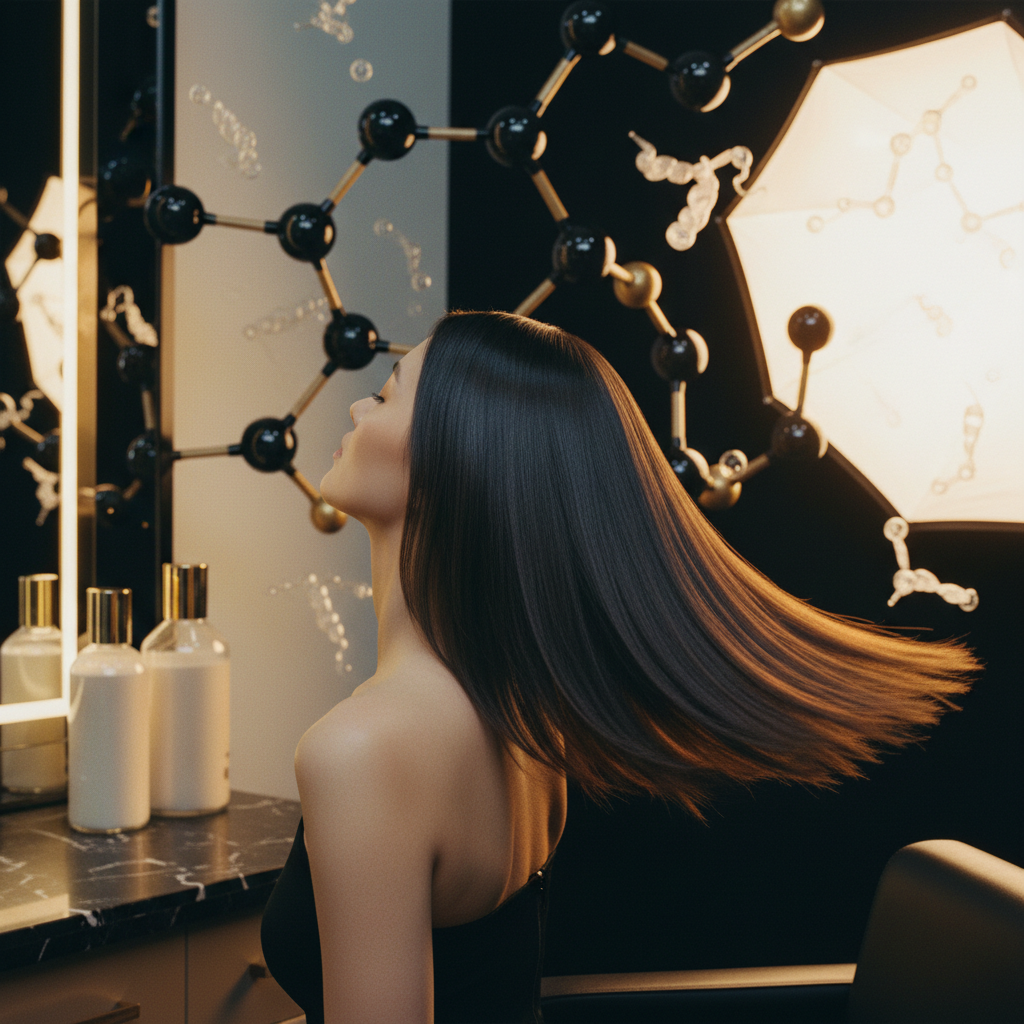
Protein treatments strengthen and repair hair by supplying hydrolyzed proteins that temporarily bind to the hair shaft, improving elasticity and reducing breakage.
What Are Protein Treatments?
Protein treatments are hair conditioning products designed to fortify and repair damaged hair by introducing hydrolyzed proteins. These proteins are broken down into smaller molecules, allowing them to penetrate the hair's cuticle and cortex more effectively. Hair is primarily composed of keratin, a fibrous protein, and when hair is damaged, these protein structures can become compromised.
How Do Protein Treatments Work?
When hair is subjected to chemical processes (colouring, perms, relaxers), heat styling, or environmental aggressors (UV radiation, pollution), the disulfide bonds and keratin structures within the hair can be weakened or broken. This leads to symptoms such as frizz, breakage, split ends, and a general lack of strength and elasticity.
Protein treatments work by temporarily patching these compromised areas. The hydrolyzed proteins in the treatment fill in gaps and attach to the hair shaft, effectively reinforcing its structure. This process helps to:
- Increase Hair Strength: By rebuilding damaged areas, protein treatments make hair more resilient to breakage.
- Improve Elasticity: Hair that snaps easily often lacks protein. Treatments restore elasticity, allowing hair to stretch and return to its original state without breaking.
- Reduce Porosity: Damaged hair often has a raised cuticle, making it highly porous and prone to moisture loss. Protein treatments can help smooth the cuticle, reducing porosity and improving moisture retention.
- Enhance Shine and Smoothness: A smoother cuticle reflects light better, resulting in shinier hair. By filling in rough spots, hair feels smoother to the touch.
Types of Protein Treatments
Protein treatments vary in intensity and are categorized by the size and concentration of the proteins they contain. Choosing the right type depends on the degree of damage and the hair's needs.
Light Protein Treatments
These are often found in daily conditioners or leave-in sprays and contain a low concentration of proteins. They are suitable for maintaining healthy hair and providing a minor boost of strength.
- Frequency: Can be used regularly, often several times a week.
- Benefit: Gentle fortification, preventative care.
Medium Protein Treatments (Deep Conditioners with Protein)
These treatments offer a more significant protein dose than light treatments and are commonly labeled as "deep conditioning masks" or "reconstructors." They are ideal for moderately damaged hair.
- Frequency: Typically used weekly or bi-weekly.
- Benefit: Restores some elasticity, reduces mild breakage.
Intensive Protein Treatments (Reconstructors/Bond Builders)
These are the most potent protein treatments, containing high concentrations of proteins designed for severely damaged, chemically treated, or brittle hair. They often feature smaller, more specialized proteins or amino acids for deeper penetration.
- Frequency: Used sparingly, generally every 4-6 weeks, or as needed for severe damage.
- Benefit: Significant repair of compromised hair structure, addresses severe breakage and chemical damage.
Key Ingredients to Look For
When evaluating protein treatments, look for ingredients such as:
- Hydrolyzed Wheat Protein: Common for its ability to penetrate the hair shaft and strengthen.
- Hydrolyzed Soy Protein: Offers moisturising and strengthening benefits.
- Hydrolyzed Keratin: Directly supplements the hair's natural protein.
- Amino Acids: The building blocks of proteins, these small molecules can penetrate deeply to repair.
- Collagen: Can help improve elasticity and strength.
How to Use a Protein Treatment Effectively
- Cleanse Hair: Wash hair with a clarifying or regular shampoo to remove product buildup, allowing the treatment to penetrate better.
- Apply Treatment: Distribute the protein treatment evenly through damp hair, focusing on mid-lengths and ends where damage is often most prevalent. Avoid applying directly to the scalp unless specified.
- Processing Time: Follow the manufacturer's instructions carefully. Over-processing can lead to protein overload (see below). Times typically range from 5 to 30 minutes.
- Rinse Thoroughly: Rinse hair completely with lukewarm water.
- Follow with Moisturizer: This step is crucial. Protein can make hair feel stiff or dry if not followed by a good moisturising conditioner or deep conditioner. This balances the treatment and restores suppleness.
Protein Overload: When Too Much Protein Is a Bad Thing
While protein is essential for healthy hair, an excess can lead to a condition known as "protein overload." This occurs when there is too much protein on or in the hair shaft relative to its moisture content. Symptoms of protein overload include:
- Stiffness and Brittleness: Hair may feel hard, rigid, and prone to snapping.
- Dullness and Lack of Shine: The hair's surface can become rough.
- Increased Breakage: Paradoxically, too much protein without sufficient moisture can make hair more fragile.
To avoid protein overload, always follow application instructions, gauge your hair's response, and ensure you balance protein treatments with moisturising products.
If you experience protein overload, use a clarifying shampoo to help remove excess protein and follow with a rich, protein-free deep conditioner or hair mask.
When to Use Protein Treatments
Consider a protein treatment if your hair exhibits any of the following signs:
- Breakage and Split Ends: Hair is snapping easily, and ends are fraying.
- Chewy or Gummy Texture: Hair feels overly elastic and stretchy when wet, indicating compromised internal bonds.
- Limpness and Lack of Volume: Hair feels weak and struggles to hold a style.
- High Porosity: Hair absorbs water quickly and dries fast, but also struggles to retain moisture.
- Prior to or After Chemical Services: To prepare hair for processing or to help repair it afterward.
It's important to note that protein treatments provide temporary benefits. Regular use, balanced with moisturising care, is necessary to maintain results, but excessive use can be detrimental.
Find these ingredients in Watermans products
- Wheat Amino Acids, you will find this ingredient in our Heat Protection Spray.