Protective Styling for Afro Hair: An Evidence-Based Guide to Care
12 min read ·
Protective Styling for Afro Hair involves styling methods that minimise manipulation and exposure to environmental stressors, promoting length retention and reducing breakage for afro-textured hair types.
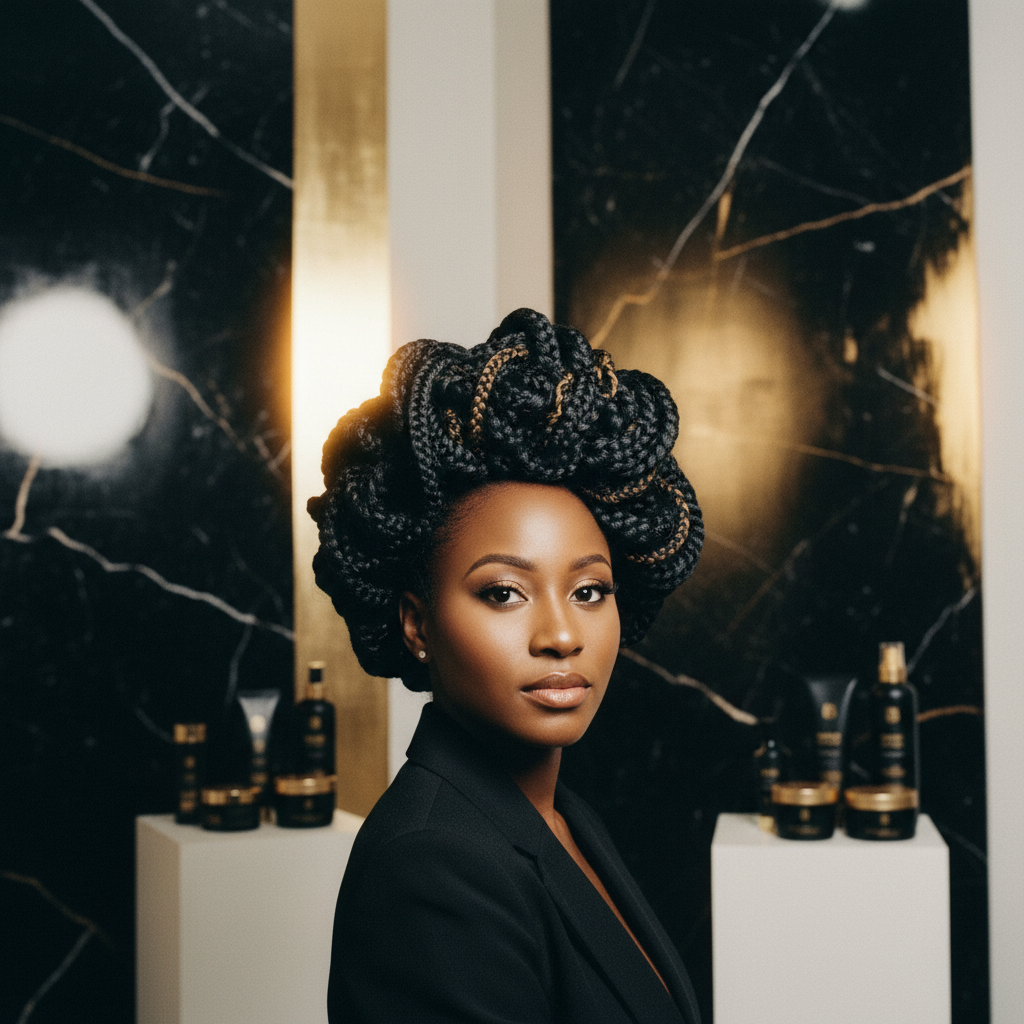
Quick answer: Protective Styling for Afro Hair refers to hairstyles that tuck away the hair's ends, reducing daily manipulation and environmental exposure. This approach helps minimise breakage and retain moisture in afro-textured hair, which is naturally more prone to dryness and damage. While protective styles do not increase hair growth speed, they support length retention by preventing physical stress, though their effectiveness depends on proper installation, maintenance, and duration to avoid issues like traction alopecia or matting.
Key Takeaways
- Minimises Breakage: Protective styles significantly reduce mechanical stress from daily styling, a primary cause of breakage in afro-textured hair.
- Retains Moisture: By tucking away ends and allowing for effective product application, these styles help to seal in moisture, combating the natural dryness of afro-textured hair.
- Supports Length Retention: Although hair growth rate doesn't change, protective styles prevent damage, allowing hair to reach its full growth potential and increasing perceived length.
- Reduces Manipulation: Less frequent styling and combing mean less opportunity for friction and damage to the delicate hair shaft.
- Requires Careful Management: Improper installation (too tight), neglect of scalp health, or leaving styles in too long can counteract benefits, leading to damage or traction alopecia.
Protective Styling for Afro Hair: What the Evidence Shows
Protective Styling for Afro Hair encompasses various techniques designed to minimise manipulation and exposure to environmental stressors, such as friction, wind, and sun. For afro-textured hair, which is characterised by its unique coil and curl pattern, this approach is particularly beneficial. The helical structure of afro-textured hair means it has more points along the fibre where it can bend and fracture compared to straighter hair types. This structural characteristic, combined with a tendency for a more raised cuticle layer, can lead to increased moisture loss and greater susceptibility to mechanical damage (McMichael, 2017). By reducing the need for daily combing and styling, protective styles can help to preserve the integrity of the hair fibre, mitigate breakage, and ultimately support length retention.
Research indicates that frequent manipulation and chemical processes are major contributors to hair damage and breakage in individuals with afro-textured hair (Khumalo et al., 2007). Protective styles work by creating a barrier, sheltering the delicate hair ends, which are the oldest and most fragile parts of the hair shaft. This minimised exposure helps to maintain the hair's natural moisture balance, as the cuticle is less exposed to drying elements, and emollients can be effectively trapped within the style (American Academy of Dermatology Association, n.d.). While protective styles do not accelerate hair growth from the follicle, they allow the hair that has grown to remain intact, leading to a noticeable increase in perceived hair length over time.
The Mechanism: How Protective Styles Protect
The protective mechanism of these styles is multi-faceted. Firstly, they reduce physical stress by limiting daily manipulation, such as brushing, combing, and styling, which can cause friction and breakage. Secondly, by tucking away the hair ends, they shield the most vulnerable parts of the hair from environmental damage. Afro-textured hair often has a high porosity due to its raised cuticle, meaning it can absorb and lose moisture quickly. Protective styles, especially when combined with moisturisers and sealants, help to trap hydration within the hair shaft, reducing dryness and frizz (Goren & Trueb, 2021). The hair is also less exposed to external factors like wind, which can cause tangling and moisture loss, and UV radiation, which can degrade hair protein.
Essential Considerations for Effective Protective Styling
To ensure Protective Styling for Afro Hair genuinely benefits your hair, several critical factors must be addressed. Neglecting these can lead to more damage than protection.
Hair Preparation
Always begin with clean, deeply conditioned, and thoroughly detangled hair. This provides a healthy foundation and minimises tension during the styling process. Applying a leave-in conditioner to damp hair before installation helps to lock in moisture, preparing the hair for the duration of the style. For example, ensuring hair is properly moisturised before styling is crucial, as hair that is already dry and brittle is more susceptible to breakage, even within a protective style. Consider consulting 'How to Moisturise Afro Hair: A Guide to Hydration and Retention' for detailed guidance.
Tension Management
Excessive tension during installation is a significant concern. Styles that are too tight, particularly around the hairline, can lead to traction alopecia. This condition, characterised by gradual hair loss caused by repeated or prolonged pulling on hair follicles, can result in permanent follicle damage if not addressed (Miteva & Tosti, 2014). Styles should always feel comfortable, not painful or tight. If a style causes any discomfort, it is advisable to remove or loosen it immediately. The goal is to protect, not to create new problems.
Moisture and Scalp Care
Even when hair is in a protective style, regular moisturising and scalp care are paramount. Use lightweight moisturising sprays or hair oils that can penetrate the style to keep the hair hydrated. The scalp also requires attention: regularly cleanse to prevent product buildup, which can lead to scalp irritation, itching, and potentially hinder hair health (American Academy of Dermatology Association, n.d.). Scalp exfoliation can also be beneficial to remove dead skin cells and product residue, promoting a healthier environment for hair follicles. For optimal scalp health, refer to 'Understanding Scalp Health: A Foundation for Thriving Hair'.
Duration of Style
The ideal duration for a protective style varies, typically ranging from 2 to 6 weeks, depending on the style's type, hair texture, and individual activity levels. Leaving styles in for too long can lead to significant tangling, matting, product buildup, and even mould growth in damp conditions, making the takedown process extremely difficult and potentially causing more damage than benefit. It's a balance between minimising manipulation and maintaining hygiene and hair integrity.
Takedown Process
Proper takedown is as crucial as proper installation. Always dampen hair with water and apply a detangling conditioner or oil before carefully unraveling or undoing the style. This lubricates the hair, making it easier to separate strands and minimising breakage. Work in small sections, exercising patience and gentleness to avoid unnecessary pulling or snapping of the hair. Rushing this step can undo all the benefits of the protective style.
Signs of an Unhealthy Protective Style
An improperly installed or maintained protective style can do more harm than good. Look out for these signs:
- Pain or Discomfort: The most immediate sign. If your scalp feels tight, sore, or itchy, the style is likely too tight.
- Redness or Bumps: Inflammation around the hair follicles, especially at the hairline, indicates excessive tension or irritation.
- Scalp Flakiness or Itching: Can signal product buildup, dryness, or a lack of proper scalp cleansing.
- Hair Breakage During Takedown: If you notice excessive shedding or hair snapping during the removal process, it suggests the style was either too tight, left in too long, or the hair wasn't adequately prepared.
- Hair Thinning at the Temples/Hairline: A classic sign of traction alopecia, often caused by consistent pulling in these delicate areas.
Comparing Common Protective Styling Methods
Different protective styles offer varying benefits and considerations. Here's a comparison of some popular options:
| Style Type | Best For | Typical Duration | Maintenance | Key Considerations |
|---|---|---|---|---|
| Braids | Length retention, versatility, low manipulation | 4 to 8 weeks | Daily moisturising, regular scalp cleansing | Can be heavy if too much synthetic hair is added, leading to tension. Ensure roots are not too tight. |
| Twists | Moisture retention, gentler tension, easy access to scalp | 2 to 4 weeks | Daily moisturising, less prone to tension | May frizz more quickly than braids; can require more frequent re-styling. |
| Buns/Updos | Quick daily protection, minimal commitment | 1 to 3 days | Gentle styling, avoid excessive tension | Ends must be fully tucked away. Avoid pulling too tightly; use soft ties. |
| Wigs/Weaves | Maximum protection, style versatility | 2 to 8 weeks | Under-hair care, wig/weave cleaning | Requires proper installation to allow scalp breathability. Regular cleansing and moisturising of underlying hair is essential. |
| Crochet Braids | Blend of braids and weaves, lower tension options | 4 to 8 weeks | Scalp care, light moisturising | Ensure cornrows underneath are not too tight. Can sometimes cause friction with hair if not installed correctly. |
What You Can Do: Optimising Your Protective Styling Practice
To maximise the benefits of Protective Styling for Afro Hair, adopt a holistic approach:
- Prioritise Preparation: Always start with freshly cleansed, deep-conditioned, and thoroughly detangled hair. This reduces the likelihood of knotting and breakage during installation. 'How to Detangle Afro Hair Without Breakage: An Evidence-Based Guide' offers useful techniques.
- Moisturise and Seal: Apply a leave-in conditioner followed by an oil or butter (e.g., shea butter, jojoba oil) before and during the styling process to lock in moisture. Continue to moisturise your hair and scalp regularly while the style is in place.
- Mind the Tension: Insist on styles that are comfortable, not tight. Communicate with your stylist if you feel any pulling or pain. Look for signs of inflammation or bumps around the hairline, and address them immediately.
- Cleanse Your Scalp: Use a diluted shampoo or a dedicated scalp cleanser to keep your scalp clean and free from buildup, especially if you use many products. Frojus shampoo and conditioner are designed to support afro-textured hair without stripping natural oils.
- Limit Duration: Adhere to recommended timelines for your specific style to prevent excessive matting and buildup. Overextending a style can lead to more damage during removal.
- Gentle Takedown: Dedicate sufficient time to carefully and gently remove your protective style. Use a detangling product to aid the process and work in small sections.
- Incorporate Rest Periods: Allow your hair and scalp some time to breathe between protective styles. This can involve wearing your hair out in low-manipulation styles for a week or two, focusing on deep conditioning and scalp treatments.
When to Seek Professional Advice
While Protective Styling for Afro Hair is generally beneficial, there are times when professional input is advisable. If you experience persistent scalp itching, redness, inflammation, or any signs of hair thinning, especially along the hairline or temples, consult a dermatologist or trichologist. These symptoms could indicate traction alopecia, fungal infections, or other scalp conditions that require medical diagnosis and treatment. Early intervention is key to preventing long-term damage, such as permanent hair loss from traction alopecia (Pulickal et al., 2021). A professional can assess the health of your scalp and hair, provide an accurate diagnosis, and recommend appropriate treatments or modifications to your hair care regimen.
Frequently Asked Questions About Protective Styling for Afro Hair
Does Protective Styling for Afro Hair make hair grow faster?
No, Protective Styling for Afro Hair does not inherently accelerate the rate of hair growth from the follicle. Hair typically grows at an average rate of about 1 to 1.25 centimetres per month, regardless of styling. However, by significantly reducing breakage and manipulation, protective styles allow the hair to retain more of its length, leading to a noticeable increase in perceived length over time. It's about length retention, not faster growth.
How often should I moisturise my hair when it's in a protective style?
Moisturising frequency depends on your hair's natural dryness and the products you use. Generally, every 2 to 3 days is a good starting point for most protective styles. Use a lightweight leave-in conditioner or a hair oil mist that can penetrate the style without causing excessive buildup. Focus on your scalp and the visible parts of your hair. Adjust as needed based on how your hair feels.
Can children have protective styles?
Yes, children can wear protective styles, but it's crucial to ensure they are installed very loosely to avoid any tension on their delicate hair follicles. Tight styles can easily lead to discomfort, scalp irritation, and traction alopecia in children. Opt for simpler, looser styles, avoid adding heavy extensions, and regularly check for signs of discomfort or tightness. Prioritise comfort and hair health over aesthetics.
What are the best products to use with protective styles?
Look for lightweight, water-based leave-in conditioners to provide hydration, and natural oils (like jojoba, argan, or grapeseed) to seal in moisture without causing heavy buildup. Scalp tonics with ingredients like peppermint or rosemary can support scalp health. Watermans Haircare products, including their range for afro hair, are formulated to cleanse gently and provide essential moisture without harsh chemicals.
How do I prevent product buildup in protective styles?
To prevent product buildup, choose lightweight products and apply them sparingly. Focus on hydrating the hair and scalp rather than saturating it. Use a diluted shampoo or a dedicated scalp cleansing spray every 1 to 2 weeks to gently clean the scalp through the style. Watermans shampoos are designed to cleanse effectively without stripping.
Is it okay to leave a protective style in for longer than 8 weeks?
Leaving a protective style in for longer than 8 weeks is generally not recommended. Beyond this period, hair can begin to mat and tangle significantly, leading to difficulty during takedown and potentially more breakage. Excessive buildup of shed hair within the style can also occur, and maintaining proper scalp hygiene becomes challenging. It's better to remove the style, thoroughly cleanse and condition your hair, and allow a short rest period before re-styling.
Maintaining the Health of Afro-Textured Hair Through Protective Styling for Afro Hair
Protective Styling for Afro Hair is an invaluable strategy for managing and preserving the health of afro-textured hair. By understanding the unique structural properties of this hair type and implementing protective practices thoughtfully, individuals can significantly reduce mechanical damage, minimise moisture loss, and promote length retention. However, the success of these styles hinges on meticulous preparation, diligent scalp and hair care throughout the style's duration, and a gentle, patient takedown process. When chosen and maintained correctly, protective styles provide an effective barrier against daily stressors, contributing to stronger, healthier, and more resilient afro hair. Always listen to your hair and scalp, making adjustments as needed to ensure genuine protection.
Sources and References
- American Academy of Dermatology Association. (n.d.). Hair care tips for people with skin of color. Retrieved from aad.org
- Goren, A., & Trueb, R. M. (2021). Hair Loss in Women: Medical and Cosmetic Approaches. CRC Press.
- Khumalo, N. P., Jessop, S., Gumedze, F., & Ehrlich, R. (2007). Hair practices and their effects on the scalp and hair in African women. Journal of the American Academy of Dermatology, 57(6), 1007-1017.
- McMichael, A. J. (2017). Hair and Scalp Disorders. In K. B. Eichenfield, I. Frieden, & A. L. Mathes (Eds.), Textbook of Pediatric Dermatology (4th ed.). Elsevier.
- Miteva, M., & Tosti, A. (2014). Traction alopecia. Annales de Dermatologie et de Vénéréologie, 141(10), 661-667.
- Pulickal, J. T., Antezana, A. A., & Al Aboud, D. (2021). Traction Alopecia. StatPearls Publishing. Retrieved from pubmed.ncbi.nlm.nih.gov/30571009/
Find these ingredients in Watermans products
- Rosemary Extract: you will find this ingredient in our Hair Growth Shampoo.
- Shea Butter: you will find this ingredient in our Curly Hair Conditioner.