Protective Hairstyles
4 min read ·
Protective hairstyles are styles that tuck away the ends of the hair, minimising manipulation and exposure to environmental stressors to promote hair health.
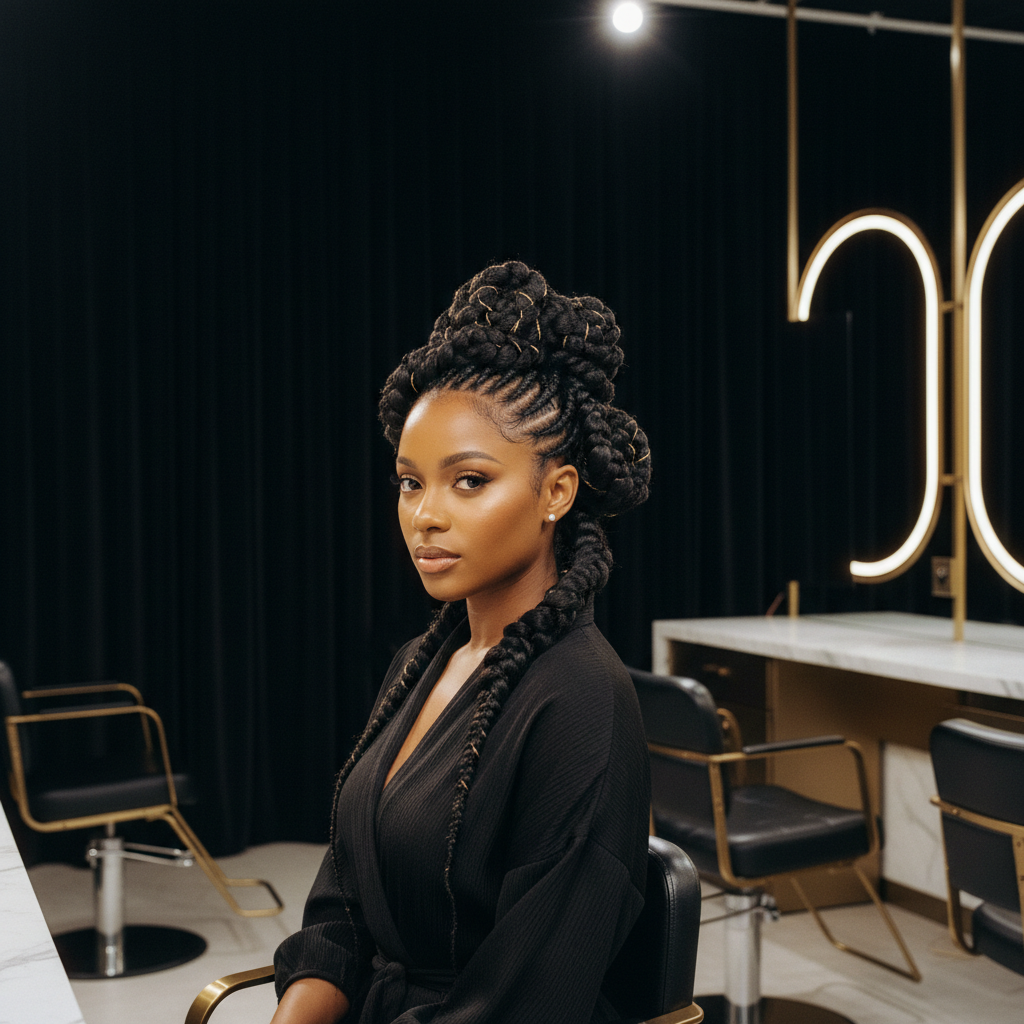
Protective hairstyles are styling methods designed to minimise manipulation, prevent breakage, and shield hair from environmental damage. By securing the hair, often by tucking away the ends, these styles reduce friction, tangling, and exposure to external factors such as harsh weather and pollution. This can be particularly beneficial for hair growth and retention, especially for individuals with textured or fragile hair types.
The Purpose of Protective Styling
The primary goal of protective styling is to safeguard the hair shaft from physical and environmental damage. This leads to several benefits:
- Reduced Breakage: Constant styling, brushing, and friction can lead to mechanical damage and split ends. Protective styles keep the hair, particularly the delicate ends, tucked away and less exposed to these stressors.
- Moisture Retention: When hair is styled close to the scalp or braided, it is less exposed to dry air, which can help retain natural moisture or applied hydrators. This is crucial for maintaining elasticity and preventing brittleness.
- Length Retention: By reducing breakage, protective styles allow the hair to reach its full growth potential. While hair typically grows at an average rate of 0.5 inches per month, minimizing damage ensures that this new growth is retained rather than lost to breakage.
- Low Manipulation: These styles require less daily handling, brushing, and heat styling, giving the hair a break from potential damage.
- Versatility: Many protective styles offer aesthetic versatility and can be adapted for various occasions, from casual to formal.
Common Types of Protective Hairstyles
Protective styles vary widely in their application, duration, and required skill level. Some common examples include:
- Braids: This broad category includes box braids, cornrows, French braids, Dutch braids, and Ghana braids. They involve interweaving three or more strands of hair. Braids can be installed with or without added hair extensions.
- Twists: Styles such as two-strand twists, Senegalese twists, Marley twists, and Havana twists involve twisting two sections of hair around each other. Like braids, twists can be done with natural hair or with extensions.
- Buns and Updos: Simple buns, chignons, and more intricate updos can be protective when the ends are fully tucked away. The key is to avoid styles that pull too tightly on the hairline.
- Wigs and Weaves: When installed and maintained correctly, wigs and weaves can offer significant protection by completely covering and shielding the natural hair underneath. It is essential to ensure the natural hair is properly moisturised and lightly braided before wearing a wig or weave.
- Locs: While a long-term commitment rather than a temporary style, well-maintained locs are inherently protective, as the hair is sectioned and locked into a permanent formation, significantly reducing daily manipulation.
Considerations for Effective Protective Styling
To maximise the benefits of protective styles and prevent unintended damage, several factors must be considered:
- Hair Cleanliness: Always start with clean hair. Build-up on the scalp can lead to irritation or impede hair health under a long-term style.
- Moisture: Ensure hair is well-moisturised before and during the protective style. A leave-in conditioner or hair oil can be applied to the hair strands to lock in hydration.
- Tension: Avoid excessive tension, especially at the hairline and scalp. Styles that are too tight can lead to traction alopecia, a form of hair loss caused by prolonged pulling on the hair follicles. If a style causes discomfort or bumps on the scalp, it is too tight.
- Edge Care: The hairline, or "edges," is particularly delicate. Use gentle techniques and avoid styles that put undue stress on this area.
- Duration: Do not leave protective styles in for too long. While the exact duration varies based on hair type, style, and maintenance, generally, 4-8 weeks is a common range. Keeping styles in for too long can lead to excessive matting, tangling, and product build-up, which can cause breakage upon removal.
- Maintenance: Even in a protective style, the scalp and hair still require attention. Regularly cleanse the scalp, gently moisturise, and protect the style at night with a silk or satin scarf or bonnet to reduce frizz and friction.
- Removal: Be patient and gentle when removing a protective style. Detangle carefully, section by section, and use a conditioner or detangling product to ease the process and prevent breakage.
Protective Styling and Hair Health
Protective hairstyles are a valuable tool in a holistic hair care regimen, particularly for those aiming to reduce breakage and achieve length retention. By creating a barrier against external aggressors and minimising daily manipulation, these styles contribute to an environment conducive to healthy hair growth.
Comparison of Common Protective Styles
| Style Type | Primary Benefit | Typical Duration | Skill Level Required |
|---|---|---|---|
| Braids (e.g., Box) | Length retention, versatility | 4-8 weeks | Moderate to Advanced |
| Twists (e.g., 2-strand) | Moisture retention, low manipulation | 1-4 weeks | Beginner to Moderate |
| Buns/Updos | Quick styling, minimal exposure | 1-3 days | Beginner |
| Wigs/Weaves | Full coverage, style versatility | 2-8 weeks (for weave) | Beginner (wig) to Advanced (weave installation) |
It is important to remember that a "protective" style only remains protective if properly installed and maintained. Neglecting hair health while in a protective style can be counterproductive, leading to more damage than benefit.