Protecting the Scalp Barrier: The Complete Reference Guide
8 min read ·
Protecting the scalp barrier preserves skin lipids, halts irritation, and reduces excess shedding. Learn the science and practical steps for a healthy scalp.

Quick answer: Protecting the scalp barrier involves preserving the stratum corneum, its lipid matrix, and the acidic mantle to prevent transepidermal water loss and chronic inflammation. Effective habits include using mild, pH-balanced cleansers (pH 4.5 to 5.5), avoiding scalding water, and incorporating barrier-supportive lipids like ceramides and squalane. While protecting the scalp barrier creates optimal conditions for hair growth and reduces shedding from irritation, cosmetic treatments cannot alter genetic forms of hair loss such as androgenetic alopecia.
Key takeaways
- The scalp barrier relies on an acidic pH (between 4.5 and 5.5) and a precise lipid matrix to keep out pathogens and retain moisture.
- Common disruptors include harsh anionic surfactants, hot water washing, chemical processing, and environmental stressors.
- Barrier compromise often mimics dandruff, but true dehydration requires lipid replenishment rather than aggressive stripping.
- Chronic scalp inflammation can trigger premature catagen entry, leading to excessive hair shedding, though it does not cause miniaturisation on its own.
- Simple routine adjustments, such as washing in lukewarm water and using physiological lipids, can repair damaged stratum corneum function within two to four weeks.
Protecting the Scalp Barrier: what the evidence shows
Protecting the scalp barrier is essential because the scalp features a higher density of follicular openings and sebaceous glands than any other area of the skin. Research shows that the stratum corneum on the scalp is thinner and more permeable than that of the forearm or cheek. This architectural vulnerability makes it particularly prone to barrier impairment when exposed to harsh detergents or mechanical stress.
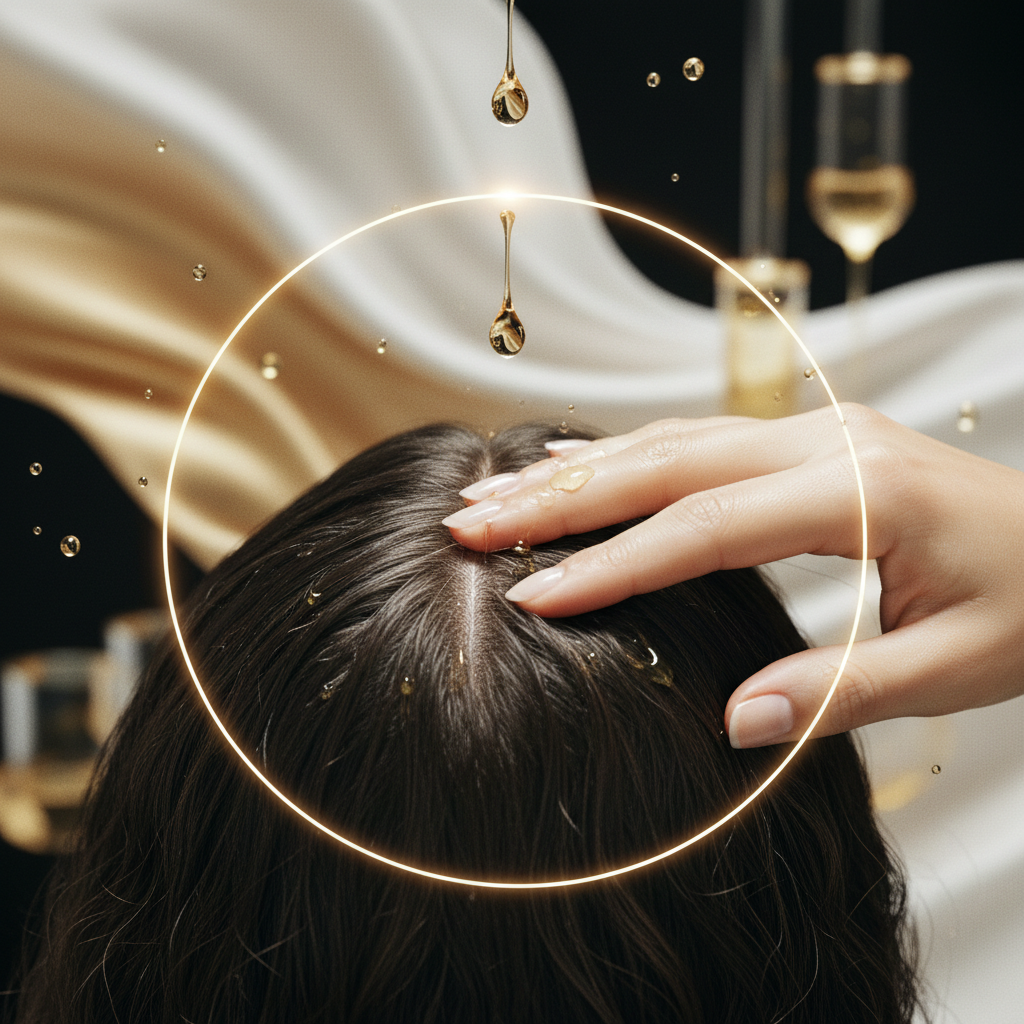
Clinical dermatology confirms that when the lipid matrix (consisting of roughly 50% ceramides, 25% cholesterol, and 15% free fatty acids) is depleted, transepidermal water loss (TEWL) rises dramatically. When TEWL spikes, micro-organisms such as Malassezia yeasts penetrate deeper into the epidermis, generating free fatty acid by-products that incite inflammatory cascades. Studies published in the International Journal of Trichology demonstrate that chronic barrier dysfunction and subclinical inflammation around the hair follicle can elevate oxidative stress, destabilise the hair anchor, and lead to increased telogen shedding.
What the evidence does not show
There is no clinical evidence showing that maintaining an intact barrier will reverse pattern baldness (androgenetic alopecia). While a healthy scalp provides the necessary biological ground for hair growth, barrier restoration does not inhibit dihydrotestosterone (DHT) binding to androgen receptors inside susceptible follicles.
Furthermore, evidence does not support the idea that the scalp requires daily heavy oiling. Saturating an already compromised scalp with dense plant oils can disrupt the resident microbiome. Yeasts thrive on specific free fatty acids, meaning unrestrained oil application can worsen barrier-related conditions like seborrhoeic dermatitis rather than resolving them.
The biological mechanisms behind barrier defence
The scalp barrier operates as a dual-action shield: a physical lipid brick-and-mortar wall and an acidic chemical mantel.
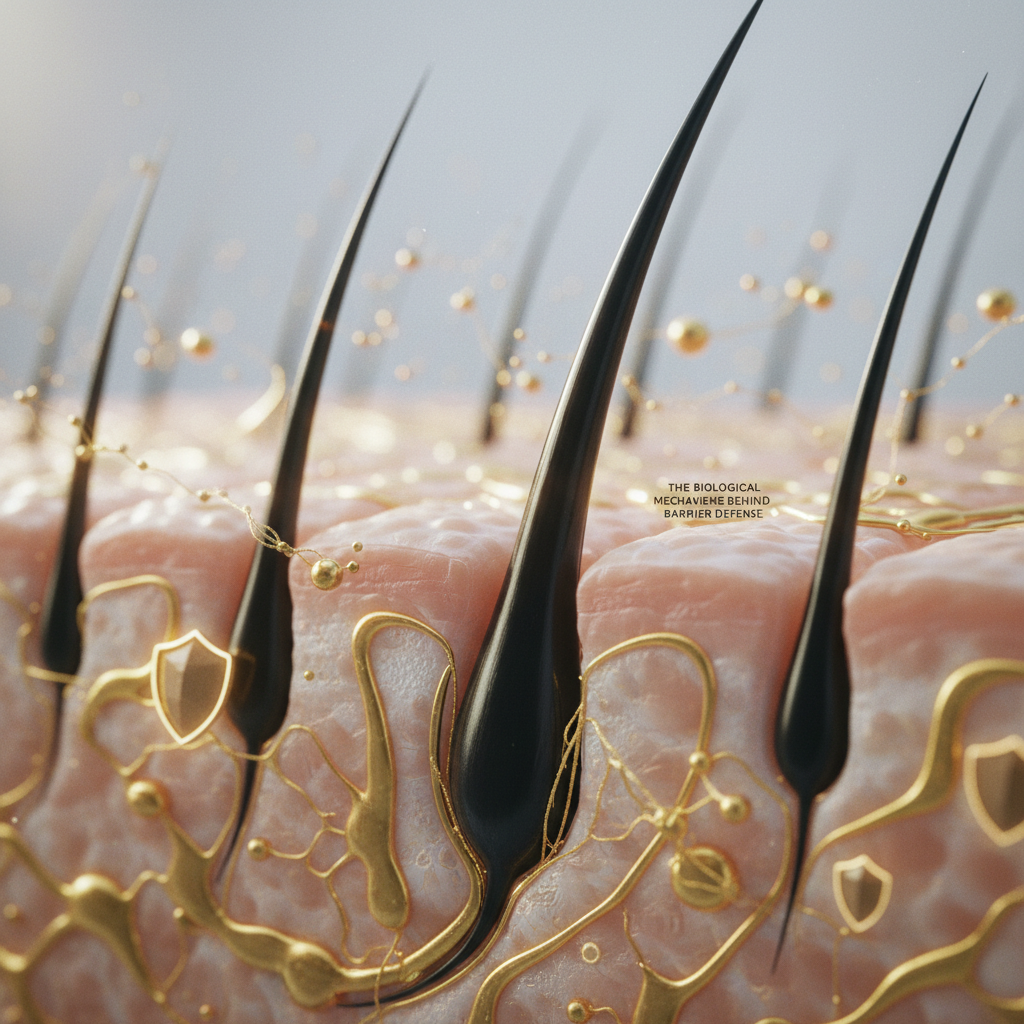
- The physical shield: Corneocytes (the bricks) are held together by a multi-lamellar lipid mixture (the mortar). Ceramides ensure cohesive structure, cholesterol maintains fluidity, and free fatty acids govern structural rigidity.
- The acid mantle: The healthy scalp maintains an acidic surface pH between 4.5 and 5.5. This acidity is vital for two reasons. It regulates the enzymes that synthesise ceramides, and it suppresses pathogenic bacterial growth while supporting benign commensal flora.
- The microbiome buffer: Commensal bacteria and yeasts feed on sebum, producing antimicrobial peptides and organic acids that reinforce the skin barrier. When you use alkaline soaps or overly stripping sulfates, the surface pH can shift toward 7.0 or higher, disabling ceramide-producing enzymes and leaving the tissue vulnerable for up to 48 hours.
Signs your scalp barrier is compromised
Identifying barrier damage early prevents prolonged inflammation. The symptoms often overlap with classic flaking conditions, making careful observation essential:
- Persistent tightness and dryness: A feeling of constriction, especially within an hour after washing.
- Pruritus (itching) without heavy grease: Pruritus driven by moisture depletion and sensory nerve activation rather than excess fungal growth.
- Fine, powdery flakes: Unlike the thick, yellowish, oily flakes associated with seborrhoeic dermatitis, barrier-damaged flakes are generally small, translucent, and dry.
- Erythema (redness) and burning: Stinging sensations when applying everyday cosmetic products or water.
- Increased shedding: A noticeable rise in shed hairs accumulating on brushes or in the shower drain due to micro-inflammation surrounding the infundibulum.
Comparing scalp conditions
| Feature | Compromised Scalp Barrier | Dandruff (Pityriasis Capitis) | Seborrhoeic Dermatitis |
|---|---|---|---|
| Primary Cause | Stripped lipids, elevated pH, disrupted TEWL | Overgrowth of Malassezia yeasts | Hyper-seborrhoea, fungal proliferation, inflammatory response |
| Flake Texture | Small, dry, translucent, powdery | Loose, white to grey, moderately greasy | Thick, yellowish, waxy, adherent scales |
| Scalp Surface | Dry, taut, red, reactive | Normal to mildly oily | Distinctly oily, inflamed, erythematous plaques |
| Main Sensation | Stinging, burning, tightness | Intermittent itching | Intense, chronic itching and soreness |
| Primary Intervention | Barrier replenishment, mild pH cleansers | Antifungal agents (ketoconazole, zinc pyrithione) | Medicated antifungals, topical anti-inflammatories |
Practical steps for protecting the scalp barrier
Restoring the scalp barrier requires gentle cleansing, active barrier replenishment, and mechanical caution.
1. Optimise your cleansing routine
Switch to a surfactant system with an acidic pH between 4.5 and 5.5. Look for mild amphoteric or non-ionic cleansers such as cocamidopropyl betaine, decyl glucoside, or sodium cocoyl isethionate. Avoid harsh anionic cleansers that disrupt the lipid bilayers. Always wash with lukewarm water; water above 40 degrees Celsius strips structural lipids and elevates surface permeability.
2. Supply physiological lipids and humectants
Apply topical leave-on products formulated with humectants and physiological lipids. Glycerin, hyaluronic acid, and panthenol (provitamin B5) draw moisture into the stratum corneum, while bio-identical ceramides, squalane, and cholesterol seal the gaps between corneocytes.
3. Minimize chemical and thermal trauma
Delay chemical treatments such as permanent bleaching, relaxing, or oxidative colouring if your scalp shows signs of erythema or burning. When using blow dryers, maintain a distance of at least 15 centimetres and select a medium or cool heat setting to avoid evaporative water loss from the scalp skin.
4. Support from within
Adequate intake of essential fatty acids (specifically omega-3 and omega-6 pathways) supports epidermal lipid production. Drinking sufficient water maintains overall skin turgor, although topical protection remains the primary line of defence against external barrier disruption.
When the cause may be something else
If your scalp remains inflamed despite adopting a barrier-repair regimen, the root cause may be dermatological rather than cosmetic:
- Scalp psoriasis: Produces thick, silvery scales with well-demarcated edges and can bleed when scraped (Auspitz's sign).
- Contact dermatitis: An allergic reaction to specific fragrance components, preservatives (such as methylisothiazolinone), or hair dye chemicals (such as paraphenylenediamine, or PPD).
- Cicatricial (scarring) alopecia: Conditions like lichen planopilaris or frontal fibrosing alopecia involve permanent follicle destruction and require urgent clinical intervention.
When to seek professional advice
Seek guidance from a dermatologist, trichologist, or GP if you experience:
- Severe, persistent pain, burning, or oozing lesions.
- Patchy hair loss accompanied by visible redness, scaling, or pustules.
- No noticeable improvement after three weeks of gentle, barrier-friendly care.
- Thick plaques that extend past the hairline onto the forehead or neck.
Caring for your scalp with Watermans
A healthy hair routine begins at the surface of the skin. Watermans formulations are built on the principle that hair fibres thrive best when the underlying scalp ecosystem is balanced, hydrated, and calm. Watermans GrowMe Shampoo delivers a nourishing wash designed to lift impurities without ruthlessly stripping the surface lipid barrier, while the complementary condition and serum treatments supply targeted nutrients and moisture to keep your scalp feeling resilient, refreshed, and comfortable.
Frequently asked questions about Protecting the Scalp Barrier
How long does protecting the scalp barrier take to show results?
When you eliminate harsh surfactants and scalding water, your scalp starts repairing its stratum corneum within hours. Significant improvements in hydration, flaking, and comfort typically appear within two to four weeks, matching the natural turnover cycle of epidermal cells (approximately 28 days).
Can protecting the scalp barrier stop hair thinning?
Protecting the scalp barrier helps reduce excess hair shedding caused by surface inflammation and micro-irritation. However, it cannot alter genetic hair thinning, such as female or male pattern baldness, which is governed by follicle sensitivity to androgen hormones rather than outer skin barrier health.
Does washing hair daily damage the scalp barrier?
Daily washing does not inherently damage the barrier if you use a gentle, low-pH shampoo and lukewarm water. Damage occurs when aggressive, high-pH detergents strip the protective lipids faster than the skin can replenish them, leaving the tissue vulnerable to water loss.
Can scalp scrubs harm my skin barrier?
Yes. Coarse physical scrubs with large, irregular particles can cause micro-tears in the stratum corneum, stripping away vital barrier lipids. If you choose to exfoliate, opt for gentle, mild chemical exfoliants like low-percentage lactic acid, and limit use to once a week.
Summary
Protecting the scalp barrier is a foundational requirement for sustained hair health and scalp comfort. When you preserve the stratum corneum, respect the natural acidic pH of your skin, and replenish structural lipids, you halt the cycle of chronic micro-inflammation and transepidermal water loss. By choosing mild cleansers, moderating water temperature, and treating the scalp with the same gentle care you afford facial skin, you create a balanced environment where hair can anchor and grow securely.
Sources and references
- British Association of Dermatologists. Guidelines for the management of contact dermatitis and inflammatory scalp conditions.
- International Journal of Trichology. Transepidermal water loss and scalp barrier dynamics in relation to follicular health, 2018.
- Journal of the European Academy of Dermatology and Venereology. The role of the skin barrier and microbiome in scalp disorders, 2020.
- Clinical and Experimental Dermatology. The physiological lipid structure of the human stratum corneum and its role in barrier function, 2019.
Find these ingredients in Watermans products
- Zinc: you will find this ingredient in our Hair Vitamins.
- Panthenol (Provitamin B5): you will find this ingredient in our Heat Protection Spray.