Product Formulations Explained
5 min read ·
Understanding the fundamental components of haircare products reveals how they interact with hair and scalp to deliver desired results.
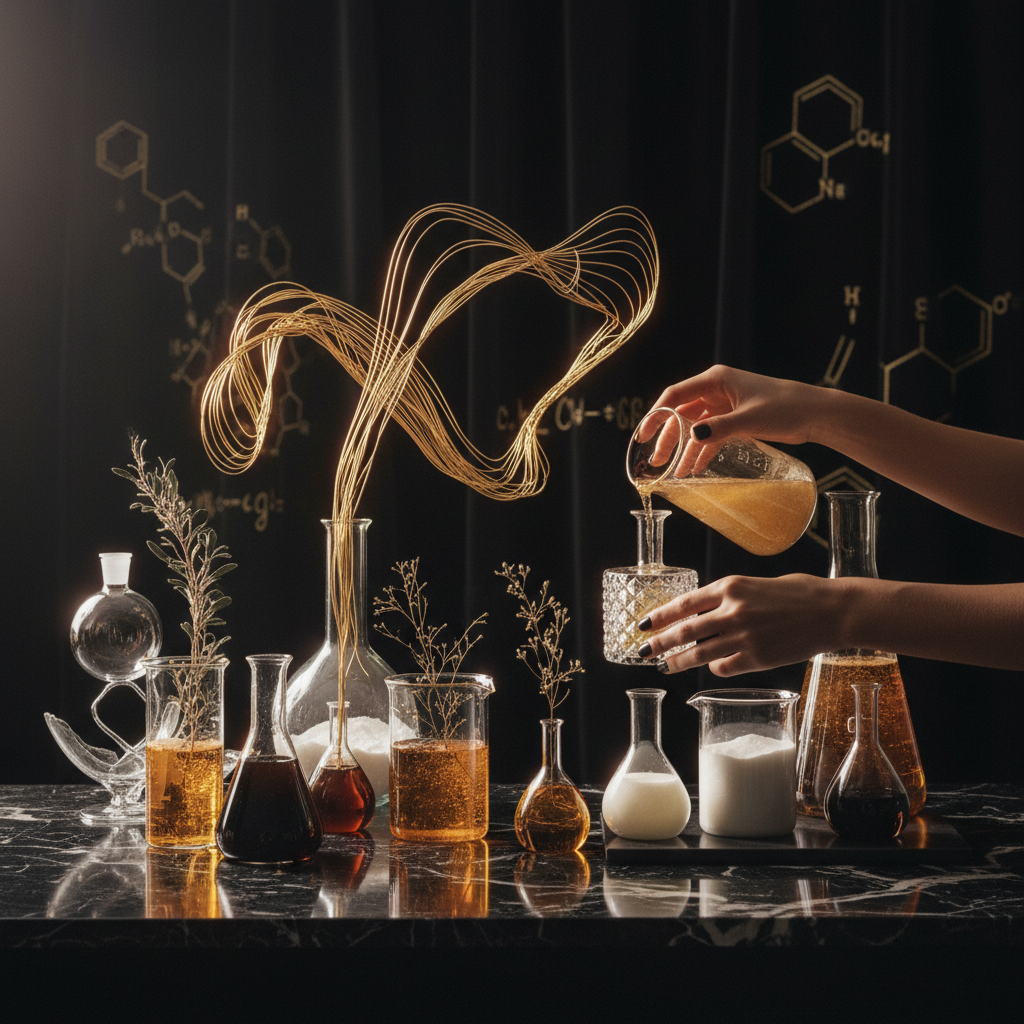
Haircare products are complex mixtures of chemical ingredients, each chosen for a specific purpose. These formulations are designed to cleanse, condition, treat, and style hair, addressing a wide range of concerns from dryness and damage to frizz and thinning. The effectiveness of a product largely depends on the synergistic action of its ingredients and their concentration.
Key Ingredient Categories
Most haircare products contain ingredients from several key categories:
- Surfactants: These are the primary cleansing agents in shampoos. They reduce the surface tension of water, allowing it to mix with oils and dirt, which can then be rinsed away. Surfactants also create lather.
- Conditioning Agents: These ingredients improve the feel, appearance, and manageability of hair. They typically work by smoothing the cuticle, reducing static, and imparting shine. Common conditioning agents include silicones, fatty alcohols, and quats (quaternary ammonium compounds).
- Emollients: These ingredients soften and smooth the hair, often by forming a protective film. Oils and esters are common emollients.
- Humectants: These attract and retain moisture from the air, helping to hydrate the hair. Glycerin and hyaluronic acid are examples of humectants.
- Proteins: Hydrolyzed proteins (broken down into smaller fragments) can penetrate the hair shaft to strengthen and repair damaged areas. Keratin and wheat protein are frequently used.
- Thickeners/Rheology Modifiers: These adjust the viscosity of a product, making it easier to dispense and apply. Polymers and gums are common thickeners.
- Preservatives: These prevent the growth of bacteria, yeast, and mold, extending the shelf life of a product. Without preservatives, products can become contaminated and unsafe.
- pH Adjusters: Hair and scalp have a slightly acidic pH (typically between 4.5 and 5.5). PH adjusters are used to ensure the product's pH is compatible, which helps to keep the cuticle smooth and minimise irritation. Citric acid is a common pH adjuster.
- Fragrances and Colorants: These are added for aesthetic appeal, though they do not contribute to the efficacy of the product. They can sometimes be a source of sensitivity for some individuals.
- Active Ingredients: These are ingredients specifically added to address particular hair or scalp concerns, such as hair growth stimulants, anti-dandruff agents, or UV protectants.
The Role of pH in Haircare
The pH (potential of hydrogen) scale measures how acidic or alkaline a substance is, ranging from 0 (highly acidic) to 14 (highly alkaline), with 7 being neutral. Hair and scalp thrive in a slightly acidic environment. Most acidic products (pH 4.5-5.5) help to keep the hair cuticle, the outermost layer of the hair shaft, closed and flat. A closed cuticle reflects light better, resulting in shinier hair, and helps to lock in moisture and protect the inner cortex. Alkaline products (pH above 7) can cause the cuticle to swell and open, leading to frizz, dullness, and increased susceptibility to damage. For instance, many chemical treatments like perms and hair dyes are alkaline to open the cuticle and facilitate chemical changes within the hair.
Common Product Types and Their Formulations
Shampoos
The primary function of shampoo is to cleanse the hair and scalp. Their formulations are dominated by surfactants, which create lather and lift away dirt and oil. Different types of shampoos contain varying concentrations and types of surfactants:
- Sulfate Shampoos: Contain strong surfactants like sodium lauryl sulfate (SLS) or sodium laureth sulfate (SLES), known for their effective cleansing and rich lather. While effective, some individuals find them too stripping.
- Sulfate-Free Shampoos: Utilize milder surfactants that still cleanse effectively but produce less lather and are often preferred for colour-treated or dry hair.
- Clarifying Shampoos: Often have a higher concentration of stronger surfactants to remove product buildup and mineral deposits.
- Conditioning Shampoos: Contain both cleansing and conditioning ingredients, providing a milder cleanse with added hydration.
Conditioners
Conditioners are designed to moisturise, detangle, and smooth the hair, typically applied after shampoo. Their formulations emphasise conditioning agents, emollients, and humectants.
- Rinse-Out Conditioners: The most common type, providing daily detangling and hydration.
- Leave-In Conditioners: Lighter formulations designed to remain on the hair, offering continuous moisture, detangling, and heat protection.
- Deep Conditioners/Hair Masks: Richer, more concentrated formulations with higher levels of conditioning agents, proteins, and emollients, designed for intensive treatment and repair.
Treatments and Serums
These products are highly concentrated with active ingredients to address specific concerns.
- Hair Growth Serums: Often contain ingredients like peptides, vitamins, and botanical extracts that stimulate the scalp and hair follicles. For example, Watermans products include hydrolyzed lupin protein and caffeine, which are known to support hair growth.
- Heat Protection Sprays: Create a barrier on the hair shaft to minimise damage from heat styling tools. They often contain silicones and polymers.
- Styling Products: Gels, mousses, sprays, and creams contain polymers that create hold, add texture, and control frizz. The specific polymers and their concentrations determine the level of hold and flexibility.
Emulsion Science in Haircare
Many haircare products, especially conditioners and creams, are emulsions. An emulsion is a mixture of two or more liquids that are normally immiscible (don't mix), such as oil and water. Emulsifiers are ingredients that stabilise these mixtures, preventing them from separating. Without emulsifiers, a product like a conditioner would separate into distinct oil and water layers. The stability of an emulsion is critical for product consistency, efficacy, and shelf life.
The Importance of Ingredient Concentration
The order of ingredients on a product label, known as the International Nomenclature of Cosmetic Ingredients (INCI) list, indicates their concentration. Ingredients are listed in descending order of concentration; the ingredient present in the highest amount is listed first, and so on. Understanding this can provide insight into a product's primary function. For example, if a
Find these ingredients in Watermans products
- Caffeine, you will find this ingredient in our Hair Growth Shampoo.