Understanding Postpartum Hair Changes
6 min read ·
Postpartum Hair Changes are a common and temporary experience for many new mothers, involving increased hair shedding.

Quick answer: Postpartum Hair Changes refer to the temporary increase in hair shedding that many new mothers experience, typically starting around three months after childbirth. This phenomenon, known as telogen effluvium, is a normal physiological response to hormonal shifts. While it can be alarming, it rarely leads to permanent hair loss and hair density usually returns to normal within 6 to 12 months. It's important to distinguish this shedding from actual hair loss conditions.
Key takeaways
- Increased Shedding is Normal: Most new mothers experience noticeable hair shedding a few months after giving birth, a common Postpartum Hair Change.
- Hormonal Shift is the Cause: The main reason for this shedding is a rapid drop in oestrogen levels following childbirth.
- It's Temporary: This type of hair shedding, telogen effluvium, is typically temporary, with hair density often returning to normal within a year.
- Not True Hair Loss: Postpartum shedding is hair shedding, not hair loss. Follicles are not damaged, and new hair will grow.
- Manageable with Care: Gentle hair care practices and a balanced diet can support healthy hair during this period.
Postpartum Hair Changes: what the evidence shows
Postpartum Hair Changes, specifically increased hair shedding, are a well-documented physiological response to pregnancy and childbirth. This phenomenon, known medically as postpartum telogen effluvium, affects a significant number of women. During pregnancy, elevated oestrogen levels prolong the anagen (growth) phase of the hair cycle. This means fewer hairs enter the telogen (resting) phase, resulting in thicker, fuller hair for many expectant mothers.
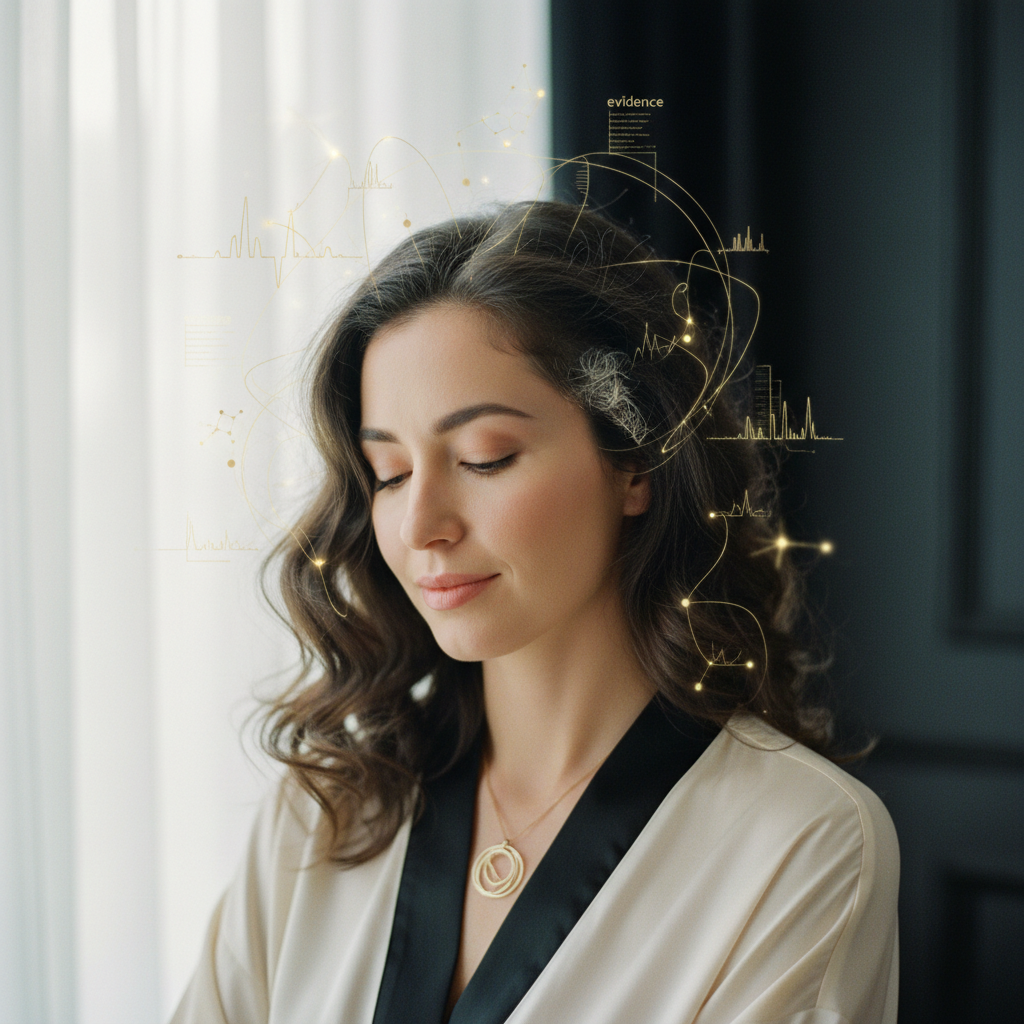
After childbirth, oestrogen levels drop sharply, returning to pre-pregnancy levels. This hormonal shift triggers a large number of hairs to simultaneously enter the telogen phase. Approximately two to four months later, these hairs are shed. This accounts for the noticeable increase in hair falling out. Research indicates that this shedding usually peaks around three to six months postpartum and can last for several months.
Studies from dermatology journals consistently describe postpartum telogen effluvium as a self-limiting condition, meaning it typically resolves on its own without specific medical intervention. Hair growth cycles generally normalise, and hair density returns to pre-pregnancy levels for most women within 6 to 12 months after giving birth, though for some, it might take up to 15 months.
It's crucial to differentiate postpartum shedding from true hair loss conditions like androgenetic alopecia or alopecia areata, where hair follicles are affected. In postpartum telogen effluvium, the hair follicles remain healthy and capable of producing new hair.
The mechanism behind postpartum shedding
To understand why these Postpartum Hair Changes occur, it helps to know a little about the hair growth cycle. Each hair follicle on your head cycles through three main phases:
- Anagen (Growth Phase): This is the active growth period, lasting from 2 to 7 years. Around 85% to 90% of your hair is in this phase at any given time.
- Catagen (Transition Phase): A short phase, lasting about 2 to 3 weeks, where hair growth stops and the hair detaches from its blood supply.
- Telogen (Resting/Shedding Phase): This phase lasts about 2 to 4 months. Hair rests in the follicle before being shed, making way for new hair to begin its anagen phase.
During pregnancy, high levels of oestrogen prevent hairs from entering the catagen and telogen phases. This means more hairs stay in the anagen phase for longer, leading to the luxuriant, thicker hair often observed. After delivery, the sudden drop in oestrogen levels causes many of these synchronised hairs to rapidly enter the telogen phase. When these hairs are simultaneously pushed out by new growth a few months later, the shedding becomes very apparent.
Signs to look for
The most prominent sign of Postpartum Hair Changes is a significant increase in hair shedding. You might notice:
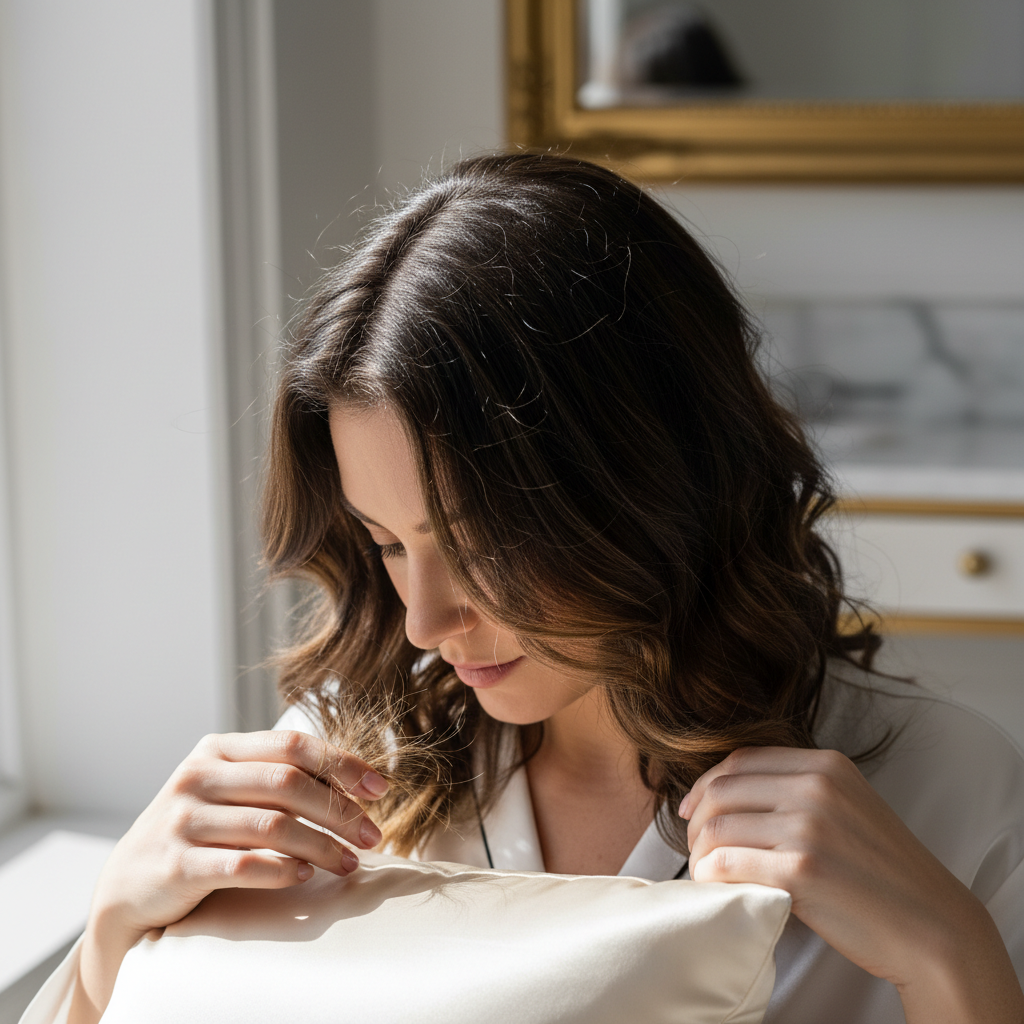
- More hair in your brush or comb: Considerably more than your usual daily shedding of 50 to 100 hairs.
- Hair clogging the shower drain: Larger clumps of hair than before.
- Hair on your pillow: Finding strands on bedding more frequently.
- Hair feeling thinner: Your ponytail or bun might feel less substantial.
This shedding is typically diffuse, meaning it occurs all over the scalp, rather than in patches. You shouldn't see bare patches or a receding hairline, which could indicate a different type of hair loss.
What you can do to support your hair
While you can't prevent the natural hormonal shift that causes postpartum shedding, you can support your hair's health and minimise breakage during this time:
- Be Gentle with Your Hair: Avoid tight hairstyles that pull on the roots, such as restrictive ponytails or buns. Use wide-tooth combs on wet hair and minimise heat styling.
- Nutrient-Rich Diet: Continue to eat a balanced diet rich in vitamins and minerals, especially iron, zinc, biotin, and vitamins A, C, and E, which are important for hair health. If you are breastfeeding, your nutritional needs remain elevated.
- Hydration: Drink plenty of water throughout the day to support overall health, including hair and scalp.
- Manage Stress: New motherhood is demanding. Find ways to manage stress, as chronic stress can also influence hair cycles.
- Consider a Gentle Haircare Routine: Use mild shampoos and conditioners designed to add moisture and strengthen the hair fibre. Look for products that nourish the scalp and hair.
Haircare Routine for Postpartum Hair Changes
| Action | Benefit | Recommendation |
|---|---|---|
| Gentle Washing | Reduces breakage and scalp irritation | Use a sulphate-free, nourishing shampoo. Wash hair less frequently if it's dry. |
| Conditioning | Hydrates and detangles hair, preventing snaps | Apply conditioner from mid-lengths to ends. Rinse thoroughly. |
| Detangling | Minimises pulling and mechanical damage | Use a wide-tooth comb on wet hair, starting from the ends and working up. |
| Heat Styling | Prevents fibre damage | Limit use of straighteners, curling irons, and hot blow dryers. Use heat protectant. |
| Hairstyles | Reduces stress on follicles | Opt for loose styles. Avoid tight braids, high ponytails, or hair extensions. |
When the cause may be something else
While postpartum telogen effluvium is very common, persistent or extreme hair shedding, or hair loss in patches, could indicate other underlying issues. If shedding continues well beyond 12 to 15 months postpartum, or if you experience symptoms beyond just increased shedding, it's wise to seek medical advice.
Other potential causes of hair shedding or loss include:
- Thyroid imbalances: Both an underactive (hypothyroidism) and overactive (hyperthyroidism) thyroid can cause hair changes. Postpartum thyroiditis is not uncommon.
- Nutritional deficiencies: Severe deficiencies in iron, zinc, or protein can impact hair growth.
- Other forms of telogen effluvium: Stress, certain medications, or illness can also trigger shedding.
- Alopecia areata: An autoimmune condition causing patchy hair loss.
- Androgenetic alopecia: Genetic hair thinning, though less commonly presenting acutely postpartum.
When to get professional advice
If you are concerned about Postpartum Hair Changes, especially if the shedding seems excessive, lasts longer than typically expected, or presents with other symptoms like itching, redness, or patchy loss, speak to your GP or a dermatologist. They can rule out other conditions and offer tailored advice. Do not self-diagnose or start strong supplements without professional guidance.
Frequently asked questions about Postpartum Hair Changes
How long do Postpartum Hair Changes last?
Postpartum Hair Changes, primarily increased shedding, typically begin around three to four months after childbirth. For most women, this shedding phase lasts for several months and usually resolves on its own within 6 to 12 months postpartum. In some cases, it can take up to 15 months for hair density to return to its pre-pregnancy state. It