Nutrition for Healthy Hair
4 min read ·
Optimal hair health relies heavily on a balanced diet rich in specific vitamins, minerals, and proteins, impacting everything from growth to resilience and shine.
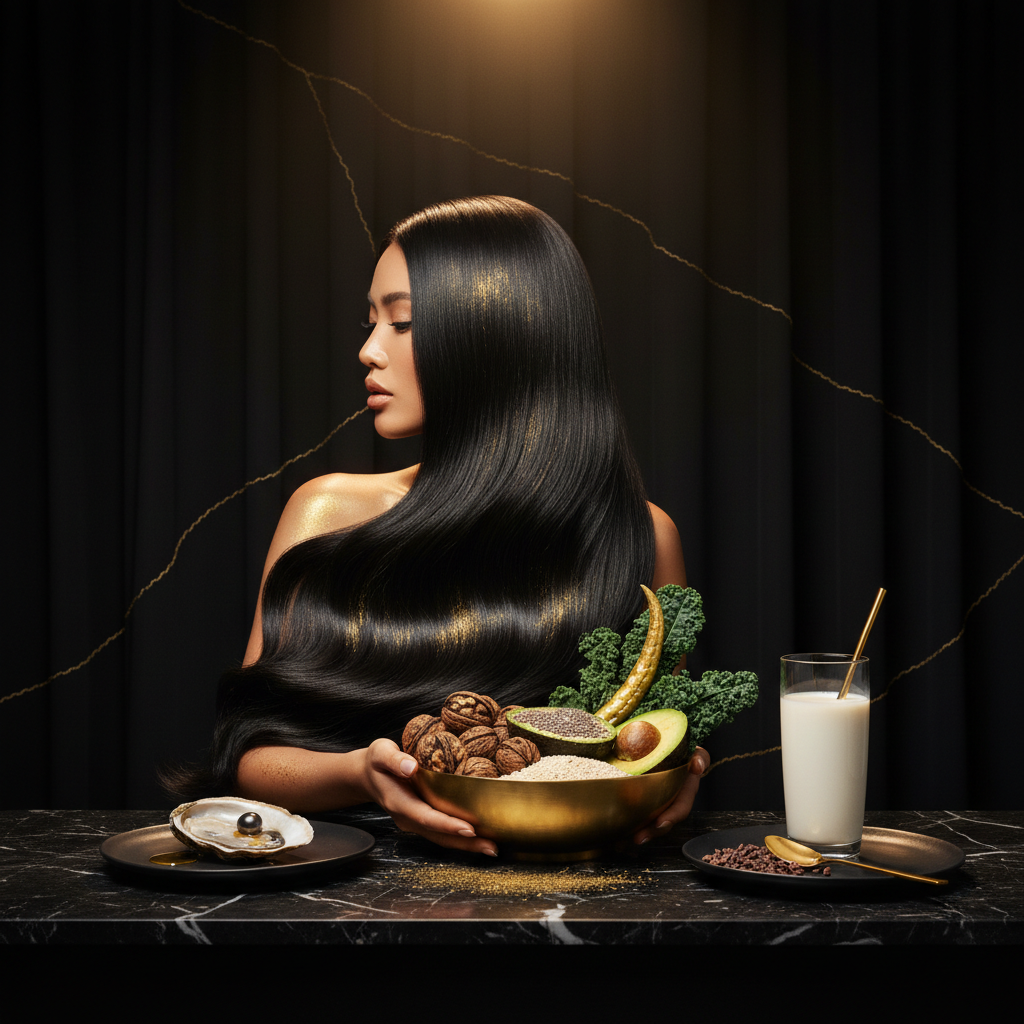
The Role of Nutrition in Hair Health
Hair, composed primarily of a protein called keratin, is a surprisingly metabolically active tissue. Its growth and condition are profoundly influenced by the nutrients available to the hair follicles. A deficiency in key vitamins, minerals, or proteins can disrupt the hair growth cycle, leading to thinning, breakage, and dullness.
Macronutrients: The Building Blocks
Protein
As hair is fundamentally protein, adequate protein intake is crucial. Hair follicles require amino acids, the building blocks of protein, to produce keratin. Insufficient protein intake can push hair follicles into a resting phase, leading to excessive shedding. Lean meats, fish, eggs, dairy, legumes, and nuts are excellent sources.
Complex Carbohydrates
Carbohydrates provide the energy necessary for cell growth and metabolic processes, including those within hair follicles. Opt for complex carbohydrates like whole grains, fruits, and vegetables, which offer sustained energy release and additional micronutrients, rather than refined sugars that provide empty calories.
Healthy Fats
Essential fatty acids, such as omega-3s and omega-6s, are vital for maintaining scalp health and contributing to the hair's natural luster. They help regulate oil production and reduce inflammation, which can affect hair follicle function. Sources include fatty fish (salmon, mackerel), flaxseeds, chia seeds, walnuts, and avocados.
Micronutrients: The Essential Cofactors
Iron
Iron is critical for oxygen transport throughout the body, including to the hair follicles. Iron deficiency, leading to anemia, is a common cause of hair loss. Red meat, poultry, fish, lentils, spinach, and fortified cereals are good sources. Vitamin C enhances iron absorption, so pairing iron-rich foods with vitamin C sources (e.g., citrus fruits) is beneficial.
Zinc
Zinc plays a vital role in hair tissue growth and repair, maintaining the oil glands around the hair follicles, and supporting immune function. Deficiency can lead to hair loss and a dry, flaky scalp. Oysters, beef, pumpkin seeds, lentils, and chickpeas are rich in zinc.
Biotin (Vitamin B7)
Biotin is a B-vitamin often associated with hair health. It's involved in the synthesis of keratin and has been shown to improve hair strength and reduce breakage in individuals with a deficiency. Eggs, nuts, seeds, sweet potatoes, and avocados are good sources. While biotin supplements are popular, severe deficiencies are rare in healthy individuals.
Other B Vitamins
Beyond biotin, other B vitamins like B6 (pyridoxine), B9 (folate), and B12 (cobalamin) are important for red blood cell formation, which carry oxygen and nutrients to the scalp and hair follicles, and for cell metabolism. Found in a wide range of foods, including whole grains, meat, fish, and leafy greens.
Vitamin C
Vitamin C is a powerful antioxidant that protects hair follicles from damage by free radicals. It's also essential for the production of collagen, a protein that is part of the hair structure, and aids in iron absorption. Citrus fruits, berries, bell peppers, and broccoli are excellent sources.
Vitamin D
Vitamin D plays a role in hair follicle cycling. Some research suggests a link between vitamin D deficiency and certain types of hair loss. Sunlight exposure is a primary source; dietary sources include fatty fish and fortified foods.
Vitamin E
Another antioxidant, Vitamin E, helps reduce oxidative stress on the scalp and improves circulation, which can support hair growth. Nuts, seeds, spinach, and avocados are good sources.
Hydration: The Often-Overlooked Factor
Water is essential for overall bodily functions, including those that support hair health. Proper hydration ensures that nutrients are efficiently delivered to the hair follicles and helps maintain the elasticity and pliability of hair strands. Aim for consistent water intake throughout the day.
Nutritional Deficiencies and Hair Loss
Persistent hair loss or significant changes in hair texture can sometimes signal underlying nutritional deficiencies. While a balanced diet is the best approach, in cases of confirmed deficiency, targeted supplementation may be beneficial under the guidance of a healthcare professional. However, excessive intake of certain nutrients can also be detrimental. For instance, too much selenium or Vitamin A can paradoxically lead to hair loss.
Dietary Approaches for Hair Health
Consider a balanced eating pattern that emphasizes whole, unprocessed foods. Mediterranean or plant-based diets, rich in fruits, vegetables, whole grains, lean proteins, and healthy fats, naturally provide a broad spectrum of hair-healthy nutrients. Focus on variety to ensure a comprehensive intake of essential vitamins and minerals.
Key Nutrients for Hair Health at a Glance
| Nutrient Type | Key Nutrients | Primary Functions for Hair | Dietary Sources |
|---|---|---|---|
| Macronutrients | Protein | Keratin production, hair structure | Lean meats, fish, eggs, legumes, nuts |
| Complex Carbohydrates | Energy for follicle growth | Whole grains, fruits, vegetables | |
| Essential Fatty Acids | Scalp health, hair luster | Fatty fish, flaxseeds, avocados | |
| Micronutrients | Iron | Oxygen transport to follicles | Red meat, lentils, spinach |
| Zinc | Tissue growth/repair, oil gland function | Oysters, pumpkin seeds, chickpeas | |
| Biotin (B7) | Keratin synthesis, strength | Eggs, nuts, sweet potatoes | |
| Vitamin C | Collagen production, antioxidant | Citrus, berries, bell peppers | |
| Vitamin D | Follicle cycling | Fatty fish, fortified foods, sunlight | |
| Vitamin E | Antioxidant, circulation | Nuts, seeds, spinach | |
| Other B Vitamins | Red blood cell formation, metabolism | Whole grains, meat, fish, leafy greens |
---

### Find these ingredients in Watermans products

- **Biotin**, you will find this ingredient in our [Hair Growth Shampoo](https://watermanshair.com/products/best-hair-growth-shampoo-fast-hair-growth).
- **Zinc**, you will find this ingredient in our [Hair Vitamins](https://watermanshair.com/products/best-hair-vitamins).