Nutritional Impact on Hair Health
5 min read ·
Hair health is significantly influenced by nutrition, with specific vitamins, minerals, and macronutrients playing crucial roles in hair growth, structure, and appearance.
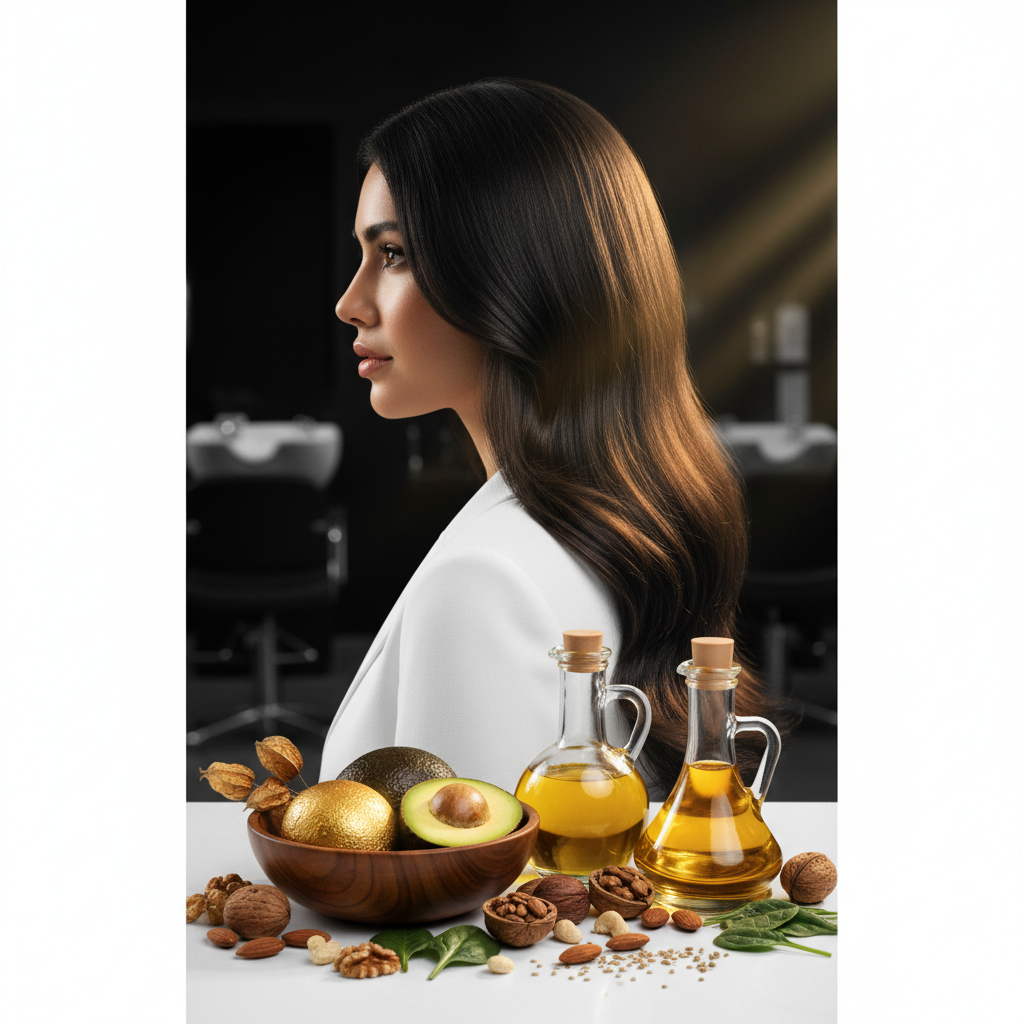
The Fundamental Connection Between Nutrition and Hair
The health, strength, and growth of our hair are intrinsically linked to our overall nutritional intake. Hair, being a non-essential tissue, is often one of the first parts of the body to reflect nutritional deficiencies or imbalances. When the body lacks essential nutrients, it prioritizes vital organs, diverting resources away from hair follicles. This can lead to various hair concerns, including slowed growth, increased shedding, dullness, and brittleness.
The Hair Growth Cycle and Nutrient Demands
Hair undergoes a continuous cycle of growth, rest, and shedding, known as the hair growth cycle. This cycle is energetically demanding and requires a steady supply of specific nutrients. The main phases are:
- Anagen (Growth Phase): The longest phase, where hair actively grows from the follicle. This period requires a high input of proteins, vitamins, and minerals to support rapid cell division and keratin production.
- Catagen (Transition Phase): A short transitional phase where hair growth stops, and the follicle shrinks.
- Telogen (Resting Phase): Hair rests in the follicle before eventually shedding, making way for new hair to begin the anagen phase.
Each phase is sensitive to nutrient availability. Chronic or severe deficiencies can shorten the anagen phase or prematurely push hair into the telogen phase, resulting in increased hair loss and decreased hair density.
Macronutrients: The Building Blocks of Hair
Macronutrients, proteins, carbohydrates, and fats, provide the energy and structural components necessary for hair health.
Protein
Hair is primarily composed of keratin, a fibrous protein. Adequate protein intake is therefore paramount for strong, healthy hair. A lack of protein can lead to weaker hair strands, increased breakage, and slower growth. Essential amino acids, which the body cannot produce on its own, are particularly important. Sources include lean meats, fish, eggs, dairy, legumes, and nuts.
Complex Carbohydrates
Carbohydrates are the body's primary energy source. While directly contributing less to hair structure than protein, they fuel the intense metabolic activity of hair follicles. Complex carbohydrates, found in whole grains, fruits, and vegetables, provide sustained energy release, crucial for the continuous hair growth cycle.
Healthy Fats
Omega-3 and omega-6 fatty acids are essential for maintaining a healthy scalp and nourishing hair follicles. They contribute to the production of sebum, the natural oil that lubricates the scalp and hair, preventing dryness and brittleness. Good sources include fatty fish (salmon, mackerel), flaxseeds, chia seeds, walnuts, and avocados.
Micronutrients: The Essential Catalysts
Micronutrients, vitamins and minerals, act as cofactors in numerous enzymatic reactions vital for hair growth and scalp health.
Vitamins
- Vitamin A (Retinol): Essential for cell growth, including hair cells. It also aids in sebum production, keeping the scalp moisturized. However, excessive intake can lead to hair loss. Found in carrots, sweet potatoes, spinach, and liver.
- B Vitamins (especially Biotin, Folic Acid, B12): This group is crucial for metabolic processes, including cell division and red blood cell formation, which carry oxygen and nutrients to hair follicles. Biotin (Vitamin B7) is often touted for hair health, supporting keratin infrastructure. Folic acid (Vitamin B9) helps in cell generation, and Vitamin B12 is vital for red blood cell production. Sources include whole grains, eggs, meat, leafy greens, and nuts.
- Vitamin C (Ascorbic Acid): A powerful antioxidant that helps protect hair from damage caused by free radicals. It is also essential for collagen production, a protein that provides structure to hair. Additionally, Vitamin C enhances iron absorption. Found in citrus fruits, bell peppers, and strawberries.
- Vitamin D: While its direct role in hair growth is still being researched, Vitamin D receptors are present in hair follicles, suggesting a role in regulating the hair growth cycle. Deficiency has been linked to various forms of hair loss. Sunlight exposure, fatty fish, and fortified dairy are sources.
- Vitamin E: Another potent antioxidant that helps improve blood circulation to the scalp, promoting hair growth. It can also help maintain the hair's natural moisture balance. Found in nuts, seeds, and leafy greens.
Minerals
- Iron: Essential for red blood cell function, carrying oxygen to hair follicles. Iron deficiency (anemia) is a common cause of hair loss, particularly in women. Sources include red meat, spinach, lentils, and fortified cereals.
- Zinc: Plays a vital role in hair tissue growth and repair, and in maintaining the oil glands around the follicles. Deficiency can lead to hair loss and a dry, flaky scalp. Found in meat, shellfish, legumes, and seeds.
- Selenium: An antioxidant that helps protect against oxidative damage. It also plays a role in thyroid hormone metabolism, which can influence hair growth. Sources include Brazil nuts, seafood, and whole grains.
- Copper: Involved in melanin production, which gives hair its pigment. It also contributes to the formation of cross-linkages in keratin, enhancing hair strength. Found in shellfish, nuts, and dark chocolate.
Hydration: The Often-Overlooked Factor
While not a nutrient in the traditional sense, adequate hydration is fundamental to overall health, including hair health. Water transports nutrients to cells, including hair follicles, and helps maintain the elasticity and pliability of hair strands. Dehydration can lead to dry, brittle hair that is prone to breakage.
Dietary Approaches for Optimal Hair Health
A balanced diet rich in whole foods is the most effective approach to ensuring adequate nutrient intake for healthy hair. Restrictive diets or crash diets can quickly lead to deficiencies that manifest in hair issues. Instead, focus on:
- Varied Protein Sources: Include a mix of animal and plant-based proteins.
- Colorful Fruits and Vegetables: Provide a wide array of vitamins, minerals, and antioxidants.
- Whole Grains: Offer sustained energy and B vitamins.
- Healthy Fats: Incorporate sources of omega-3 and omega-6 fatty acids.
- Ample Water Intake: Stay well-hydrated throughout the day.
While supplements can fill specific gaps identified by a healthcare professional, they should not replace a healthy diet. Over-supplementation, particularly of fat-soluble vitamins like Vitamin A, can be detrimental.
When to Consider Professional Advice
If you experience persistent hair loss or significant changes in hair quality, it is advisable to consult a healthcare professional. They can help identify any underlying nutritional deficiencies through blood tests and provide tailored dietary recommendations or suggest appropriate supplementation. It’s important to address the root cause of any hair issues, as nutrition is one piece of a complex puzzle that also includes genetics, hormones, and lifestyle factors.
Find these ingredients in Watermans products
- Biotin, you will find this ingredient in our Hair Growth Shampoo.
- Zinc, you will find this ingredient in our Hair Vitamins.