The Nutritional Impact on Hair: Understanding Diet and Hair Health
9 min read ·
The Nutritional Impact on Hair is significant, as adequate intake of specific vitamins, minerals, and proteins directly influences hair growth, strength, and overall health; however, genetics, hormones, and lifestyle also play crucial roles.
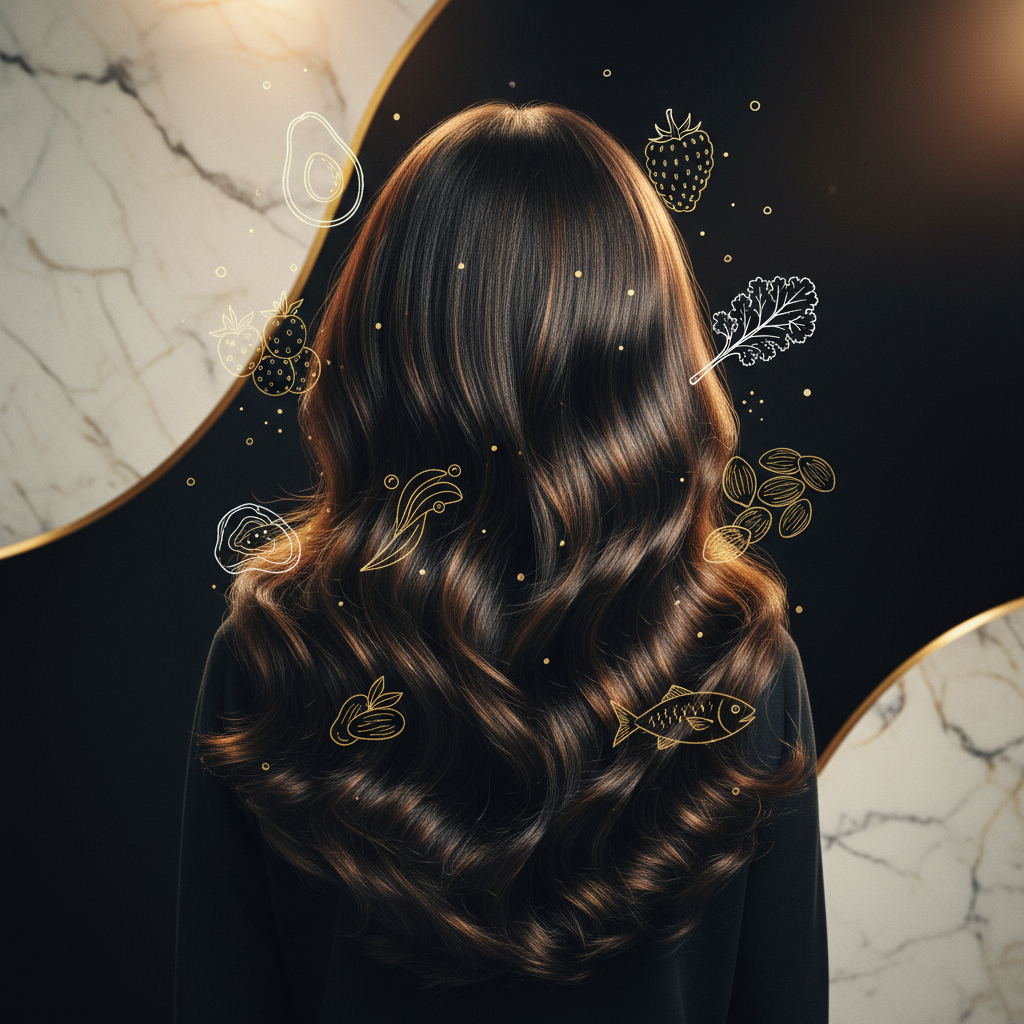
Quick answer: The Nutritional Impact on Hair is substantial, as a balanced diet rich in specific vitamins, minerals, and proteins provides the necessary building blocks and regulatory signals for healthy hair growth, strength, and appearance. Deficiencies or excesses in certain nutrients can lead to changes in hair quality or shedding. However, nutritional factors are just one part of a complex picture, and other elements like genetics, hormones, and lifestyle also significantly influence hair health.
Key takeaways
- Your diet directly influences the health, growth, and strength of your hair by supplying essential nutrients.
- Key nutrients include proteins, iron, zinc, biotin, and vitamins A, C, D, and E.
- Both nutrient deficiencies and excessive intake can negatively affect hair, sometimes leading to increased shedding or reduced growth.
- Hair shedding or changes in hair quality can be a sign of underlying nutritional imbalances, but other factors like genetics, hormones, and stress also play a significant role.
- A varied diet of whole foods is usually sufficient; supplementation should only be considered under professional guidance.
Nutritional Impact on Hair: what the evidence shows
The nutritional impact on hair is well-documented, showing that the health and growth of your hair are closely linked to your body's supply of essential nutrients. Hair follicles are highly metabolically active, requiring a constant supply of energy and building blocks to produce hair fibres. When the body lacks sufficient amounts of key vitamins, minerals, and proteins, hair growth can be impaired, leading to changes in its texture, strength, and even shedding.
The role of specific nutrients
Proteins: The foundation of hair fibre
Your hair is primarily made of keratin, a protein. Therefore, consuming enough protein is fundamental for healthy hair growth and strength. Inadequate protein intake can lead to weaker hair shafts and slower growth rates. Studies have shown that severe protein deficiency, such as that seen in protein-energy malnutrition, can disrupt the hair growth cycle, causing increased hair shedding (telogen effluvium).
- Sources: Lean meats, poultry, fish, eggs, dairy products, legumes, nuts, seeds.
Iron: Oxygen transport for follicle health
Iron is crucial for producing haemoglobin, a protein in red blood cells that carries oxygen to cells throughout your body, including the rapidly dividing cells in your hair follicles. Iron deficiency, particularly iron-deficiency anaemia, is a recognised cause of increased hair shedding. This link is especially relevant for women of childbearing age, who are more prone to iron deficiency due.
- Sources: Red meat, fortified cereals, spinach, lentils, beans.
Zinc: Growth, repair, and oil regulation
Zinc plays a vital role in hair tissue growth and repair. It helps regulate the oil glands surrounding hair follicles, which contribute to scalp health. Zinc is also a cofactor for numerous enzymes involved in protein synthesis and cell division. Deficiency can lead to hair shedding and impaired healing.
- Sources: Oysters, beef, pumpkin seeds, lentils, spinach.
Biotin (Vitamin B7): A metabolism helper
Biotin is a B vitamin often associated with hair health. It's involved in the metabolism of fatty acids, glucose, and amino acids, which are all vital for healthy hair follicle function. While severe biotin deficiency is rare in people consuming a varied diet, some research suggests that supplementation may improve hair strength in individuals with an underlying deficiency. However, controlled research has not consistently found that biotin supplements benefit hair health in those without a deficiency. Evidence is mixed on its impact in healthy individuals.
- Sources: Eggs, nuts, sweet potatoes, bananas, salmon.
Vitamins A and C: Antioxidants and cell support
- Vitamin A: Essential for cell growth, including hair cells, and helps skin glands produce sebum, the oily substance that moisturises the scalp and hair. However, too much vitamin A can paradoxically lead to increased hair shedding. The exact mechanism isn't fully understood, but it's thought to disrupt the hair growth cycle.
- Sources: Carrots, sweet potatoes, spinach, kale (beta-carotene), liver, eggs (retinoids).
- Vitamin C: A powerful antioxidant that helps protect against oxidative stress caused by free radicals, which can contribute to hair ageing. It's also crucial for collagen production, a structural protein that supports the hair shaft, and significantly aids in iron absorption.
- Sources: Citrus fruits, bell peppers, strawberries, broccoli, kiwis.
Vitamin D: Follicle cycling and immune response
Vitamin D is thought to play a role in initiating the hair follicle growth cycle. Low levels of vitamin D have been linked to various forms of hair shedding, including telogen effluvium and alopecia areata. However, the precise mechanism and optimal levels for hair health are still areas of active research.
- Sources: Sunlight exposure, fatty fish (salmon, mackerel), fortified foods like milk and cereals.
Vitamin E: Antioxidant protection
Like Vitamin C, Vitamin E is an antioxidant that helps reduce oxidative stress in the scalp. Some small studies suggest it may improve blood flow to the scalp, potentially promoting a healthier environment for hair growth. However, more robust research is needed to confirm these effects consistently.
- Sources: Sunflower seeds, almonds, spinach, avocados, olive oil.
Omega-3 Fatty Acids: Scalp health and inflammation
These essential fatty acids are important for overall cell health, including the cells in the scalp and hair follicles. They contribute to scalp hydration and may help reduce inflammation, which can sometimes contribute to hair shedding or a less healthy scalp environment.
- Sources: Fatty fish (salmon, mackerel, sardines), flaxseeds, chia seeds, walnuts.
Nutrient deficiencies, excesses, and their impact
Both insufficient intake and excessive consumption of certain nutrients can negatively impact hair health. For instance, while adequate iron is vital, very high iron levels can be toxic and may interfere with other bodily functions. Similarly, as mentioned, excessive vitamin A intake is known to cause increased hair shedding.
The body maintains a delicate balance, and disturbing this balance with extreme dietary choices or unmonitored supplementation can have unintended consequences for hair. It's important to remember that hair problems are often multifactorial, meaning they have multiple causes. Nutritional factors are just one potential cause, alongside genetics, hormonal imbalances, stress, medical conditions, and even certain medications.
What you can do to support hair health nutritionally
The most effective strategy for ensuring your hair receives the nourishment it needs is to maintain a balanced, varied diet rich in whole, unprocessed foods. This approach naturally provides a broad spectrum of nutrients in appropriate amounts.
Here's a guide to nutrient-rich foods that support hair health:
| Nutrient | Key Food Sources | Role in Hair Health |
|---|---|---|
| Protein | Lean meats, fish, eggs, legumes, nuts, dairy | Building blocks of keratin, supports growth and strength |
| Iron | Red meat, spinach, lentils, fortified cereals | Oxygen transport to follicles, prevents shedding |
| Zinc | Oysters, beef, pumpkin seeds, spinach | Tissue growth/repair, regulates oil glands |
| Biotin | Eggs, nuts, sweet potatoes, bananas | Metabolism of fatty acids, glucose, amino acids |
| Vitamin A | Carrots, sweet potatoes, spinach, liver, eggs | Cell growth, sebum production (in moderation) |
| Vitamin C | Citrus fruits, bell peppers, berries, broccoli | Collagen production, antioxidant, iron absorption |
| Vitamin D | Fatty fish, fortified foods, sunlight exposure | Hair follicle cycling, immune regulation |
| Vitamin E | Sunflower seeds, almonds, spinach, avocados | Antioxidant, scalp circulation |
| Omega-3s | Fatty fish, flaxseeds, chia seeds, walnuts | Scalp hydration, anti-inflammatory |
When to seek professional advice
If you are experiencing significant or sudden changes in your hair, such as increased shedding, noticeable thinning, or changes in texture, it's always advisable to consult a healthcare professional. A doctor or dermatologist can help determine the underlying cause, which may or may not be nutritional. They can also conduct blood tests to identify specific deficiencies and advise on appropriate interventions, including whether supplementation is necessary.
Self-diagnosing and self-treating with high-dose supplements without professional guidance can be risky, especially given the potential for nutrient excesses.
Frequently asked questions about Nutritional Impact on Hair
Can dieting affect my hair?
Yes, drastic or restrictive diets, particularly those leading to rapid weight loss or excluding entire food groups, can negatively impact your hair. When your body perceives a state of starvation or severe nutrient deficit, it prioritises essential functions over non-essential ones like hair growth. This can lead to increased hair shedding, often referred to as telogen effluvium, where a large number of hairs prematurely enter the resting phase.
How long does it take for nutritional changes to show in hair?
Because hair grows slowly, typically about 1 centimetre per month, it can take several months for the nutritional impact on hair to become noticeable. If you start addressing a deficiency, you might begin to see a reduction in shedding within a few months, but it could take 6 to 12 months to observe significant improvements in hair density or texture.
Is there a "superfood" for hair?
There isn't one single "superfood" that guarantees perfect hair. Healthy hair comes from a consistently balanced and varied diet, not from focusing on one particular item. A diet rich in a range of colourful fruits and vegetables, lean proteins, and healthy fats provides the broad spectrum of nutrients your hair needs to thrive. The emphasis should be on overall dietary patterns rather than isolated foods.
Can stress impact the nutritional absorption for hair?
While stress doesn't directly prevent nutrient absorption, chronic stress can influence digestive health and overall bodily functions. Indirectly, stress can lead to poor dietary choices, hormonal imbalances, and inflammation, all of which can affect hair health. Managing stress is an important component of a holistic approach to supporting the nutritional impact on hair.
Does drinking more water help hair growth?
While adequate hydration is crucial for overall health, including the health of your scalp and hair fibres, there's no direct evidence that simply "drinking more water" beyond what your body needs will significantly increase hair growth. Water helps transport nutrients and maintain the elasticity of hair, preventing dryness and brittleness, but it doesn't act as a growth stimulant.
Supporting the Nutritional Impact on Hair with Watermans
While a balanced diet forms the cornerstone of hair health, topical products can provide complementary support. Watermans products are formulated with ingredients designed to create an optimal environment for hair growth and minimise breakage. For instance, our Hair Growth Shampoo contains biotin, a B vitamin known for its role in hair health, and hydrolysed lupin protein, which delivers amino acids and peptides directly to the scalp and hair, helping to strengthen the hair fibre.
Watermans Hair Vitamins also include zinc, an essential mineral for hair tissue growth and repair, alongside other vitamins and minerals selected to support overall hair vitality. These formulations are designed to work alongside a healthy lifestyle and diet, providing targeted nourishment to the hair and scalp.
Sources and references
- American Academy of Dermatology Association, "Hair loss: Who gets and causes", https://www.aad.org/public/diseases/hair-loss/causes/1
- National Institutes of Health, Office of Dietary Supplements, "Biotin Fact Sheet for Health Professionals", 2021, https://ods.od.nih.gov/factsheets/Biotin-HealthProfessional/
- National Institutes of Health, Office of Dietary Supplements, "Iron Fact Sheet for Health Professionals", 2024, https://ods.od.nih.gov/factsheets/Iron-HealthProfessional/
- National Institutes of Health, Office of Dietary Supplements, "Vitamin A Fact Sheet for Health Professionals", 2024, https://ods.od.nih.gov/factsheets/VitaminA-HealthProfessional/
- National Institutes of Health, Office of Dietary Supplements, "Vitamin C Fact Sheet for Health Professionals", 2021, https://ods.od.nih.gov/factsheets/VitaminC-HealthProfessional/
- National Institutes of Health, Office of Dietary Supplements, "Vitamin D Fact Sheet for Health Professionals", 2024, https://ods.od.nih.gov/factsheets/VitaminD-HealthProfessional/
- National Institutes of Health, Office of Dietary Supplements, "Zinc Fact Sheet for Health Professionals", 2022, https://ods.od.nih.gov/factsheets/Zinc-HealthProfessional/
- Rushton, D. H. "Nutritional factors and hair loss." Clinical and Experimental Dermatology 20.5 (1995): 412-416. DOI: 10.1111/j.1365-2230.1995.tb02652.x
- Giacomozzi, D., & Prato, M. "Nutrition, Hair, and Health: An Overview." Cosmetics 8.1 (2021): 25. DOI: 10.3390/cosmetics8010025
- Almohanna, H. M., et al. "The Role of Vitamins and Minerals in Hair Loss: A Review." Dermatology and Therapy 9.1 (2019): 51-70. DOI: 10.1007/s13555-018-0278-6