Nutrients for Healthy Hair Growth
4 min read ·
Understanding the essential nutrients and their roles in hair follicle function is fundamental for supporting healthy hair growth and maintaining hair vitality.
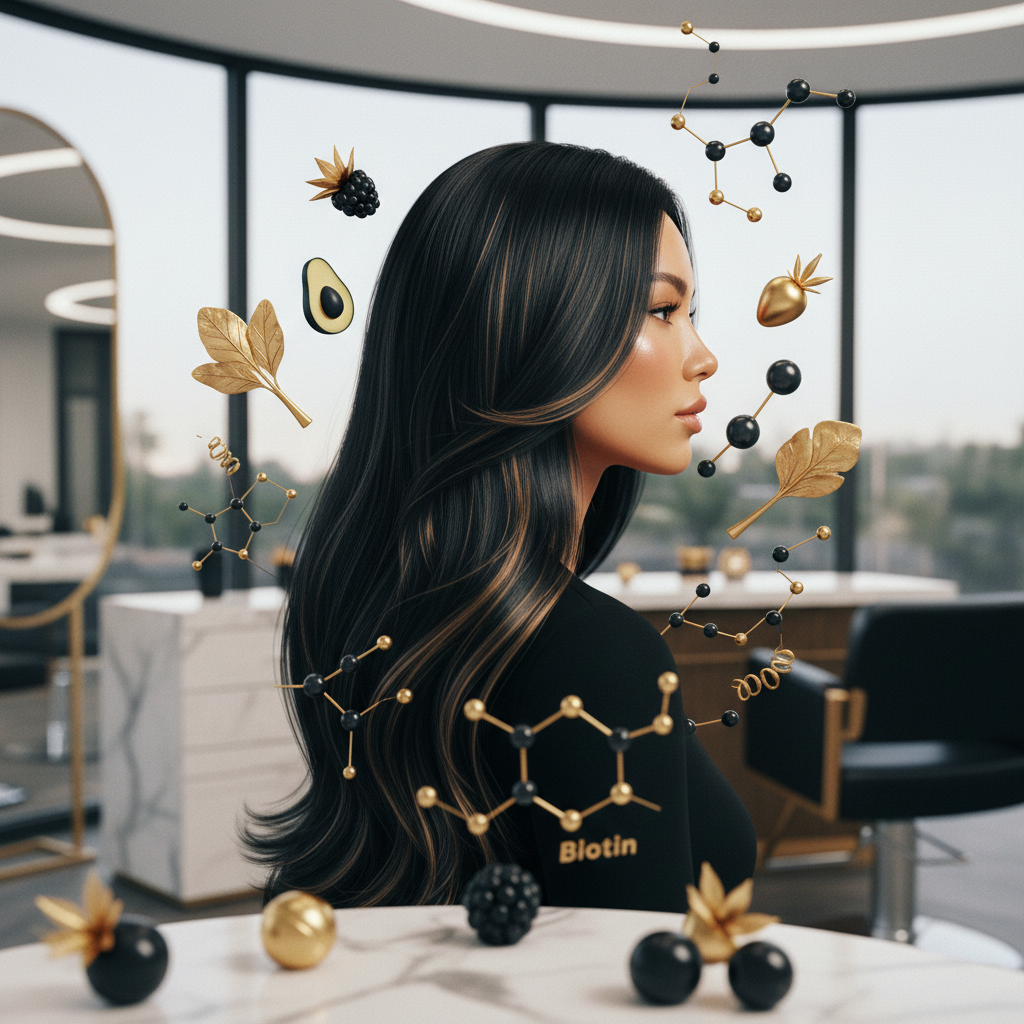
The Foundation of Hair: Essential Nutrients
Healthy hair growth is intrinsically linked to the body's nutritional status. Hair follicles, dynamic mini-organs, require a steady supply of specific vitamins, minerals, and macronutrients to produce strong, vibrant hair strands. Deficiencies in these key elements can lead to a variety of hair concerns, including slowed growth, thinning, increased shedding, and compromised hair structure.
Macronutrients: The Building Blocks
Macronutrients provide the bulk of energy and structural components necessary for hair production.
Protein
Hair is primarily composed of keratin, a fibrous protein. Adequate protein intake is crucial for the synthesis of keratin. Insufficient protein can lead to weaker hair strands, reduced growth rate, and increased breakage. Animal products, legumes, nuts, and seeds are excellent sources of dietary protein.
Complex Carbohydrates
Carbohydrates are the body's primary energy source. Hair follicle cells are highly metabolically active and require a constant energy supply to sustain the rapid cell division characteristic of the anagen (growth) phase of the hair cycle. Whole grains, fruits, and vegetables provide sustained energy release.
Healthy Fats
Essential fatty acids, particularly omega-3 and omega-6, play a vital role in maintaining the health of the scalp and hair. They contribute to the structural integrity of cell membranes, including those in the hair follicle, and can help reduce inflammation of the scalp. Sources include fatty fish, flaxseeds, chia seeds, and walnuts.
Micronutrients: Catalysts for Growth
Micronutrients, though required in smaller quantities, are indispensable as cofactors and regulators in metabolic processes critical for hair growth.
Vitamins
- Vitamin A (Retinol): Essential for cell growth, including hair cells. It also plays a role in sebum production, keeping the scalp moisturized and healthy. Both too little and too much Vitamin A can be detrimental to hair health. Sources include sweet potatoes, carrots, spinach, and liver.
- B Vitamins (Biotin, Niacin, B6, B12, Folate, Pantothenic Acid): This complex group is vital for various metabolic pathways, including energy production and red blood cell formation, which carry oxygen and nutrients to the scalp and hair follicles. Biotin (Vitamin B7) is particularly recognized for its role in keratin infrastructure. Good sources include whole grains, meat, eggs, and leafy greens.
- Vitamin C (Ascorbic Acid): A powerful antioxidant that protects hair follicles from damage by free radicals. It is also crucial for collagen production, a structural protein that supports hair strength. Furthermore, Vitamin C enhances the absorption of iron. Citrus fruits, bell peppers, and strawberries are rich in Vitamin C.
- Vitamin D: Receptors for Vitamin D are present in hair follicles, and it is thought to play a role in initiating and regulating the hair growth cycle. Deficiency has been linked to hair loss conditions. Sunlight exposure and fortified foods are primary sources.
- Vitamin E: An antioxidant that helps improve blood circulation to the scalp, promoting nutrient delivery to hair follicles. Nuts, seeds, and leafy green vegetables are good sources.
Minerals
- Iron: Necessary for red blood cell function, ensuring oxygen transport to cells, including those in hair follicles. Iron deficiency, or anemia, is a common cause of hair thinning and loss. Red meat, lentils, spinach, and fortified cereals are excellent sources.
- Zinc: Involved in numerous enzymatic reactions, including protein synthesis and cell division. It also plays a role in the function of oil glands around the hair follicles. Both deficiency and excessive intake can contribute to hair shedding. Oysters, red meat, poultry, beans, and nuts are rich in zinc.
- Selenium: An essential trace element with antioxidant properties. It contributes to thyroid hormone metabolism, which can influence hair growth. Brazil nuts, seafood, and whole grains are good dietary sources.
- Copper: Involved in melanin production (hair pigment) and the formation of the hair shaft. It also aids in iron absorption. Shellfish, nuts, seeds, and whole grains contain copper.
- Silica: Though not strictly an essential nutrient, silica has been shown to improve hair strength and reduce breakage by contributing to the structural integrity of the hair shaft. Foods like green beans, leafy greens, and bananas contain silica.
The Role of Water
Hydration is paramount for all bodily functions, including hair health. Water is essential for transporting nutrients to the hair follicles and keeping them healthy. Dehydration can lead to dull, brittle hair and a dry scalp.
Nutritional Deficiencies and Hair Health
A balanced diet is the most effective way to ensure adequate nutrient intake for healthy hair. However, certain factors like restrictive diets, malabsorption issues, or increased physiological demands can lead to deficiencies. When considering supplementation, it is important to choose products designed to support overall hair health, such as a hair growth shampoo containing beneficial nutrients. Always approach supplementation with caution and awareness, as excessive intake of certain nutrients can also be detrimental.
To illustrate the impact of some key nutrients on hair, consider the following:
| Nutrient | Primary Role in Hair Health | Potential Hair Impact of Deficiency |
|---|---|---|
| Protein | Keratin synthesis, structural integrity | Brittle hair, slowed growth, increased shedding |
| Iron | Oxygen transport to follicles | Hair thinning, diffuse hair loss |
| Zinc | Cell division, enzymatic reactions, oil gland function | Hair loss, weakened hair, dry scalp |
| Biotin | Keratin infrastructure, metabolic processes | Brittle hair, thinning |
| Vitamin C | Collagen production, antioxidant, iron absorption | Weak hair, poor iron utilization |
| Vitamin D | Hair follicle cycling, immune regulation | Hair loss, impaired growth |
Understanding the interplay of these nutrients underscores the importance of a holistic approach to hair care, where internal nourishment complements external treatments.
Find these ingredients in Watermans products
- Zinc, you will find this ingredient in our Hair Vitamins.
- Panthenol (Provitamin B5), you will find this ingredient in our Heat Protection Spray.