Nutrient Deficiencies and Hair Loss
4 min read ·
Certain nutrient deficiencies can disrupt the hair growth cycle, leading to thinning hair, increased shedding, or brittle strands.
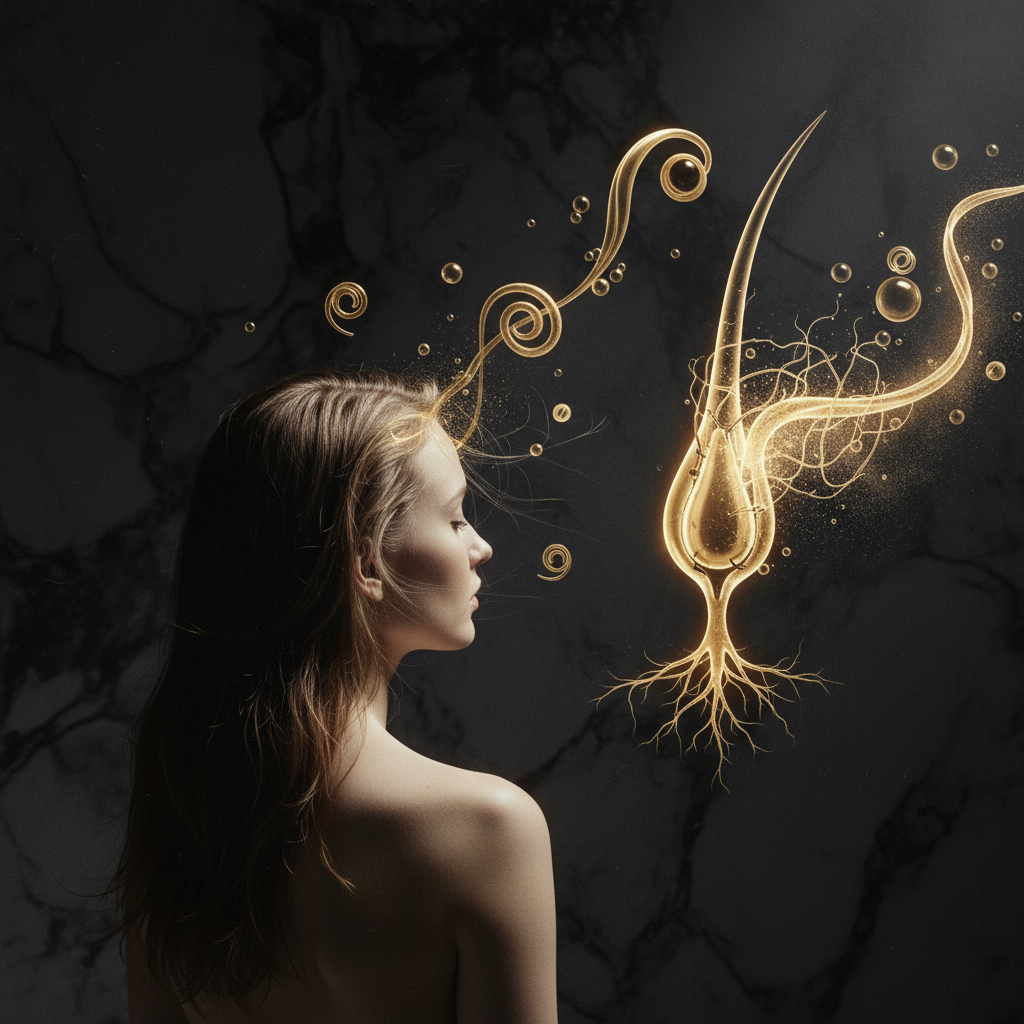
The Hair Growth Cycle and Nutrient Needs
Hair growth is a complex biological process that requires a continuous supply of various nutrients. The hair growth cycle consists of three main phases: anagen (growth), catagen (transition), and telogen (resting). During the anagen phase, which can last for several years, hair follicles are highly active metabolically, producing new hair cells at a rapid rate. This high metabolic demand makes hair follicles particularly sensitive to nutrient availability. A deficiency in essential vitamins, minerals, or macronutrients can interrupt this cycle, leading to premature entry into the catagen or telogen phases, resulting in noticeable hair loss or reduced hair quality.
Key Nutrients for Healthy Hair
Several nutrients play critical roles in hair structure, growth, and overall scalp health. Understanding their functions helps in appreciating how their absence can impact hair.
Protein
Hair is primarily composed of a protein called keratin. Adequate protein intake is crucial for the synthesis of keratin and, consequently, for strong and healthy hair. Insufficient protein can lead to weaker hair strands, slower growth, and increased shedding. For individuals on restricted diets, ensuring sufficient protein intake is especially important.
Iron
Iron is essential for oxygen transport throughout the body, including to the hair follicles. Iron deficiency, leading to anemia, is a common cause of hair loss, particularly in women. Ferritin, a protein that stores iron, is often a more accurate indicator of the body's iron reserves relevant to hair health. Low ferritin levels can signify a lack of iron available for hair production.
Zinc
Zinc is a vital mineral involved in numerous bodily functions, including cell growth and repair, immune function, and DNA synthesis. It plays a significant role in hair tissue growth and repair and helps keep the oil glands around the follicles working properly. Both deficiency and excessive zinc can contribute to hair loss, highlighting the importance of maintaining an optimal balance.
Biotin (Vitamin B7)
Biotin is a B vitamin often associated with hair and nail health. It plays a role in the metabolism of fatty acids, glucose, and amino acids, all of which are essential for hair follicle function. While true biotin deficiency is rare, supplemental biotin is often marketed for hair growth, though scientific evidence for its efficacy in healthy individuals is limited. Its primary benefit is seen in cases of genuine deficiency.
Vitamins A, C, D, and E
- Vitamin A: Important for cell growth, including hair cells. It also helps produce sebum, an oily substance that moisturizes the scalp and keeps hair healthy. However, excessive vitamin A can paradoxically cause hair loss.
- Vitamin C: A powerful antioxidant that helps protect against oxidative stress, which can contribute to hair aging. It is also crucial for collagen production, a structural protein important for hair, and for iron absorption.
- Vitamin D: Receptors for vitamin D are present in hair follicles, suggesting its role in the hair growth cycle. Deficiency has been linked to various forms of hair loss, including alopecia areata.
- Vitamin E: Another antioxidant that can help protect hair follicles from damage and promote a healthy scalp environment.
Selenium
Selenium is a trace element that plays a role in thyroid function, which indirectly affects hair growth. It also has antioxidant properties. Like zinc, both too little and too much selenium can negatively impact hair health.
Essential Fatty Acids
Omega-3 and omega-6 fatty acids are crucial for healthy cell membranes, including those in hair follicles. They contribute to scalp health and can help prevent dryness and inflammation, which can impede hair growth.
Recognizing and Addressing Deficiencies
Symptoms of nutrient deficiencies can manifest in various ways beyond hair loss, including fatigue, brittle nails, skin issues, and impaired immune function. If hair loss is suspected to be related to a nutrient deficiency, consulting a healthcare provider for proper diagnosis through blood tests is recommended. Self-diagnosis and self-treatment with high-dose supplements can be counterproductive and potentially harmful, as some nutrients can be toxic in excess.
Treatment for documented deficiencies typically involves dietary adjustments to include nutrient-rich foods and, in some cases, targeted supplementation under medical supervision. For example, individuals with iron deficiency may be advised to increase their intake of lean meats, fortified cereals, and leafy greens, possibly alongside an iron supplement.
Impact of Deficiency on Hair Quality
Beyond outright hair loss, nutrient deficiencies can significantly impact the quality and appearance of existing hair. Hair may become:
- Brittle and weak: Lacking essential structural proteins and minerals.
- Lackluster: Due to insufficient nutrients for healthy sebum production or proper cuticle function.
- Slow-growing: As the hair follicles lack the resources for optimal anagen phase duration.
The Role of Watermans Hair
Healthy hair starts with a healthy scalp and proper nourishment. While external products like hair growth shampoos, conditioners, and elixirs can support hair health by providing stimulating ingredients and improving scalp conditions, they are most effective when combined with a nutritionally sound diet. Products designed to address hair thinning can offer beneficial peptides, vitamins, and botanical extracts that work on the hair externally, complementing the body's internal nutritional support for strong, vibrant hair.", seo_title=
Find these ingredients in Watermans products
- Biotin, you will find this ingredient in our Hair Growth Shampoo.
- Zinc, you will find this ingredient in our Hair Vitamins.