How to Moisturise Afro Hair: A Guide to Hydration and Retention
10 min read ·
How to moisturise afro hair effectively involves a multi-step routine to infuse water-based hydration and then seal it in, preventing the rapid moisture loss characteristic of its unique structure.
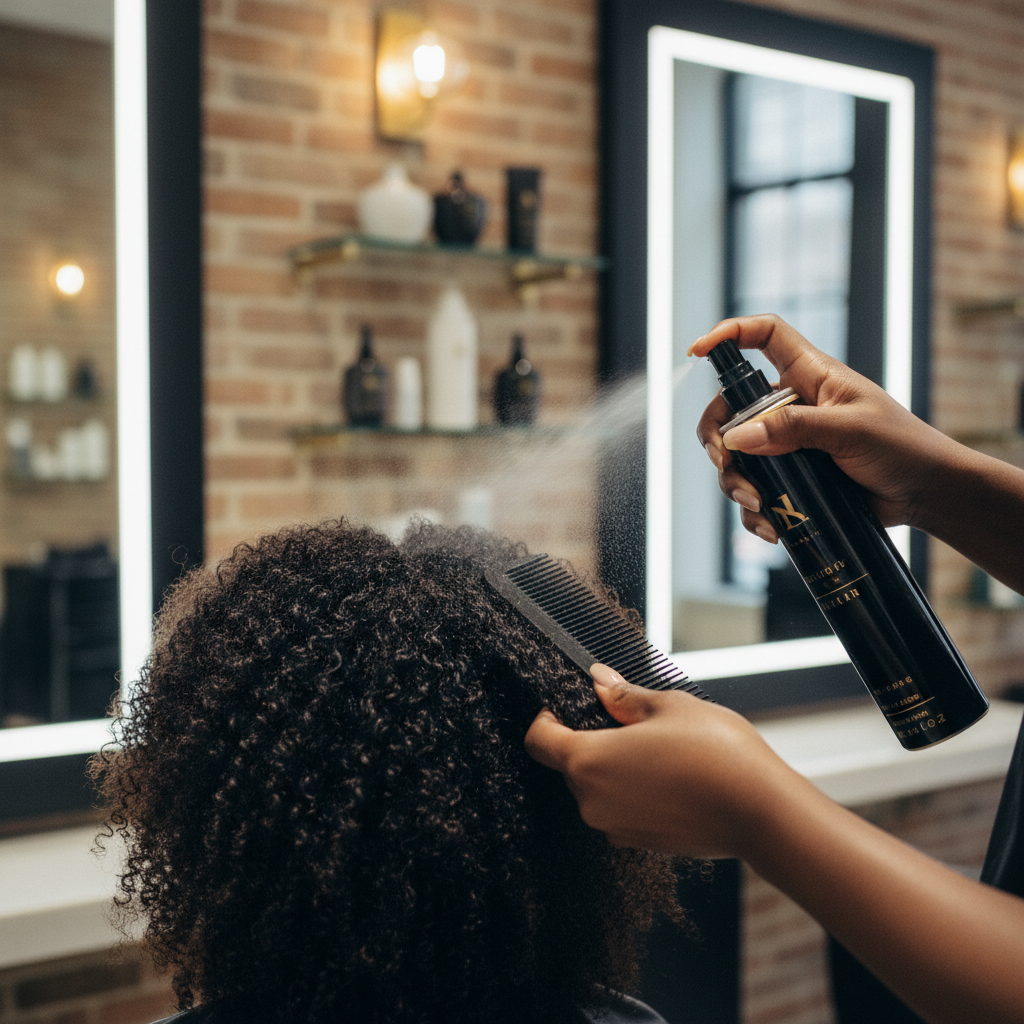
Quick answer: How to moisturise afro hair effectively involves a multi-step routine focused on first infusing water-based hydration into the hair shaft, then sealing it in with oils and creams to prevent rapid moisture loss. Due to its unique coil pattern and structural characteristics, afro hair tends to be naturally drier, requiring consistent and deliberate methods for optimal hydration and to minimise breakage. However, individual hair porosity and environmental factors can influence the ideal approach.
Key takeaways
- Afro hair's unique coil pattern and structure make it prone to dryness because natural sebum struggles to travel down the hair shaft.
- Effective moisturising requires a "liquid first" approach, using water or water-based products to hydrate, followed by oils and creams to seal in that moisture.
- The LOC (Liquid, Oil, Cream) or LCO (Liquid, Cream, Oil) methods are popular, evidence-supported techniques for maximum moisture retention.
- Consistency, gentle handling, and protection from environmental factors are crucial for maintaining hydrated afro hair.
- Understanding your hair's porosity helps tailor product choices and application methods for better moisture absorption and retention.
- Deep conditioning treatments and protective styling play a significant role in long-term moisture management and reducing breakage.
How to moisturise afro hair: what the evidence shows
How to moisturise afro hair effectively centres on understanding its unique anatomy and needs. Afro hair, characterised by its tight coils, has an elliptical cross-section and tends to have more cuticle layers than straight hair. This structure means natural scalp oils, known as sebum, struggle to travel down the hair shaft, leaving the lengths and ends prone to dryness. Additionally, afro hair is often reported to have higher porosity, meaning its cuticle layers are more raised, allowing moisture to enter easily but also escape quickly. This combination necessitates a strategic approach to hydration, focusing on both infusing and retaining moisture.
Evidence suggests that hydration is primarily water-based. Products that provide water or water-soluble humectants (like glycerin or hyaluronic acid) are essential for true moisturisation. Oils and butters, while commonly associated with "moisturising", primarily act as occlusives, forming a barrier on the hair shaft to prevent water loss. Therefore, applying oils and creams after a water-based product is key to locking in hydration.
The mechanism of moisture retention in afro hair
The goal of moisturising afro hair is to counter its inherent tendency for dryness and reduce mechanical damage. The tightly coiled structure of afro hair means there are more points of fracture along the strand, making it more fragile and susceptible to breakage from everyday styling and manipulation. Proper hydration improves hair elasticity, making it more pliable and less likely to snap. When hair is adequately moisturised, the cuticle layers lie flatter, leading to a smoother feel, improved shine, and reduced friction between strands.
Humectants, such as glycerin, propylene glycol, and panthenol, work by attracting water molecules from the environment to the hair. Emollients, like natural oils (e.g., jojoba, argan, coconut), silicones, and fatty alcohols, help to soften and smooth the hair cuticle. Occlusives, which include heavier oils and butters (e.g., shea butter, petroleum jelly), form a physical barrier on the hair surface, sealing in moisture and reducing transepidermal water loss from the hair shaft.
Using a layered approach, such as the LOC (Liquid, Oil, Cream) or LCO (Liquid, Cream, Oil) method, leverages these mechanisms. The "Liquid" step (water or water-based leave-in) provides the essential hydration. The "Oil" step then forms an occlusive barrier, and the "Cream" step provides an additional layer of emollients and occlusives for enhanced sealing and conditioning. The choice between LOC and LCO often depends on individual hair porosity and product preferences, with some finding LCO more effective for finer textures or lower porosity hair, allowing the cream to penetrate before a heavier oil seals it.
Signs your afro hair needs moisture
Recognising when your hair needs moisture is crucial for maintaining its health. Look for these indicators:
- Dry, brittle feel: Hair feels rough, stiff, or crunchy to the touch rather than soft and pliable.
- Lack of elasticity: Hair doesn't bounce back when stretched gently; it snaps easily.
- Dull appearance: Hair lacks natural shine and lustre.
- Excessive frizz: While some frizz is normal for afro hair, increased frizz, even after styling, can signal dehydration.
- Increased breakage: More hair snapping off during detangling or styling than usual.
- Difficult to detangle: Dry hair tangles more easily and is harder to comb through without resistance.
Your step-by-step guide to moisturising afro hair
Effective moisturisation is a routine. Here's a breakdown using the widely recommended LOC method, which can be adapted to LCO as preferred.
1. Start with clean, damp hair
Always apply moisturising products to hair that has been freshly cleansed or at least dampened. Applying heavy oils or creams to dry, dirty hair will only coat it, leading to buildup and preventing genuine hydration. Shampooing removes product buildup and environmental impurities, allowing subsequent products to penetrate more effectively. After washing, gently squeeze out excess water with a microfibre towel or cotton t-shirt. The hair should be damp, not soaking wet. If refreshing dry hair between washes, lightly mist with water until it's pliable.
2. Apply a liquid (L) hydrator
This is the most critical step for infusing actual moisture. Your liquid can be:
- Plain water: Lightly spritz sections of your hair with a spray bottle filled with water until it feels slightly damp and receptive.
- Water-based leave-in conditioner: Apply a generous amount of a leave-in conditioner. These products are formulated with water as their primary ingredient and often contain humectants and conditioning agents. Distribute evenly, focusing on the mid-lengths and ends, which are typically the driest sections. Ensure full coverage by working in small sections.
3. Follow with an oil (O) to seal
Once the liquid is applied, use a natural oil to create a barrier that locks in the moisture. The oil prevents the water from evaporating too quickly from the hair shaft. Apply a small amount, focusing on the same sections where you applied the liquid. Avoid excessive application, as this can lead to greasiness and product buildup. Different oils offer varying benefits:
| Oil Type | Key Properties | Best Suited For |
|---|---|---|
| Coconut Oil | Penetrates hair shaft, reduces protein loss | Deep conditioning, medium to high porosity hair |
| Jojoba Oil | Mimics natural sebum, lightweight, non-greasy | All hair types, balancing scalp oil production |
| Argan Oil | Rich in Vitamin E, fatty acids, lightweight | Adding shine, reducing frizz, finer afro hair types |
| Castor Oil | Thick, strong occlusive properties | Sealing in moisture on thick, coily hair, promoting scalp health |
| Olive Oil | Heavy, rich in fatty acids | Very dry, thick hair, hot oil treatments |
4. Finish with a cream (C) for further sealing and styling
The final step involves applying a rich, emollient cream or hair butter. This provides an additional layer of occlusion, further sealing in the moisture, and offers conditioning benefits. Creams often provide light hold and definition, making them ideal for styling. Distribute the cream evenly over the oiled sections, ensuring complete coverage. This step helps to smooth the cuticle, enhance curl definition, and protect the hair from environmental elements.
Pro tips for optimal moisture retention
- Work in sections: Divide your hair into manageable sections (4 to 8, depending on thickness) before applying products. This ensures thorough and even distribution.
- Listen to your hair: Pay attention to how your hair responds. Adjust product type, quantity, and frequency based on its needs, porosity, and the climate.
- Deep conditioning: Incorporate a deep conditioning treatment once a week or every two weeks. These treatments provide intensive hydration and nutrients, helping to strengthen the hair shaft and improve elasticity. Look for products designed for afro hair that contain ingredients like humectants, proteins, and emollients.
- Protective styling: Styles like braids, twists, and buns minimise manipulation and exposure to environmental stressors, helping to retain moisture and reduce breakage. Learn more in our article on Protective Styling: A Comprehensive Guide.
- Nighttime protection: Use a silk or satin pillowcase or wear a silk/satin bonnet. Cotton absorbs moisture from hair and creates friction, which can lead to dryness and breakage.
- Gentle handling: Afro hair is delicate. Always detangle gently with a wide-tooth comb or your fingers, starting from the ends and working your way up. Avoid harsh brushing or excessive pulling.
What the evidence does not show: "moisturising" with only oil
Some believe that applying only oils to dry afro hair will moisturise it. However, oils are primarily emollients and occlusives; they do not inherently provide water-based hydration. While they can make hair feel softer and appear shinier by smoothing the cuticle and preventing existing moisture loss, they cannot add moisture that isn't already present. Applying oil to truly dry hair can create a barrier that prevents water from penetrating, potentially leading to even drier hair over time. True hydration requires water.
When to seek professional advice
If you consistently struggle to moisturise afro hair, despite implementing a robust routine, or if you notice unusual hair loss (shedding from the root), excessive breakage, scalp irritation, or persistent dryness, it may be time to consult a trichologist or dermatologist. These professionals can help identify underlying issues, such as specific scalp conditions, nutritional deficiencies, or hormonal imbalances, which may be impacting your hair's ability to retain moisture.
Frequently asked questions about How to moisturise afro hair
How often should I moisturise afro hair?
The frequency depends on individual hair needs, environmental conditions, and porosity. Generally, a light refresh every 2 to 3 days is beneficial. If your hair feels dry, brittle, or lacks elasticity, it's a clear sign it needs moisture. Regularly assess your hair's feel and appearance, and adjust your routine as needed. For some, daily misting may be required, while others can go longer.
What's the difference between the LOC and LCO methods?
Both LOC (Liquid, Oil, Cream) and LCO (Liquid, Cream, Oil) are layering techniques to moisturise afro hair. The primary difference is the order of oil and cream. LOC applies oil before cream, which may be better for very porous hair needing a strong seal. LCO applies cream before oil, which might suit finer textures or lower porosity hair, allowing the cream's benefits to penetrate before the oil provides a final seal. Experiment to see which works best for your hair.
Can hard water affect my ability to moisturise afro hair?
Yes, hard water can significantly impact how well you can moisturise afro hair. Minerals in hard water, like calcium and magnesium, can build up on the hair shaft, making it feel rough, dull, and brittle. This mineral film can also prevent moisturising products from penetrating effectively. Using a chelating or clarifying shampoo periodically can help remove mineral buildup, improving your hair's ability to absorb and retain moisture. Learn more in our article on Hard Water and Hair Damage.
Why does my afro hair still feel dry after applying products?
This is a common concern when learning how to moisturise afro hair. It could be due to several factors: not enough initial water-based hydration, using products with drying alcohols, product buildup preventing absorption, or not effectively sealing in moisture. Ensure you're applying water or a water-based leave-in first, checking product ingredients, and regularly clarifying your hair. Your hair porosity might also be a factor, influencing how products penetrate and are retained.
What are humectants, and how do they help moisturise afro hair?
Humectants are ingredients that attract and draw moisture from the air into the hair shaft. Common humectants include glycerin, propylene glycol, and panthenol. They are vital for truly hydrating afro hair, especially in water-based leave-in conditioners. However, in very dry climates, humectants can sometimes draw moisture out of the hair, so it's important to seal them in with an occlusive oil or cream.
Optimising your routine to moisturise afro hair
Mastering how to moisturise afro hair is an ongoing journey of understanding your unique hair type and its response to various products and environmental conditions. By consistently applying a "liquid first, then seal" approach, using appropriate products, and protecting your hair from external stressors, you can achieve and maintain optimal hydration. This commitment to proper moisture management is fundamental to promoting elasticity, reducing breakage, and fostering the overall health and vibrancy of your afro hair.
Sources and references
- American Academy of Dermatology Association, "Hair care tips for people with textured hair", accessed 2023, aad.org
- Dias, M. F. R. G. (2015). Hair Cosmetics: An Overview. International Journal of Trichology, 7(1), 2 to 15. PubMed. Doi: 10.4103/0974-7753.153927
- Keis, K., et al. (2015). Hair breakage in African hair. Journal of Cosmetic Science, 66(1), 21-36. PMC. PMID: 25687729
- Gavazzoni Dias, M. F. R. (2011). Cosmetology of the Hair. In: Olsen, E.A. (eds) Hair Loss. Springer, Berlin, Heidelberg. Doi: 10.1007/978-3-642-17935-9_24
- The Trichological Society, "Afro Hair Care", accessed 2023, trichological.co.uk
Find these ingredients in Watermans products
- Argan Oil: you will find this ingredient in our Hair Growth Shampoo.
- Vitamin E: you will find this ingredient in our Hair Vitamins.
- Castor Oil: you will find this ingredient in our Camellia & Black Castor Hair & Body Oil.
- Panthenol (Provitamin B5): you will find this ingredient in our Heat Protection Spray.
- Shea Butter: you will find this ingredient in our Curly Hair Conditioner.