Managing High Porosity Hair: An Evidence-Based Guide to Cuticle Repair and Moisture
8 min read ·
Learn the science of Managing High Porosity Hair. Discover the causes of cuticle damage, practical care routines, protein treatments, and proven moisture-sealing tips.
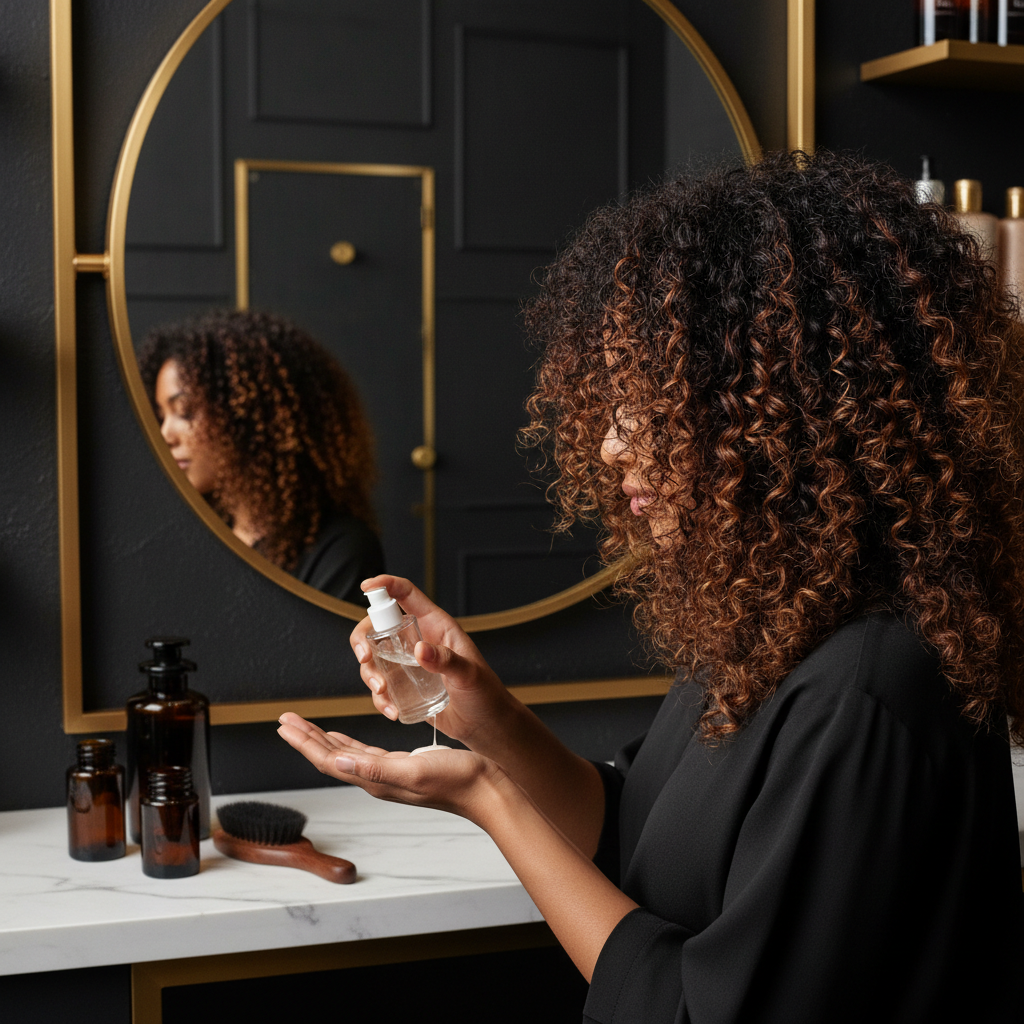
Quick answer: Managing High Porosity Hair requires restoring the cuticle barrier, replenishing lost lipids, and using pH-balanced products to reduce swelling and moisture loss. Hair with high porosity absorbs water rapidly through raised, chipped, or missing cuticle scales, but loses that hydration just as fast. The main limitation is that cosmetic treatments cannot permanently repair damaged keratin fibres. Shampoos, conditioners, and oils offer temporary structural support and barrier protection, which means consistent maintenance is essential to prevent chronic breakage.
Key takeaways
- High porosity hair has gaps, chips, or lifted cuticles that allow rapid water absorption but cause severe moisture loss.
- The condition stems from genetic cuticle architecture, chemical processing (bleaching, relaxing), thermal damage, or intense ultraviolet radiation.
- Protein treatments temporarily reinforce weak cortical areas, while plant oils and ceramides seal the external fibre.
- Maintaining a mildly acidic product pH (between 4.5 and 5.5) helps compact cuticle scales and minimises fibre swelling.
- Cosmetic products cannot permanently regenerate dead keratin structures, meaning ongoing care is required to stop fibre snapping.
Managing High Porosity Hair: what the evidence shows
Managing High Porosity Hair requires addressing the biophysical breakdown of the outer cuticle layer. Scientific studies in cosmetic trichology show that high porosity hair suffers from an eroded epicuticle and lifted scales, which exposes the underlying cortex.
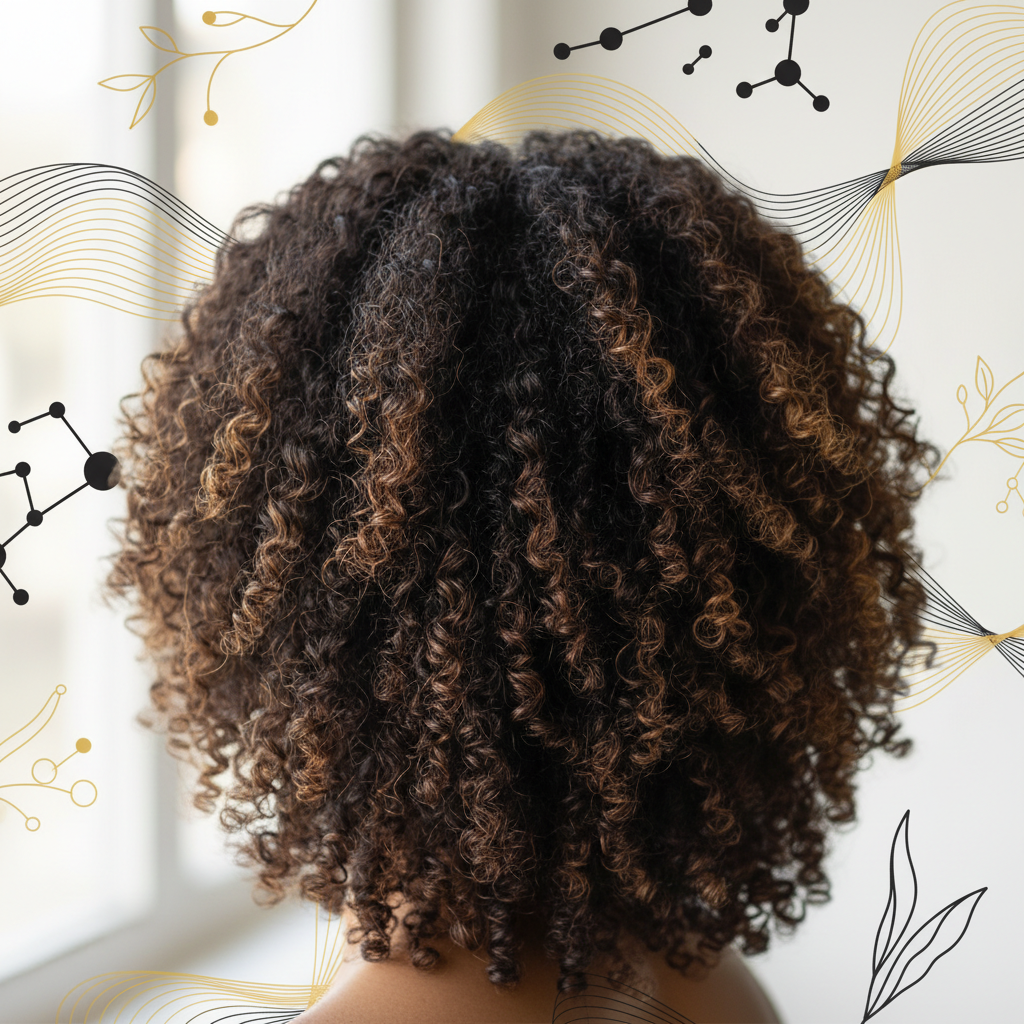
When cuticle scales separate, environmental humidity enters the hair shaft freely, causing hygral fatigue (the repeated swelling and contracting of the inner fibre as it absorbs and loses water). Over time, this mechanical stress weakens hydrogen and disulphide bonds within the cortex, leading to structural fatigue and fibre snapping.
Research demonstrates that managing this condition depends on three pillars:
- Acidic pH balancing: Alkaline formulations force cuticle scales further open. Applying conditioning rinses formulated at an acidic pH between 4.5 and 5.5 neutralises static charge and flattens cuticle tiles against the shaft.
- Hydrolysed protein deposition: Small-chain hydrolysed proteins (such as wheat, silk, or keratin) possess molecular weights low enough to penetrate micro-fissures in damaged hair fibres, temporarily reinforcing tensile strength.
- Lipid and film-former replenishment: Chemical processing strips the 18-methyleicosanoic acid (18-MEA) fatty acid layer that naturally covers the hair fibre. Applying polar lipids, silicones, or plant-derived butter substitutes creates an artificial hydrophobic barrier that stops rapid moisture evaporation.
High porosity compared with normal and low porosity hair
Understanding the physical distinctions between porosity levels helps pinpoint the right interventions.
| Characteristic | Low Porosity Hair | Medium (Normal) Porosity | High Porosity Hair |
|---|---|---|---|
| Cuticle Condition | Tightly overlapping, flat, intact | Uniform, slightly raised edges | Chipped, lifted, cracked, or missing |
| Water Absorption | Very slow; water beads on surface | Balanced, steady uptake | Extremely rapid; saturates immediately |
| Drying Time | Extended; water stays trapped | Moderate and predictable | Unusually fast; dries out brittle |
| Product Penetration | Difficult; prone to surface build-up | Absorbs evenly without heavy residue | Readily absorbs heavy creams and oils |
| Protein Response | Prone to stiffness from protein | Tolerates balanced protein inputs | Requires structural protein reinforcement |
| Primary Vulnerability | Surface greasiness, dullness | Low vulnerability | Mechanical breakage, split ends, frizz |
What the evidence does not show
Controlled research does not support the popular home float test (placing shed strands in a glass of water to gauge porosity). Surface tension, remaining sebum, dust, and product residues routinely cause dense strands to float or healthy strands to sink, rendering the test unreliable.
Furthermore, evidence does not show that any cosmetic ingredient can permanently fuse split ends or reattach broken cuticles. Ingredients marketed as bond builders or cuticle sealers provide temporary mechanical adhesion. Once you wash the hair with clarifying surfactants, those deposited films wash away, returning the strand to its baseline state. Porosity management is an ongoing physical defence, not a one-time medical cure.
The biological mechanisms behind high porosity
Every human hair strand consists of three concentric layers: the inner medulla, the structural cortex, and the protective outer cuticle. The cuticle features 6 to 10 layers of overlapping keratin scales glued together by the cell membrane complex (CMC).
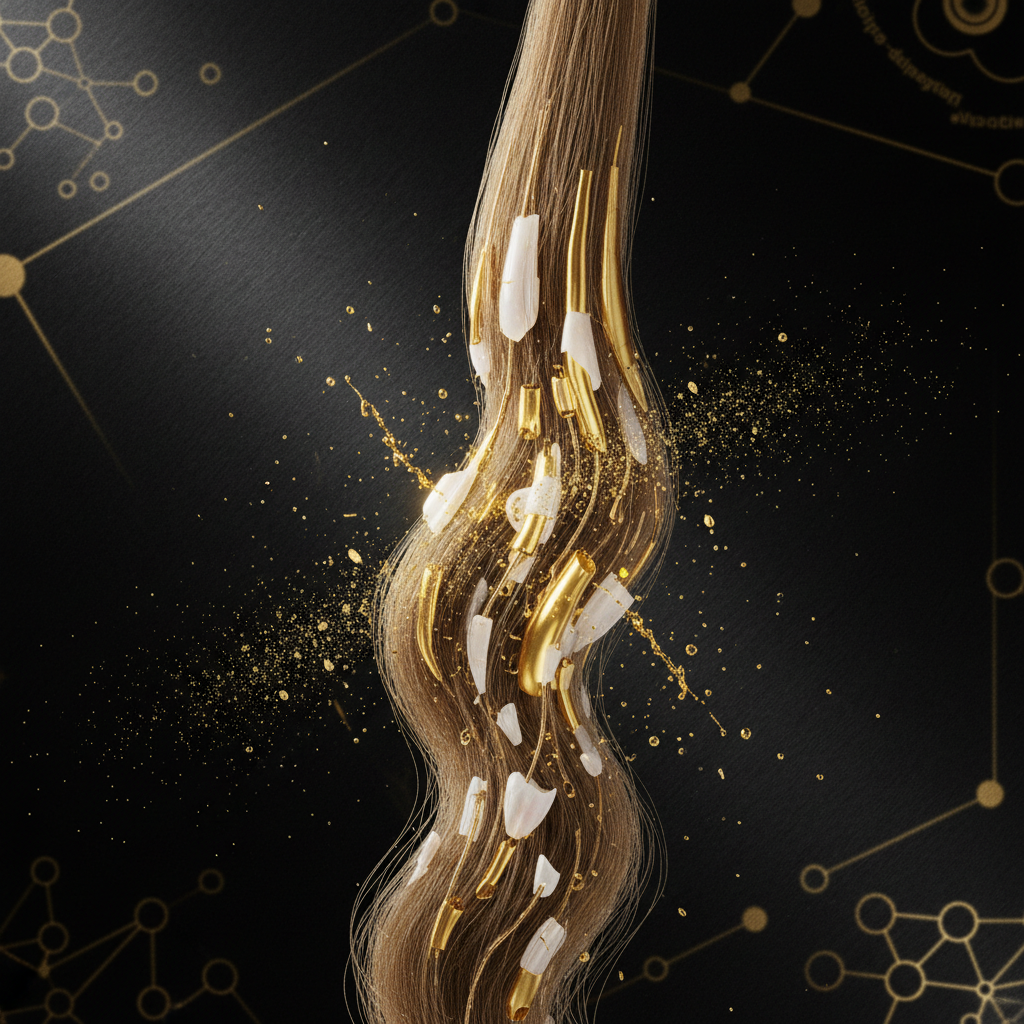
High porosity develops when the CMC breaks down or outer scales wear away:
- Chemical degradation: Bleaching agents, permanent dyes, and chemical relaxers raise the cuticle with alkaline solutions (often pH 9.0 to 11.0) and oxidise internal melanin. This process destroys the 18-MEA lipid layer and strips away cuticle scales.
- Thermal denaturation: Styling tools operating above 185°C vaporise internal water rapidly, creating microscopic bubbles (bubble hair) and blistering the cuticle.
- Mechanical weathering: Vigorous backcombing, rough detangling, and friction from abrasive fabrics physically chip the edges off individual cuticle tiles.
- Genetic hair patterns: Afro-textured and tight curl patterns (coils and kinks) feature natural twists along the hair shaft where cuticle scales naturally lift, creating higher baseline porosity without chemical damage.
Key signs of high porosity hair
Identifying whether hair is highly porous involves checking for structural and textural symptoms rather than relying on unscientific tests:
- Immediate saturation: Hair wets down instantly under running water without resisting moisture.
- Tangled, rough texture: Running fingers upward along a single dry strand feels distinctly rough, bumpy, or uneven.
- Persistent dullness: Raised cuticles scatter light in different directions instead of reflecting it cleanly, leaving hair looking matte.
- Rapid drying with immediate frizz: The hair dries remarkably fast in indoor air, turning brittle and frizzy almost straight away.
- Excessive colour uptake and fading: Artificial hair colour absorbs much darker than expected, but washes out completely within a few shampoos due to wide cuticle gaps.
Practical steps for managing porous hair fibres
Successfully managing high porosity hair centres on gentle handling and layering protective products:
- Wash with low-pH shampoos: Pick sulphate-free cleansers buffered to a pH of 5.0 to 5.5 to cleanse without forcing cuticle scales wider.
- Apply leave-in conditioners with hydrolysed proteins: Formulations with hydrolysed vegetable, wheat, or keratin proteins temporarily bind to damaged sites.
- Use the LOC or LCO method: Layering Liquid (leave-in conditioner), Oil, and Cream (or Liquid, Cream, Oil) physically traps hydration beneath heavy, occlusive plant oils like argan, jojoba, or shea butter.
- Protect against thermal stress: Always apply heat protection before using hairdryers or styling irons, and keep hot tools below 175°C.
- Lower friction at night: Sleep on silk or satin pillowcases to prevent dry, lifted cuticles from snagging on rough cotton fibres.
When breakage is mistaken for hair shedding
People dealing with high porosity hair often report sudden hair loss, but in most cases, they are experiencing hair fibre breakage rather than follicular shedding.
Hair shedding (such as telogen effluvium) happens at the scalp level, where whole hairs leave the follicle with a small white bulb intact at the root. Breakage, by contrast, occurs when a compromised, porous hair shaft snaps mid-way along the strand. Snapped hairs have blunt ends without bulbs and are generally shorter than your overall hair length. Never mistake fibre breakage for medical alopecia. If your hair is breaking, focus your routine on structural conditioning and cuticle lubrication rather than scalp-stimulating treatments.
Supporting hair condition with Watermans
When managing high porosity hair that feels fragile, brittle, and prone to surface breakage, supporting the fibre condition from the scalp onward is vital. Watermans products are formulated to improve the feel, appearance, and manageable texture of stressed strands.
Watermans Grow Me Shampoo and Condition Me Conditioner supply strengthening ingredients like hydrolysed lupin protein, niacinamide, caffeine, and argan oil. The hydrolysed proteins settle into micro-gaps on porous cuticles, helping hair feel thicker, stronger, and more resilient against daily brush friction. When paired with the restorative nutrients in the conditioner, porous hair regains soft slip, noticeable gloss, and improved resistance against mechanical snapping.
When to seek professional advice
If your hair continues to snap despite careful conditioning and gentle handling, consult a qualified trichologist or dermatologist. Underlying systemic issues, such as iron deficiency, thyroid dysfunction, or extreme protein-calorie restriction, can alter how keratin forms during hair synthesis, producing structurally weaker fibres right out of the follicle.
A trichologist can inspect your hair strands under a polarised light microscope to measure cuticle erosion, rule out genetic hair shaft disorders (like trichorrhexis nodosa), and design an appropriate restorative treatment plan.
Frequently asked questions about Managing High Porosity Hair
What is the most effective routine for Managing High Porosity Hair?
The most reliable routine involves washing with a sulphate-free, low-pH shampoo (pH 4.5 to 5.5), following with a hydrolysed protein treatment every two weeks, and using the LOC (Liquid-Oil-Cream) layering method. This sequence hydrates the inner cortex, seals gaps with proteins, and locks moisture in using heavier lipids.
Can high porosity hair become low porosity again?
No, existing hair fibres cannot permanently revert to low porosity once cuticle scales are chipped or lost. Hair is non-living keratin tissue without cell regeneration. You can only manage the symptoms with cosmetic sealants, proteins, and oils until fresh, healthy hair grows out from the scalp.
Does cold water close high porosity cuticles?
Cold water has a negligible physical effect on cuticle closure. Cuticle scales respond to pH levels and chemical bonding, not water temperature. While extreme heat swells the hair fibre, an acidic conditioning product works far better to smooth down lifted cuticles than a cold water rinse alone.
How often should high porosity hair receive protein treatments?
Most high porosity hair benefits from hydrolysed protein treatments every 7 to 14 days. Because the cuticle is compromised, proteins wash out quickly. However, monitor the hair closely: if the strands begin to feel rigid, stiff, or straw-like, reduce protein use and increase moisture-rich conditioning products.
Why does high porosity hair lose moisture so fast?
High porosity hair loses water rapidly because its outer cuticle shield is lifted, cracked, or missing. Without intact, tightly sealed cuticle tiles and natural surface lipids (like 18-MEA), internal hydration evaporates into the surrounding air almost immediately through simple transpiration.
Conclusion
Successfully Managing High Porosity Hair comes down to compensating for a weakened cuticle barrier through thoughtful, consistent care. By using pH-balanced products, replenishing missing surface lipids, and reinforcing vulnerable areas with hydrolysed proteins, you can protect your strands against everyday friction and prevent premature snapping. Focus on gentle handling, preserve the fibres you have, and give your hair the defensive coating it needs to stay resilient and soft.
Sources and references
- Journal of Cosmetic Science: "Chemical and physical properties of human hair," 2009.
- International Journal of Trichology: "Hair cosmetics: An overview," 2015.
- Society of Cosmetic Chemists: "The effects of chemical treatments on hair porosity and structure," 2018.
- British Association of Dermatologists: "Hair shaft abnormalities and structural weathering," 2021.
Find these ingredients in Watermans products
- Niacinamide: you will find this ingredient in our Hair Mask.
- Shea Butter: you will find this ingredient in our Curly Hair Conditioner.