Lichen Planopilaris Care: Evidence-Based Management and Scalp Protection
10 min read ·
Understand Lichen Planopilaris Care: evidence-based medical treatments, gentle scalp routines, and how to protect hair follicles from irreversible scarring.
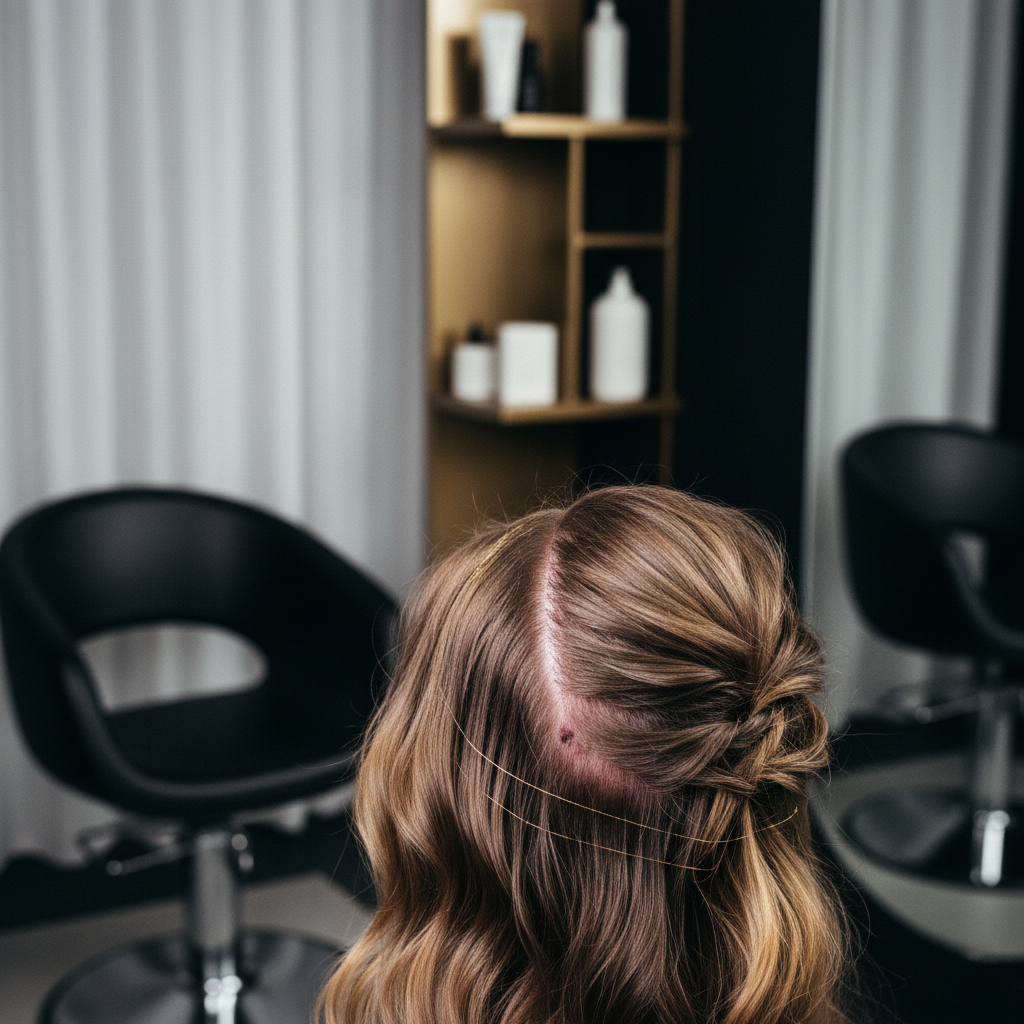
Quick answer: Lichen Planopilaris Care focuses on managing a rare, inflammatory primary cicatricial (scarring) alopecia where the immune system destroys hair follicles. While Lichen Planopilaris Care cannot reverse established scarring or regenerate lost follicles, a combined medical and supportive routine can arrest inflammation, relieve burning, itching, and scaling, and protect surviving follicles. Early medical diagnosis by a dermatologist via dermoscopy or scalp biopsy is non-negotiable, as cosmetic care alone cannot stop disease progression.
Key takeaways
- Lichen Planopilaris (LPP) is an autoimmune condition that permanently destroys follicular stem cells in the hair bulge.
- Established scar tissue cannot regrow hair; the primary medical goal is stopping disease activity to preserve existing hair.
- Medical treatment requires specialist dermatology care, often involving topical corticosteroids, calcineurin inhibitors, or systemic immunomodulators.
- At-home care must be exceptionally gentle, focusing on non-stripping cleansers, minimal mechanical tension, and reducing scalp irritation.
- Hair cosmetics and gentle shampoos support scalp comfort and cosmetic density, but they do not treat or cure the underlying autoimmune process.
Lichen Planopilaris Care: what the evidence shows
Lichen Planopilaris Care requires a dual strategy: expert medical intervention to quieten the immune response, paired with protective cosmetic handling to avoid aggravating the scalp. Peer-reviewed dermatological literature confirms that LPP is a lymphocytic primary scarring alopecia. T-lymphocytes target the bulge region of the hair follicle, which houses epithelial stem cells. Once these stem cells are destroyed, the follicle undergoes fibrosis and is replaced by fibrous scar tissue, leading to permanent, irreversible hair loss.
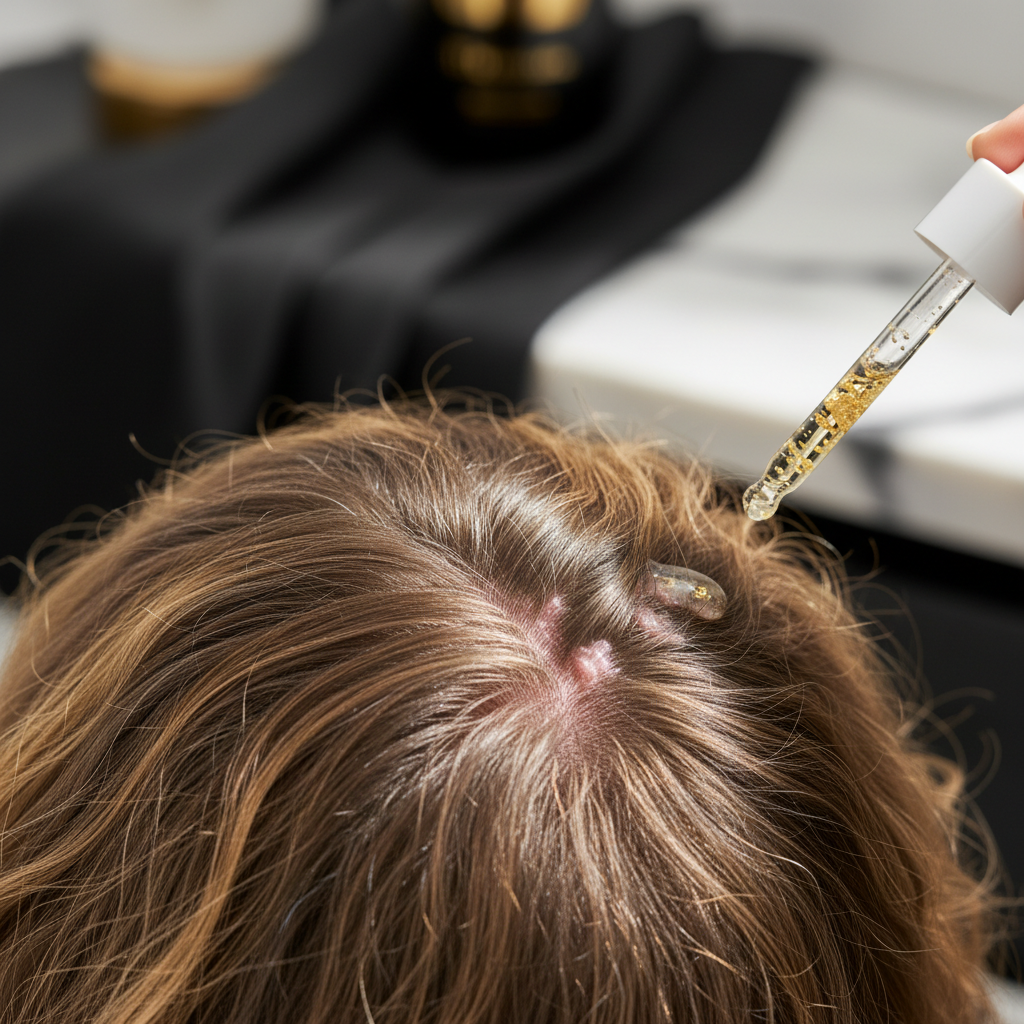
Because of this mechanism, evidence shows that clinical management must prioritise early, aggressive anti-inflammatory therapy. According to clinical guidance from the British Association of Dermatologists and international cicatricial alopecia research groups, first-line treatments typically include high-potency topical corticosteroids (such as clobetasol propionate) or intralesional steroid injections to halt active follicular destruction. Calcineurin inhibitors (such as tacrolimus) are frequently used as steroid-sparing alternatives. For progressive or rapidly advancing cases, oral medications including hydroxychloroquine, doxycycline, or immunosuppressants may be prescribed.
At home, Lichen Planopilaris Care centres on shielding the vulnerable scalp barrier. Using mild, pH-balanced cleansers (pH 4.5 to 5.5) helps preserve the acid mantle and prevents secondary bacterial or fungal colonisation. Patients who avoid physical trauma, excessive friction, and harsh chemical treatments generally report fewer subjective flare-ups of burning and dysaesthesia.
What the evidence does not show
The evidence does not show that natural oils, nutritional supplements, or cosmetic shampoos can reverse or cure LPP. Well-meaning advice online often suggests treating the scalp with essential oils, vigorous massage, or commercial hair-growth serums designed for androgenetic alopecia. In the context of active LPP, these practices lack clinical support and can actively harm the scalp.
Vigorous scalp massage or physical exfoliation can trigger what dermatologists recognise as the Koebner phenomenon. This is a process where physical trauma induces new inflammatory lesions in previously uninvolved skin. Furthermore, common hair-loss treatments such as topical minoxidil can cause significant contact dermatitis due to their alcohol and propylene glycol content, worsening active inflammation. Minoxidil does not restore follicles that have already turned into scar tissue.
The biological mechanism behind LPP
Lichen planopilaris occurs when cell-mediated immunity attacks self-antigens located around the upper portion of the hair follicle. Under normal physiological conditions, the follicular bulge enjoys "immune privilege", meaning it suppresses major histocompatibility complex (MHC) class I molecules to protect stem cells from immune surveillance.
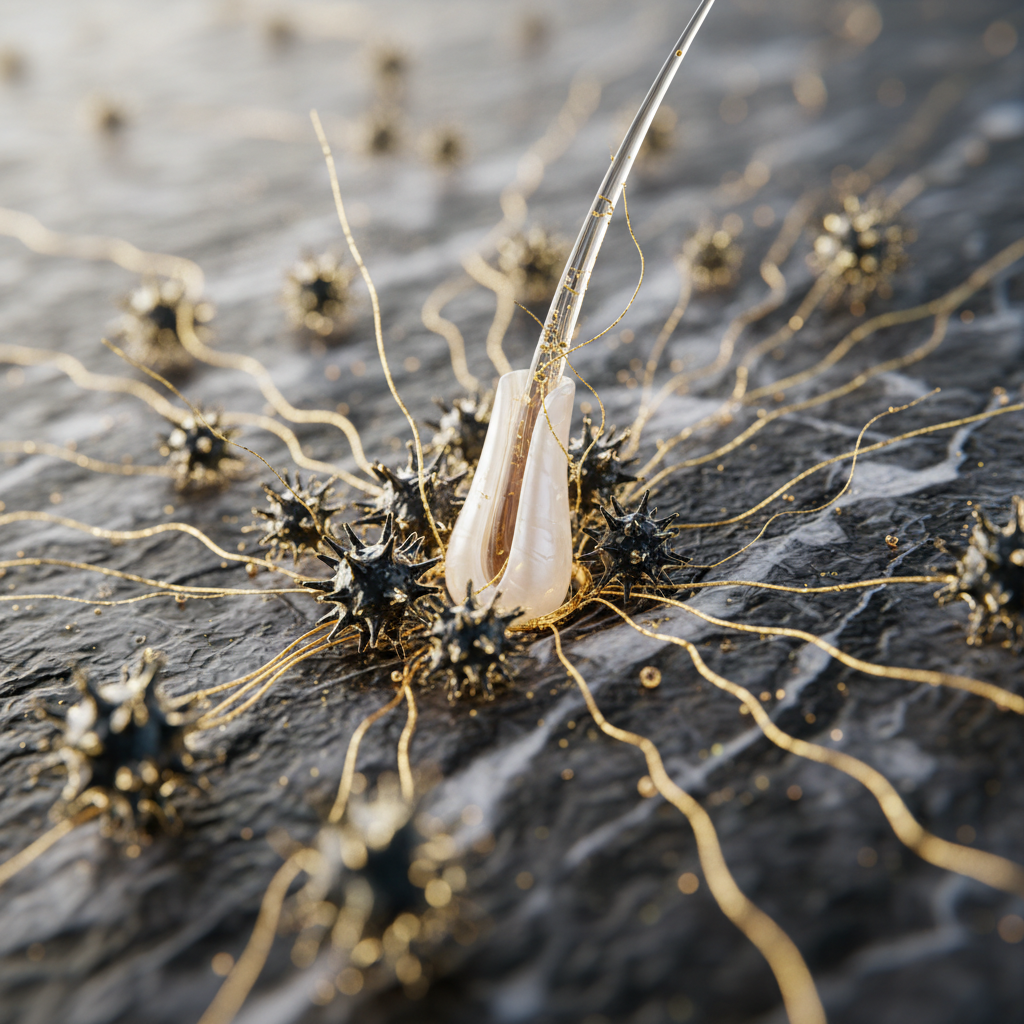
In LPP, this immune privilege collapses. The body upregulates MHC class I and II expression around the follicular epithelium. CD8+ cytotoxic T-lymphocytes and CD4+ helper T-cells infiltrate the infundibulum and isthmus of the follicle, initiating apoptosis (programmed cell death) of follicular keratinocytes. As the bulge cells perish, the sebaceous gland is often lost first, followed by collapse of the entire upper follicular architecture. The tissue subsequently heals via fibroplasia, leaving a smooth, shiny, non-follicular scar devoid of visible ostia (follicular openings).
Signs and symptoms to monitor
Recognising the signs of active inflammation allows you to seek timely adjustments to your medical care plan before scarring expands. Clinical signs of LPP generally fall into physical sensations and visual markers:
- Scalp dysaesthesia: Burning, tenderness, constant soreness, or intense itching (pruritus) that worsens during flare-ups.
- Perifollicular erythema: Redness or violaceous (purplish) discolouration concentrated in a tight ring directly around individual hair shafts.
- Perifollicular hyperkeratosis: Visible scale, flaking, or small hard "collarettes" of skin hugging the base of the hair fibre.
- Loss of follicular ostia: Smooth, shiny patches where the natural pore-like openings of the hair follicles have completely disappeared.
- Hair shedding with white bulbs: Hairs shed easily when pulled gently from active margins, often retaining a gelatinous inner root sheath.
| Characteristic | Lichen Planopilaris (LPP) | Alopecia Areata | Seborrhoeic Dermatitis |
|---|---|---|---|
| Primary Mechanism | Cicatricial (scarring); T-cell destruction of stem cells | Non-scarring; autoimmune attack on hair bulb | Inflammatory reaction to Malassezia yeast |
| Follicular Openings | Lost permanently in affected patches | Retained (pores remain visible) | Retained |
| Scalp Appearance | Perifollicular casts, redness, smooth shiny patches | Smooth, normal-looking skin with exclamation-mark hairs | Greasy, yellowish flakes on erythematous skin |
| Regrowth Potential | Follicles cannot regrow once scarred | High (spontaneous or medically induced) | Complete regrowth once managed |
| Sensory Symptoms | Marked burning, pain, tenderness, itching | Usually asymptomatic (occasional mild prickling) | Itching, minimal pain |
Practical day-to-day care routines
Everyday handling must focus on reducing mechanical tension and chemical trauma while maintaining clean, balanced skin.
1. Gentle cleansing and washing frequency
Wash the scalp two to three times a week using lukewarm water. Hot water strips lipids and exacerbates pruritus. Use a fragrance-free, mild surfactant shampoo formulated around a skin-neutral pH (4.5 to 5.5). When washing, use the pads of your fingers, never your fingernails. Let the shampoo run down the hair lengths rather than scrubbing the scalp aggressively.
2. Styling without traction
Avoid tight ponytails, heavy braids, tight headwear, or hair extensions. Traction creates tension at the follicle base, which can activate inflammatory pathways and cause mechanical stress on already compromised tissue. Wide-toothed combs, soft bristle brushes, and low-tension styles minimise mechanical breakage and follicular strain.
3. Avoiding chemical irritants
During an active flare, pause all chemical processes, including permanent hair dyes, bleaches, perms, and chemical relaxers. If you choose to dye your hair during periods of clinical remission, patch-test thoroughly first, and choose formulas without ammonia or paraphenylenediamine (PPD), preferably opting for gentle, off-scalp foil techniques that keep chemicals from touching the skin.
4. Sun and thermal protection
Scarred scalp skin is thinner and more susceptible to ultraviolet damage. Wear a loose, wide-brimmed hat made of breathable natural fibres when spending time outdoors. Avoid direct heat from blow dryers; if you must blow-dry, use the cool setting and keep the nozzle at least 15 cm away from the scalp surface.
When the cause might be something else
Several conditions mimic the appearance or early symptoms of LPP. Frontal Fibrosing Alopecia (FFA) is considered a clinical variant of LPP, but it displays a distinctive band-like recession along the front and temporal hairline, often accompanied by the partial or complete loss of eyebrows.
Discoid Lupus Erythematosus (DLE) also creates scarring patches, but these typically feature prominent follicular plugging, mottled hyperpigmentation or hypopigmentation, and visible telangiectasia (spider veins). Central Centrifugal Cicatricial Alopecia (CCCA) begins on the crown or vertex and expands symmetrically, primarily affecting individuals of African descent. Non-scarring conditions such as telogen effluvium or seborrhoeic dermatitis can coexist with LPP, making professional differential diagnosis essential.
When to seek urgent medical evaluation
Early diagnosis can mean the difference between minor, unnoticeable hair thinning and widespread permanent loss. You should see an NHS or private consultant dermatologist, or an experienced trichologist registered with the Institute of Trichologists, if you experience:
- Persistent burning, stinging, or tenderness across your scalp.
- Visible rings of redness or hardened white collars at the base of your hair strands.
- Patchy hair loss where the underlying skin looks unusually smooth or glass-like.
- Sudden accelerated shedding accompanied by scalp discomfort.
A clinical dermatologist will use dermoscopy to inspect the micro-structures of the scalp. If scarring alopecia is suspected, they will perform a punch biopsy (typically 4 mm) taken from the active border of the patch. The tissue undergoes horizontal and vertical histological sectioning to confirm lymphocytic infiltration and assess the integrity of the sebaceous glands and stem cell bulge.
Cosmetic support and Watermans
While cosmetic products do not treat medical conditions like LPP, maintaining the cosmetic health of non-affected hair fibres can help individuals feel more confident. When your dermatologist confirms that your inflammatory condition is quiet and stable, choosing mild cosmetic formulations can keep your remaining hair looking full, conditioned, and resilient against mechanical breakage.
Watermans focuses on gentle, scalp-first cosmetics. Formulations like Watermans Grow Me shampoo offer sulphate-free, nourishing cleansing with ingredients such as biotin, rosemary, and niacinamide. These cosmetic ingredients do not arrest autoimmune activity, reverse scarring, or substitute for medical therapy. However, for those seeking to support the cosmetic appearance, bounce, and body of their existing hair without subjecting the scalp to harsh cleansers, a gentle, nutrient-rich shampoo can be a practical addition to your broader routine once clinical inflammation is controlled.
Frequently asked questions about Lichen Planopilaris Care
Can hair regrow after Lichen Planopilaris destroys the follicle?
No, hair cannot regrow from follicles destroyed by LPP. The inflammatory process destroys the epithelial stem cells located in the hair bulge, replacing the entire follicle with fibrous scar tissue. This is why immediate, proactive Lichen Planopilaris Care is crucial: medical treatment halts the destruction to save the follicles that remain intact, but it cannot restore follicles that have already scarred over.
What ingredients should I avoid in hair products if I have LPP?
Avoid products with high concentrations of ethanol, denatured alcohol, synthetic fragrances, and aggressive surfactants such as sodium lauryl sulphate (SLS). These ingredients compromise the epidermal barrier and heighten inflammatory scalp sensitivity. Additionally, avoid high concentrations of chemical exfoliants like salicylic acid or glycolic acid unless your dermatologist specifically prescribes them to clear thick hyperkeratosis.
How often should you wash your hair with Lichen Planopilaris?
Most dermatologists recommend washing two to three times a week. Washing too frequently can strip natural lipids and dry out the scalp, triggering irritation. Conversely, washing too infrequently allows sebum, dead skin cells, and microbial populations to build up, which can worsen inflammation and perifollicular scale. Always use lukewarm water and avoid scrubbing with your nails.
Can diet help improve Lichen Planopilaris Care?
Dietary adjustments cannot cure LPP, as it is a complex autoimmune condition. However, eating a balanced diet rich in anti-inflammatory foods (such as leafy greens, omega-3 fatty acids from oily fish, and berries) supports general immune health. Some patients find that identifying and eliminating personal inflammatory dietary triggers reduces perceived symptom flare-ups, but diet should always complement, never replace, medical treatments.
Can I dye my hair if I have LPP?
You should avoid hair dye during active flare-ups when you experience burning, redness, or tenderness. When the disease is confirmed quiescent (inactive) by your dermatologist, off-scalp highlighting using foils is generally safer than on-scalp permanent colour. Always perform an open patch test 48 hours prior, and choose ammonia-free, low-irritant formulations to prevent setting off a relapse.
Final thoughts on Lichen Planopilaris Care
Navigating Lichen Planopilaris Care requires patience, realistic expectations, and close collaboration with medical specialists. Although learning that hair loss from this condition is permanent can feel overwhelming, early intervention combined with careful day-to-day handling can successfully quieten inflammation and preserve your remaining hair. By partnering with a dermatologist, adopting protective grooming habits, and treating your scalp with gentle respect, you can take control of your Lichen Planopilaris Care and protect your long-term scalp health.
Sources and references
- British Association of Dermatologists. Clinical Guidelines for the Management of Lichen Planopilaris. 2020.
- Harries, M. J., et al. "Lichen planopilaris: review of the clinical presentation, diagnosis, and modern treatment options." British Journal of Dermatology, 2018.
- Somani, N., & Bergfeld, W. F. "Cicatricial alopecia: classification and management." Dermatologic Therapy, 2008.
- National Health Service (NHS). "Lichen planus and scalp involvement." 2022.
- American Academy of Dermatology. "Cicatricial (Scarring) Alopecia Diagnosis and Management." 2021.
Find these ingredients in Watermans products
- Niacinamide: you will find this ingredient in our Hair Mask.