The Role of Keratin in Hair
4 min read ·
Keratin is the primary protein making up human hair, providing its strength, structure, and protective outer layer.
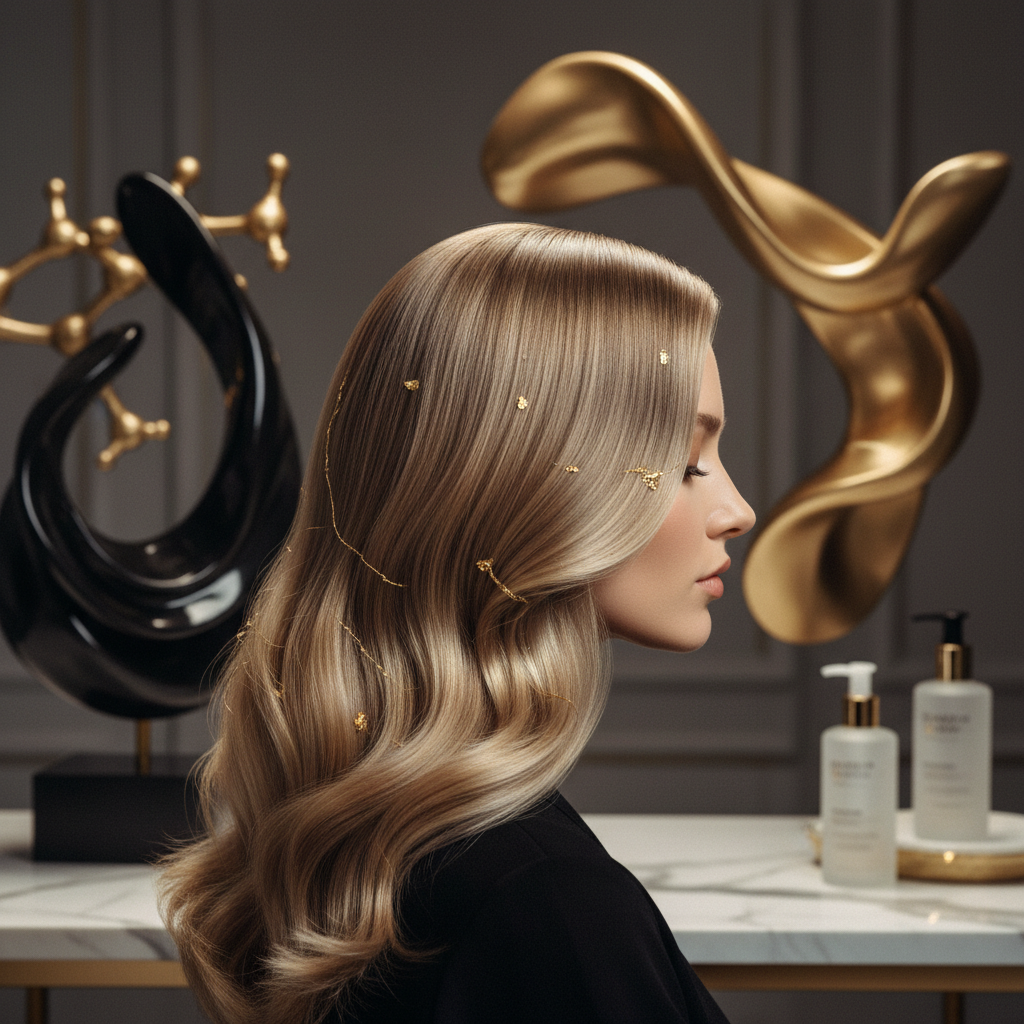
What is Keratin?
Keratin is a fibrous structural protein, meaning it’s tough, insoluble, and forms the main building material of hair, skin, and nails. Specifically, hair is composed of alpha-keratin, a type of keratin also found in the outer layer of human skin. This protein is essential for hair's mechanical properties, including its elasticity and strength.
Keratin is synthesized by specialized cells called keratinocytes, which are produced in the hair follicle. As these cells mature, they fill with keratin proteins and ultimately die, forming the hardened, protective layers of the hair shaft that we see. This process is called keratinization.
The Structure of Hair and Keratin's Place
The hair shaft, the visible part of the hair, has three main layers:
- Cuticle: The outermost layer, composed of overlapping, dead, keratinized cells that resemble scales. The cuticle's primary role is to protect the inner layers of the hair and regulate moisture content. A healthy cuticle lies flat, providing a smooth, shiny appearance and making the hair less prone to tangling and damage. When the cuticle is damaged or raised, hair can appear dull, feel rough, and be more susceptible to breakage.
- Cortex: The middle and thickest layer of the hair shaft, making up about 75-90% of the hair's total weight. The cortex consists of tightly packed keratin bundles, responsible for hair's strength, elasticity, and colour. Melanocytes, which produce the pigment melanin, are found within the cortex, determining hair colour.
- Medulla: The innermost layer, present in some but not all hair types. Its exact function is not fully understood, but it is believed to contribute to the hair's overall strength and resilience. The medulla is often absent in fine or vellus hair.
All three of these layers rely on keratin for their structural integrity and function. The specific arrangement and type of keratin in each layer contribute to the hair's overall characteristics.
Keratin Bonds: The Architects of Hair Strength
The strength and shape of hair are largely determined by the types of bonds formed between keratin proteins:
- Disulfide Bonds: These are strong, covalent chemical bonds formed between sulfur atoms in the amino acid cysteine, which is abundant in keratin. Disulfide bonds are permanent and play a crucial role in maintaining hair's structural integrity and its natural curl pattern. They can only be broken by strong chemical processes, such as those used in perms or relaxers, or by extreme heat, which permanently alters the hair's shape.
- Hydrogen Bonds: Weaker, electrostatic bonds that form between hydrogen and oxygen or nitrogen atoms in adjacent keratin chains. Hydrogen bonds are temporary and easily broken by water (e.g., when hair gets wet) and heat. They reform as hair dries or cools, which is why styling with heat tools can temporarily change hair's shape without permanently altering its disulfide bonds.
- Salt Bonds: Also temporary electrostatic bonds, similar to hydrogen bonds, that respond to changes in pH. They are broken by strong acids or alkalis and reform when the hair's pH is neutralised. Salt bonds also contribute to hair's elasticity and shape.
Keratin and Hair Health
Healthy hair is characterized by strong, intact keratin structures. Damage to these structures can lead to a variety of issues:
- Breakage: When keratin bonds, particularly disulfide bonds, are weakened or broken, the hair shaft becomes fragile and prone to snapping.
- Frizz: A damaged or raised cuticle allows moisture to penetrate the hair shaft unevenly, causing the keratin in the cortex to swell and leading to a rough, frizzy appearance.
- Dullness: A smooth, intact cuticle reflects light effectively, resulting in shiny hair. When the cuticle is disrupted, light scattering occurs, making hair appear dull.
- Dryness: The cuticle also helps to seal in moisture. Damage can lead to moisture loss, making hair feel dry and brittle.
External Factors Affecting Keratin
Several environmental and chemical factors can impact the integrity of keratin in hair:
- Heat Styling: Excessive heat from tools like flat irons, curling irons, and blow dryers can denature (alter the structure of) keratin proteins and break hydrogen and disulfide bonds, leading to damage. The optimal temperature for heat styling to minimise damage is debated, but generally, lower temperatures are preferred, and a heat protection product is recommended.
- Chemical Treatments: Perms, relaxers, and hair dyes utilize chemicals that deliberately break and reform disulfide bonds to change hair's texture or colour. While effective, these processes can weaken the hair if not performed carefully or if overused.
- UV Radiation: Prolonged exposure to ultraviolet (UV) light from the sun can degrade keratin proteins and melanin, leading to weakened, discolored, and dry hair.
- Mechanical Stress: Aggressive brushing, tight hairstyles, and friction from towels can cause physical damage to the cuticle and outer layers of the keratin structure.
- Environmental Pollutants: Air pollution can deposit damaging particles on the hair, contributing to oxidative stress that can degrade keratin.
Restoring Keratin in Damaged Hair
While the body naturally produces keratin, once the hair has emerged from the scalp, it is no longer biologically active. Therefore