The Science of Humidity and Hair: How Moisture Affects Your Locks
10 min read ·
The Science of Humidity and Hair explains how atmospheric moisture interacts with your hair's protein structure, primarily keratin, leading to changes in texture and manageability, though individual responses vary significantly by hair type and condition.
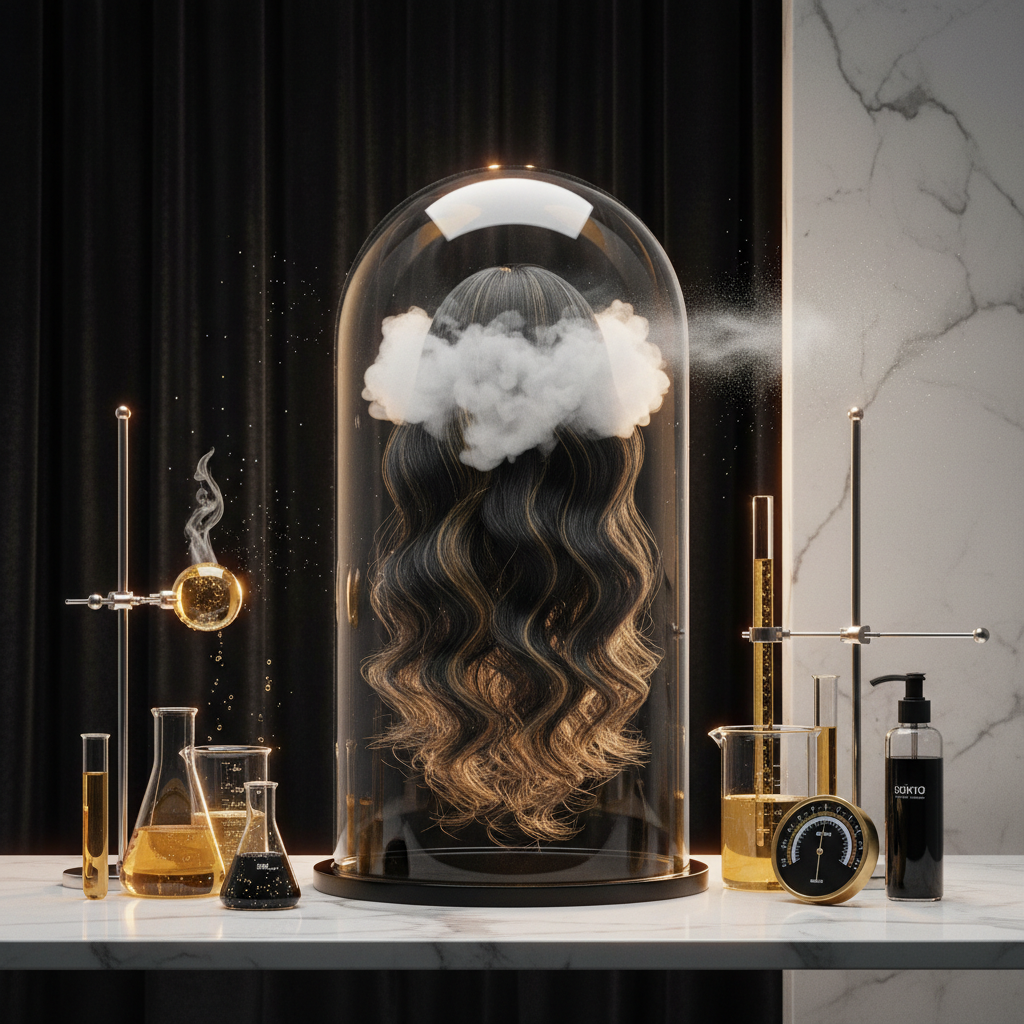
Quick answer: The Science of Humidity and Hair reveals that atmospheric moisture directly influences hair's physical characteristics because hair is hygroscopic, meaning it readily absorbs and releases water. This interaction can alter the hair's protein structure, affecting manageability, frizz, and style retention, but individual responses depend heavily on hair porosity and hair health.
Key takeaways
- Hair is hygroscopic, absorbing and releasing water from the air, which directly impacts its structure and appearance.
- Humidity primarily affects the hydrogen bonds within hair's keratin protein, leading to temporary changes in shape, frizz, and swelling.
- Hair porosity (how easily hair absorbs and retains moisture) is a major factor in how hair reacts to humidity.
- High humidity can cause the hair cuticle to lift, resulting in frizz, loss of style, and increased hair shaft diameter.
- Effective hair management in humid conditions involves reducing moisture absorption and strengthening the hair's outer cuticle.
- While genetics and environment play a role, specific haircare products and techniques can mitigate humidity's effects.
The Science of Humidity and Hair: what the evidence shows
The Science of Humidity and Hair centres on the fact that human hair is a hygroscopic material, meaning it readily absorbs and releases water molecules from the surrounding air. This constant exchange directly influences the hair's physical properties, leading to noticeable changes in texture, manageability, and appearance, particularly in fluctuating humidity levels. The extent of these changes depends on the air's relative humidity, which is the amount of water vapour in the air compared to the maximum amount it can hold at a given temperature.
How humidity interacts with hair's structure
Hair is primarily made of keratin, a fibrous protein. The structure of keratin is maintained by several types of bonds: disulfide bonds, ionic bonds, and hydrogen bonds. Of these, hydrogen bonds are the most numerous and the most sensitive to water. They form between the hydrogen atoms of water molecules and the oxygen and nitrogen atoms within the keratin structure.
When hair is exposed to moisture, including water vapour in humid air, these hydrogen bonds are temporarily broken. As the hair dries, or as humidity levels change, these bonds can reform in new positions. This breaking and reforming process allows hair to be shaped when wet (e.g., during styling) and contributes to its flexibility. However, in highly humid conditions, the constant presence of excess water molecules can lead to hydrogen bonds repeatedly breaking and reforming in a disorganised manner. This destabilisation causes several common hair concerns:
- Frizz: When hydrogen bonds break and reform unevenly, the hair's outermost layer, the cuticle, can lift. This creates a rough, uneven surface, which results in a frizzy appearance and a feeling of dryness, even though the hair has absorbed moisture. This can be exacerbated by mechanical damage to the cuticle. (See: Dealing with Frizzy Hair)
- Loss of Style: The constant disruption of hydrogen bonds prevents styled hair from holding its shape. Straightened hair may revert to its natural texture, curls can relax or drop, and styled volume can collapse.
- Swelling: As hair absorbs water, individual hair strands can swell, increasing their diameter by up to 16% in diameter. This swelling can alter the hair's volume and texture, making it feel coarser or heavier.
The role of hair porosity
Hair porosity, which describes how easily hair absorbs and retains moisture, is a critical factor in how an individual's hair reacts to humidity. Porosity is largely determined by the condition of the hair cuticle. (See: Understanding Hair Porosity: How Your Hair Absorbs and Retains Moisture)
- Low Porosity Hair: This hair type has a tightly closed cuticle. It resists absorbing moisture readily, so in humid conditions, it may initially repel some moisture. However, once moisture penetrates, it can be slow to release, potentially leading to a heavy, weighed-down feeling or prolonged drying times.
- Medium Porosity Hair: With a moderately open cuticle, this hair type generally has a good balance of moisture absorption and retention. It tends to react well to humidity, often maintaining style without excessive frizz.
- High Porosity Hair: Hair with a lifted or damaged cuticle is considered high porosity. It readily absorbs large amounts of water from humid air, leading to significant swelling, frizz, and rapid style loss. This hair type also tends to lose moisture quickly in dry conditions, making it prone to dryness and breakage.
What the evidence does not show
While the mechanisms of humidity affecting hair fibre are well understood, claims that humidity alone causes permanent hair damage, hair shedding, or hair loss (alopecia) are not supported by evidence. The effects of humidity are primarily cosmetic and temporary, impacting the hair shaft's appearance and manageability rather than the health of the hair follicle.
Furthermore, while some styling products are marketed as "humidity-proof", complete imperviousness to environmental moisture is generally unrealistic. Products can reduce the effects, but not eliminate them entirely, particularly in extremely high humidity.
Managing hair in humid conditions
Effective management of hair in humid environments focuses on strategies that reduce moisture absorption into the hair shaft and reinforce the hair's natural barriers.
Product formulations
Haircare products designed for humid conditions often contain specific ingredients:
- Anti-humectants: Ingredients like certain silicones (e.g., dimethicone, amodimethicone) and specific plant oils can form a protective barrier on the hair shaft. This barrier helps to repel water molecules from the air, preventing excessive moisture absorption and sealing the cuticle. This action reduces frizz and helps maintain style. (See: The Science of Conditioners: How Hair Care Formulations Work)
- Film-forming polymers: These ingredients create a flexible, invisible coating on the hair, providing hold and a physical barrier against environmental moisture. This helps to maintain hair structure and reduce frizz.
- Balanced humectants: While some humectants (e.g., glycerin) can draw moisture into the hair, which can be problematic in high humidity, their concentration and combination with other ingredients are crucial. In formulations for humid conditions, humectants are often used judiciously to provide necessary hydration without leading to over-absorption.
Styling techniques
- Thorough Drying: Ensuring hair is completely dry after washing and before exposure to humidity can help to seal the cuticle, making it less prone to absorb external moisture.
- Protective Styles: Hairstyles such as braids, buns, or updos can limit the hair's surface area exposed to humid air, thereby reducing the amount of moisture the hair can absorb.
- Heat Styling with Caution: While heat styling can set a style, excessive heat can damage the cuticle, increasing porosity and making hair more susceptible to humidity. Using heat protectants and lower temperatures is advisable. (See: Heat Styling Safety Best Practices and Understanding Hair Damage: Causes, Signs, and Care)
Hair health
Healthy hair with an intact and smooth cuticle is naturally more resistant to the effects of humidity. Regular conditioning, avoiding harsh chemical treatments, and minimising mechanical or heat damage can improve hair's overall resilience. (See: Hair Hydration: The Science Behind Keeping Hair Moist)
When the cause may be something else
While humidity primarily causes temporary cosmetic changes, persistent frizz, dryness, or unmanageability, even in non-humid conditions, might indicate other underlying issues:
- Damage: Chemical processing (colouring, perming), excessive heat styling, or harsh brushing can damage the hair's cuticle, leading to increased porosity and chronic frizz that resembles humidity-induced effects. (See: Hair Damage: Causes, Signs, and Solutions)
- Product Build-up: Residue from styling products, silicones, or hard water minerals can coat the hair, leading to a dull, rough texture that might be mistaken for humidity-related frizz. A clarifying wash can help. (See: How to Do a Clarifying Wash: A Guide to Deep Hair Cleansing)
- Lack of Moisture: Hair that is genuinely dry lacks internal moisture, which can make the cuticle rough and prone to frizz, regardless of humidity levels. (See: Hair Moisturizers: What They Are and How They Work)
- Hair Porosity: As discussed, hair's natural porosity significantly impacts its response. Some hair types are simply more prone to frizz due to their cuticle structure.
When to get professional advice
If you consistently experience severe frizz, extreme unmanageability, or noticeable changes in hair texture despite implementing humidity-management strategies, consider consulting a professional hairstylist or a trichologist. They can assess your hair's specific condition, identify potential underlying issues beyond environmental factors, and recommend tailored treatments or routines.
Table: Hair Porosity and Humidity Reaction
| Porosity Level | Cuticle Condition | Reaction to Humidity | Management Strategies (General) |
|---|---|---|---|
| Low | Tightly closed | Resists initial moisture absorption; slow to release. | Use light moisturisers; avoid heavy oils; clarify periodically. |
| Medium | Moderately open | Good balance of absorption and retention; generally maintains style. | Balanced hydration; protective styling; moderate anti-humectants. |
| High | Lifted or damaged | Rapid absorption, significant swelling, and frizz; quick moisture loss in dry air. | Strong anti-humectants; intensive conditioning; sealing products; leave-in treatments. |
Frequently asked questions about The Science of Humidity and Hair
Does high humidity cause hair breakage?
High humidity does not directly cause hair breakage. However, when hair absorbs excessive moisture and swells, it can become more elastic and potentially weaker when stretched. If hair is then vigorously brushed or styled while in this swollen state, it could be more susceptible to breakage. Proper handling and conditioning are key to preventing this indirect effect.
Can low humidity damage hair?
Yes, low humidity can also affect hair. In very dry conditions, hair can lose its internal moisture to the atmosphere, leading to dryness, brittleness, and static electricity. This can make hair feel rough and more prone to mechanical damage from styling. Maintaining hair hydration is important in all climates.
Why does my hair get frizzy only in certain humid conditions?
Your hair's response to humidity can vary depending on the level of humidity and its current condition. Moderate humidity might enhance natural texture, while very high humidity overwhelms the hair's structure, leading to significant frizz. Changes in hair porosity due to damage, product build-up, or even natural variations can also alter how your hair reacts at different times.
How does the Science of Humidity and Hair apply to curly hair?
Curly and coily hair types often have a naturally lifted cuticle structure, meaning they can have higher porosity. This makes them particularly susceptible to humidity, leading to increased frizz and loss of curl definition. Managing these hair types in humidity often involves using specific products designed to seal the cuticle and enhance moisture retention. (See: Caring for Curly Hair and How to Care for Afro Hair: An Evidence-Based Guide)
Are "humidity-proof" products effective?
Products marketed as "humidity-proof" typically contain film-forming agents and anti-humectants that create a barrier on the hair shaft to reduce moisture absorption. While they can significantly mitigate the effects of humidity and help maintain style, no product can make hair completely impervious to all levels of atmospheric moisture, especially in extreme conditions.
Understanding the Science of Humidity and Hair for better care
The Science of Humidity and Hair underscores the dynamic relationship between atmospheric moisture and the hair fibre. Understanding how humidity influences the hair's protein structure and considering your hair's porosity allows for more informed haircare choices. By selecting appropriate products and employing effective styling and maintenance techniques, you can better manage your hair's response to environmental moisture, helping it to remain healthy-looking and manageable in various climates.
Watermans and humidity management
For those looking to build a routine that supports hair health and resilience against environmental factors like humidity, Watermans products can be a beneficial addition. Our formulations are designed with ingredients that help to nourish the hair, strengthen the hair shaft, and improve overall manageability, which can indirectly contribute to better resistance against humidity-induced frizz and style loss. By fostering stronger, healthier-looking hair, you create a better foundation for your hair to withstand daily environmental challenges.
Sources and references
- American Academy of Dermatology Association, "Hair care products: What to consider", 2023.
- National Center for Biotechnology Information (NCBI), "Hair Cosmetics: An Overview", 2015.
- Journal of Cosmetic Science, "The effect of humidity on the mechanical properties of human hair", 2004.
- British Journal of Dermatology, "Hair swelling and frizzing: mechanistic insights", 2018.
- The International Journal of Trichology, "Hair Porosity: An Underestimated Factor in Hair Care", 2021.
- PubMed, "Effect of water on the mechanical properties of human hair", 2006.
Where Watermans fits
If you want a routine built around the science above, these are the products from the range that apply here: