How to Care for High Porosity Hair: An Evidence-Based Guide
10 min read ·
Learn how to care for high porosity hair with evidence-based methods. Discover how acidic pH, hydrolysed proteins, and sealing oils protect fragile cuticles.
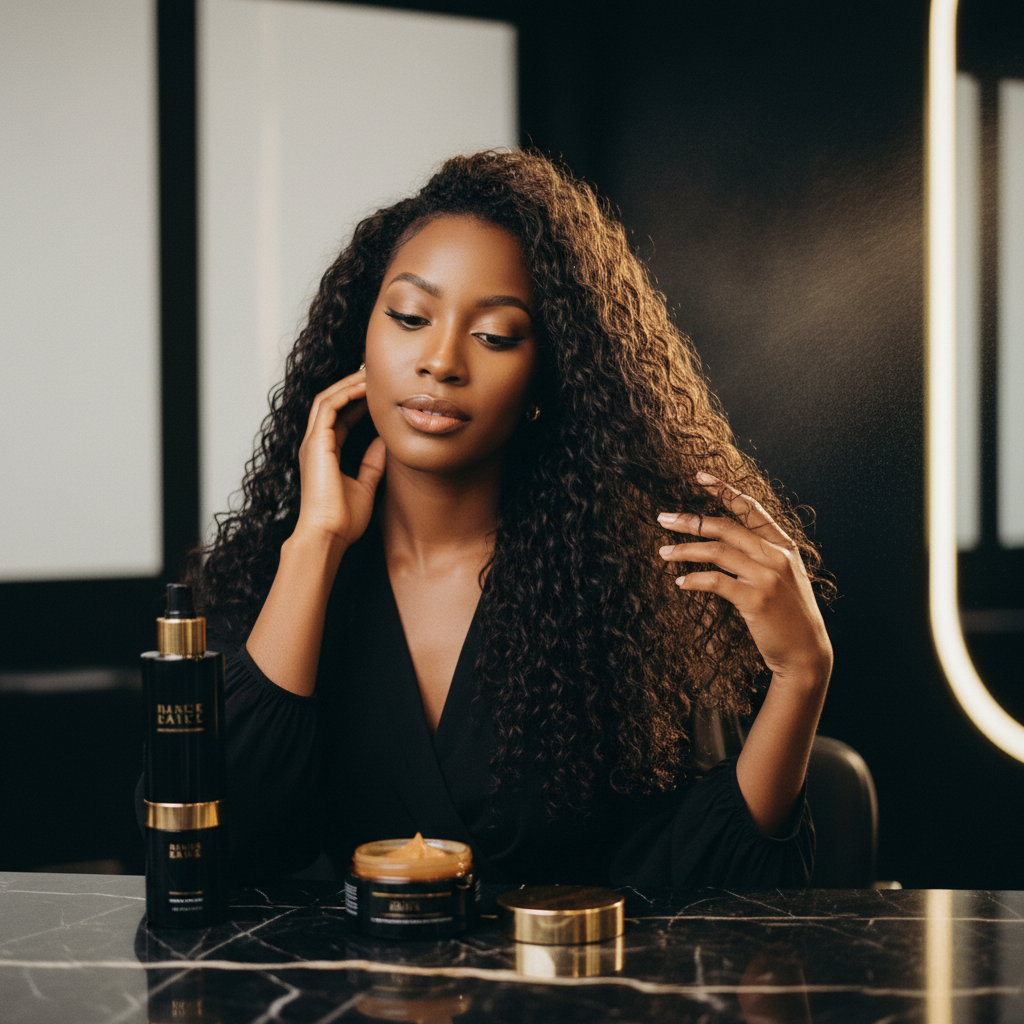
Quick answer: Learning How to Care for High Porosity Hair requires restoring the cuticular barrier to stop moisture from rapidly escaping the cortex. High porosity hair absorbs water quickly because its outer cuticle scales are chipped, raised, or missing, but it loses that hydration just as fast. The most effective approach combines mild, slightly acidic cleansers, hydrolysed proteins to reinforce structural weak points, and rich occlusive lipids to lock in moisture. However, topical cosmetic products cannot permanently rebuild damaged keratin.
Key takeaways
- High porosity hair has raised, chipped, or missing cuticle tiles, allowing moisture to enter rapidly and evaporate just as quickly.
- Chemical treatments like bleach, excessive heat styling, UV radiation, and genetic curl patterns are the primary drivers of elevated porosity.
- Slightly acidic formulations (pH 4.5 to 5.5) help contract the cuticle layer and smooth the hair fibre.
- Hydrolysed proteins offer temporary reinforcement by lodging into structural cracks along the cortex, reducing fibre breakage.
- Heavy humectants can backfire in low-humidity environments by drawing water out of the cortex, making occlusive sealants essential.
How to Care for High Porosity Hair: what the evidence shows
Scientific research reveals that high porosity hair behaves fundamentally differently from low or medium porosity fibres. A study published in the Journal of Cosmetic Science demonstrated that damaged, porous hair fibres absorb up to 45 percent more water by weight than intact virgin hair, yet they dry in a fraction of the time. This rapid cycling of water uptake and evaporation causes hygral fatigue, a repetitive swelling and deswelling of the cortex that weakens the internal cell membrane complex (CMC).
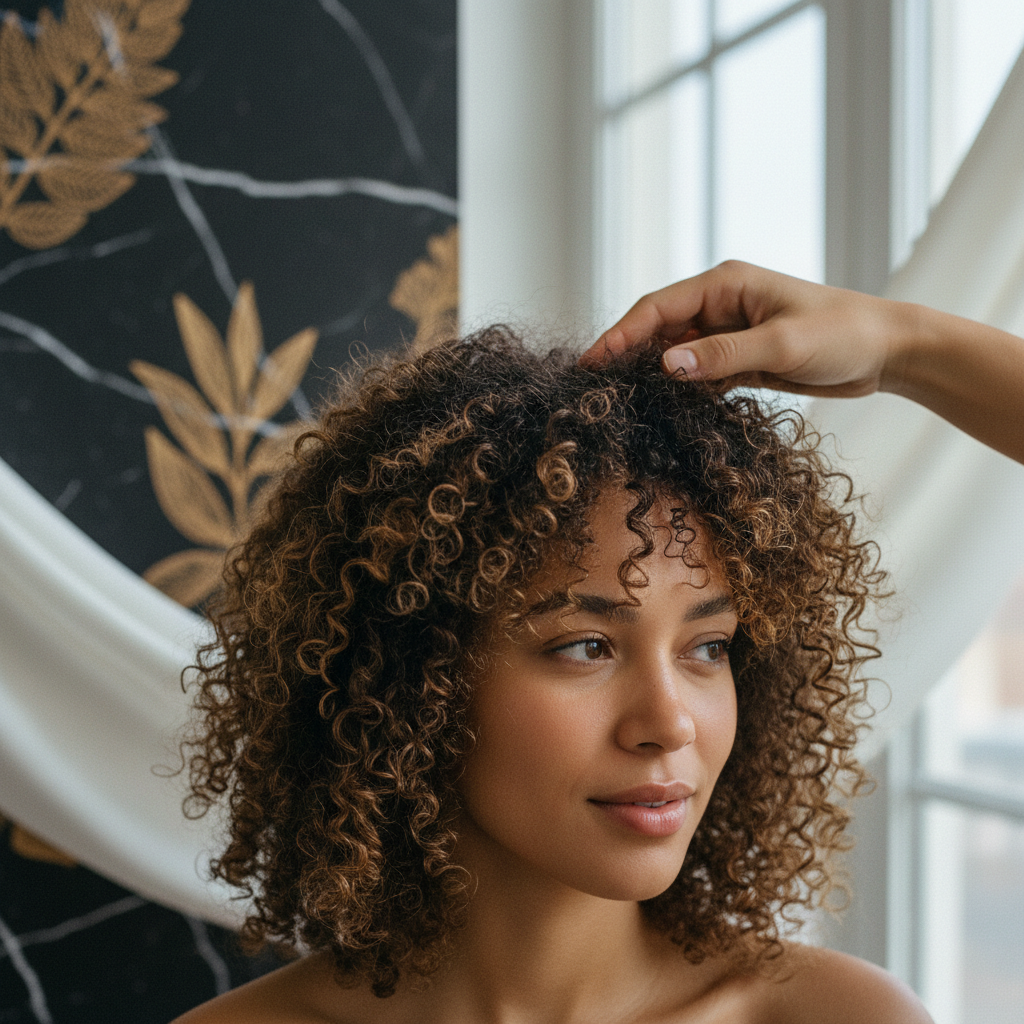
When considering How to Care for High Porosity Hair, your primary objective is slowing this water exchange. Intact cuticle layers consist of overlapping scales rich in 18-methyleicosanoic acid (18-MEA), a protective lipid layer that provides natural hydrophobicity. When chemical processing or friction strips this lipid layer away, the fibre becomes hydrophilic. Water rushes in, causing the hair shaft to expand irregularly, which manifests as frizz, dullness, tangles, and severe breakage.
Topical haircare interventions work by mimicking the lost lipid barrier and reinforcing the cortex. Conditioning agents containing cationic surfactants (such as behentrimonium chloride) electrostatically bind to the negatively charged, damaged sites on high porosity fibres. Meanwhile, hydrolysed proteins provide structural scaffolding, and emollients smooth the outer surface to reduce friction during combing.
The biological mechanism of hair porosity
Hair porosity refers to how easily moisture, chemicals, and gases pass through the hair's protective cuticle into the cortex. The cuticle is made of six to ten layers of flattened, overlapping cells resembling roof shingles.
Under normal conditions, cuticles lie flat and tight. In high porosity hair, these scales are permanently propped open, split, or eroded entirely. Several mechanisms cause this structural breakdown:
- Alkaline Chemical Exposure: Permanent hair dyes, bleaching agents, and relaxers raise the cuticle by swelling the hair shaft with high pH formulations (often pH 9.0 to 11.0). This process dissolves the protective 18-MEA layer and breaks internal disulphide bonds.
- Thermal Degradation: Flat irons and curling wands operating above 180 degrees Celsius vaporise moisture trapped within the cortex. This rapid steam expansion causes cuticular blistering, leaving physical voids in the fibre.
- Mechanical and Environmental Wear: Aggressive detangling, friction against rough textiles, and prolonged exposure to ultraviolet radiation oxidise the cystine links in the cuticle, accelerating fibre erosion.
- Natural Fibre Curvature: Highly textured hair (Types 3 and 4) possesses natural bends and twists. At each turn along the shaft, the cuticle tiles lift slightly, creating inherent porosity even without chemical or thermal damage.
Signs you have high porosity hair
You can identify elevated porosity through predictable physical behaviours rather than unreliable home tests like the water glass float test, which surface tension often distorts. Look for these genuine indicators:
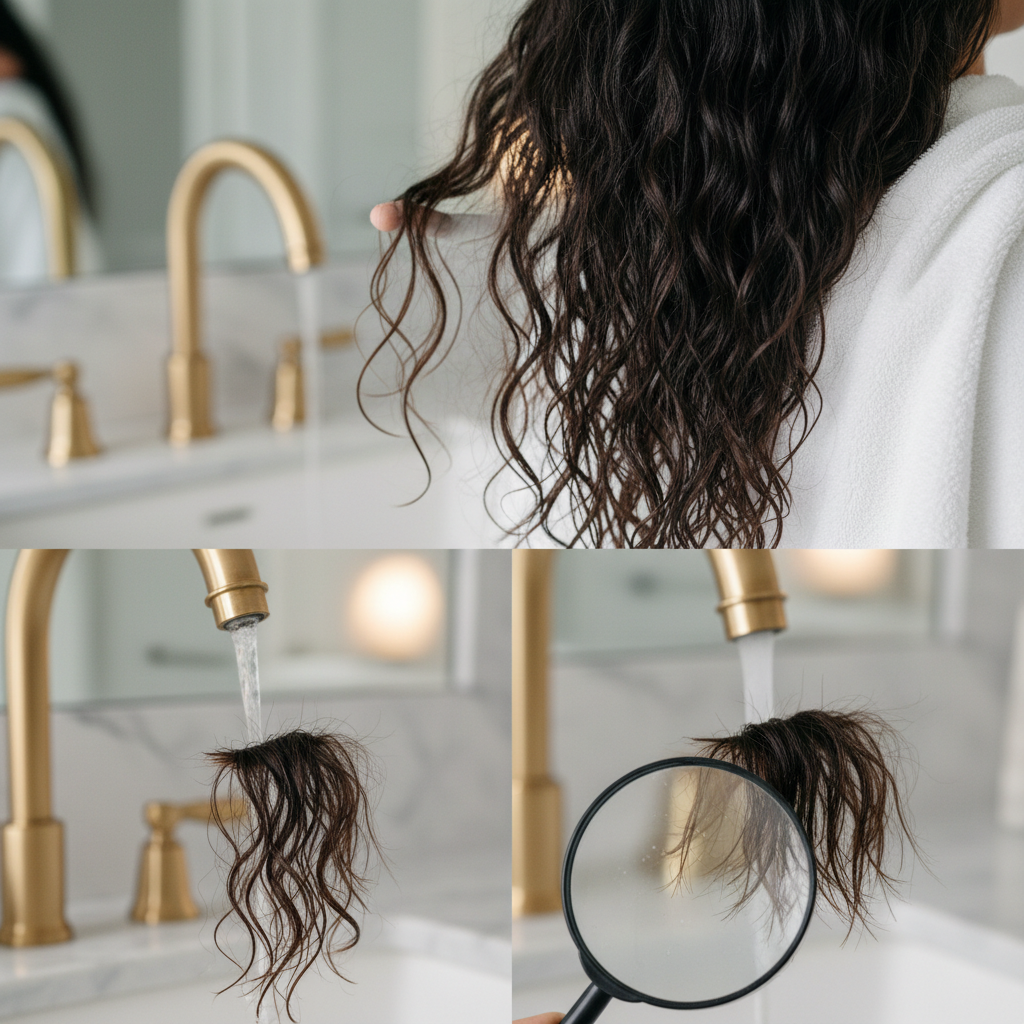
- Rapid Saturation and Rapid Drying: Your hair becomes drenched the second you step under the shower, yet it feels parched and dry shortly after towel-drying.
- Persistent Tangling and Matting: Raised cuticle edges create microscopic friction points. Adjacent strands catch onto each other like hook-and-loop fasteners.
- Lack of Elasticity: When stretched gently while damp, a strand snaps immediately rather than stretching and returning to its original length.
- Fast Colour Fading: Artificial hair colour absorbs quickly and intensely, but washes out within a few shampoos because open cuticles fail to trap colour molecules.
- Matte, Rough Texture: Light reflects poorly off uneven surfaces, giving high porosity hair a dull, dry, and coarse feel.
Recommended routine: what you can do
Successfully managing porous hair requires a consistent routine built around gentle cleansing, structural strengthening, and moisture sealing.
| Step | Technique or Product Category | Target pH or Ingredient | Purpose |
|---|---|---|---|
| Cleansing | Sulphate-free conditioning wash | pH 4.5 to 5.5 | Cleanses scalp without stripping remaining natural lipids |
| Strengthening | Hydrolysed protein treatment | Hydrolysed wheat, silk, or keratin | Adsorbs to damaged sites, reducing fibre breakage |
| Conditioning | Cationic rich [deep conditioner](https://watermanshair.com/products/masque-me-luxurious-hair-mask) | Behentrimonium methosulfate, fatty alcohols | Neutralises negative surface charge and smooths cuticles |
| Hydration | Water-based leave-in conditioner | Glycerine (moderate), aloe, panthenol | Supplies moisture directly to the cortical core |
| Sealing | Plant-derived occlusive butter or oil | Shea butter, argan oil, jojoba oil | Creates a semi-permeable lipid film to slow evaporation |
1. Maintain an acidic pH environment
Human hair and scalp possess a natural pH of roughly 4.5 to 5.5. Highly alkaline tap water (often pH 7.5 to 8.5) and alkaline cleansers force the cuticle open further. Always select shampoos, conditioners, and rinses formulated at an acidic pH. An acidic environment causes the keratin proteins to contract, aligning the cuticle shingles and boosting shine.
2. Incorporate hydrolysed proteins regularly
Because the internal cortex is missing structural mass, it requires supplemental support. Proteins with small molecular weights (between 1,000 and 10,000 Daltons), such as hydrolysed silk, wheat, or keratin, can penetrate the open cuticle and temporarily reinforce cracked internal chains. Use a protein-rich conditioning mask once every one to two weeks, followed immediately by a moisturising treatment to prevent the hair feeling stiff.
3. Layer products using the LOC/LCO method
The Liquid-Oil-Cream (LOC) or Liquid-Cream-Oil (LCO) layering technique works exceptionally well for high porosity strands. Start with a water-based leave-in liquid to saturate the inner core. Follow with a fatty alcohol-rich conditioning cream, and finish with a heavier plant butter or non-volatile oil (such as shea or jojoba) to form a barrier against atmospheric moisture loss.
4. Minimise mechanical trauma
When cuticles are raised, wet hair is especially vulnerable to tensile stress. Detangle only when saturated with a high-slip conditioner, using a wide-tooth comb or flexible detangling brush. Work upward from tips to roots. Replace rough cotton bath towels with smooth microfibre wraps or cotton t-shirts to minimise surface abrasion.
What the evidence does not show
There is no scientific basis for claims that topical oils, masks, or serums can permanently repair high porosity hair. Hair is non-living keratinised tissue; it cannot biologically regenerate once the cuticular architecture has been worn away or stripped by bleach. Treatments are functional, cosmetic coverings that wash away over time.
Additionally, home porosity tests (such as floating a strand of hair in a cup of water) provide unreliable results. A strand coated in natural sebum or silicones will float due to surface tension, regardless of whether the cuticles beneath are structurally compromised. Diagnostic assessment should focus on physical texture, drying speed, and styling behaviour rather than water submersion tests.
When the issue is something else
It is easy to misidentify the cause of distressed hair. High porosity is often confused with other hair shaft disorders or medical shedding issues:
- Hard Water Mineral Build-up: Calcium and magnesium ions bind tenaciously to the hair shaft, leaving a brittle, stiff film that mimics porous damage. Chelating shampoos solve this issue by removing mineral deposits.
- Telogen Effluvium: Porous hair breaks frequently, leading people to believe their hair is falling out from the root. If you notice full-length hairs with white bulbs attached falling onto your brush, you are experiencing follicular shedding, not fibre breakage.
- Protein Overload: Overusing structural protein treatments without sufficient moisture leaves hair rigid, crunchy, and prone to snapping, closely mimicking the brittleness of high porosity hair.
When to seek professional advice
If your hair continues to snap despite using low-pH conditioning agents and occlusive sealants, consult a qualified trichologist or salon professional. A trichologist can analyse your hair under a polarised light microscope to determine whether your breakage is driven by porosity, genetic shaft defects (such as trichorrhexis nodosa), or internal nutritional deficiencies.
Furthermore, if breakage is accompanied by scalp itching, redness, flaking, or diffuse shedding from the root, medical assessment is necessary to rule out underlying scalp conditions.
Supporting hair condition: Watermans
For individuals seeking to maintain a clean, resilient scalp environment while supporting overall strand vitality, Watermans offers targeted cosmetic solutions. Formulations such as Watermans Grow Me Shampoo and Condition Me Conditioner are designed to deliver nutrient-dense, balanced care to the scalp and fibre. Infused with beneficial ingredients including biotin, rosemary extract, caffeine, and hydrolysed lupin protein, they help nourish hair strands, smooth the cuticle surface, and strengthen brittle lengths against mechanical breakage.
Frequently asked questions about How to Care for High Porosity Hair
How often should you wash high porosity hair?
High porosity hair typically benefits from washing once or twice a week. Washing too frequently strips away the natural sebum that acts as a protective shield over damaged cuticles. When cleansing, always use a sulphate-free, low-pH shampoo that lifts surface grime without disrupting the delicate cortex.
What is the most important step in How to Care for High Porosity Hair?
The most critical step in How to Care for High Porosity Hair is sealing in moisture with occlusive agents. Because raised cuticles cannot retain water on their own, applying a heavy emollient, such as shea butter or argan oil, creates a lipid barrier that slows evaporation and protects the fibre from humidity fluctuations.
Can high porosity hair become low porosity naturally?
No, the hair shaft cannot naturally reverse its porosity once structural damage occurs. Because hair fibres are biologically dead, missing cuticle scales cannot grow back. You can only manage high porosity cosmetically until new, undamaged hair emerges from the scalp follicles.
Does cold water close the hair cuticle?
Cold water has a negligible effect on closing hair cuticles. The cuticle responds primarily to chemical pH and moisture rather than temperature. An acidic rinse (between pH 4.5 and 5.5) contracts the cuticle layer far more effectively than a cold-water rinse.
Is coconut oil good for high porosity hair?
Yes, coconut oil can be beneficial. It is one of the few plant oils with a low molecular weight and a straight hydrocarbon chain capable of penetrating the hair cortex. Applying it as a pre-shampoo treatment can reduce protein loss and prevent excessive water swelling during cleansing.
Summary
Mastering How to Care for High Porosity Hair comes down to understanding the structural needs of a compromised cuticle. By respecting the hair's acidic pH, delivering regular micro-protein reinforcements, and sealing the fibre with functional lipids, you can protect vulnerable strands from hygral fatigue and break the cycle of chronic snapping. Consistent, gentle handling is the key to maintaining resilient, healthy-looking lengths over time.
Sources and references
- Robbins, C. R. (2012). Chemical and Physical Behavior of Human Hair. 5th Edition, Springer-Verlag.
- Gavazzoni Dias, M. F. (2015). Hair cosmetics: An overview. International Journal of Trichology, 7(1), 2-15.
- Evans, T., & Wickett, R. R. (2012). Practical Modern Hair Science. Allured Business Media.
- Cruz, C. F., et al. (2016). Human hair characteristics and methods of evaluation: A review. Journal of Cosmetic Science, 67(4), 219-234.
- Marsh, J. M., et al. (2017). Hair coloration and chemical damage: Mechanisms and mitigation. Dermatologic Clinics, 35(1), 101-109.
Find these ingredients in Watermans products
- Panthenol (Provitamin B5): you will find this ingredient in our Heat Protection Spray.
- Shea Butter: you will find this ingredient in our Curly Hair Conditioner.