How to Balance Scalp Sebum Naturally: A Trichological Guide
9 min read ·
Learn how to balance scalp sebum naturally with evidence-backed washing routines, pH-balanced cleansing, and targeted botanicals for healthy hair.

Quick answer: Learning How to Balance Scalp Sebum Naturally requires regulating follicular oil production without stripping the acid mantle. Scalp sebum consists of squalene, wax esters, triglycerides, and free fatty acids produced by the sebaceous glands under androgenic control. To balance levels, maintain a washing cadence tailored to your scalp density, cleanse with mildly acidic formulas (pH 4.5 to 5.5), and avoid aggressive degreasers that trigger compensatory lipid synthesis. However, severe hyperseborrhoea driven by internal hormonal fluctuations may require clinical intervention.
Key takeaways
- Sebum is an essential physiological barrier that lubricates hair fibres and maintains a healthy scalp microbiome at an optimal pH between 4.5 and 5.5.
- Over-stripping the scalp with harsh surfactants disrupts the barrier function, often accelerating reactive oil production rather than curing it.
- Wash frequency should be determined by oil output, fibre diameter, and activity levels, rather than rigid scheduling rules.
- Ingredients such as niacinamide, zinc PCA, and tea tree oil offer mild, topical sebum-regulating and antimicrobial support without damaging the stratum corneum.
- Chronic excess sebum accompanied by scaling, erythema, or hair shedding warrants evaluation for conditions such as seborrhoeic dermatitis or hormonal imbalances.
How to Balance Scalp Sebum Naturally: what the evidence shows
Understanding How to Balance Scalp Sebum Naturally starts with examining the biology of the pilosebaceous unit. Human sebaceous glands produce an oily, lipid-rich secretion composed predominantly of triglycerides (roughly 30 to 50 percent), wax esters (20 to 30 percent), squalene (10 to 15 percent), and free fatty acids. Sebum waterproofs the scalp, delivers vitamin E to the surface, and supports commensal microorganisms like Staphylococcus epidermidis and Cutibacterium acnes.

Clinical dermatology demonstrates that natural lipid modulation relies heavily on preserving the epidermal barrier. When cleansing routines utilise alkaline soaps or high concentrations of harsh sulfates, they elevate scalp surface pH. A rise in pH above 6.0 destabilises the antimicrobial shield, alters microbial populations, and strips away fundamental barrier lipids like ceramides. The scalp responds with inflammation and trans-epidermal water loss (TEWL). Research suggests this barrier impairment often triggers compensatory sebum synthesis, leading to a perpetual cycle of rapid oil accumulation within 24 to 48 hours of washing.
Dietary patterns also influence systemic sebum output. Diets high in refined carbohydrates and high-glycaemic-load foods elevate circulating serum levels of insulin and insulin-like growth factor 1 (IGF-1). Elevated IGF-1 promotes sebocyte proliferation and accelerates lipogenesis within the glands. Modulating diet toward whole foods with adequate zinc, polyphenols, and omega-3 fatty acids provides systemic support for healthy glandular function.
What the evidence does not show
The wellness industry promotes several concepts that scientific literature does not support:
- The "hair training" myth: There is no controlled clinical evidence proving that withholding washing for weeks permanently downregulates sebaceous gland genetics. While washing less frequently reduces detergent exposure, your glands continue to secrete sebum based on baseline hormonal signals.
- Apple cider vinegar as a cure-all: While diluted vinegar is acidic, concentrated acetic acid can cause chemical burns, contact dermatitis, and micro-tears on sensitive scalp skin.
- Pure essential oils as a direct wash replacement: Essential oils contain potent terpenes. Applying neat oils such as tea tree or rosemary directly to an oily scalp without proper dilution in an appropriate vehicle frequently causes allergic contact dermatitis and follicular occlusion.
- Topical products modifying deep hormonal drives: Cosmetic or botanical extracts cannot cure genetic androgen excess, polycystic ovary syndrome (PCOS), or clinical hyperandrogenism.
The biological mechanism of sebum regulation
Sebaceous gland activity is primarily governed by systemic and local androgens, particularly dihydrotestosterone (DHT). The enzyme 5-alpha reductase, concentrated within follicular dermal papilla cells and sebocytes, converts circulating testosterone into DHT. When DHT binds to the intracellular androgen receptors of the sebaceous gland, it upregulates lipogenesis, causing the glands to enlarge and accelerate lipid output.
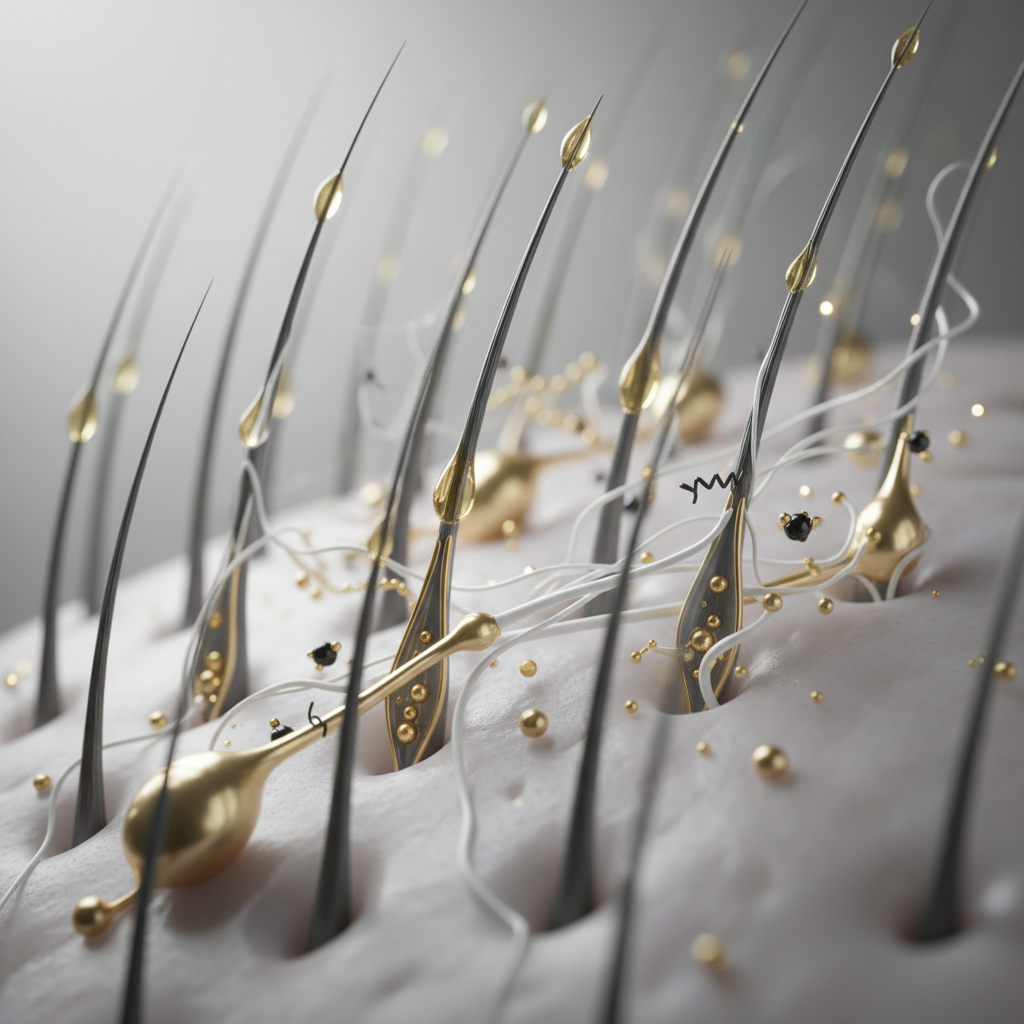
Simultaneously, the scalp microbiome feeds on these secreted lipids. Fungal species of the genus Malassezia hydrolyse triglycerides into irritating unsaturated free fatty acids, specifically oleic acid and arachidonic acid. In susceptible individuals, these free fatty acids penetrate the stratum corneum, instigating micro-inflammation, itch, accelerated epidermal turnover (dandruff), and a weakened moisture barrier. Balancing sebum is therefore not just about removing oil, but keeping glandular output and microbial consumption in equilibrium.
Signs of sebum imbalance
Recognising whether your scalp is producing excess, deficient, or destabilised sebum helps determine your routine:
- Hyperseborrhoea (Excess sebum): Hair becomes limp, stringy, and visibly greasy within 12 to 24 hours of washing. The scalp may feel slick or congested, often emitting a distinct lipid odour caused by microbial oxidation.
- Dry or dehydrated scalp (Hyposeborrhoea or high TEWL): Characterised by tightness, fine powdery flakes, rough texture, and persistent itchiness, particularly straight after washing.
- Seborrhoeic presentation: Thick, yellowish, greasy flakes adhering to the scalp surface, often accompanied by redness, inflammation, and sensitivity around the hairline or crown.
- Mid-shaft dryness with oily roots: High sebum production at the follicle combined with poor sebum distribution along the hair fibre, frequent in curly, coily, or mechanically damaged strands.
| Parameter | Under-Producing Scalp | Balanced Scalp | Over-Producing Scalp |
|---|---|---|---|
| Surface Appearance | Matte, tight, parched | Supple, clear, natural sheen | Shiny, slick, heavy roots |
| Flaking Type | Tiny, dry, white, powdery | None | Sticky, yellowish, oily clumps |
| Optimal Wash Frequency | Every 4 to 7 days | Every 2 to 3 days | Daily to alternate days |
| Average Scalp pH | Elevated (5.8 to 6.5) | Ideal (4.5 to 5.5) | Fluctuating, microbial disruption |
| Primary Goal | Replenish hydration and lipids | Maintain acid mantle integrity | Remove oxidised sebum gently |
Practical steps to balance scalp sebum
To bring scalp lipids into equilibrium, align your routine with the biology of your skin.
1. Refine your washing technique and cadence
Wash your scalp as often as its unique physiology demands. If you exercise daily, produce high amounts of sebum, or live in an urban environment, washing daily or every other day with a mild, pH-balanced cleanser prevents lipid oxidation and follicular plugging. Concentrate shampoo strictly on the scalp skin, massaging with the pads of your fingers for at least 60 seconds to dislodge lipids, rather than scrubbing the mid-lengths and ends.
2. Prioritise pH-balanced formulations
Select cleansers formulated between pH 4.5 and 5.5. Mildly acidic cleansers protect the lipid matrix between corneocytes and keep the hair cuticle compacted. Avoid heavy, occlusive silicones, mineral oils, and petrolatum directly on the scalp if you run oily, as these trap sebum and promote Malassezia overgrowth.
3. Use evidence-supported topical botanicals
Certain gentle ingredients help control excess shine without disrupting moisture:
- Zinc PCA: Combines zinc (which exhibits natural 5-alpha reductase inhibiting and antimicrobial properties) with L-PCA, a physiological moisturiser that protects barrier function.
- Niacinamide (Vitamin B3): Shown in dermatological studies to modulate surface sebum output and reinforce the barrier by promoting ceramide synthesis.
- Salicylic acid (0.5 to 2 percent): A lipid-soluble beta-hydroxy acid that penetrates into the pore lining to dissolve built-up sebum and dead skin cells.
4. Manage thermal stress and mechanical stimulation
Washing hair with extremely hot water strips natural protective oils, which can induce temporary inflammation and rebound dryness. Use lukewarm water. Similarly, limit excessive, aggressive scalp brushing, which distributes sebum along the fibre but can irritate hyper-reactive glands.
When the cause may be internal
If topical adjustments yield no improvements after four to six weeks, internal physiology may be driving your sebaceous output:
- Hormonal fluctuations: Menstrual cycles, pregnancy, perimenopause, or starting or stopping hormonal contraceptives significantly shift systemic androgen-to-oestrogen ratios.
- Polycystic Ovary Syndrome (PCOS): Marked by systemic hyperandrogenism, PCOS frequently manifests as stubborn hyperseborrhoea, cystic acne, and androgenetic hair thinning.
- Stress and cortisol: High psychological stress prompts the release of corticotropin-releasing hormone (CRH) from local sebocytes and cortisol from adrenal glands. CRH directly stimulates lipid synthesis in sebaceous cells.
- Metabolic factors: Chronic hyperinsulinaemia directly stimulates ovarian and adrenal androgen production, increasing sebum thickness and output.
Supporting scalp balance with Watermans
When selecting daily care to complement a balanced routine, Watermans Grow Me Shampoo and Condition Me Conditioner provide a scientifically calibrated approach to hair and scalp wellness. Grow Me Shampoo incorporates functional botanical and nutritional compounds, including biotin, rosemary extract, niacinamide, and allantoin, designed to cleanse the hair and follicle without stripping natural barrier lipids. By pairing a deeply cleansing, revitalising wash with non-greasy conditioning agents applied to the mid-lengths and ends, the system helps maintain a clean, comfortable, and healthy-looking scalp environment.
When to seek professional advice
Consult a GP, dermatologist, or qualified trichologist if you notice:
- Severe, unremitting itching, burning, or physical discomfort on the scalp.
- Yellowish, crusty plaques that bleed or weep when loosened.
- Noticeable hair shedding (telogen effluvium) or progressive hair thinning alongside oiliness.
- Failure of standard balancing regimens over a two-month period.
Dermatologists can prescribe targeted topical therapeutics, including ketoconazole shampoos, topical anti-inflammatory solutions, or oral medications that manage underlying hormonal drives safely.
Frequently asked questions about How to Balance Scalp Sebum Naturally
Can you naturally train your scalp to produce less oil?
No, the concept of "training" your scalp to stop producing oil by going weeks without shampooing is biologically inaccurate. Sebaceous glands do not possess conscious adaptation. Their output is primarily dictated by genetics, androgens, and temperature. Leaving oil to accumulate leads to sebum oxidation, microbial proliferation (Malassezia), and inflammatory conditions like seborrhoeic dermatitis.
How often should you wash your hair to balance sebum?
Wash frequency should match your scalp oiliness and lifestyle, typically ranging from daily for fine, hyperseborrhoeic hair to once or twice weekly for coarse, dry hair types. The key to learning how to balance scalp sebum naturally is using a gentle, pH-balanced cleanser every time you wash, rather than stretching intervals to the point of follicular irritation.
Does diet play a role in scalp sebum production?
Yes, clinical studies indicate that diets high in refined carbohydrates and sugars cause insulin spikes that elevate IGF-1, which directly stimulates sebocyte growth and lipid generation. Eating a balanced diet rich in zinc, antioxidants, and essential fatty acids helps keep glandular output within a healthy range.
Will applying oil to an oily scalp balance its sebum production?
Applying heavy plant oils (like coconut or olive oil) to an oily scalp rarely balances natural production and often worsens the problem. These oils can clog follicular ostia and feed commensal yeasts like Malassezia, provoking inflammation. If using scalp oils, choose lightweight, non-comedogenic carrier oils sparingly or stick to evidence-backed active serums.
Conclusion on balancing scalp sebum naturally
Knowing How to Balance Scalp Sebum Naturally requires working alongside your biology rather than combating it. By maintaining the scalp's delicate 4.5 to 5.5 pH balance, washing at a frequency that prevents lipid oxidation, and supporting your routine with gentle, evidence-based actives like niacinamide and zinc PCA, you create the optimal environment for strong-feeling hair and a settled, comfortable scalp.
Sources and references
- American Academy of Dermatology. "Seborrhoeic Dermatitis: Overview." aad.org.
- Zouboulis, C. C. (2004). "The human skin as an endocrine organ." Dermato-Endocrinology / Experimental Dermatology, 13(s4), 13-26.
- Picardo, M., et al. (2009). "Sebaceous gland lipids." Dermato-Endocrinology, 1(2), 68-71.
- Draelos, Z. D., et al. (2005). "The effect of 2% niacinamide on facial sebum production." Journal of Cosmetic and Laser Therapy, 8(2), 96-101.
- National Health Service (NHS). "Dandruff and Seborrhoeic Dermatitis." nhs.uk.
Find these ingredients in Watermans products
- Zinc: you will find this ingredient in our Hair Vitamins.
- Oleic Acid: you will find this ingredient in our Camellia & Black Castor Hair & Body Oil.
- Niacinamide: you will find this ingredient in our Hair Mask.