Heat Styling and Hair Damage
4 min read ·
Excessive heat from styling tools can cause significant and sometimes irreversible damage to hair, impacting its strength, elasticity, and appearance.
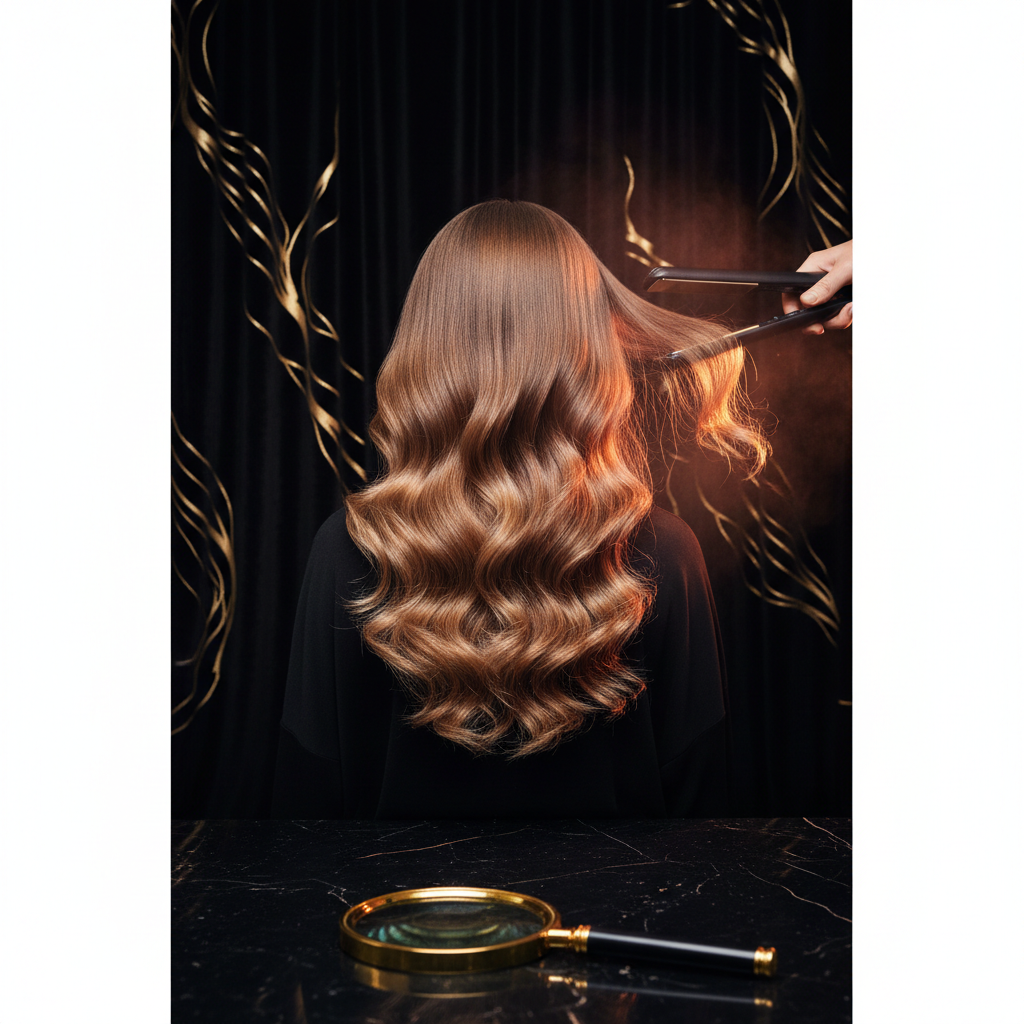
Understanding Heat Damage
Heat styling tools, such as flat irons, curling irons, and blow dryers, are widely used to achieve desired hairstyles. While convenient and effective, the application of high temperatures to hair can lead to structural changes and damage if not managed properly. Hair is primarily composed of keratin, a protein, and its structural integrity is maintained by disulfide bonds and hydrogen bonds.
When hair is exposed to heat, particularly wet hair, the water within the hair shaft rapidly expands and vaporizes. This can cause small explosions within the cortex, leading to the formation of bubbles and ultimately weakening the hair structure. This phenomenon is often referred to as "bubble hair." Additionally, high temperatures can denature (alter the natural structure of) the keratin proteins, breaking down the disulfide bonds that provide hair with its strength and elasticity. This makes the hair more prone to breakage, frizz, and dullness.
Types of Heat Damage
Heat damage manifests in several ways, affecting both the internal and external structure of the hair:
- Cuticle Damage: The cuticle is the outermost protective layer of the hair, composed of overlapping scales. Excessive heat can lift, crack, or completely remove these scales, exposing the inner cortex. This leads to rough, dull-looking hair that is susceptible to moisture loss and tangling.
- Protein Denaturation: As mentioned, the keratin proteins within the hair can be denatured by high heat. This weakens the hair's internal structure, reducing its tensile strength and making it more brittle and prone to breakage.
- Moisture Loss: Heat evaporates water from the hair, leading to dryness and dehydration. Dry hair is less elastic and more vulnerable to further damage.
- Split Ends: When the cuticle is compromised and the internal structure weakened, the hair shaft can split at the ends, creating a frayed appearance.
- Colour Fading: Heat can accelerate the fading of artificial hair colour by opening the hair cuticle and allowing colour molecules to escape. It can also oxidize some colour pigments, altering their hue.
Factors Influencing Heat Damage
Several factors determine the extent of heat damage:
- Temperature: Higher temperatures cause more significant damage. Tools with adjustable heat settings allow for better control.
- Duration of Exposure: Prolonged exposure to heat, such as holding a curling iron on a section of hair for too long or repeatedly passing a flat iron over the same strand, increases damage.
- Hair Type and Condition: Fine, thin, chemically treated, or already damaged hair is more susceptible to heat damage than thick, virgin hair. Chemically treated hair, particularly bleached hair, has a compromised cuticle layer, making it more vulnerable.
- Moisture Content of Hair: Applying heat to wet hair can cause more damage due to the rapid expansion of water within the hair shaft.
- Tool Quality: Higher-quality tools often have more consistent heat distribution, reducing hot spots that can cause localized damage.
Preventing and Mitigating Heat Damage
While avoiding heat styling entirely is the surest way to prevent heat damage, practical measures can significantly mitigate its effects:
Using Heat Protectants
Always apply a heat protectant product before using any heat styling tool. These products typically contain silicones and polymers that form a protective barrier around the hair shaft, slowing down heat transfer and distributing it more evenly. They also often contain conditioning agents that help to retain moisture and smooth the cuticle.
Proper Tool Usage
- Temperature Settings: Use the lowest effective temperature for your hair type. Fine or damaged hair generally requires lower temperatures (e.g., 120-150°C or 250-300°F), while thicker or coarser hair may tolerate slightly higher settings (e.g., 180-200°C or 350-400°F). Avoid exceeding 200°C (400°F) if possible.
- Dry Hair: Ensure hair is completely dry before using flat irons or curling irons. For blow drying, begin with damp hair and use a medium heat setting, finishing with a cool shot to seal the cuticle.
- Limit Passes: For flat irons, pass over each section of hair only once or twice. For curling irons, hold the hair for the minimum time required to set the curl.
- Sectioning: Work with small, manageable sections of hair to ensure even heating and reduce the need for multiple passes.
Hair Care Practices
- Moisturize Regularly: Use hydrating shampoos, conditioners, and hair masks to maintain hair's internal moisture balance, which improves its resilience to heat.
- Minimize Frequency: Reduce the frequency of heat styling. Opt for air drying when possible or embrace natural textures.
- Trim Regularly: Regular trims remove split ends, preventing them from traveling further up the hair shaft and causing more extensive damage.
- Nutrient Support: Ensure your hair is receiving adequate nutrients. A healthy diet rich in protein, vitamins, and minerals supports strong hair growth, which can better withstand environmental stressors including heat.
Conclusion
Heat styling, when used improperly, can lead to significant and visible damage to the hair's structure, affecting its appearance and overall health. Understanding the mechanisms of heat damage and implementing preventative measures, such as using heat protectants, adjusting tool settings, and adopting healthy hair care practices, is crucial for preserving hair integrity and achieving desired styles without compromise.