Heat Styling Damage: Causes, Prevention, and Repair
5 min read ·
Heat styling damages hair by altering its protein structure and moisture balance, leading to dryness, brittleness, and breakage.
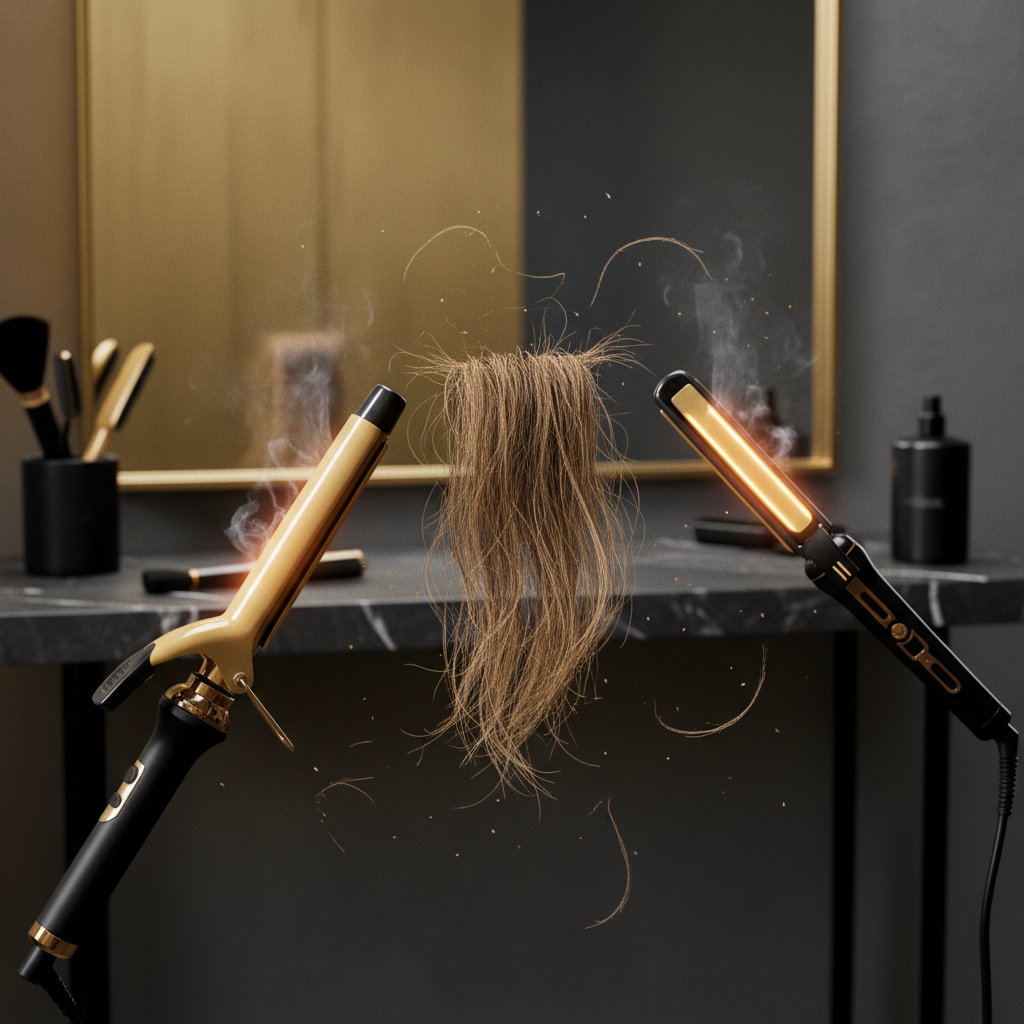
Understanding Heat Damage
Heat styling, while offering versatile looks, can compromise hair health by directly impacting its structural integrity. The primary component of hair is keratin, a fibrous protein. Excessive heat causes changes to this protein structure, leading to a cascade of damaging effects.
The Impact on Keratin
When hair is exposed to high temperatures, the keratin proteins can undergo denaturation, a process where their natural three-dimensional structure unravels. This weakens the hair shaft, making it more susceptible to damage. Additionally, the disulfide bonds, which are crucial for hair's strength and elasticity, can be broken or rearranged by heat, further contributing to fragility.
Moisture Loss and Cuticle Damage
Heat styling tools typically operate at temperatures that cause rapid evaporation of water from the hair. This immediate moisture loss can leave the hair shaft dry, brittle, and more prone to breakage. The outermost layer of the hair, the cuticle, consists of overlapping scales that protect the inner cortex. High heat can lift, crack, or even remove these cuticle scales, exposing the delicate interior of the hair. This compromised cuticle results in frizz, dullness, and increased porosity, making the hair more vulnerable to environmental damage and tangling.
Common Causes of Heat Damage
Several factors contribute to the severity of heat damage:
- Excessive Temperatures: Using styling tools set at their highest temperatures, especially on fine or chemically treated hair, significantly increases the risk of damage.
- Prolonged Exposure: Holding heat tools on a section of hair for too long or repeatedly passing over the same section can lead to localized damage.
- Lack of Heat Protection: Applying heat directly to hair without a protective barrier amplifies its damaging effects.
- Wet Hair Styling: Applying heat to wet or damp hair (other than specifically designed drying tools) can cause the water molecules within the hair shaft to rapidly boil, creating steam bubbles that can literally explode, causing internal damage known as "bubble hair."
- Poor Tool Quality: Inexpensive or damaged heat tools may have uneven heating, hot spots, or plates that snag hair, increasing mechanical and thermal stress.
Identifying Heat Damage
Recognizing the signs of heat damage is crucial for taking corrective action. Common indicators include:
- Dryness and Brittleness: Hair feels rough, stiff, and lacks its natural softness.
- Frizz and Flyaways: The lifted cuticle scales prevent the hair from lying flat, leading to a frizzy appearance.
- Split Ends: The damaged ends of the hair shaft split into two or more sections.
- Breakage: Hair snaps easily, particularly when brushing or styling.
- Dullness: The compromised cuticle no longer reflects light smoothly, resulting in a lack of shine.
- Elasticity Loss: Hair loses its natural stretch and may feel limp or gummy when wet.
- "Bubble Hair": Visible small bubbles or irregular bumps along the hair shaft, a severe form of internal damage.
Preventive Measures
Prevention is paramount with heat damage. Once the hair's protein structure is significantly compromised, repair is challenging and often involves trimming the damaged sections. Adopting a mindful approach to heat styling can significantly reduce its detrimental effects.
Heat Protection Products
These products form a barrier between the hair and the heat source, distributing heat more evenly and slowing down heat conduction to the hair shaft. Many also contain ingredients that help to seal the cuticle and lock in moisture. For optimal results, apply a heat protection spray or serum evenly through damp hair before using any heat tool.
Temperature Control
- Lower Temperature Settings: Use the lowest effective temperature setting for your hair type. Fine, chemically treated, or damaged hair requires lower temperatures, typically below 180°C (350°F). Thicker, healthier hair may tolerate slightly higher temperatures, but rarely above 200°C (390°F).
- Check Tools: Ensure your styling tools have adjustable temperature settings and that the temperature display is accurate.
Proper Technique
- Dry Hair Before Heat Styling (Except Blow Drying): Except for blow dryers, always ensure hair is completely dry before using flat irons or curling irons. This prevents the "bubble hair" phenomenon.
- Work in Sections: Divide hair into small, manageable sections. This ensures even heat distribution and reduces the need for repeated passes.
- Minimize Passes: Pass the heat tool over each section of hair only once or twice. Excessive passes lead to cumulative damage.
- Keep Moving: Do not hold the heat tool stationary on a section of hair for an extended period.
Tool Selection and Maintenance
- Quality Materials: Opt for styling tools with ceramic, tourmaline, or titanium plates/barrels. These materials conduct heat more evenly and reduce snagging.
- Ionic Technology: Tools with ionic technology can help to seal the cuticle, reduce frizz, and aid in faster drying.
- Clean Tools: Regularly clean your heat tools to remove product buildup, which can create hot spots and uneven heating.
Repairing Heat Damaged Hair
While severely damaged hair often requires trimming, certain practices and products can help improve the appearance and feel of heat-damaged hair and prevent further degradation.
- Deep Conditioning Treatments: Weekly deep conditioning masks can help replenish moisture and temporarily smooth the cuticle, improving manageability and shine. Look for products rich in humectants (e.g., glycerin, hyaluronic acid) and emollients (e.g., natural oils).
- Protein Treatments: For hair that has lost significant elasticity and strength, protein treatments can help temporarily reinforce the hair structure. These should be used judiciously, as too much protein can make hair stiff and brittle. Follow product instructions carefully.
- Leave-in Conditioners: These provide continuous moisture and a protective layer throughout the day, helping to detangle and reduce friction.
- Gentle Hair Care Practices: Reduce brushing when hair is wet, use wide-tooth combs, and avoid tight hairstyles that put stress on fragile strands.
- Trimming: Regularly trimming split ends is essential. While products can temporarily "mend" split ends, the only permanent solution is to cut them off to prevent further splitting up the hair shaft.
- Limit Further Heat Styling: Allow hair to air-dry whenever possible and reduce the frequency of heat styling to give hair a chance to recover.
By understanding the mechanisms of heat damage and implementing proper preventive and reparative strategies, you can maintain healthier hair while still enjoying the benefits of heat styling.