Heat Styling Best Practices
4 min read ·
Effective heat styling relies on proper tools, techniques, and protective measures to prevent damage and maximise style longevity.
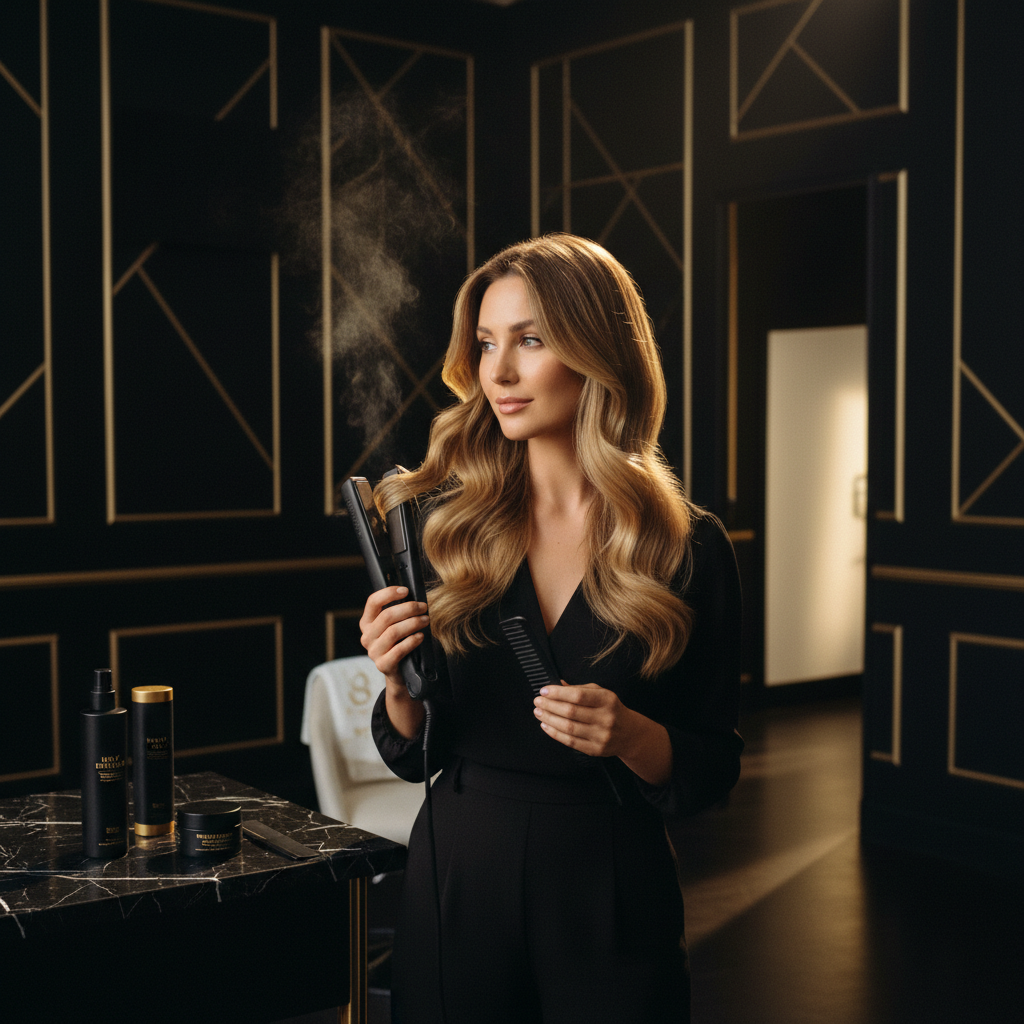
Understanding Heat Damage
Heat styling, while offering versatile styling options, can lead to hair damage if not performed correctly. High temperatures can cause several forms of damage, primarily by altering the hair's protein structure and removing essential moisture. The outermost layer of the hair, the cuticle, is composed of overlapping scales. Excessive heat can lift and crack these scales, leading to a rough surface, frizz, and a dull appearance. Internally, the keratin proteins that give hair its strength and elasticity can be denatured, making the hair brittle and prone to breakage. Continued exposure to high heat without protection can diminish hair's natural ability to retain moisture, leading to dryness and increased susceptibility to further damage.
Essential Heat Protection
Before applying any heat, it is crucial to use a heat protection product. These products work by forming a protective barrier around the hair shaft, distributing heat more evenly, and often containing ingredients that help to seal moisture into the hair. Common active ingredients include silicones, which provide a smooth coating, and hydrolyzed proteins, which can temporarily fill in gaps in the cuticle. Some heat protection formulas also incorporate humectants to attract and retain moisture, and antioxidants to mitigate environmental damage. Apply heat protection thoroughly from roots to ends on damp hair before blow-drying, or on dry hair before using hot tools.
Blow-Drying Techniques
Blow-drying is often the first step in heat styling. To minimise damage, begin by towel-drying hair gently to remove excess water; this reduces the amount of time heat is applied. Use a blow-dryer with adjustable heat and speed settings. Start with a lower heat setting and increase as needed. Keeping the nozzle moving constantly and at least six inches away from the hair prevents localized overheating. Directing airflow down the hair shaft helps to smooth the cuticle and enhance shine. For added volume, lift sections at the root while drying. Ensure hair is completely dry before moving to other heat tools, as styling damp hair with high-temperature tools can cause extensive damage.
Flat Iron and Curling Iron Usage
When using flat irons or curling irons, preparation is key. Ensure hair is fully dry and free of tangles. Section hair precisely to ensure even heat application and avoid re-applying heat to the same section multiple times. Choose an iron with adjustable temperature settings and ideally, ceramic or tourmaline plates, which provide more even heat distribution and reduce friction. Begin with the lowest effective temperature and gradually increase if necessary. For fine or chemically treated hair, lower temperatures are always recommended (typically below 300°F or 150°C). For coarse or thick hair, higher temperatures may be required, but should not exceed 400°F or 200°C. Move the tool smoothly and continuously through each section. Do not clamp down and hold the iron in one spot.
Temperature Guide for Hot Tools
| Hair Type | Recommended Temperature Range |
|---|---|
| Fine, Damaged, or Chemically Treated | 250-300°F (120-150°C) |
| Normal, Medium Thick | 300-350°F (150-175°C) |
| Thick, Coarse, or Resistant | 350-400°F (175-200°C) |
Note: These are general guidelines; always start with the lowest possible temperature and adjust as needed.
Post-Styling Care
After heat styling, allow hair to cool completely before touching or brushing it. This allows the hair to set in its new shape. To maintain the style and hair health, consider finishing with a lightweight serum or oil to add shine and seal the cuticle, and a flexible hold hairspray for longevity. Regular deep conditioning treatments are also beneficial to replenish moisture and repair any minor heat-induced damage. Over time, practicing mindful heat styling and incorporating reparative treatments will help maintain the overall health and vitality of your hair.
General Tips for Healthy Heat Styling
- Invest in Quality Tools: High-quality heat tools often have better temperature control and more advanced plate materials, leading to less damage.
- Clean Your Tools: Residue from styling products can build up on hot tools, leading to uneven heat and potential scorching. Clean plates regularly when cool.
- Limit Frequency: Reduce the number of days you heat style per week. Incorporate air-drying or heat-free styling methods whenever possible.
- Trim Regularly: Regular trims remove split ends, which are often exacerbated by heat styling, keeping hair looking healthier.
- Condition Deeply: Use a deep conditioning mask once or twice a week to restore moisture and proteins that can be depleted by heat.
By adhering to these best practices, you can enjoy the versatility of heat styling while minimizing its potential for damage, leading to healthier, more radiant hair.