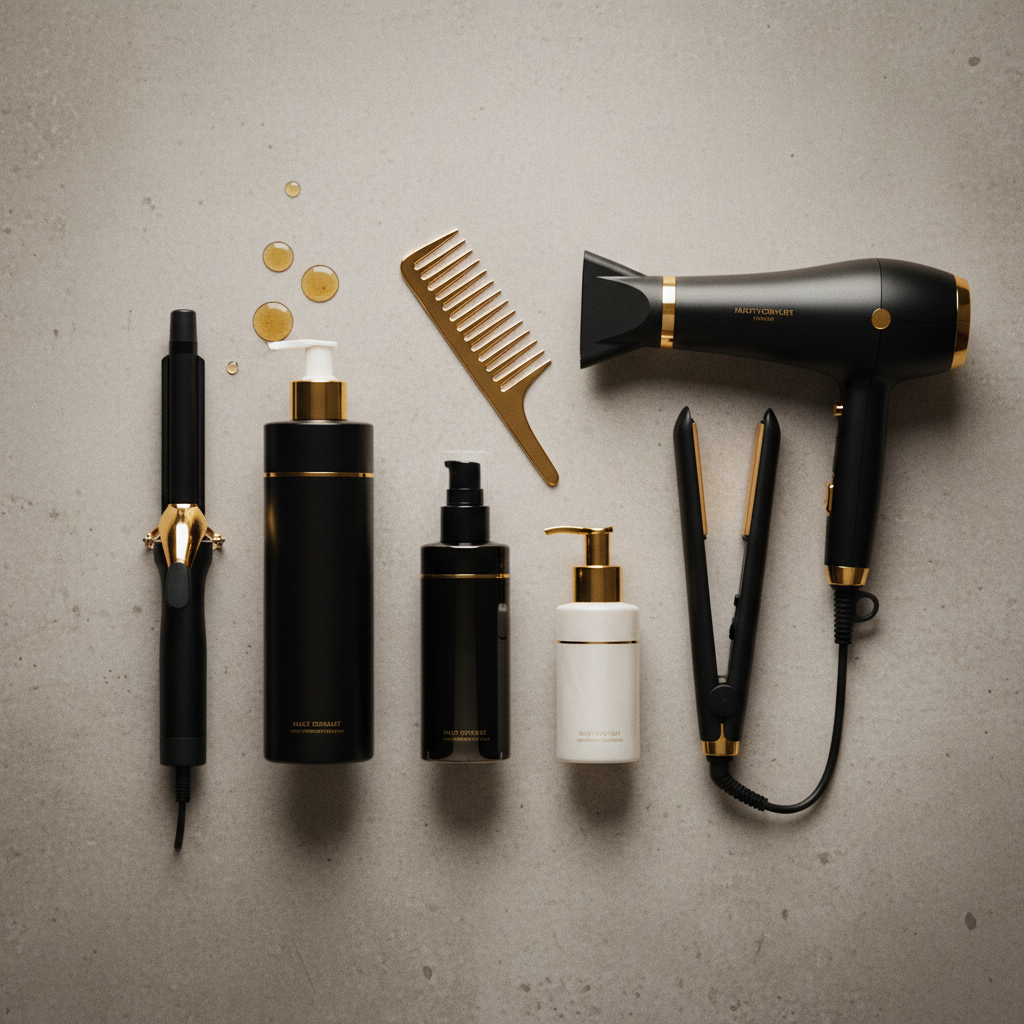
Heat Protectants: A Comprehensive Guide
Heat protectants form a thermal barrier on the hair shaft, reducing damage from heat styling tools.
Heat styling, while effective for achieving various looks, can cause significant damage to hair without proper protection. Heat protectants are formulations designed to minimize this damage by creating a barrier between the hair and the heat source.
What It Is and How It Works
Heat protectants are typically sprays, creams, or serums that contain ingredients designed to absorb, distribute, or reflect heat away from the hair shaft. This protective layer reduces the direct impact of high temperatures from tools like flat irons, curling irons, and blow dryers.
Key mechanisms include:
- Thermal conduction reduction: Ingredients like silicones (e.g., cyclomethicone, dimethicone) create a smooth film that slows down the transfer of heat to the hair's cortex.
- Moisture retention: Humectants and emollients help to seal in moisture, preventing the rapid evaporation of water from the hair shaft, which leads to dryness and brittleness.
- Protein denaturation prevention: High heat can denature the keratin proteins in hair, causing structural weakening. Some ingredients, often derived from proteins, offer a sacrificial layer.
Signs You Need a Heat Protectant
Even if you don't style with extreme heat daily, using a heat protectant is beneficial. However, certain signs strongly indicate its necessity:
- Split ends and breakage: Frequently using heat tools without protection can lead to visible damage.
- Dry, brittle hair: Heat strips hair of its natural moisture, leaving it feeling rough and lacking elasticity.
- Frizz and dullness: Damaged hair often has a raised cuticle, leading to a frizzy texture and reduced shine.
- Color fading: Heat can accelerate the fading of chemical hair color.
- Singeing smell: A burning odor during styling is a clear sign of severe heat damage.
How to Choose a Heat Protectant
Selecting the right heat protectant depends on your hair type, styling habits, and preferred application method. Consider the following:
Hair Type
- Fine/Thin Hair: Opt for lightweight sprays or mists that won't weigh hair down or make it greasy. Avoid heavy creams or oils.
- Thick/Coarse Hair: Can tolerate richer creams or serums that provide more intense heat protection and conditioning.
- Oily Hair: Look for oil-free or lightweight spray formulations.
- Dry/Damaged Hair: Benefit from products with added conditioning agents, emollients, and protein-derived ingredients.
Heat Tool Usage
- Blow Drying Only: Lighter formulations, often combined with styling benefits, are suitable. Many blow-dry balms offer heat protection.
- Flat Irons/Curling Irons: These tools reach higher temperatures (often 180°C/350°F to 230°C/450°F), requiring more robust protection. Look for products specifically formulated for high-heat tools.
Formulations
| Type | Benefits | Best For |
|---|---|---|
| Spray | Even distribution, lightweight | All hair types, especially fine/medium |
| Cream | Conditioning, frizz control | Thick, coarse, or dry hair |
| Serum | Shine, smoothing, concentrated protection | Thick, coarse, frizzy, or very damaged hair |
Temperature Protection
Many heat protectants specify the maximum temperature they protect against. While some protect up to 230°C (450°F), it