Hard Water and Hair: Understanding Its Effects and Solutions
10 min read ·
Hard Water and Hair can lead to dryness, dullness, and breakage due to mineral buildup, but effective solutions are available.
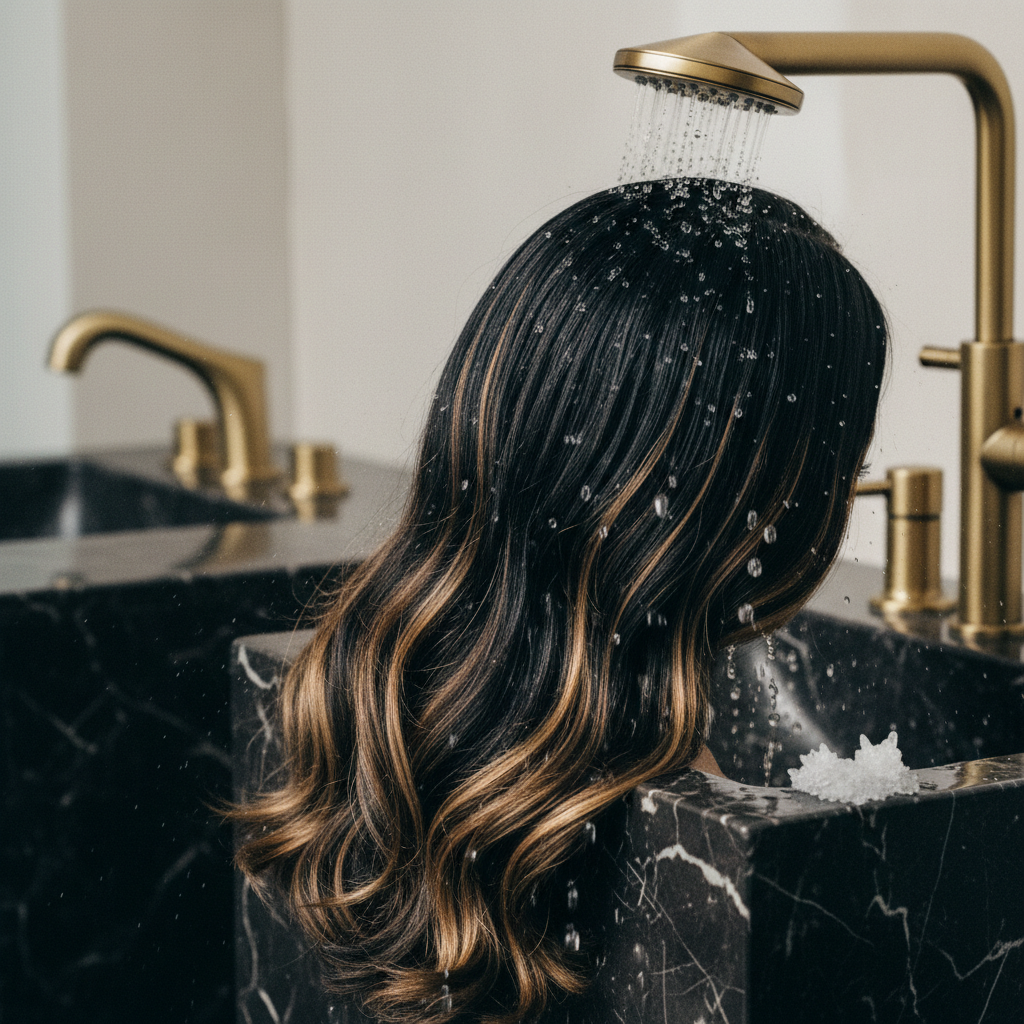
Quick answer: Hard water can significantly affect hair by causing mineral buildup, which leads to dryness, dullness, reduced lather from products, and increased susceptibility to breakage. The impact of Hard Water and Hair depends on the mineral concentration in your local water supply and the specific care routine used to mitigate these effects. Understanding the mechanisms can help you choose appropriate solutions for healthier hair.
Key takeaways
- Hard water contains high levels of dissolved minerals, mainly calcium and magnesium, which can accumulate on hair.
- This mineral buildup can make hair feel rough, look dull, and increase its vulnerability to breakage.
- Hard water also reduces the effectiveness of shampoos, leading to less lather and potentially more product use.
- Specific hair care products, like chelating shampoos, and water treatment solutions, such as shower filters or water softeners, can mitigate the effects of hard water.
- The precise impact of hard water varies by location, individual hair type, and existing hair care practices.
Hard Water and Hair: what the evidence shows
Hard water is defined by its high concentration of dissolved minerals, primarily calcium and magnesium ions. These minerals come from the geological strata water passes through before reaching our taps. Water hardness is typically quantified in milligrams per litre (mg/L, often equivalent to parts per million, PPM) or grains per gallon (GPG). Generally, water is considered hard above 120 mg/L (7 GPG) and very hard above 180 mg/L (10.5 GPG).
The effects of hard water on hair are well-documented and stem from the interaction between these dissolved minerals and the hair fibre. When hard water comes into contact with hair, the calcium and magnesium ions can bind to the hair shaft, particularly to negatively charged sites on the hair's surface. This mineral accumulation forms a film or residue that can alter the hair's texture, appearance, and manageability.
The mechanism of mineral buildup and its impact
The primary mechanism through which hard water affects hair is the deposition of mineral salts onto the hair fibre. Calcium carbonate, in particular, can precipitate out of hard water and adhere to the hair. This buildup can:
- Increase surface roughness: A study published in the International Journal of Cosmetic Science (2013) found that hair washed in hard water exhibited higher surface friction and decreased combability compared to hair washed in deionised water. The mineral deposits create an uneven surface, making hair feel coarse and difficult to detangle.
- Reduce shine and vibrancy: The mineral film scatters light rather than reflecting it smoothly, leading to a dull, lifeless appearance. For colour-treated hair, this can accelerate colour fade and even lead to unwanted tonal shifts, such as brassiness in blonde hair or a reddish tinge in darker shades, as reported by various cosmetic science sources.
- Impair moisture penetration: The mineral layer can act as a barrier, preventing hair from absorbing and retaining moisture effectively. This can lead to hair feeling dry, brittle, and more susceptible to breakage, as discussed in the context of Hair Damage: Causes, Signs, and Solutions.
- Affect product performance: Hard water minerals react with surfactants (cleansing agents) in shampoos. This reaction can reduce the shampoo's ability to lather effectively, meaning more product might be needed to achieve a clean feel. This reduced efficacy can leave behind product residue in addition to mineral buildup, further exacerbating dullness and dryness.
- Impact scalp health: Mineral deposits can also accumulate on the scalp, potentially contributing to dryness, itchiness, and flakiness. This can interfere with normal scalp functions, as explored in Understanding Scalp Health.
What the evidence does not show (and what to watch out for)
While hard water can undoubtedly affect hair appearance and feel, there is currently insufficient evidence to directly link it to hair loss (follicular issues like alopecia) or increased hair shedding (like telogen effluvium). The effects of hard water are primarily cosmetic and relate to the hair fibre itself rather than the hair follicle. Claims that hard water directly causes baldness or significant hair thinning are not supported by scientific research. Any shedding or loss experienced is more likely due to other underlying causes, which should be investigated by a medical professional.
Identifying the signs of hard water exposure on your hair
Recognising the signs of hard water's impact on your hair can help you address the issue promptly. Common indicators include:
- Hair that feels unusually rough, stiff, or straw-like after washing, even after conditioning.
- A noticeable lack of shine, with hair appearing dull or lifeless.
- Difficulty creating a good lather with shampoo, requiring you to use more product than usual.
- Increased tangling and difficulty combing through your hair.
- Faster fading or unwanted colour changes in colour-treated hair, such as brassy tones.
- An itchy, dry, or flaky scalp that doesn't respond to regular moisturising treatments.
- The presence of mineral deposits or soap scum on shower doors, taps, or showerheads in your home.
Solutions for Hard Water and Hair
Addressing the challenges of Hard Water and Hair involves both removing existing mineral buildup and preventing future accumulation. A multi-pronged approach often yields the best results.
In-shower hair care solutions
1. Chelating Shampoos (Clarifying Shampoos)
Chelating shampoos are specifically formulated with agents that bind to and remove mineral ions from the hair shaft. Common chelating ingredients include disodium EDTA, tetrasodium EDTA, phytic acid, and gluconic acid. These ingredients essentially "capture" the mineral ions, allowing them to be rinsed away with water. This process helps to restore the hair's natural texture and shine.
- How to use: Incorporate a chelating shampoo into your routine weekly or bi-weekly, depending on your water hardness and the degree of buildup. Always follow with a deeply moisturising conditioner to replenish any lost moisture and ensure hair remains pliable. For a deeper understanding, see How to Do a Clarifying Wash: A Guide to Deep Hair Cleansing.
2. Acidic Rinses
Acidic rinses, such as diluted apple cider vinegar, can help to dissolve some mineral deposits and smooth the hair cuticle. Hard water minerals are often alkaline, and the acidity of these rinses helps to neutralise them, making them easier to remove and helping to close the hair's cuticle, which can enhance shine.
- How to use: After shampooing, apply a solution of one part apple cider vinegar to four parts water to your hair. Leave it on for a few minutes before rinsing thoroughly with cool water. This can be done once a week.
3. Optimising your routine for hard water
- Prioritise moisturising: Hard water can strip hair of its natural oils, so consistently use rich conditioners, hair masks, and leave-in treatments. Look for products designed for Hair Hydration: The Science Behind Keeping Hair Moist.
- Thorough rinsing: Even with specific products, ensure you rinse your hair meticulously after shampooing and conditioning to minimise any remaining product or mineral residue.
- Sulfate-free options: Consider sulfate-free shampoos. While sulfates are not inherently bad, in hard water, they can react more readily with minerals to form insoluble salts, potentially leading to more residue. Sulfate-Free Shampoo Benefits explains more.
Home water treatment solutions
1. Shower Head Filters
Shower head filters are designed to reduce the concentration of minerals, chlorine, and other impurities in your shower water. These filters use various media, such as activated carbon, KDF (Kinetic Degradation Fluxion), and calcium sulfite, to either trap or neutralise contaminants. Some advanced filters also include chelating resins to specifically target hard water minerals.
- Effectiveness: The effectiveness of shower filters varies widely. Look for filters explicitly marketed for hard water treatment rather than just chlorine removal. They can offer a noticeable improvement, particularly in moderately hard water areas.
2. Whole-House Water Softeners
A whole-house water softener is the most comprehensive solution for hard water, treating all water entering your home. These systems utilise an ion exchange process to remove calcium and magnesium ions. Water passes through a resin bed containing small beads coated with sodium ions. The calcium and magnesium ions in the hard water are exchanged for the sodium ions on the beads. The resin is periodically regenerated by flushing it with a concentrated salt solution.
- Benefits: This system eliminates hard water issues for all household uses, including bathing, laundry, and appliances, offering a complete solution to the problems associated with hard water. However, it represents a significant investment.
When the cause may be something else and seeking professional advice
While hard water can certainly affect your hair's condition and appearance, it's important to recognise that other factors can cause similar symptoms. If you've tried addressing hard water issues and your hair or scalp concerns persist, the underlying cause might be different.
For example, excessive dryness and breakage could also be linked to chemical processing (Chemical Hair Treatments: What They Are and How They Affect Hair), overuse of heat styling (Heat Styling Safety Best Practices), or an imbalanced diet. Persistent scalp issues like itching, flaking, or excessive oiliness might indicate conditions such as dandruff (Dandruff: Causes and Treatments Explained) or seborrheic dermatitis, which require specific dermatological treatments rather than just hard water solutions.
If you experience significant hair shedding, thinning, or unexplained scalp irritation, it's always best to consult a dermatologist or trichologist. They can accurately diagnose the problem, rule out medical conditions, and recommend appropriate treatments. Never self-diagnose or delay seeking professional advice for concerning hair or scalp changes.
Frequently asked questions about Hard Water and Hair
How does hard water make hair feel rough or stiff?
Hard water contains minerals like calcium and magnesium that deposit on the hair shaft. These deposits create a rough, uneven surface, preventing the hair cuticle from lying flat. This texture makes hair feel stiff, coarse, and prone to tangling, reducing its natural smoothness and flexibility. Regular chelating can help remove these mineral layers, improving hair texture.
Can hard water cause hair colour to fade faster?
Yes, hard water can accelerate hair colour fading. The minerals in hard water can interact with hair dye molecules, causing them to break down or oxidise more quickly. Additionally, the mineral film on the hair surface can obscure the true colour, making it appear duller or altered, sometimes leading to brassy or greenish tones in lighter hair colours. Addressing Hard Water and Hair concerns can help maintain colour vibrancy.
Are there specific hair types more affected by hard water?
While all hair types can be affected, some may show symptoms more prominently. High porosity hair, for instance, has a more open cuticle, which might allow minerals to penetrate and deposit more easily. Fine hair can also feel weighed down and look limper more quickly. Colour-treated hair is also particularly vulnerable due to increased cuticle damage, making it more susceptible to mineral adhesion and colour changes.
How often should I use a chelating shampoo for hard water?
The frequency depends on your local water hardness and how quickly your hair accumulates mineral buildup. For moderately hard water, using a chelating shampoo once every 2 to 4 weeks might be sufficient. In very hard water areas, you might need to use it weekly or bi-weekly. Always follow with a deep conditioner to rehydrate. Adjust based on how your hair responds and feels.
Does a shower filter really help with hard water hair issues?
Shower filters can certainly help reduce the impact of hard water on your hair. They work by removing or neutralising some of the minerals and chlorine present in the water. While not as comprehensive as a whole-house water softener, a good quality shower filter designed for hard water can noticeably improve hair softness, shine, and overall manageability by reducing mineral accumulation over time.
Making sense of Hard Water and Hair
Understanding the impact of Hard Water and Hair is the first step towards maintaining healthy, vibrant hair in areas with high mineral content. The dissolved minerals, primarily calcium and magnesium, can create a noticeable buildup on hair, leading to a host of aesthetic and tactile issues including dryness, dullness, reduced lather, and increased fragility. By incorporating targeted hair care products, such as chelating shampoos and deeply moisturising conditioners, and considering water treatment solutions like shower filters, you can effectively counteract these effects. For persistent issues, or concerns about hair shedding or loss, remember to consult a professional to rule out other causes. Empowering yourself with knowledge and appropriate solutions ensures your hair can thrive, despite the challenges of hard water.
Sources and references
- International Journal of Cosmetic Science, Influence of water hardness on hair shaft damage, 2013
- Journal of Cosmetic Science, Effect of water hardness on the interaction between shampoo and hair, 2004
- Water Quality Association (WQA), Water Hardness Basics, Ongoing research and publications
- PubMed Central, Various studies on hair fibre characteristics and environmental factors, Ongoing research
- Dermatology journals (e.g., Journal of the American Academy of Dermatology), Research on scalp conditions and hair health, Ongoing research