Hair Care for Different Hair Types
5 min read ·
Understanding your hair type is the first step to developing an effective hair care routine that addresses its unique needs and characteristics.
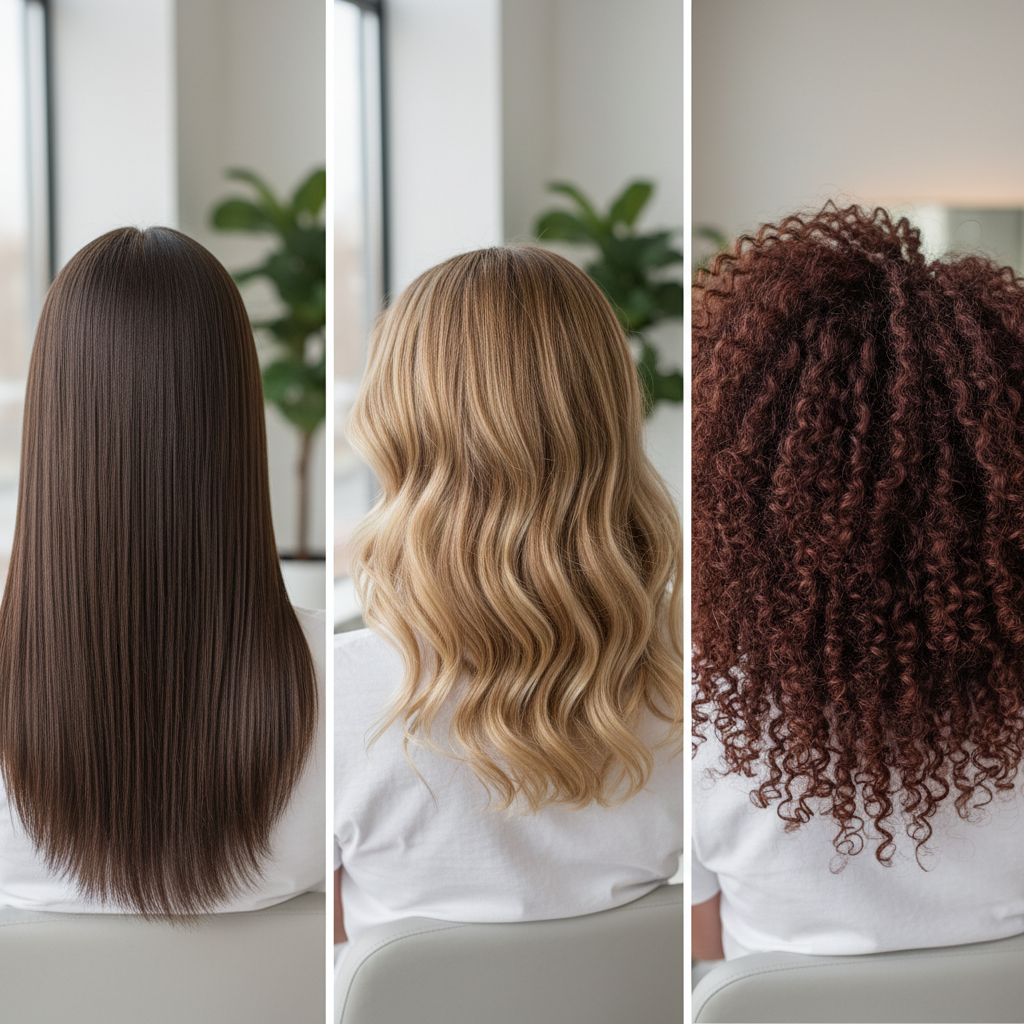
Understanding Hair Type
Hair care is not one-size-fits-all. The ideal routine depends significantly on an individual's specific hair type. Hair type is primarily determined by genetics and can be broadly categorized by texture (straight, wavy, curly, coily), thickness (fine, medium, coarse), and scalp condition (oily, normal, dry).
Hair Texture
Hair texture refers to the shape of the hair strand, which dictates how hair behaves and how it should be cared for.
- Straight Hair: Characterized by a lack of curl, straight hair tends to be smooth and reflects light well, giving it a shiny appearance. It can be prone to oiliness due to sebum (natural hair oil) easily traveling down the hair shaft.
- Wavy Hair: Wavy hair forms a loose S-shape. It can range from barely wavy to very defined waves. It often has more volume than straight hair but can be susceptible to frizz.
- Curly Hair: Curly hair forms distinct spirals or ringlets. It tends to be drier than straight or wavy hair because the bends in the hair shaft make it harder for sebum to reach the ends. It is also more prone to tangling and breakage.
- Coily Hair: Coily hair, also known as kinky hair, has very tight, small curls or zig-zag patterns directly from the scalp. It is the driest and most fragile hair type, requiring significant moisture and gentle handling to prevent breakage.
Hair Thickness
Hair thickness, or density, refers to the diameter of individual hair strands, not the quantity of hair on the scalp. Fine hair has a small diameter, while coarse hair has a larger one.
- Fine Hair: Fine hair strands are delicate and can be easily damaged. It tends to lack volume and can become greasy quickly. Products designed for fine hair often focus on lightweight hydration and volume without weighing the hair down.
- Medium Hair: This is the most common hair thickness. Medium hair is generally resilient and holds styles well. It can tolerate a wider range of products and styling techniques.
- Coarse Hair: Coarse hair strands have a wide diameter and are generally strong. While more resistant to damage, it can be prone to frizz, dryness, and can feel rough to the touch. It often benefits from richer, more moisturising products.
Scalp Condition
The condition of the scalp directly impacts hair health. A healthy scalp is fundamental for healthy hair growth.
- Oily Scalp: An oily scalp produces excess sebum, leading to greasy hair. This typically requires frequent washing with gentle, balancing shampoos.
- Dry Scalp: A dry scalp lacks sufficient moisture and can lead to flakes, itching, and hair dryness. It benefits from moisturising and soothing scalp treatments.
- Normal Scalp: A balanced scalp produces an adequate amount of sebum, resulting in hair that is neither too oily nor too dry. Maintaining this balance is key for overall hair health.
Tailoring Your Hair Care Routine
Developing an effective hair care routine involves selecting products and practices that cater to your specific hair texture, thickness, and scalp condition.
Cleansing (Shampoo)
The frequency and type of shampoo should align with your scalp and hair needs.
| Hair Type | Recommended Cleansing Frequency | Shampoo Characteristics |
|---|---|---|
| Oily Scalp | Every 1-2 days | Clarifying or balancing, sulfate-free to avoid over-stripping |
| Dry Scalp | Every 3-4 days (or less) | Hydrating, moisturising, gentle, sulfate-free |
| Fine/Straight | Every 1-2 days | Volumizing, lightweight, gentle |
| Wavy/Curly | Every 2-4 days | Moisturizing, curl-friendly, low-lather |
| Coily | Once a week (or less) | Ultra-moisturising, co-wash (conditioner wash) |
Avoid shampoos with harsh sulfates, which can strip natural oils, regardless of hair type, but particularly for dry or fragile hair.
Conditioning
Conditioning is crucial for all hair types, but the type and application differ.
- Straight/Fine Hair: Use a lightweight conditioner on the mid-lengths and ends only to prevent weighing hair down. Rinse thoroughly.
- Wavy/Curly Hair: Use a hydrating, detangling conditioner. Apply from mid-lengths to ends, focusing on areas prone to dryness. Consider a leave-in conditioner for added moisture and frizz control.
- Coily Hair: Requires rich, deeply moisturising conditioners. Apply generously from root to tip. Leave-in conditioners and deep conditioning treatments are essential for maintaining hydration and elasticity.
Styling and Protection
- Heat Protection: Always use a heat protection spray before applying any heat styling tools (blow dryers, straighteners, curling irons) to minimise damage, regardless of hair type. Ensure the product is suitable for your hair's thickness.
- Frizz Control: For wavy, curly, or coarse hair, anti-frizz serums or creams can help smooth the cuticle and prevent humidity-induced frizz. Look for ingredients that provide a barrier against moisture.
- Volume: Fine and straight hair often benefits from volumizing mousses or sprays applied at the roots before blow-drying. Watermans Grow More Scalp Elixir promotes a healthy scalp environment, which is conducive to thicker-looking hair.
- Moisture Sealant: For very dry or coily hair, using a hair oil or butter as a final step can help seal in moisture, protect the strands, and add shine.
General Tips for All Hair Types
- Gentle Handling: Always handle wet hair with extreme care, as it is most vulnerable to breakage. Use a wide-tooth comb to detangle, starting from the ends and working your way up.
- Balanced Diet: A nutritious diet rich in vitamins, minerals, and proteins supports overall hair health from within.
- Regular Trims: Trim split ends every 6-8 weeks to maintain healthy hair growth and prevent damage from traveling up the hair shaft.
- Scalp Health: A healthy scalp is the foundation of healthy hair. Use proper cleansing and conditioning, ensure adequate blood flow through gentle massage, and address any scalp issues promptly. For example, Watermans Grow More Elixir can contribute to maintaining scalp health.
By understanding your unique hair type and consistently applying the appropriate care, you can achieve and maintain healthier, more manageable hair.