Hair Styling Tools and Techniques: A Guide to Healthier Hair
10 min read ·
Hair Styling Tools and Techniques are essential for shaping and managing hair, but understanding their proper use and potential impact on hair health is key to preventing damage and achieving desired results.
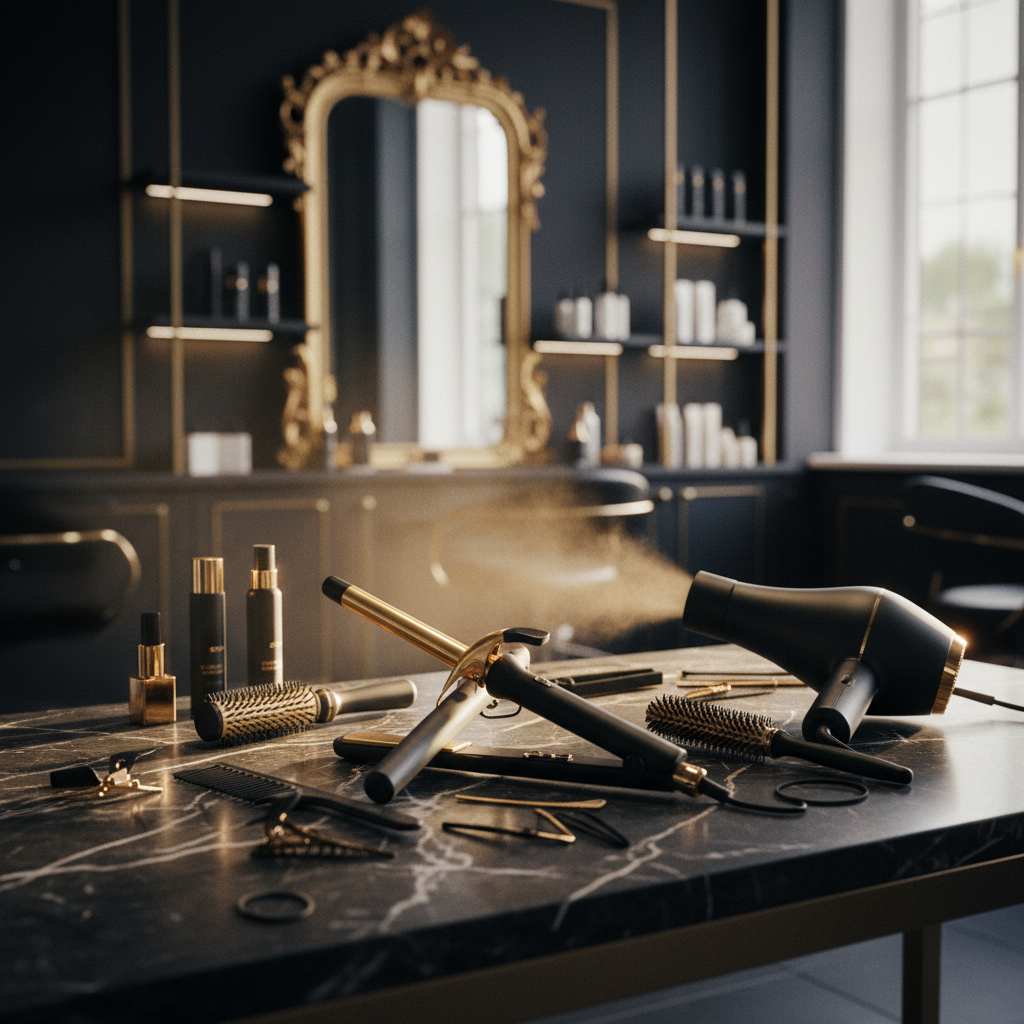
Quick answer: Hair Styling Tools and Techniques encompass a range of implements and methods used to shape, smooth, curl, or add volume to hair. Understanding the correct application of these tools and techniques, including proper heat settings, protective measures, and gentle handling, is crucial for minimising potential hair damage, such as breakage or dryness, and maintaining overall hair health while achieving desired styles. Their impact on hair health varies significantly with usage frequency and technique.
Key takeaways
- Different Hair Styling Tools and Techniques are designed for specific hair types and desired outcomes, from detangling to elaborate styles.
- Heat styling tools, while effective, can compromise hair health if used improperly or without protection, potentially leading to fibre damage.
- Gentle techniques, appropriate tool selection, and the use of heat protectants are vital to minimise breakage and maintain the hair's structural integrity.
- Understanding how hair reacts to heat and mechanical stress helps in choosing less damaging styling approaches.
- The frequency and intensity of using Hair Styling Tools and Techniques directly influence their impact on long-term hair health.
Hair Styling Tools and Techniques: what the evidence shows
Hair Styling Tools and Techniques involve both mechanical and thermal processes to temporarily alter the hair's natural shape. The hair fibre, primarily composed of keratin protein, can be manipulated due to its physical properties, particularly the hydrogen bonds within its structure. These bonds are temporarily broken by water (during wet styling) and heat (during thermal styling), allowing the hair to be reformed into a new shape as it dries or cools.
Mechanical tools, such as brushes and combs, primarily work by separating strands and applying tension. Thermal tools, including blow dryers, straighteners, and curling irons, use heat to reshape the hair. While effective for creating diverse looks, excessive or improper use of these tools can lead to cuticle damage, protein denaturation, and ultimately, hair breakage.
Mechanical Styling Tools: Brushes and Combs
Brushes and combs are fundamental to Hair Styling Tools and Techniques, used for detangling, smoothing, and shaping hair. Their design, bristle type, and spacing significantly affect their performance and impact on hair health.
- Paddle Brushes: These large, flat brushes are well-suited for detangling long or thick hair and smoothing strands. Their broad surface area helps distribute natural scalp oils along the hair shaft. Gentle use on damp hair, starting from the ends, helps prevent breakage.
- Round Brushes: Used with blow dryers, round brushes help create volume, waves, or straighten hair. The barrel size determines the curl or wave pattern, with smaller barrels yielding tighter curls. Bristle materials, such as boar bristles or synthetic fibres, influence tension and shine by aiding in cuticle smoothing.
- Vent Brushes: Characterised by open vents, these brushes allow air to flow through freely, which can help reduce blow-drying time. They are useful for detangling and adding root volume, particularly when used in conjunction with a hairdryer.
- Wide-Tooth Combs: Essential for detangling wet hair, wide-tooth combs are designed to minimise snagging and breakage. Wet hair is more vulnerable to damage because the hair fibre can swell, increasing friction and making it more prone to stretching and snapping. Using a wide-tooth comb gently helps to preserve the hair's integrity in this state.
Thermal Styling Tools: The Impact of Heat
Heat styling tools utilise controlled heat to reshape hair. While they offer styling versatility, excessive heat can compromise the hair's protein structure, leading to dryness, dullness, and increased susceptibility to breakage. Research indicates that heat above 130°C can begin to damage the hair cuticle, while temperatures exceeding 215°C can cause protein degradation and significant structural damage (Trueb, R. M., 2018). Always use a heat protectant product to create a barrier and reduce direct heat transfer.
Blow Dryers
Blow dryers use heated air to evaporate water from the hair. Modern blow dryers often feature ionic technology, which produces negative ions that are believed to help break down water molecules on the hair surface, potentially leading to faster drying and reduced frizz. Ceramic or tourmaline components in blow dryers aim to distribute heat more evenly, which can minimise localised hot spots and reduce thermal stress on the hair.
| Nozzle Type | Primary Function | Best For |
|---|---|---|
| Concentrator | Directs airflow for precision styling and smoothing | Straightening, polished looks |
| Diffuser | Spreads airflow gently to define natural curls | Curly, wavy, or afro-textured hair |
Flat Irons (Straighteners)
Flat irons use two heated plates to smooth and straighten hair. The material of these plates significantly influences performance and hair impact:
- Ceramic: Offers even heat distribution, reducing hot spots that can scorch hair. Generally suitable for most hair types.
- Titanium: Heats up quickly and maintains consistent high temperatures, making it effective for thick, coarse, or resistant hair. Requires careful use due to high heat.
- Tourmaline: Often combined with ceramic or titanium, tourmaline generates negative ions, which can help seal the hair cuticle, enhance shine, and reduce frizz. It is considered a gentler option for fine or damaged hair.
Curling Irons and Wands
These tools create curls and waves. Curling irons feature a clamp to hold hair, while wands require manual wrapping. Barrel size dictates curl tightness, with smaller barrels creating tighter curls and larger barrels producing looser waves. Conical wands offer varied curl sizes along the hair strand. Heat protectant use is critical to prevent thermal damage when using these tools.
Hot Rollers
Hot rollers are a less intense thermal styling option for creating volume and soft curls. They heat to a moderate temperature. Hair is rolled onto the heated curler and allowed to cool, which enables the hydrogen bonds to reform in the desired curled shape without the direct, high heat exposure of irons. This method is generally considered less damaging than direct heat application.
Other Styling Tools and Techniques
- Hair Clips and Pins: Essential for sectioning hair during styling, securing updos, and holding styles in place. Choosing pins with smooth tips can help prevent snagging and pulling.
- Hair Ties and Elastics: Used to create ponytails, braids, and buns. Opting for seamless or fabric-covered ties helps reduce friction and minimise hair breakage, especially for delicate hair types like those with fine hair or afro-textured hair.
Hair Styling Techniques: What You Can Do
Adopting gentle and informed styling practices is paramount to protecting hair health. Here's what you can do:
- Use Heat Protection: Always apply a heat protectant spray or serum before using any thermal Hair Styling Tools and Techniques. These products form a barrier, reducing direct heat transfer and helping to preserve the hair's protein structure.
- Control Heat Settings: Use the lowest effective temperature setting on heat tools. Fine, damaged, or chemically treated hair requires lower temperatures (under 150°C), while thicker, coarser hair may tolerate slightly higher settings (up to 185°C). Avoid exceeding 200°C.
- Dry Hair Gently: Before blow-drying, gently blot hair with a microfibre towel to remove excess water. This reduces the time hair is exposed to heat. Rough drying and excessive towel friction can lead to cuticle damage and frizz. For afro-textured hair, gentle drying and moisturising before styling are crucial. See 'How to Stop Afro Hair from Feeling Dry'.
- Section Hair: Divide hair into manageable sections when styling. This ensures even drying and styling, prevents over-processing sections, and makes the process more efficient.
- Minimise Repetition: Avoid passing flat irons or curling irons over the same section of hair multiple times. One slow, consistent pass is often more effective and less damaging than several quick passes.
- Cool Shots: Finish blow-drying with a cool shot setting. This helps to close the hair cuticle, sealing in moisture, enhancing shine, and setting the style.
- Protective Styling: Incorporate protective styles, particularly for afro-textured and curly hair, which minimise manipulation and exposure to styling tools. Braids, twists, and buns can reduce daily wear and tear. Explore 'Protective Styling: A Comprehensive Guide'.
- Deep Conditioning: Regularly incorporate deep conditioning treatments into your hair care routine to replenish moisture and strengthen the hair fibre, especially if you frequently use heat styling. See 'The Science of Conditioners: How Hair Care Formulations Work'.
- Choose the Right Tools: Select brushes and combs appropriate for your hair type and condition. Wide-tooth combs for wet hair are essential, and brushes with smooth bristles can reduce snagging.
What the evidence does not show
There is no scientific evidence to suggest that specific Hair Styling Tools and Techniques alone cause permanent hair loss (alopecia). Hair loss is typically linked to genetic, hormonal, or autoimmune factors. However, aggressive styling practices, particularly those involving excessive tension (e.g., tight ponytails, braids, or extensions), can lead to traction alopecia, a form of hair loss caused by chronic pulling on the hair follicles. Similarly, extreme heat damage can cause hair breakage, which is often mistaken for hair loss, but the hair follicle itself remains intact and capable of producing new hair.
When to get professional advice
If you experience persistent hair breakage that does not improve with gentle styling practices and improved hair care, or if you notice changes in your scalp health, such as redness, irritation, or unusual shedding, consult a dermatologist or trichologist. These professionals can help diagnose underlying issues and recommend appropriate treatments. They can also provide guidance on Hair Styling Tools and Techniques that are best suited to your specific hair and scalp condition.
Frequently asked questions about Hair Styling Tools and Techniques
Can Hair Styling Tools and Techniques cause hair loss?
No, Hair Styling Tools and Techniques generally do not cause hair loss (alopecia) in the traditional sense, which relates to the follicle. However, aggressive practices like very tight hairstyles can lead to traction alopecia, where constant pulling damages follicles over time. Excessive heat or harsh mechanical styling can also cause significant hair breakage, which reduces hair volume and may be mistaken for hair loss, but the hair fibre is snapping, not shedding from the root.
How can I protect my hair from heat damage when styling?
To protect your hair from heat damage, always apply a heat protectant spray or serum evenly before using thermal Hair Styling Tools and Techniques. Set your tools to the lowest effective temperature for your hair type. Minimise the time heat is applied and avoid repeatedly passing tools over the same section of hair. Finishing with a cool shot on a blow dryer can also help to seal the cuticle.
What are the best tools for detangling wet hair?
For detangling wet hair, a wide-tooth comb or a dedicated detangling brush with flexible bristles is recommended. Wet hair is more fragile and prone to stretching and breakage. These tools reduce snagging and pulling, allowing for gentle disentanglement without causing undue stress on the hair shaft. Always start detangling from the ends and work your way up to the roots.
Are expensive styling tools really better for my hair?
Expensive styling tools often feature advanced technologies like even heat distribution, ionic properties, or specific plate materials (e.g., tourmaline, titanium). While these can contribute to more efficient styling and potentially reduce damage compared to poorly designed tools, proper technique and heat protectant use are ultimately more critical than the price tag. A well-used, moderately priced tool can be healthier for your hair than an expensive one used incorrectly.
How do I choose the right brush for my hair type?
Choosing the right brush depends on your hair type and styling goals. For fine or delicate hair, a soft bristle brush (like boar bristle) or a wide-tooth comb is gentle. Thick or curly hair benefits from paddle brushes for detangling or diffuser attachments for blow dryers. Round brushes add volume, while vent brushes speed up drying. Always prioritise brushes that minimise pulling and snagging.
Hair Styling Tools and Techniques: achieving healthy, beautiful hair
Navigating the world of Hair Styling Tools and Techniques requires a balanced approach, combining effective product use with a deep understanding of how to maintain hair health. By selecting appropriate tools for your hair type, utilising heat protection, and employing gentle techniques, you can achieve your desired styles while preserving the integrity and vitality of your hair. Remember, consistent care and informed choices are the foundation of healthy, beautiful hair.
Sources and references
- British Association of Dermatologists, Hair Loss Information. https://www.bad.org.uk/
- Dermatology Times, "Hair Damage: Causes, Consequences, and Prevention", 2017.
- Gavazzoni Dias, M. F. R. (2015). Hair cosmetics: an overview. International Journal of Trichology, 7(1), 2 to 15. https://doi.org/10.4103/0974-7753.153927
- National Health Service (NHS), Hair Loss. https://www.nhs.uk/
- Robbins, C. R. (2012). Chemical and Physical Behavior of Human Hair (5th ed.). Springer. ISBN: 978-3-642-25611-1.
- Trueb, R. M. (2018). The value of hair cosmetics. Journal of Cosmetic Dermatology, 17(5), 659-663.