Hair Styling: Techniques, Tools, and Hair Health
12 min read ·
Hair styling involves manipulating hair’s shape, texture, and position using various techniques and products to achieve a desired aesthetic, though excessive heat can lead to damage.
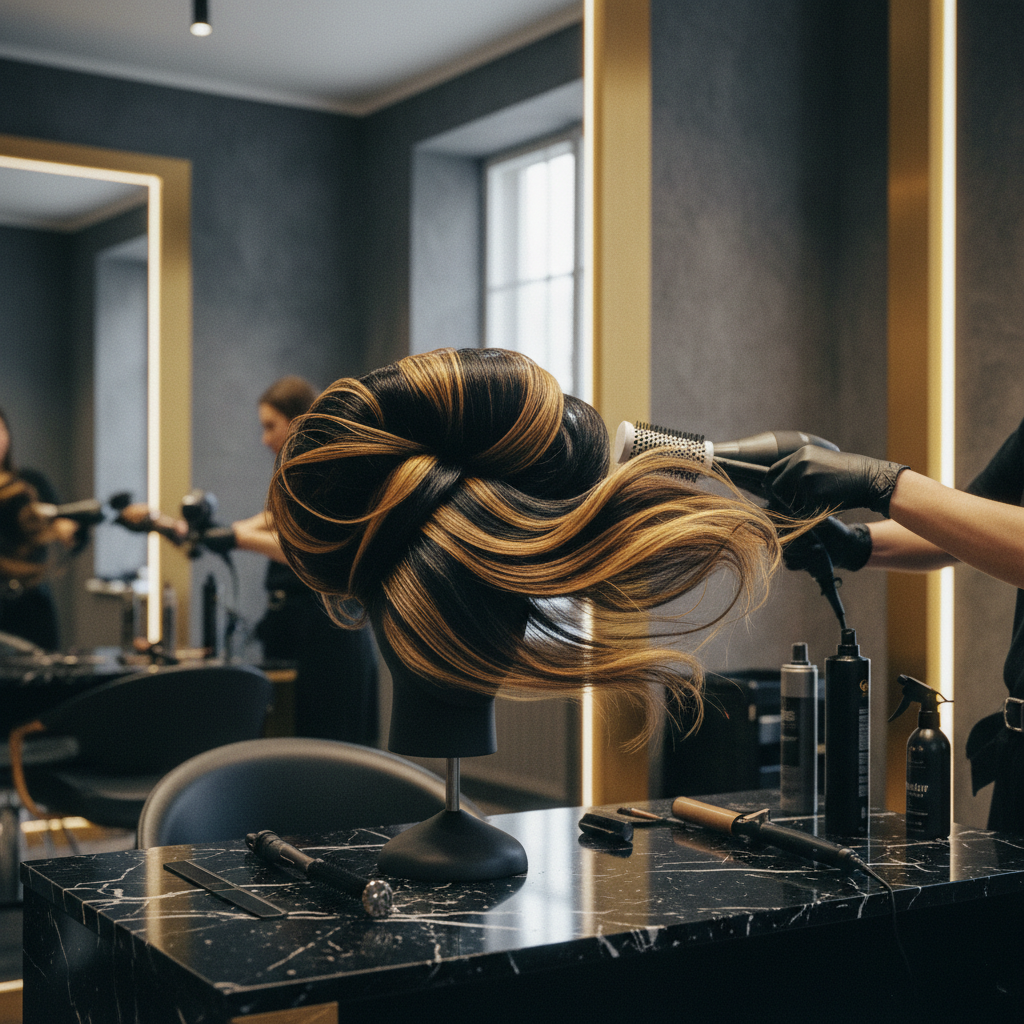
Quick answer: Hair styling is the process of temporarily altering the hair's shape, texture, and position using physical methods, heat, or cosmetic products to achieve a desired appearance. It relies on understanding hair structure and product chemistry. However, frequent or improper hair styling, especially with heat, can lead to fibre damage if not managed carefully.
Key takeaways
- Hair styling primarily works by temporarily breaking and reforming hydrogen bonds within the hair's keratin structure.
- Heat and water are key elements in altering hair's shape, with heat accelerating the process and enabling more dramatic changes.
- Understanding your hair's type, density, porosity, and elasticity is crucial for effective and damage-minimising hair styling.
- While heat styling can achieve versatile looks, consistent use without protection can lead to fibre damage and breakage.
- Cosmetic styling products offer hold, texture, and protection, with specific ingredients working to create different effects.
- Non-heat styling methods are effective alternatives for maintaining hair health and achieving various styles.
Hair Styling: what the evidence shows
Hair styling refers to the practices and products used to modify the hair's appearance, focusing on its shape, texture, and placement. The underlying principle involves the temporary alteration of hydrogen bonds within the hair fibre. Hair, primarily composed of keratin protein, contains these bonds, which are easily broken by water and reformed when the hair dries. This allows hair to be set into a new shape. Heat accelerates this process, enabling more significant and faster changes to the hair's configuration.
For example, when wet hair is wrapped around a roller and allowed to dry, the hydrogen bonds reset, holding the hair in a curled shape. Similarly, applying heat with a curling iron or straightener quickly breaks and reforms these bonds, resulting in a new, albeit temporary, configuration. Unlike chemical treatments like perms or relaxers, which alter the stronger disulfide bonds, hair styling changes are reversible with water.
Effective hair styling techniques and product choices depend heavily on individual hair characteristics:
- Hair Type (Fine, Medium, Coarse): The diameter of individual hair strands influences how hair responds to styling and products. Fine hair is more susceptible to being weighed down by heavy products and heat, while coarse hair often requires more robust hold and can tolerate higher heat settings. Evidence suggests that fine hair often has a higher surface-to-volume ratio, making it more prone to damage from mechanical stress during styling (Journal of Cosmetic Science, 2017).
- Hair Density: This refers to the number of individual hair strands per square centimetre of the scalp. Higher density hair can be more challenging to manage but offers greater volume potential. Low-density hair may require specific techniques and products to create the illusion of fullness.
- Hair Porosity: This is the hair's ability to absorb and retain moisture, determined by the state of the cuticle layer. Highly porous hair (often due to damage or natural characteristics) readily absorbs products but can also lose moisture and style hold more quickly. Low porosity hair may resist product penetration, requiring different application strategies. Understanding hair porosity can guide product selection for better moisture retention and style longevity (International Journal of Cosmetic Science, 2011).
- Hair Elasticity: Healthy hair possesses good elasticity, meaning it can stretch up to 50% of its original length when wet and return without breaking. Hair with poor elasticity, often a sign of damage, is more prone to breakage during styling, especially when stretched or subjected to heat. Improving elasticity often involves protein treatments and deep conditioning (Journal of Photochemistry and Photobiology B: Biology, 2019).
Tools and techniques for Hair Styling
Heat styling tools and best practices
Heat styling tools utilise controlled temperatures to reshape hair. While effective for creating various styles, excessive or improper heat application can lead to significant fibre damage, including protein denaturation, cuticle lifting, and moisture loss, making hair brittle and prone to breakage (Journal of Cosmetic Science, 2010). Using a heat protectant is crucial to mitigate this damage. These products typically contain silicones and polymers that create a thermal barrier, slowing heat transfer to the hair fibre.
For best practices when heat styling, refer to 'Heat Styling Safety Best Practices'.
| Tool | Primary Function | Typical Temperature Range (Approximate) |
|---|---|---|
| Blow Dryer | Drying hair; adding volume; smoothing frizz | 60 to 150°C (140 to 302°F) |
| Flat Iron | Straightening hair; creating smooth waves/curls | 150 to 230°C (302 to 446°F) |
| Curling Iron/Wand | Creating curls, waves, or texture | 150 to 230°C (302 to 446°F) |
| Hot Rollers | Adding volume and soft curls; less intense heat | 80 to 120°C (176 to 248°F) |
Non-heat styling methods
Many attractive styles can be achieved without direct heat, preserving hair health and minimising damage. These methods rely on setting the hair while wet or damp and allowing it to dry in a desired shape, which allows the hydrogen bonds to reform naturally. This approach is particularly beneficial for those looking to avoid or reduce the risk of heat-induced fibre damage.
- Braiding: Creates waves and texture. Braids can be worn as a style or undone to reveal a wavy pattern. The tightness and number of braids dictate the resulting wave definition.
- Rollers (Velcro, Foam, Flexi-rods): These tools hold hair in a specific shape while it air-dries, creating volume, waves, or curls. Foam and flexi-rods are gentler options, especially for sleeping, and are excellent for 'Caring for Curly Hair' and 'Caring for Wavy Hair'.
- Pin Curls: A classic technique for creating defined, long-lasting curls without heat. Small sections of damp hair are coiled into a spiral, pinned to the scalp, and allowed to dry.
- Twists: Particularly effective for defining natural curl patterns, stretching hair, and creating protective styles, especially for textured hair types. This method helps in 'Moisturizing Afro-Textured Hair' and 'How to Stop Afro Hair from Feeling Dry'.
- Air Drying: Allowing hair to dry naturally can reduce fibre stress compared to aggressive towel drying or blow drying. Techniques like scrunching or using specific products can enhance natural waves or curls during this process. For more on this, see 'Hair Drying Techniques'.
Hair Styling products and their mechanism
Styling products are formulated with various ingredients to provide hold, texture, shine, protection, and frizz control. Their effectiveness stems from the interaction of these components with the hair fibre.
- Gels: Primarily contain film-forming polymers (e.g., PVP, acrylates copolymer) that create a rigid, clear film around the hair shaft as the product dries. This film binds hair strands together, providing strong, long-lasting hold. Many gels also incorporate humectants for moisture and conditioning agents.
- Mousses: Lighter in texture than gels, mousses use similar polymers but are aerated with foaming agents (surfactants) for even distribution. They provide volume and a lighter hold, often without the stiffness of a gel, making them suitable for adding body to 'Fine Hair'.
- Hairsprays: These products deliver a fine mist of polymers dissolved in a volatile solvent (often alcohol). Upon application, the solvent evaporates, leaving a flexible or firm polymeric film that holds the hair in place. The type and concentration of polymers dictate the hold strength. Some hairsprays also contain silicones for shine.
- Serums and Oils: Primarily designed to smooth the hair cuticle, add shine, and reduce frizz. Serums often rely on silicones (e.g., dimethicone) to form a lightweight, non-greasy film, while natural oils (e.g., argan oil, jojoba oil) provide emollient benefits. They typically offer minimal hold but enhance the hair's appearance and manageability. For more, see 'Natural Oils for Hair'.
- Waxes and Pomades: Formulated with waxes (e.g., beeswax, carnauba wax) and oils, these products offer pliable hold, texture, and shine without drying completely. This allows for restyling throughout the day. They are often used for shorter styles or to define specific sections.
- Heat Protectants: These products form a protective barrier on the hair surface, often using silicones, hydrolysed proteins, or other polymers. This barrier helps to reduce heat transfer from styling tools to the hair, minimising protein degradation and moisture loss (Journal of Cosmetic Science, 2010).
Signs of styling-induced fibre damage
While cosmetic hair styling aims to enhance appearance, improper techniques or overuse of heat and certain products can lead to fibre damage. Recognising these signs can help in adjusting your routine:
- Breakage: Unlike hair shedding (telogen effluvium), which involves the hair detaching from the follicle, breakage occurs when the hair shaft snaps at any point along its length. This often results in shorter, uneven pieces of hair. Excessive heat, aggressive brushing, or chemical treatments can weaken the hair fibre, leading to breakage.
- Split Ends: The splitting or fraying of the hair shaft, typically at the ends, indicates a compromised cuticle layer. This is a common sign of mechanical or heat damage, as the outer protective layer is worn away, exposing the inner cortex.
- Dryness and Rough Texture: Damaged hair often feels rough and lacks its natural lustre. This happens when the cuticle scales are raised or removed, allowing moisture to escape and making the hair feel coarse. For more on this, see 'Understanding Hair Damage' and 'Hair Hydration: Maintaining Moisture for Healthy Hair'.
- Increased Frizz: When the hair cuticle is damaged or raised, it allows moisture from the air to penetrate the hair shaft unevenly, leading to a frizzy appearance. This is particularly noticeable in humid conditions. You can find more information in 'Dealing with Frizzy Hair'.
- Dullness: Healthy hair with an intact, smooth cuticle reflects light, giving it shine. When the cuticle is damaged or rough, light scatters rather than reflects, making the hair appear dull.
If you observe these signs, it's advisable to review your hair styling routine, reduce heat exposure, use protective products, and incorporate deep conditioning treatments.
When to seek professional advice
While most hair styling issues can be addressed with adjusted routines and products, certain situations warrant professional consultation:
- Persistent Breakage or Damage: If you experience ongoing, severe hair breakage despite modifying your hair styling practices and using protective products, a trichologist or dermatologist can help identify underlying causes or recommend advanced treatments.
- Scalp Irritation or Allergic Reactions: New products or styling techniques might cause scalp redness, itching, or inflammation. A dermatologist can diagnose contact dermatitis or other scalp conditions.
- Hair Loss (Alopecia): If you notice significant hair loss, thinning, or bald patches, rather than just fibre breakage, this is a medical issue beyond cosmetic hair styling. Consult a medical professional. Styling practices do not typically cause alopecia, although aggressive pulling (e.g., tight braids or ponytails) can contribute to traction alopecia over time.
- Unsatisfactory Results with Natural Hair: If you consistently struggle to achieve desired results with your natural hair texture, a professional stylist specialising in your hair type (e.g., curly, coily) can offer personalised advice on techniques, products, and suitable cuts. For afro hair types, seeking advice from stylists specialising in 'Caring for Afro Hair' is beneficial.
Frequently asked questions about Hair Styling
Can hair styling cause permanent damage?
Cosmetic hair styling, especially with excessive heat or aggressive mechanical methods, can cause fibre damage. This damage, such as split ends and breakage, is permanent to the affected hair shaft and cannot be fully reversed. However, the hair follicle itself is usually unaffected, meaning new, healthy hair will grow. Preventing further damage involves using lower heat settings, heat protectants, and gentle techniques.
How often should I wash my hair when I style it daily?
The frequency of washing depends on your hair type, scalp oiliness, and lifestyle. Daily hair styling often involves product build-up, which can weigh hair down or irritate the scalp. If you use styling products daily, you might benefit from more frequent washing to remove residue. For insights on this, refer to 'Hair Cleansing and Conditioning' and 'Oily Scalp Care: Understanding and Managing Excess Sebum'. A clarifying wash once or twice a month can also help remove stubborn build-up.
Are there hair styling products that also treat hair damage?
Many styling products are formulated with conditioning agents like proteins, amino acids, and moisturisers that can temporarily improve the appearance and feel of damaged hair. While they can help smooth the cuticle and reduce the look of frizz and split ends, they don't permanently "repair" existing fibre damage. They act cosmetically, making hair appear healthier and protecting it from further stress. For true repair and protection, look for products designed for deep conditioning or refer to 'The Science of Conditioners'.
How can I make my styled hair last longer?
To prolong your styled hair, ensure it's completely dry after styling, especially with heat. Use appropriate hold products for your hair type, applying them evenly. Avoid touching your hair frequently, as this can transfer oils and break down the style. Protecting your hair at night with a silk or satin bonnet or pillowcase can also help maintain the style and reduce friction, particularly for textured hair types. Humidity is a major factor; using anti-frizz or humidity-resistant products can help.
What are some gentle hair styling techniques for fragile hair?
For fragile hair, prioritise methods that minimise mechanical stress and heat. Air drying, loose braiding, and using soft foam rollers are excellent options. Avoid tight hairstyles that pull on the roots, excessive brushing, and high heat. Always detangle gently, ideally when hair is damp and lubricated with conditioner or a leave-in. 'How to Detangle Afro Hair Without Breakage' offers valuable insights that apply to all fragile hair types.
Maintaining healthy Hair Styling practices
Achieving desired hair styles doesn't have to come at the expense of hair health. By understanding how hair reacts to styling methods and products, and by choosing appropriate tools and techniques, you can enjoy versatile looks while minimising fibre damage. Prioritising heat protection, gentle handling, and regular conditioning are key elements in any healthy hair styling routine. Listen to your hair, adjust your methods as needed, and consider professional advice if you encounter persistent concerns. Watermans Grow Me® range is designed to support healthy hair growth, which is the foundation of beautiful hair, no matter your styling choices. Watermans Condition Me is formulated with hydrolysed wheat protein and other conditioning agents to help reduce breakage and improve manageability, supporting hair that is better able to withstand styling stresses. Watermans also offers a selection of leave-in conditioning sprays that can be used as a pre-styling treatment to provide an additional layer of moisture and protection.
Sources and references
- Journal of Cosmetic Science. (2010). Hair breakage: The effects of thermal treatments. Cosmetic Science Group, University of Leeds.
- Journal of Cosmetic Science. (2017). Mechanical properties of human hair: Effect of diameter and temperature.
- International Journal of Cosmetic Science. (2011). The role of cuticle in human hair: A critical review.
- Journal of Photochemistry and Photobiology B: Biology. (2019). Assessment of hair elasticity and strength under various treatment conditions.
- British Association of Dermatologists. (Ongoing publications and patient information leaflets).
- American Academy of Dermatology Association. (Patient education materials and guidelines).
- PubMed. (Peer-reviewed scientific literature).
- NHS (National Health Service). (Health A-Z, patient information).
- NICE (National Institute for Health and Care Excellence). (Clinical guidelines and public health advice).
Find these ingredients in Watermans products
- Argan Oil, you will find this ingredient in our Hair Growth Shampoo.