Hair Straightening: Methods, Mechanisms, and Hair Health
11 min read ·
Hair straightening involves various methods that alter the hair's natural curl or wave pattern to achieve a smoother, straighter appearance, though some methods carry risks to hair health.
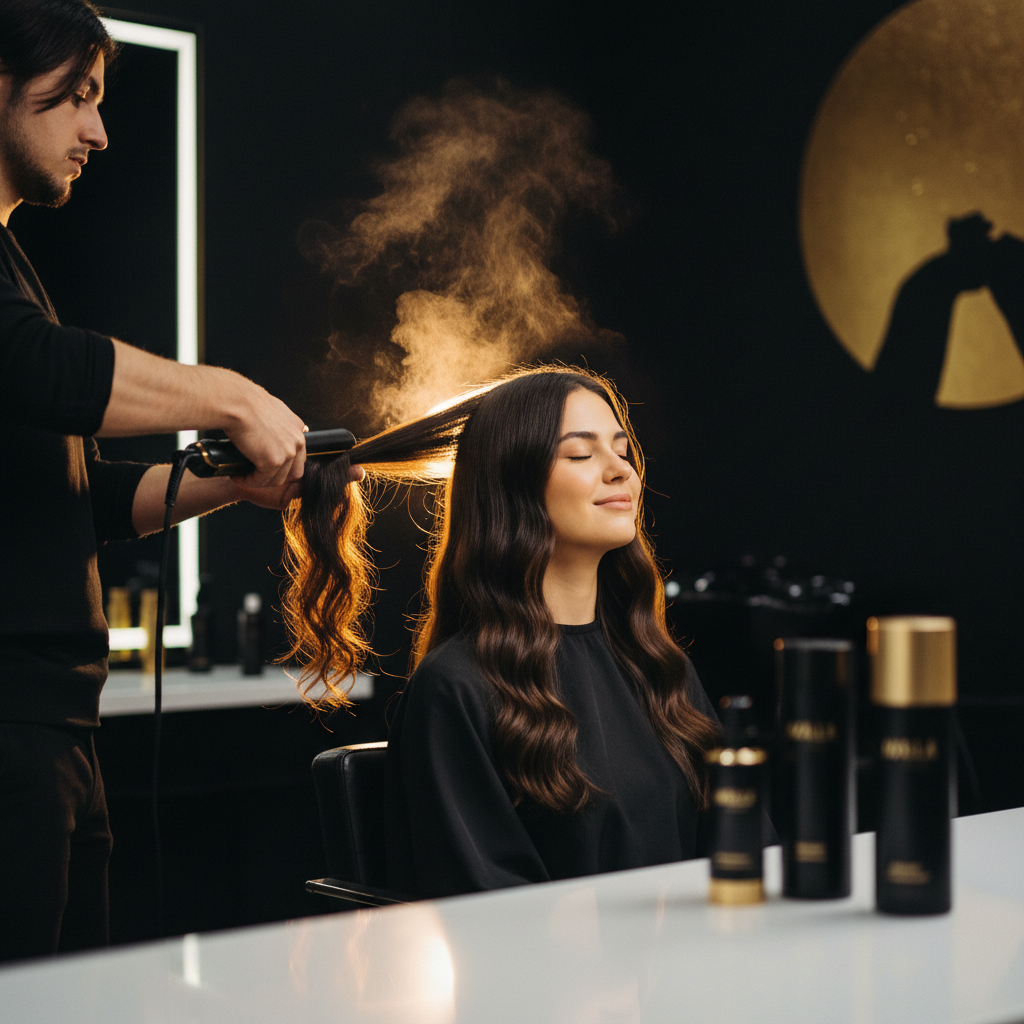
Quick answer: Hair straightening encompasses a range of techniques, from temporary heat styling to permanent chemical processes, designed to alter the hair's natural texture into a straighter form. These methods work by temporarily or permanently disrupting the hair's structural bonds. While effective for achieving sleek looks, many Hair Straightening methods, particularly those involving high heat or strong chemicals, carry a risk of hair damage if not performed correctly or if aftercare is neglected.
Key takeaways
- Hair straightening methods range from temporary (heat styling) to semi-permanent (keratin treatments) and permanent (relaxers, thermal reconditioning).
- Temporary methods alter hydrogen bonds, which are easily reversed by humidity or water.
- Permanent chemical methods restructure the hair's disulfide bonds, providing long-lasting straightness for the treated hair.
- High heat and strong chemicals used in Hair Straightening can lead to significant hair damage, including breakage, dryness, and reduced elasticity.
- Choosing the right method for your hair type and providing diligent aftercare are crucial for minimising damage.
- Always consult with a professional stylist, especially for chemical or high-heat straightening services, to ensure proper application and minimise risks.
Hair Straightening: what the evidence shows
Hair straightening refers to processes that intentionally modify the hair fibre's natural curl or wave pattern to achieve a smoother, straighter appearance. The effectiveness and longevity of these methods depend on the specific chemical bonds targeted within the hair shaft. Hair consists primarily of keratin proteins, which are arranged in a complex structure held together by various bonds, including hydrogen bonds, ionic bonds, and disulfide bonds.
Temporary straightening methods, such as blow drying and flat ironing, primarily work by breaking and reforming the weaker hydrogen bonds within the hair. These bonds are susceptible to water; they break when hair is wet and reform as it dries. When heat is applied while drying, the hair can be manipulated into a straight configuration, and the hydrogen bonds reform to hold this new shape. However, this effect is temporary and easily reversed by moisture, such as humidity or re-wetting the hair. While these methods offer flexibility, excessive heat can lead to thermal damage, weakening the hair shaft and making it prone to breakage.
Semi-permanent and permanent Hair Straightening techniques involve more significant alterations to the hair's structure. Semi-permanent treatments, often described as keratin treatments, typically involve coating the hair with protein-based solutions that are then sealed with heat. While not truly permanent, they can significantly reduce frizz and add smoothness for several weeks to months by temporarily modifying the hair's outer cuticle layer and, in some cases, partially altering internal bonds. Concerns have been raised regarding the presence of formaldehyde or formaldehyde-releasing chemicals in some formulations, which can pose health risks upon exposure.
Permanent straightening methods, such as chemical relaxers and thermal reconditioning (Japanese straightening), are designed to break and reform the strong disulfide bonds within the hair's cortex. Disulfide bonds are crucial for the hair's structural integrity and its natural curl pattern. By breaking these bonds, manually straightening the hair, and then reforming them in a new, straight configuration, these treatments achieve a lasting change to the hair structure. The treated hair will remain straight, but new hair growth will retain its natural texture. These processes are highly effective but carry the highest risk of chemical damage, requiring precise application and careful aftercare to prevent hair breakage and scalp irritation.
The mechanism behind Hair Straightening
The fundamental principle behind Hair Straightening is the manipulation of the hair's chemical bonds. The outer layer of the hair, the cuticle, protects the inner cortex. The cortex contains keratin proteins arranged in helices, which are interconnected by different types of bonds.
- Hydrogen Bonds: These are weak, physical bonds that are easily broken by water and heat. They are responsible for temporary shape changes. When hair is blow-dried or flat-ironed, water evaporates, and heat is applied, breaking existing hydrogen bonds. The hair is then physically straightened, and new hydrogen bonds reform to hold the hair in its new straight configuration. The effect lasts until the hair gets wet again or encounters high humidity.
- Disulfide Bonds: These are strong, covalent chemical bonds that provide significant structural integrity and determine the hair's natural curl pattern. Permanent Hair Straightening treatments chemically break these bonds using reducing agents (like thioglycolates or hydroxides). Once broken, the hair is physically straightened, and then an oxidising agent (neutraliser) is applied to reform the disulfide bonds in their new, straight alignment. This process permanently alters the hair's shape.
- Salt Bonds (Ionic Bonds): These are also weak bonds, similar to hydrogen bonds, that contribute to hair structure and are affected by pH changes. While not the primary target of most straightening methods, the highly alkaline nature of some chemical relaxers can affect these bonds.
Keratin treatments often involve applying protein solutions that, with heat, form a protective layer on the hair shaft. Some formulations contain aldehydes that react with the hair's keratin, partially modifying some bonds, but not to the extent of permanent relaxers. This coating smooths the cuticle, reduces frizz, and imparts a straighter appearance without permanently breaking the strong disulfide bonds.
Signs of damage from Hair Straightening
Repeated or improper Hair Straightening, especially with high heat or harsh chemicals, can lead to significant hair damage. Recognising these signs early can help you adjust your routine and prevent further issues. Look out for:
- Increased breakage: Hair snapping along the shaft, often appearing as short, uneven strands or excessive hair on brushes and clothing. This is distinct from hair shedding (telogen effluvium) or hair loss (alopecia).
- Dryness and brittleness: Hair that feels rough, stiff, or straw-like, lacking its natural moisture and flexibility. The cuticle can become raised, leading to moisture loss.
- Split ends: The ends of hair strands splitting into two or more sections, indicating cuticle damage.
- Dullness and lack of shine: Damaged cuticles reflect light poorly, making hair appear lifeless and dull.
- Reduced elasticity: Healthy hair can stretch without breaking. Damaged hair will snap easily when stretched.
- Frizz: Paradoxically, damaged hair can become more prone to frizz, as the lifted cuticle allows moisture to penetrate easily.
- Scalp irritation: Chemical straightening can cause redness, itching, burning, or even chemical burns on the scalp if the product is left on too long or applied improperly.
What you can do to protect your hair
If you regularly straighten your hair, adopting a protective routine can help minimise damage and maintain hair health:
- Use a heat protectant: Always apply a heat protectant spray or serum before blow drying or flat ironing. These products create a barrier that reduces direct heat transfer and helps distribute heat more evenly, often containing silicones or polymers that lubricate the hair shaft. For more information, see our guide on Heat Styling Safety Best Practices.
- Limit heat exposure: Use the lowest effective temperature setting on heat tools. Pass the flat iron over each section of hair only once or twice. Consider reducing the frequency of heat styling.
- Moisturise regularly: Heat and chemical treatments strip moisture. Incorporate deeply moisturising conditioners and hair masks into your routine. Ingredients like ceramides, hyaluronic acid, and natural oils can help replenish lost moisture. For insight into how these work, read The Science of Conditioners.
- Protein treatments: Chemically straightened hair benefits from occasional protein treatments to help reinforce the hair structure. However, balance is key, as too much protein can make hair stiff. Look for products that combine protein with moisturising ingredients.
- Gentle cleansing: Use sulfate-free shampoos to avoid stripping natural oils and moisture. Refer to Sulfate-Free Shampoo Benefits for more information.
- Air dry where possible: Allow hair to air dry partially or fully before blow drying to reduce heat exposure time.
- Professional application: For chemical straightening (relaxers, thermal reconditioning), always seek a qualified and experienced professional. They can assess your hair type, apply the products correctly, and minimise the risk of over-processing or scalp burns.
- Trim regularly: Schedule regular trims to remove split ends and prevent them from travelling further up the hair shaft.
- Protect from humidity: If you've used temporary straightening methods, be aware that humidity can reverse the effects. Consider anti-frizz products to help seal the cuticle.
When to get professional advice
While some Hair Straightening is done at home, certain situations warrant professional intervention to protect your hair and scalp health:
- Chemical treatments: If you are considering chemical relaxers or thermal reconditioning, a professional stylist is essential. These procedures involve strong chemicals that, if misapplied, can cause severe hair breakage, chemical burns, and scalp damage. A professional can assess your hair's condition and porosity, recommend the most suitable treatment, and ensure correct application.
- Persistent damage: If you notice significant breakage, extreme dryness, or scalp irritation despite home care, consult a trichologist or dermatologist. These professionals can diagnose underlying issues and recommend targeted treatments.
- Allergic reactions: Any signs of allergic reaction on the scalp or skin after using a straightening product (even temporary ones) should prompt medical consultation.
- Unsatisfactory results: If previous straightening attempts have left your hair unevenly straightened, damaged, or unresponsive, a professional stylist can help determine the best course of action.
Comparison of Hair Straightening Methods
Understanding the differences between Hair Straightening methods can help you make an informed choice based on your hair type, desired longevity, and tolerance for chemical exposure and heat.
| Method | Duration | Primary Mechanism | Potential Concerns |
|---|---|---|---|
| Blow Drying | Temporary | Breaks/reforms hydrogen bonds with heat | Thermal damage, frizz if not done correctly, effect reversed by humidity or water |
| Flat Ironing | Temporary | Breaks/reforms hydrogen bonds with direct heat/pressure | Significant thermal damage (cuticle lifting, protein denaturation, moisture loss), reversion |
| Keratin Treatments | Semi-Permanent | Coats hair shaft with protein, mild bond modification | Formaldehyde exposure (in some formulations), product build-up, cost, can alter curl pattern |
| Chemical Relaxers | Permanent | Breaks/reforms disulfide bonds with strong alkalis | Severe chemical damage, breakage, scalp burns, requires professional application |
| Thermal Reconditioning | Permanent | Breaks/reforms disulfide bonds with chemicals and heat | Extensive processing time, high skill required, significant damage risk, very straight results |
Frequently asked questions about Hair Straightening
Can Hair Straightening cause hair loss?
Hair straightening itself, particularly temporary heat styling or chemical processing, does not directly cause follicular hair loss or alopecia in the way a medical condition would. However, improper or excessive use of heat tools and strong chemical relaxers can lead to significant hair breakage, which can mimic the appearance of thinning hair. Chemical burns on the scalp from relaxers can also damage hair follicles, potentially leading to localised scarring alopecia if severe. Differentiating between breakage and hair loss is crucial; if you suspect true hair loss, consult a healthcare professional.
How long does permanent Hair Straightening last?
Permanent Hair Straightening, whether via chemical relaxers or thermal reconditioning, permanently alters the chemical structure of the hair that has been treated. This means the straightened section of hair will remain straight until it is cut off. However, new hair growth from the scalp will retain your natural curl or wave pattern. Therefore, touch-up treatments are typically needed every 3 to 6 months, depending on your hair growth rate and how noticeable the demarcation line between new growth and straightened hair becomes.
Is it safe to straighten hair every day?
Daily heat straightening, especially with flat irons, is generally not recommended due to the cumulative thermal stress it places on the hair. While occasional use with proper heat protectant may be acceptable, daily high-heat exposure can lead to progressive cuticle damage, protein denaturation, and moisture loss, resulting in dry, brittle hair prone to breakage and split ends. Reducing the frequency of heat styling, using lower temperatures, and incorporating deep conditioning treatments can help mitigate damage.
What's the difference between hair straightening and hair relaxing?
While often used interchangeably, "hair straightening" is a broader term encompassing all methods to make hair straight, from temporary heat styling to permanent chemical processes. "Hair relaxing" specifically refers to a chemical process that uses alkaline agents (relaxers) to permanently break and reform the disulfide bonds in the hair, resulting in a relaxed, straighter texture. Therefore, all hair relaxing is a form of permanent hair straightening, but not all hair straightening is relaxing.
Can straightened hair still be healthy?
Yes, it's possible to maintain healthy hair even with regular straightening, but it requires diligent care. Key strategies include using heat protectants, moisturising and conditioning regularly with high-quality products, opting for sulfate-free shampoos, and limiting the frequency and intensity of heat or chemical exposure. For permanent straightening, choosing an experienced professional and following their aftercare advice is crucial. Regular trims and protecting hair from environmental stressors also contribute significantly to maintaining its health and integrity.
Supporting your hair after Hair Straightening with Watermans
Watermans products are formulated with ingredients to support healthy-looking hair and scalp, which is especially important if you engage in Hair Straightening. Our range aims to promote a healthy environment for hair growth and strengthen hair fibres, helping to counteract the potential drying and damaging effects of heat and chemical styling.
- Watermans Grow Me Hair Growth Shampoo and Conditioner: These products contain hydrolysed lupin protein, biotin, and niacinamide, which are known to help strengthen hair and reduce breakage. They gently cleanse and nourish, helping to maintain moisture balance without harsh sulphates that can strip chemically or heat-treated hair.
- Watermans Masque Me Hair Mask: A rich, moisturising treatment that can be used weekly to replenish moisture and improve hair elasticity. It helps to smooth the cuticle, reducing frizz and improving the overall condition of hair that may be stressed from straightening.
By incorporating these into your routine, you can help support your hair's resilience and maintain a healthier appearance, even when regularly using Hair Straightening methods.
Sources and references
- American Academy of Dermatology Association. "Hair Care: 10 Tips for Healthy Hair." aad.org
- British Association of Dermatologists. "Hair and Scalp." bad.org.uk
- Gavazzoni Dias, M. F. R. (2015). "Hair Cosmetics: An Overview." International Journal of Trichology, 7(1), 2-15. DOI: 10.4103/0974-7753.153926
- Robbins, Clarence R. (2012). Chemical and Physical Behavior of Human Hair. 5th ed. Springer. (University-level textbook on hair science)
- National Institutes of Health. "Formaldehyde: A Toxic Substance." niehs.nih.gov
- US Food & Drug Administration. "Straightening Products: What to Know About Hair-Smoothing Products." fda.gov