Hair Shine: Understanding and Enhancing Your Hair's Luster
11 min read ·
Hair Shine refers to the hair's ability to reflect light, a visual cue often associated with hair health and vitality. It primarily depends on the smoothness of the hair's outer layer, the cuticle. However, achieving consistent Hair Shine is complex, influenced by genetics, environment, and care practices.
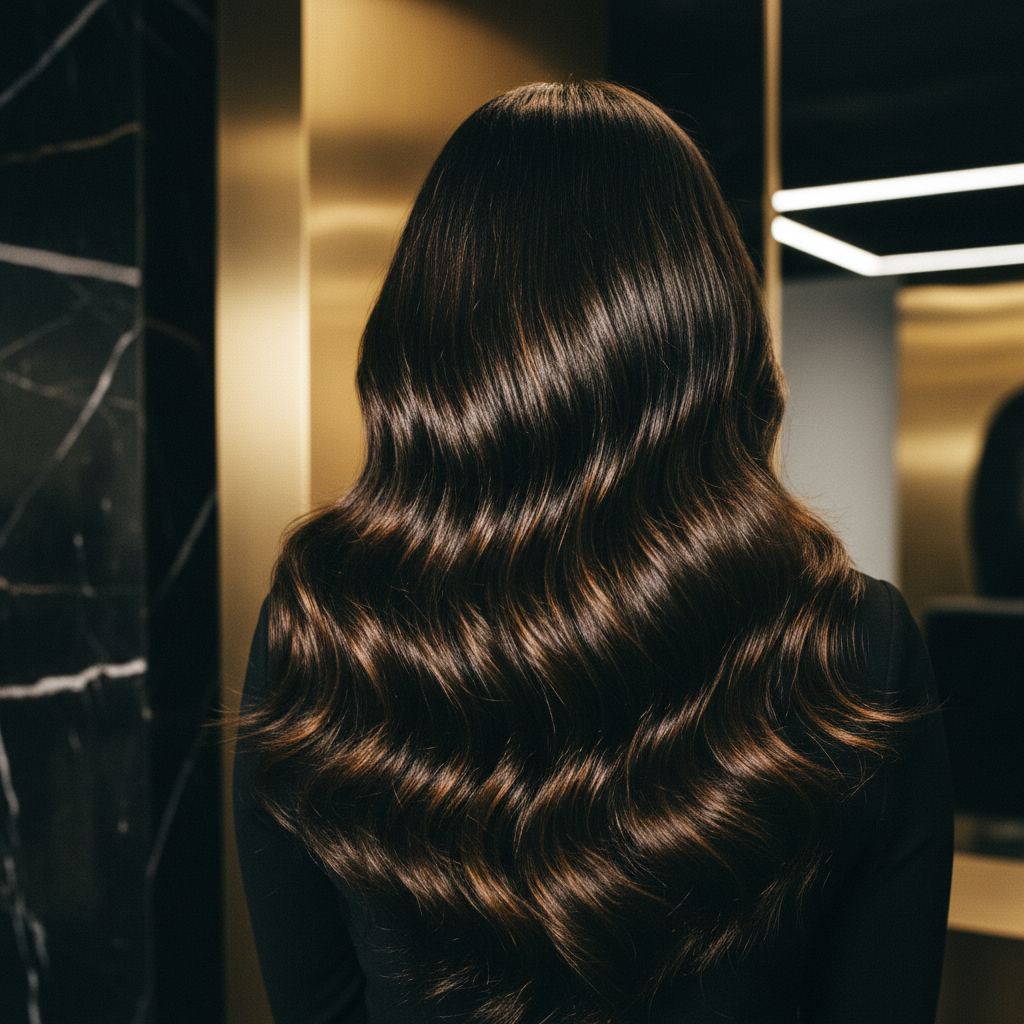
Quick answer: Hair Shine refers to the hair's ability to reflect light, which gives it a lustrous appearance, and is primarily determined by the condition of the hair's outer cuticle layer. When the cuticle is smooth and intact, light reflects evenly, enhancing shine. Achieving consistent Hair Shine is a multifaceted process, influenced by genetic factors, environmental conditions, and haircare routines, meaning there's no single "magic bullet" solution for everyone.
Key takeaways
- Hair Shine is a visual phenomenon caused by light reflecting off the hair's surface, primarily the cuticle layer.
- A smooth, intact cuticle allows for even light reflection, while damaged or raised cuticles scatter light, leading to a dull appearance.
- Hair hydration, internal hair structure, and external care practices significantly influence the degree of Hair Shine.
- Darker hair often appears shinier due to how its pigments interact with light, but this does not imply superior hair health.
- Effective strategies for enhancing Hair Shine include gentle cleansing, proper conditioning, avoiding excessive heat, and addressing underlying hair health issues.
Hair Shine: what the evidence shows
Hair Shine, often described as luster or gloss, is a direct result of how light interacts with the hair fibre. When light strikes the hair, some is absorbed, and some is reflected. The quality and intensity of this reflected light dictate how shiny or dull hair appears. The primary factor influencing this is the condition of the hair's outermost layer, the cuticle.
The Hair Cuticle and Light Reflection
The hair cuticle is composed of multiple layers of overlapping, tile-like cells. When these cells lie flat and smooth against the hair shaft, they create an even, uniform surface. This smooth surface acts like a mirror, reflecting light in a concentrated, specular manner, which the eye perceives as Hair Shine. Conversely, if the cuticle scales are lifted, chipped, or otherwise damaged, the hair surface becomes irregular. This rough surface causes light to scatter in many directions, leading to a diffused reflection that makes hair appear dull, rough, or frizzy. Research published in the Journal of Cosmetic Science consistently highlights the critical role of cuticle integrity in determining optical properties like shine and colour vibrancy.
Factors Influencing Hair Shine
Several factors contribute to or detract from the hair's ability to reflect light:
- Cuticle Integrity: As mentioned, a smooth, intact cuticle is paramount. Damage from chemical treatments, heat styling, vigorous brushing, or even environmental factors like UV radiation can lift or chip these scales, significantly reducing Hair Shine. This is why practices that preserve cuticle health are so important.
- Hair Hydration and Internal Structure: While the cuticle is key for surface reflection, the internal hydration of the hair fibre also plays a role. Well-hydrated hair tends to be more flexible and resilient, which indirectly supports cuticle health. Some studies suggest that the lipid content within the hair fibre can also influence its optical properties. When hair is adequately moisturised, it's less prone to the dryness and brittleness that can lead to cuticle damage.
- Hair Smoothness and Alignment: When individual hair strands lie parallel to each other, light reflection is maximised. Tangles, frizz, and unaligned strands disrupt this uniformity. This effect is particularly noticeable in curly or wavy hair, where the natural bends and twists can inherently scatter light more, often leading to a perception of less shine compared to straight hair, even if the cuticles are healthy.
- Hair Porosity: This refers to the hair's ability to absorb and retain moisture, which is directly linked to the cuticle. Low porosity hair, with its tightly bound cuticles, tends to appear shinier because it reflects more light. High porosity hair, with more open or raised cuticles, absorbs more light and scatters reflection, often appearing duller. Understanding your hair porosity can help in choosing appropriate products.
- Natural Oils (Sebum): Sebum, produced by the scalp, coats the hair shaft, providing a natural protective and smoothing layer that enhances shine. However, the balance is delicate: insufficient sebum can lead to dry, dull hair, while excessive sebum can make hair appear greasy rather than shiny. Factors like age, hormones, and scalp health (see: Sebum Regulation: Understanding and Managing Scalp Oiliness) influence sebum production.
- Hair Colour: Darker hair colours often appear to have more Hair Shine than lighter ones. This is because darker pigments absorb more light, making the reflected light appear more intense and concentrated. This is a visual phenomenon; it doesn't necessarily mean dark hair is inherently healthier or smoother at a microscopic level. For example, grey hair can sometimes appear less shiny due to structural changes and a lack of pigment.
What the Evidence Does Not Show
While many products claim to "repair" split ends or permanently seal a damaged cuticle, the evidence for true, lasting repair of a severely compromised cuticle is limited. Cosmetics can temporarily smooth, coat, and improve the appearance of Hair Shine, but they cannot reverse structural damage. Once the cuticle is extensively damaged, for instance, through chemical processing like permanent hair colouring (see: Hair Coloring Techniques: Understanding the Science Behind Hair Colour), cosmetic treatments primarily work by temporarily binding down the scales or coating the hair fibre to mimic a smooth surface. This is why regular trims are still essential for removing genuinely damaged ends.
Enhancing Hair Shine: Practical Approaches
Achieving and maintaining glossy hair involves a holistic approach, focusing on preserving cuticle health, optimising hydration, and using appropriate styling methods.
Haircare Practices for Luster
- Gentle Cleansing: Choose a gentle shampoo that effectively cleanses the scalp and hair without stripping essential natural oils or causing undue cuticle swelling. Over-washing or using harsh surfactants can lead to dryness and raised cuticles, diminishing Hair Shine. Consider using a clarifying wash periodically (see: How to Do a Clarifying Wash: A Guide to Deep Hair Cleansing) to remove product build-up that can also dull hair.
- Effective Conditioning: After shampooing, always use a conditioner. Conditioners are formulated to smooth the cuticle, detangle hair, reduce friction, and impart moisture, all contributing to improved Hair Shine. Ingredients like fatty alcohols and cationic surfactants in conditioners help to flatten the cuticle scales. Regular deep conditioning treatments can provide more intensive moisture and repair, improving overall hair health and shine. The Journal of Cosmetic Science often publishes studies on the efficacy of various conditioning agents.
- Cool Water Rinse: Rinsing the hair with cool or lukewarm water at the end of a wash can help to encourage the cuticle to lie flat, sealing in moisture and enhancing smoothness. Very hot water can swell the cuticle, making it more prone to damage.
- Minimising Heat Damage: Excessive heat from styling tools like flat irons, curling irons, and blow dryers can severely damage the cuticle, leading to lifted scales, frizz, and reduced Hair Shine. Always use a heat protection spray before applying heat, and opt for lower temperature settings whenever possible. Air-drying hair or using a diffuser on a cool setting when possible is beneficial.
- Protective Styling and Handling: Gentle handling of wet hair, using wide-tooth combs, and sleeping on smooth surfaces like silk or satin pillowcases can reduce mechanical friction and cuticle damage. Styles that minimise manipulation can also help preserve Hair Shine by preventing breakage and cuticle wear.
Product Selection for Enhanced Shine
When selecting haircare products, look for formulations designed to smooth the cuticle, provide hydration, and offer a protective coating.
Key Ingredients to Look For:
- Silicones: Ingredients like dimethicone and cyclomethicone form a thin, protective layer over the hair, smoothing the cuticle, reducing frizz, enhancing combability, and significantly boosting Hair Shine by creating an even surface for light reflection.
- Natural Oils and Butters: Ingredients such as argan oil, jojoba oil, coconut oil, and shea butter provide emollience, helping to seal the cuticle and add a natural lustre without feeling heavy. These also help to nourish and moisturise the hair fibre. Watermans uses ingredients like Argan Oil in some of its formulations.
- Hydrolysed Proteins: Proteins like wheat protein or keratin can temporarily fill small gaps in the cuticle, strengthening the hair and improving its surface smoothness, which contributes to shine. (See: Hydrolysed Wheat Protein: What It Is and How It Benefits Your Hair).
- Humectants: Ingredients like glycerin or hyaluronic acid attract and retain moisture from the air, helping to keep hair hydrated and supple, which supports overall hair health and shine (see: Humectants: Understanding How They Hydrate and Protect Your Hair).
- Antioxidants: Ingredients like Vitamin E or certain plant extracts can help protect the hair from environmental damage (e.g., UV radiation) that can degrade the cuticle and reduce Hair Shine over time.
Product Types to Boost Hair Shine
| Product Type | Primary Benefit | Application |
|---|---|---|
| Shampoos/Conditioners | Gentle cleansing, cuticle smoothing, moisturising | Daily or regular use |
| Leave-in Conditioners | Continuous hydration, detangling, cuticle sealing | After washing, before styling, or on dry hair |
| Hair Oils/Serums | Intensive shine, frizz control, heat protection | Small amount on damp or dry hair, post-styling |
| Heat Protection Sprays | Shield from heat damage, enhance smoothness | Before any heat styling |
| Glossing Treatments | Temporary shine boost, cuticle smoothing | As needed for special occasions or weekly treatment |
Lifestyle Considerations for Hair Shine
Beyond external care, internal health significantly impacts hair vitality and shine.
- Nutrition: A balanced diet rich in vitamins, minerals, and essential fatty acids supports healthy hair growth from within. Nutrients like biotin, zinc, iron, and Omega-3 fatty acids are particularly beneficial for hair strength, structure, and thus, its ability to reflect light well. A deficiency in these can contribute to dull, brittle hair. The British Nutrition Foundation provides comprehensive guidance on healthy eating.
- Hydration: Adequate water intake is crucial for overall bodily hydration, including the hydration of hair follicles and strands. Dehydration can lead to dry, brittle hair that lacks luster.
- Stress Management: Chronic stress can impact various bodily functions, including the hair growth cycle and overall hair health. While direct links to Hair Shine are complex, managing stress contributes to general well-being, which often reflects in healthier-looking hair.
- Environmental Protection: Protecting hair from harsh environmental elements like strong UV radiation, chlorine, and saltwater can prevent cuticle damage and maintain Hair Shine. Wearing hats or using UV-protective hair products can be helpful.
When the Cause May Be Something Else and When to Seek Professional Advice
If you are consistently experiencing dull, lacklustre hair despite following a comprehensive haircare routine, there might be underlying factors at play:
- Hard Water: Water with high mineral content (hard water) can leave mineral deposits on the hair shaft, leading to build-up that dulls Hair Shine and makes hair feel rough. Using a chelating shampoo or installing a shower filter can mitigate this (see: Hard Water and Hair Damage: Understanding the Impact on Your Hair).
- Product Build-up: Over time, residues from styling products, conditioners, or even shampoos can accumulate on the hair, creating a film that prevents light reflection. Regular clarifying washes can address this.
- Hair Damage: Significant damage from chemical processes (colouring, perms, relaxers) or excessive heat styling can cause irreparable cuticle damage. In these cases, improving Hair Shine may require consistent care, protective measures, and regular trims to remove the most damaged sections (see: Hair Damage: Causes, Signs, and Solutions).
- Medical Conditions: Certain medical conditions, nutritional deficiencies, or medications can impact hair health, leading to dullness, dryness, or hair shedding. If you suspect an underlying health issue is affecting your hair, or if dullness is accompanied by hair loss or significant texture changes, consult a dermatologist or your general practitioner. They can rule out conditions like thyroid disorders or nutrient deficiencies.
Frequently asked questions about Hair Shine
Can diet truly impact Hair Shine?
Yes, absolutely. A diet rich in essential nutrients like omega-3 fatty acids, vitamins (especially A, C, E, and B vitamins like biotin), and minerals (zinc, iron) supports the health of hair follicles and the structure of the hair fibre itself. Healthy hair growing from within is more likely to have a smooth cuticle and thus reflect light better, contributing to natural Hair Shine. Nutritional deficiencies can lead to brittle, dull hair.
Why does dark hair often appear shinier than light hair?
Darker hair colours often appear shinier due to how light interacts with the pigments (melanin) within the hair shaft. Dark hair absorbs more ambient light, and the light it does reflect tends to be more concentrated and specular, giving an illusion of higher gloss. Lighter hair, with less pigment, scatters light more broadly, which can make it appear less shiny, even if its cuticle is equally smooth and healthy.
Do hair oils really make hair shinier?
Many hair oils can indeed enhance Hair Shine. They work by coating the hair fibre, helping to smooth down the cuticle scales and fill in any surface irregularities. This creates a more uniform surface for light reflection, boosting gloss. Additionally, oils can provide moisture, reducing frizz and improving overall hair texture. However, using too much oil can lead to a greasy appearance rather than desirable shine.
How often should I clarify my hair to maintain shine?
The frequency of clarifying washes depends on your hair type, product usage, and water quality. For most people, clarifying once a month is sufficient to remove product build-up and hard water mineral deposits that can dull Hair Shine. If you use many styling products or live in a hard water area, you might benefit from clarifying every two to three weeks. Always follow with a good conditioner.
Is "Hair Shine" the same as "Hair Luster"?
Yes, the terms "Hair Shine" and "Hair Luster" are often used interchangeably in haircare to describe the visual quality of reflected light from the hair surface. Both refer to the hair
Find these ingredients in Watermans products
- Zinc: you will find this ingredient in our Hair Vitamins.
- Shea Butter: you will find this ingredient in our Curly Hair Conditioner.