Hair Shedding: What It Is and Why It Happens
5 min read ·
Understanding Hair Shedding: What It Is and Why It Happens is crucial for anyone concerned about their hair health.

Quick answer: Hair Shedding: What It Is and Why It Happens describes the normal biological process where old hairs detach from the scalp and are replaced by new ones, a natural part of the hair growth cycle. While shedding a certain amount daily is healthy, excessive shedding, known as telogen effluvium, often signals a temporary disruption in this cycle due to various factors. It's important to distinguish shedding from hair loss, which involves a reduction in hair density due to follicular changes, and from breakage, which affects the hair shaft itself. Understanding the difference helps in addressing concerns effectively.
Key takeaways
- Normal vs. Excessive Shedding: It's normal to shed 50 to 100 hairs daily as part of the natural hair growth cycle. Exceeding this often indicates excessive shedding, known as telogen effluvium.
- Hair Growth Cycle: Hair follicles cycle through growth (anagen), transition (catagen), and resting (telogen) phases. Shedding primarily occurs during the telogen phase.
- Triggers of Excessive Shedding: Stress, illness, hormonal changes (like childbirth or thyroid issues), nutritional deficiencies, and certain medications can all trigger a temporary increase in shedding.
- Distinction from Hair Loss and Breakage: Hair shedding involves the entire hair strand falling out from the root. Hair loss refers to conditions where the hair follicle stops producing hair or produces thinner hair, while hair breakage is the snapping of the hair shaft.
- Typically Reversible: Most instances of excessive hair shedding (telogen effluvium) are temporary and resolve once the underlying cause is addressed, with hair growth usually returning to normal within 6 to 9 months.
Hair Shedding: What It Is and Why It Happens: what the evidence shows
Understanding Hair Shedding: What It Is and Why It Happens is fundamental to distinguishing a normal physiological process from a potential concern. The human scalp typically contains between 100,000 and 150,000 hair follicles, each operating independently through a cyclical growth pattern. This cycle consists of three main phases: anagen (growth), catagen (transition), and telogen (resting). Shedding occurs when a hair follicle in the telogen phase releases its old hair to make way for a new one.
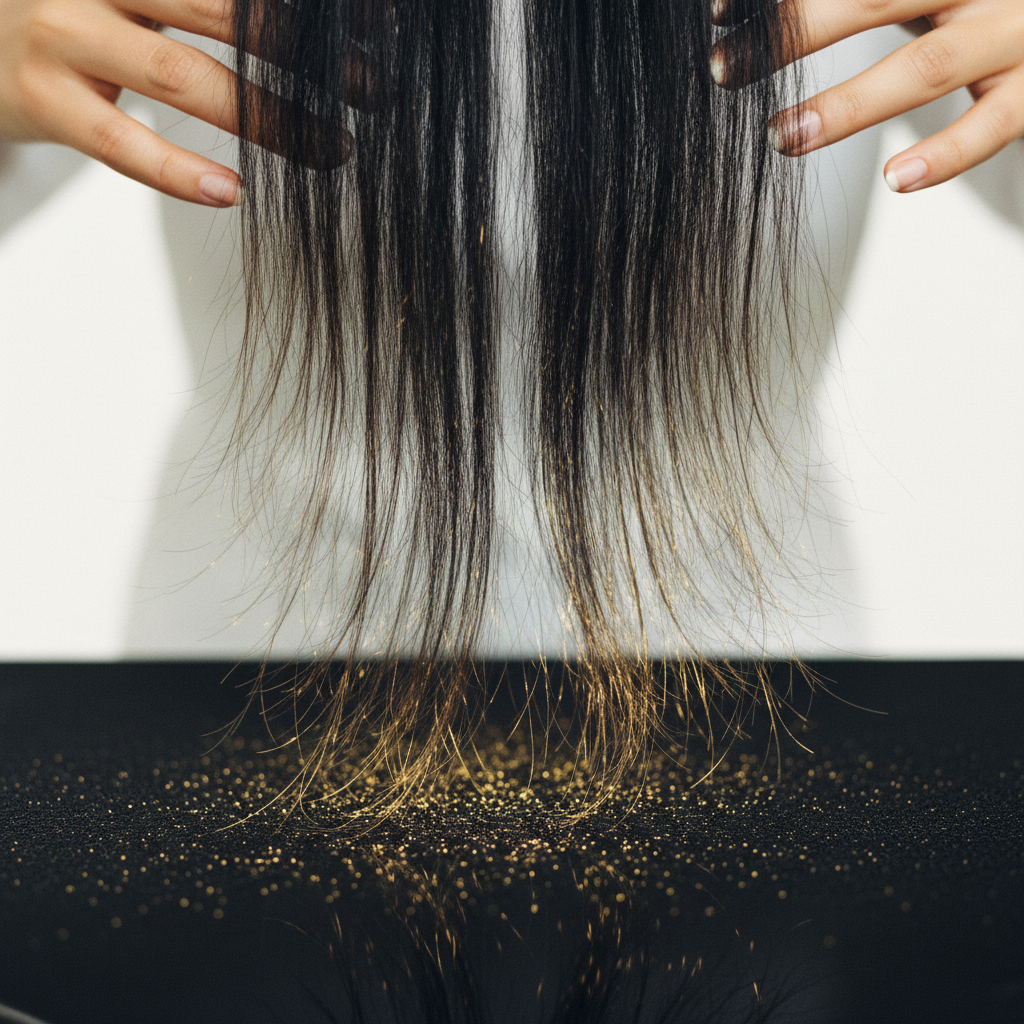
The Hair Growth Cycle Explained
- Anagen (Growth Phase): This is the longest phase, lasting from 2 to 7 years. During this time, hair cells divide rapidly, forming new hair fibres. Around 85% to 90% of your scalp hairs are in the anagen phase at any given time.
- Catagen (Transition Phase): A short transitional phase, lasting about 2 to 3 weeks. Hair growth stops, and the follicle shrinks. Only about 1% of hairs are in this phase.
- Telogen (Resting Phase): This phase lasts about 2 to 4 months. The hair is completely at rest, and the old hair is released from the follicle. Approximately 10% to 15% of your scalp hairs are in the telogen phase. Following this, a new anagen hair begins to grow, pushing out the old telogen hair, leading to shedding.
It is entirely normal to shed 50 to 100 hairs per day. This daily shedding is a natural part of the hair renewal process. You might notice more hairs coming out when washing or brushing your hair, simply because these actions help to dislodge hairs that have already completed their telogen phase.
What happens during excessive hair shedding (Telogen Effluvium)?
When you experience more significant shedding, it is often due to a condition called telogen effluvium. This happens when a higher-than-normal percentage of hairs prematurely enter the telogen (resting and shedding) phase. Instead of the usual 10% to 15%, up to 30% or more of hairs might shift into this resting phase, leading to noticeable hair fall. The shedding typically begins about 2 to 4 months after the trigger event, as it takes this long for hairs to complete the catagen and telogen phases.
Common triggers for excessive hair shedding
Several factors can disrupt the hair growth cycle and lead to increased shedding:
- Stress: Significant emotional or physical stress, such as major surgery, severe illness (including fever or infection), or emotional trauma, can push a large number of growing hairs into the resting phase.
- Hormonal Changes:
- Childbirth: Many women experience increased shedding a few months after giving birth due to the rapid drop in oestrogen levels. This is known as postpartum telogen effluvium and usually resolves within 6 to 12 months.
- Thyroid Issues: Both an overactive (hyperthyroidism) and underactive (hypothyroidism) thyroid can disrupt hormone balance and lead to hair shedding.
- Menopause: Hormonal shifts during menopause can also be a factor.
- Nutritional Deficiencies: A lack of essential nutrients can impact hair health. Iron deficiency (anaemia), severe protein restriction, and deficiencies in certain vitamins (like Vitamin D or B vitamins) can contribute to shedding. However, evidence is mixed on the specific impact of minor deficiencies.
- Medications: Certain medications can cause hair shedding as a side effect. These include blood thinners, retinoids, some antidepressants, beta-blockers, and chemotherapy drugs. It is always important to discuss any concerns with your prescribing doctor.
- Rapid Weight Loss: Significant or rapid weight loss, especially if achieved through restrictive diets, can put the body under stress and trigger shedding.
- Acute Illness: High fevers, severe infections (like flu or COVID-19), or chronic illnesses can cause a temporary shock to the system, leading to shedding a few months later.
- Scalp Conditions: Inflammatory scalp conditions can sometimes affect the hair follicles, although this is less common as a direct cause of generalised telogen effluvium.
What the evidence does not clearly show
While many factors are known to trigger telogen effluvium, pinpointing the exact cause can sometimes be challenging, and controlled research has not found direct links for all proposed triggers. For instance, while stress is widely cited, quantifying its precise impact on hair shedding for every individual remains complex. Similarly, specific thresholds for all nutritional deficiencies causing shedding are not always definitively established in large-scale studies.
There is currently insufficient evidence to conclude that cosmetic products, including shampoos or conditioners, directly cause telogen effluvium unless they trigger a severe allergic reaction or scalp irritation. Their role is primarily in managing the appearance and condition of the hair fibre, not in regulating the hair growth cycle within the follicle.
When the cause may be something else
It

Find these ingredients in Watermans products
- Vitamin D: you will find this ingredient in our Hair Vitamins.