Hair Repair: Understanding and Restoring Hair Health
7 min read ·
Hair repair focuses on reversing damage to the hair shaft and restoring its strength, elasticity, and shine through various treatments and practices.
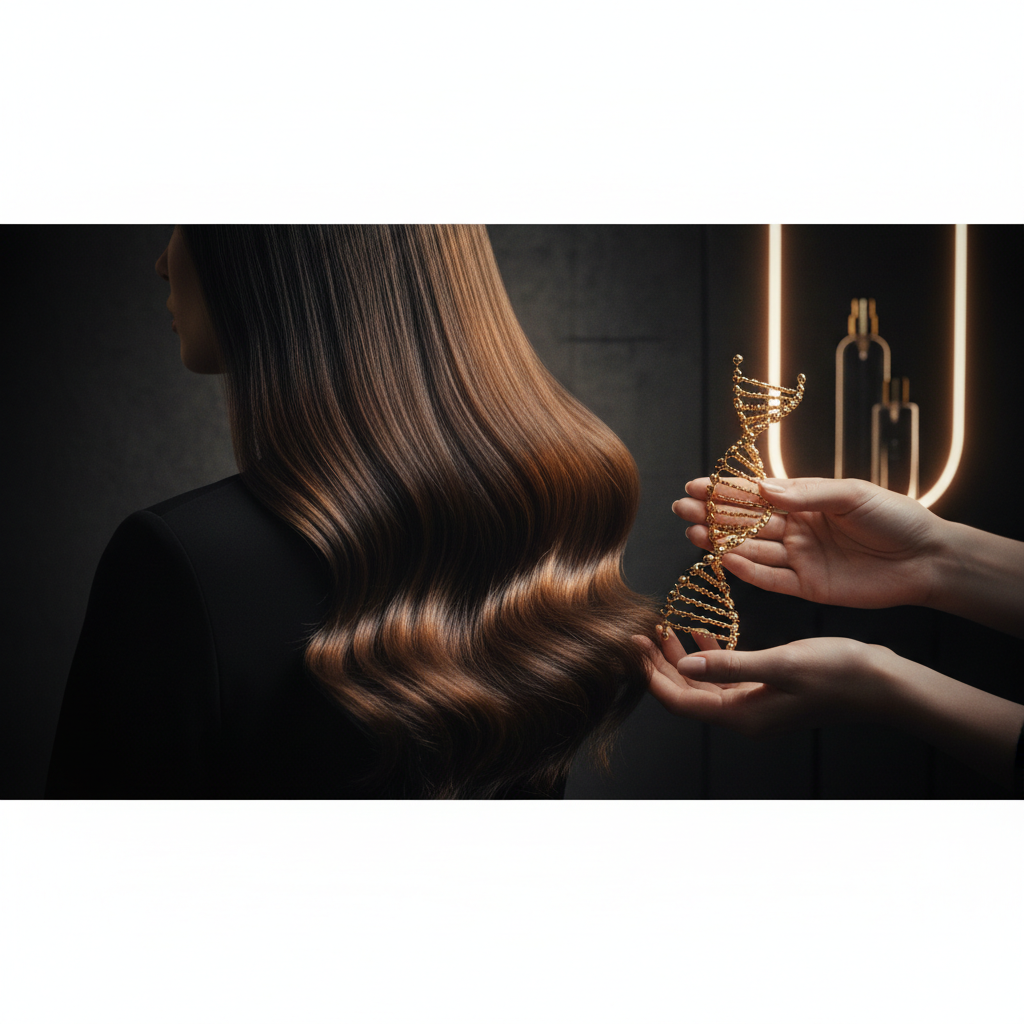
Hair repair encompasses a range of treatments and practices aimed at restoring the health, strength, and appearance of hair that has been compromised by various forms of damage. Understanding the nature of hair damage is the first step toward effective repair.
Understanding Hair Damage
Hair damage occurs when the cuticle, the outermost protective layer of the hair, is lifted, chipped, or completely removed, exposing the inner cortex. The cortex provides hair with its strength and elasticity, and when exposed, it becomes vulnerable to further deterioration.
Damage can manifest in several ways:
- Breakage: The hair strand snaps, often due to weakened protein structures.
- Split Ends (Trichoptilosis): The hair shaft splits at the end, typically due to weathering and mechanical stress.
- Dullness: The cuticle is rough or lifted, preventing light from reflecting evenly.
- Dryness: The hair loses its natural moisture and becomes brittle.
- Frizz: The cuticle is raised, allowing moisture from the air to penetrate the cortex, causing swelling and a rough texture.
- Loss of Elasticity: The hair stretches more than usual and struggles to return to its original state, often indicating internal protein damage.
Common Causes of Hair Damage
Recognizing the sources of damage is crucial for prevention and effective repair strategies.
Chemical Processes
Chemical treatments significantly alter the hair's structure for styling purposes. They can also be highly damaging if not performed correctly or if done too frequently.
- Coloring and Bleaching: These processes involve alkaline chemicals (like ammonia) that swell the hair shaft and open the cuticle to allow dyes or bleaching agents (like hydrogen peroxide) to penetrate. During bleaching, melanin (the pigment) is oxidized, which can degrade the hair's protein structure, particularly the disulfide bonds.
- Perms and Relaxers: These treatments break and reform the hair's disulfide bonds to permanently alter its texture. The chemicals involved (e.g., thioglycolate for perms, sodium hydroxide for relaxers) are strong and can severely weaken the hair if misused.
Heat Styling
Direct heat from styling tools like flat irons, curling irons, and blow dryers can cause immediate and cumulative damage. Temperatures above 180°C (around 350°F) can denature keratin, the primary protein in hair. This leads to:
- Cracked Cuticles: High heat can cause the cuticle layer to crack and lift.
- Internal Micro-Bubbles: Water inside the hair shaft can flash-boil, creating bubbles that weaken the hair structure.
- Colour Fading: Heat can accelerate the oxidation of hair dyes.
Mechanical Stress
Physical manipulation of hair often leads to damage over time.
- Brushing and Combing: Aggressive brushing, especially on wet hair, where strands are more elastic and fragile (due to hydrogen bonds being broken by water), can cause breakage and cuticle damage. Wet tensile strength is typically 30% lower than dry tensile strength.
- Tight Hairstyles: Constant pulling from braids, ponytails, or hair extensions can cause traction alopecia (hair loss due to persistent pulling) and breakage along the hair shaft.
- Towel Drying: Rubbing hair vigorously with a towel creates friction, roughing up the cuticle and leading to frizz and breakage.
Environmental Factors
External elements can also contribute to hair degradation.
- UV Radiation: Prolonged exposure to sunlight can damage the hair protein and degrade hair colour. UV-B radiation specifically targets the hair's disulfide bonds.
- Chlorine and Saltwater: Chlorine, a disinfectant, can strip hair of its natural oils and react with trace metals in the hair, sometimes leading to discoloration and dryness. Saltwater can draw moisture out of the hair, leading to dehydration.
Principles of Hair Repair
True hair "repair" often means mitigating existing damage and preventing further harm, as deeply compromised hair structures cannot be fully reversed. The focus is on improving the hair's condition and appearance.
Protein Reinforcement
Keratin is the main protein in hair. When hair is damaged, these protein structures are weakened or broken. Protein treatments aim to temporarily fill gaps in the cuticle and cortex, adding strength and reducing breakage.
- Hydrolyzed Proteins: These are proteins broken down into smaller peptides and amino acids, allowing them to penetrate the hair shaft or adhere to its exterior. Examples include hydrolyzed wheat protein, soy protein, and keratin.
- Mechanism: These proteins can form a temporary scaffold that reinforces the hair, improving its tensile strength and elasticity. They can also reduce porosity by smoothing the cuticle.
Moisture Restoration
Damaged hair often struggles to retain moisture. Hydration treatments are essential for restoring flexibility and softness.
- Humectants: Ingredients like glycerin, hyaluronic acid, and panthenol (Vitamin B5) attract and bind water to the hair, increasing its moisture content.
- Emollients: Oils (e.g., argan oil, jojoba oil) and fatty alcohols (e.g., cetyl alcohol, stearyl alcohol) smooth the cuticle, reduce friction, and provide a protective barrier to lock in moisture.
- Occlusives: Ingredients like silicone derivatives (e.g., dimethicone) or some heavier oils create a physical barrier on the hair surface, preventing water loss.
Acidic pH Balance
Healthy hair and scalp typically have an acidic pH, ranging from 4.5 to 5.5. Many damaging chemical processes are alkaline, causing the cuticle to swell and open. Using products with an acidic pH helps to:
- Seal the Cuticle: An acidic environment causes the cuticle scales to lie flat, increasing shine, reducing frizz, and improving moisture retention.
- Neutralize Alkalinity: This is particularly important after alkaline chemical treatments.
Practical Hair Repair Strategies
An effective hair repair regimen combines targeted treatments with protective practices.
Deep Conditioning and Masks
These are intensive treatments designed to deliver concentrated doses of moisturising, conditioning, and sometimes protein-rich ingredients. They are typically left on the hair for an extended period (10-30 minutes) to allow for deeper penetration and conditioning. Use 1-2 times per week for damaged hair.
Protein Treatments
These treatments vary in intensity from light, frequent use products to intensive, occasional salon treatments. They are crucial for restoring elasticity and strength to chemically processed or heat-damaged hair. Overuse can lead to stiff, brittle hair (protein overload), so balance with moisturising treatments is key.
| Type of Damage | Recommended Approach |
|---|---|
| Mild Dryness/Dullness | Regular use of a moisturising shampoo and conditioner. A weekly deep conditioner. |
| Heat Damage | Daily use of leave-in conditioners and heat protection sprays. Bi-weekly protein treatment balanced with deep moisture masks. Reduce heat styling frequency. |
| Chemical Damage (Colour/Perm) | Fortnightly, then monthly, intensive protein treatments to rebuild bonds and strengthen hair. Daily use of gentle, pH-balanced, sulfate-free shampoos and conditioners. Regular use of deep conditioning masks. Address porosity with bond-building treatments if available. |
| Breakage/Split Ends | Regular trims to remove damaged ends. Use of bond-building treatments and protein-rich leave-ins. Gentle handling of hair. Avoidance of abrasive styling. |
Leave-in Conditioners and Serums
Applied after washing and before styling, these products provide continuous hydration, detangling, and protection from environmental aggressors and styling friction. Serums often contain silicones or natural oils to smooth the cuticle and add shine.
Heat Protection
Always use a heat protection spray or cream before applying heat styling tools. These products contain polymers and silicones that form a protective barrier on the hair shaft, reducing direct heat transfer and distributing heat more evenly, which can lower the effective temperature of the tools on the hair.
Gentle Hair Care Practices
- Shampooing: Use a sulfate-free and pH-balanced shampoo. Focus on cleansing the scalp and allow the lather to run down the hair shaft rather than scrubbing the lengths.
- Conditioning: Always follow with a conditioner to detangle and smooth the cuticle.
- Detangling: Use a wide-tooth comb and start detangling from the ends, working upwards. Gently remove knots rather than pulling through them. Apply a leave-in detangler to wet hair.
- Drying: Blot hair gently with a microfiber towel instead of rubbing vigorously. Air-dry when possible.
- Styling: Avoid tight hairstyles that put stress on the hair shaft and scalp. Use satin or silk pillowcases to reduce friction while sleeping.
The Role of Watermans Hair
Watermans Grow Me Shampoo and Conditioner are formulated with hydrolyzed lupin protein, which helps to reinforce the hair shaft, improving its strength and reducing breakage. The blend of vitamins and antioxidants further supports scalp health, providing an optimal environment for existing hair to thrive and appear healthier. These products are pH-balanced to help maintain cuticle integrity and are designed to be gentle on damaged hair, focusing on nourishing the hair from root to tip.
Find these ingredients in Watermans products
- Argan Oil, you will find this ingredient in our Hair Growth Shampoo.