Hair Relaxing: A Comprehensive Guide to the Chemical Straightening Process
13 min read ·
Hair Relaxing is a chemical process designed to permanently straighten curly or coily hair by altering its protein structure.
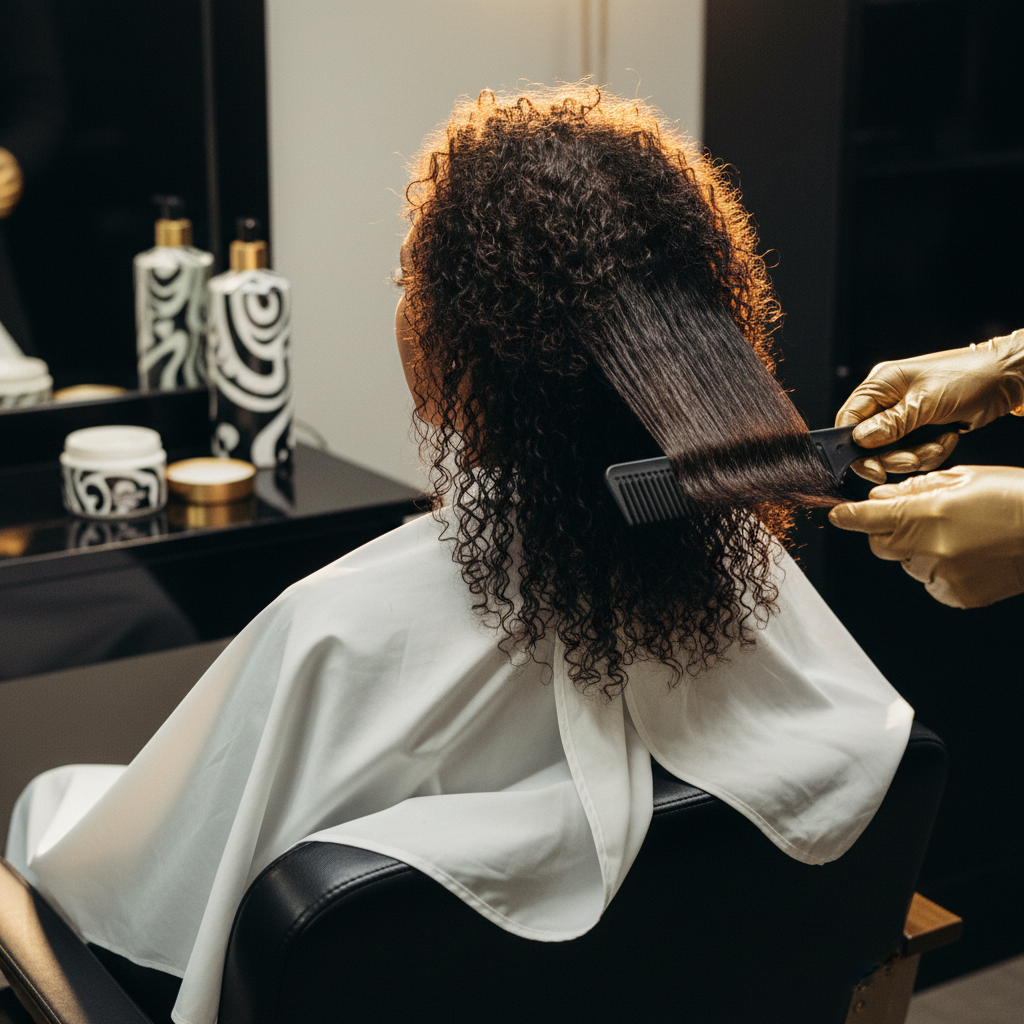
Quick answer: Hair Relaxing is a chemical treatment that permanently straightens naturally curly, coily, or kinky hair. It works by chemically breaking and reforming the disulfide bonds within the hair's protein structure, resulting in a straighter fibre. While effective for altering hair texture, it is a potent chemical process that requires careful application, strict aftercare, and carries risks including potential hair damage and scalp irritation if not performed correctly. Regular touch-ups are needed for new growth.
Key takeaways
- Hair Relaxing permanently alters the hair's natural curl pattern by breaking and reforming internal disulfide bonds.
- The primary active ingredients are strong alkaline chemicals, typically sodium hydroxide (lye relaxers) or calcium hydroxide and guanidine carbonate (no-lye relaxers).
- Both lye and no-lye relaxers operate at high pH levels, significantly above hair's natural pH, making careful application crucial to minimise damage.
- Potential risks include chemical burns to the scalp, significant hair breakage, and dryness if the process is mishandled or aftercare is inadequate.
- Proper aftercare, including gentle cleansing, deep conditioning, and moisturising, is vital to maintain the health of relaxed hair.
- Professional application and adherence to strict timing and safety protocols are strongly recommended for Hair Relaxing.
Hair Relaxing: what the evidence shows
Hair Relaxing is a chemical process that permanently modifies the structure of hair fibres to achieve a straighter appearance. This alteration occurs at a molecular level, specifically targeting the disulfide bonds within the hair's cortex. These bonds are responsible for the hair's natural shape and strength. Breaking and then reforming these bonds in an elongated, straightened configuration results in a lasting change to the hair texture.
The most common active ingredients in hair relaxers are strong alkaline chemicals, primarily sodium hydroxide in "lye" relaxers, and a combination of calcium hydroxide and guanidine carbonate in "no-lye" relaxers. Both types work by raising the hair's pH significantly (often to 9-14), causing the hair shaft to swell and its protective outer layer, the cuticle, to lift. This allows the alkaline chemicals to penetrate the cortex and access the disulfide bonds. The process of Hair Relaxing involves three key phases: bond breakage, physical straightening, and neutralisation.
How the chemical mechanism works
When a relaxer is applied, its high alkalinity causes a process called lanthionisation. The hydroxide ions from the relaxer attack the cystine amino acids, which form the disulfide bonds. This reaction breaks these bonds and, through a series of complex chemical steps, converts some of the cystine into lanthionine. Unlike disulfide bonds, lanthionine bonds are irreversible and contribute to the permanent nature of the straightening. The more disulfide bonds converted to lanthionine, the straighter the hair becomes, but also the more potential for weakening the hair structure.
During the processing time, the hair is gently combed or smoothed into a straight configuration. Once the desired level of straightness is achieved, the relaxer must be thoroughly rinsed out. A neutralising shampoo, often acidic, is then applied. This step is critical. It lowers the hair's pH, halts the chemical reaction, and helps to close the hair's cuticle, thereby "locking in" the new straight shape. Neutralisation also helps to prevent further damage that could occur if residual alkaline chemicals remain on the hair or scalp.
The types of relaxers available
While all relaxers function on the same principle of chemically altering disulfide bonds, their specific chemical formulations vary. These differences primarily impact the pH level, speed of action, and potential side effects.
| Relaxer Type | Active Ingredients | Typical pH Range | Speed of Action | Primary Concerns |
|---|---|---|---|---|
| Lye Relaxer | Sodium Hydroxide | 12 to 14 | Very fast | High potential for scalp burns, irritation, and significant hair damage if over-processed or applied incorrectly; requires careful skill. |
| No-Lye Relaxer | Calcium Hydroxide + Guanidine Carbonate | 9 to 11 | Moderate | Can be drying to hair, potentially leading to increased breakage over time. Can leave mineral deposits on the hair, requiring clarifying washes. Some studies suggest it can be just as damaging as lye relaxers if misused. |
Lye relaxers, containing sodium hydroxide, are generally considered the strongest and fastest-acting. Their very high pH allows for rapid penetration and bond alteration. This potency means they can achieve significant straightening quickly, but also carry a higher risk of scalp burns and severe hair damage if applied incorrectly or left on for too long.
No-lye relaxers, typically based on calcium hydroxide and guanidine carbonate, are often marketed as gentler. While they may cause less immediate scalp irritation for some individuals, their chemical action can still be potent. Some research indicates that no-lye relaxers can lead to increased hair dryness and brittleness over time due to the formation of calcium deposits on the hair shaft, which may require regular clarifying washes (see 'How to Do a Clarifying Wash: A Guide to Deep Hair Cleansing'). There is mixed evidence on whether no-lye relaxers are genuinely less damaging to the hair fibre than lye relaxers in the long term, with some studies suggesting similar damage potential when misused.
What Hair Relaxing does not show
Scientific evidence does not support claims that Hair Relaxing treatments improve hair health or stimulate hair growth. The process is designed solely to alter hair texture. While hair may appear smoother and easier to manage, this is a cosmetic effect of straightening the fibre, not an improvement in the hair's structural integrity or vitality. In fact, due to the chemical nature of the process, relaxed hair is inherently more fragile and prone to damage than unrelaxed hair.
Controlled research has not found that Hair Relaxing prevents or treats any form of hair loss (alopecia) or excessive hair shedding (telogen effluvium). Any perceived reduction in shedding might be due to the hair being physically smoother and less prone to tangling, rather than a biological change in the hair follicle's growth cycle. Furthermore, chronic scalp irritation or damage from relaxers can, in some cases, contribute to specific types of scarring alopecia if the hair follicles are repeatedly and severely damaged.
The signs of damage from Hair Relaxing
When Hair Relaxing is performed improperly, or when aftercare is neglected, the hair and scalp can show distinct signs of damage. Recognising these signs early is important for mitigating further issues.
- Excessive Hair Breakage: Relaxed hair, especially if over-processed, can become very brittle. You might notice short, broken hairs around the hairline, at the ends, or even further up the shaft. This is hair breakage, where the fibre snaps, not hair shedding from the follicle.
- Scalp Irritation and Burns: Redness, itching, burning sensations, scabs, or sores on the scalp after a relaxer treatment are signs of chemical burns. This can range from mild irritation to severe damage.
- Dryness and Brittleness: Relaxers can strip the hair of its natural oils, leaving it feeling rough, dry, and lacking elasticity. This increased porosity (see 'Understanding Hair Porosity: How Your Hair Absorbs and Retains Moisture') makes it difficult for hair to retain moisture.
- Thinning Hair: While not always direct hair loss from the root, severe breakage can lead to a significant reduction in hair density, making the hair appear thinner.
- Dullness: Hair that is over-processed or damaged often loses its natural shine and appears dull and lifeless.
- Lack of Elasticity: Healthy hair has some stretch. Damaged relaxed hair may snap easily when stretched, indicating a loss of elasticity.
What you can do to support relaxed hair
Maintaining the health of chemically relaxed hair requires a dedicated and consistent hair care routine focused on moisture, strength, and gentle handling.
- Gentle Cleansing: Use sulfate-free shampoos (see 'Sulfate-Free Shampoo Benefits') to cleanse your hair without stripping essential moisture. Look for products designed for chemically treated or dry hair. Follow with a moisturising conditioner (see 'Choosing the Right Hair Conditioner').
- Deep Conditioning and Protein Treatments: Regular deep conditioning treatments (weekly or bi-weekly) are crucial to replenish moisture and improve hair elasticity. Alternate with protein treatments as needed to strengthen the hair fibre and repair some damage from the chemical process. Over-using protein can lead to stiffness, so balance is key.
- Moisturise Regularly: Relaxed hair tends to be drier. Use leave-in conditioners, hair creams, and natural oils (see 'Natural Oils for Hair') to keep hair hydrated throughout the week. Apply moisturising products from roots to ends.
- Minimise Heat Styling: Excessive heat can further dry out and damage relaxed hair (see 'Heat Styling: Understanding Its Effects and How to Protect Your Hair'). When using heat tools, always apply a heat protectant.
- Protect at Night: Sleep on a satin or silk pillowcase or wrap your hair in a satin scarf to reduce friction and prevent breakage while you sleep.
- Avoid Over-Processing: Only apply relaxer to new growth. Overlapping relaxer onto previously relaxed hair is a primary cause of severe breakage. Ensure touch-ups are done by a skilled professional, typically every 8 to 12 weeks.
- Frojus Products for Afro-Textured Hair: For those with afro-textured hair who choose to relax, Frojus offers a range of products specifically formulated to provide intense moisture and strengthen hair, which can be beneficial in supporting relaxed strands. Their shampoos, conditioners, and moisturisers are designed to cater to the unique needs of afro, curly, and wavy hair, helping to combat dryness and breakage often associated with chemical treatments.
When the cause of damage may be something else
While Hair Relaxing can certainly cause damage, it's important to recognise that other factors can also contribute to hair and scalp issues. Sometimes, what appears to be relaxer damage might be exacerbated by or even primarily caused by other practices or conditions.
- Heat Styling Damage: Frequent or excessive heat styling without adequate protection can lead to dryness, brittleness, and breakage that mirrors relaxer damage (see 'Heat Styling Safety Best Practices').
- Mechanical Damage: Aggressive brushing, tight hairstyles, or improper detangling can cause significant hair breakage (see 'How to Detangle Afro Hair Without Breakage').
- Environmental Factors: Exposure to harsh UV rays, chlorine, or saltwater can also degrade hair proteins and lipids, leading to dryness and weakening of the hair fibre.
- Underlying Scalp Conditions: Conditions like seborrheic dermatitis, psoriasis, or severe dandruff can cause scalp irritation and inflammation, which might be mistaken for relaxer-induced issues (see 'Dandruff: Causes and Treatments Explained' and 'Understanding Scalp Health').
- Nutritional Deficiencies: A lack of essential vitamins and minerals can impact hair strength and growth.
When to get professional advice
If you experience persistent or severe issues with your relaxed hair or scalp, professional advice is essential. While Hair Relaxing can be a routine choice for many, it's not without its risks.
- Severe Scalp Irritation or Burns: If you have open sores, extreme redness, burning, or persistent itching on your scalp, consult a dermatologist. Chemical burns can lead to permanent damage and scarring if left untreated.
- Excessive Hair Loss or Thinning: If you notice significant, unexplained hair shedding from the root, or dramatic thinning beyond typical breakage, it's crucial to seek advice from a doctor or trichologist. They can help distinguish between breakage, telogen effluvium, and potential forms of alopecia.
- Sudden Change in Hair Texture: If your hair becomes unusually mushy, gummy, or brittle immediately after a relaxer, it indicates severe over-processing. A professional stylist may be able to suggest intensive recovery treatments, but in some cases, the damage may be irreversible.
- Allergic Reactions: Swelling, hives, or extreme itching on the scalp or face after a relaxer application may indicate an allergic reaction, requiring immediate medical attention.
Frequently asked questions about Hair Relaxing
Can Hair Relaxing cause permanent hair loss?
Hair Relaxing itself does not directly cause permanent hair loss (alopecia) in the same way a medical condition might. However, severe chemical burns to the scalp, if repeated or extensive, can damage hair follicles to the point of causing scarring alopecia, where hair cannot regrow. Additionally, extreme hair breakage from over-processing can lead to significant thinning, which might be perceived as hair loss. It's crucial to differentiate between hair breakage and hair loss from the follicle.
How often should I get a relaxer touch-up?
It's generally recommended to wait at least 8 to 12 weeks between relaxer touch-ups. This timeframe allows enough new growth to emerge so that the relaxer is only applied to the untreated roots, preventing overlap on previously relaxed hair. Applying relaxer too frequently or to already relaxed hair significantly increases the risk of severe damage and breakage. The specific interval can vary based on individual hair growth rate and the health of the hair.
Does Hair Relaxing damage hair permanently?
Hair Relaxing permanently changes the chemical structure of the hair fibre. Once the disulfide bonds are broken and reformed, that section of hair is permanently altered. While the hair that grows from the scalp will be natural, the chemically treated hair will remain relaxed until it is cut off. This altered structure makes relaxed hair inherently more vulnerable to damage, dryness, and breakage compared to unrelaxed hair. Consistent, diligent aftercare is vital to mitigate this fragility.
Can I colour my hair after a relaxer treatment?
It is generally not recommended to colour hair immediately after a relaxer treatment. Both processes are highly chemical and can severely stress the hair fibre, leading to extreme damage and breakage. If you wish to colour your hair, it is advisable to wait at least 2 to 4 weeks after a relaxer, ensuring the hair has had time to recover and be deeply conditioned. Even then, opt for gentler, semi-permanent colours and consult a professional stylist to assess your hair's condition first.
What's the difference between a lye and no-lye relaxer?
The main difference between lye and no-lye relaxers lies in their active chemical ingredients and their pH levels. Lye relaxers use sodium hydroxide and have a very high pH (12-14), working quickly but carrying a higher risk of scalp burns and severe damage. No-lye relaxers typically use calcium hydroxide and guanidine carbonate, with a slightly lower pH (9-11), often marketed as gentler on the scalp. However, no-lye relaxers can still be very drying to the hair and may leave mineral deposits, potentially leading to brittleness over time.
Why does my scalp burn during Hair Relaxing?
Scalp burning during Hair Relaxing indicates chemical irritation or a chemical burn. This can happen for several reasons: the relaxer may have been left on too long, applied to a sensitive or irritated scalp, or directly contacted the scalp without adequate protection (like a base cream). Micro-abrasions from scratching or excessive tension can also make the scalp more vulnerable. If your scalp burns, the relaxer should be rinsed out immediately to prevent severe damage and potential scarring.
Understanding and caring for relaxed hair
Hair Relaxing is a powerful chemical process that offers a permanent change to hair texture, making naturally curly or coily hair straight. While it can achieve desired cosmetic results, it fundamentally alters the hair's internal structure, increasing its fragility and susceptibility to damage. For those who choose Hair Relaxing, a proactive approach to hair care is not just beneficial, but essential. Understanding the chemical mechanisms, recognising signs of potential damage, and committing to a rigorous moisturising and strengthening routine are paramount for maintaining the health and appearance of relaxed hair. When considering or managing Hair Relaxing, always prioritise professional application and consistent, gentle care.
Sources and references
- American Academy of Dermatology Association, "Hair care products: tips for healthy hair", ongoing.
- British Association of Dermatologists, "Hair Loss", ongoing.
- Gavazzoni Dias, M. F. R. G. (2015). Hair Cosmetics: An Overview. International Journal of Trichology, 7(1), 2 to 15.
- Keis, K., et al. (2005). The effects of alkaline chemical treatment on the mechanical properties of human hair. Journal of Cosmetic Science, 56(6), 375-388.
- National Health Service (NHS), "Hair loss", ongoing.
- Pillay, N., et al. (2012). The effects of relaxers and neutralizers on the hair fibre and scalp. Journal of Cosmetic Science, 63(3), 195-207.
- PubMed, National Library of Medicine, various peer-reviewed articles on hair relaxers and hair damage. Ongoing.
- Robbins, C. R. (2012). Chemical and physical behaviour of human hair (5th ed.). Springer Science & Business Media.
- Scientific Committee on Consumer Safety (SCCS), European Commission, various opinions on hair cosmetic ingredients, ongoing.
- The Hair Science Institute, University of Bologna, ongoing research on hair fibre structure and chemical treatments.
- Wallace, E. L., et al. (2010). Hair relaxers and their effect on the structure of African-American hair: a case study. Journal of Cosmetic Science, 61(3), 209-222.