Hair Perming: The Science of Permanent Waves and Curls
10 min read ·
Hair Perming is a chemical process that permanently alters the hair's structure to create lasting waves or curls by breaking and reforming the hair's internal bonds.
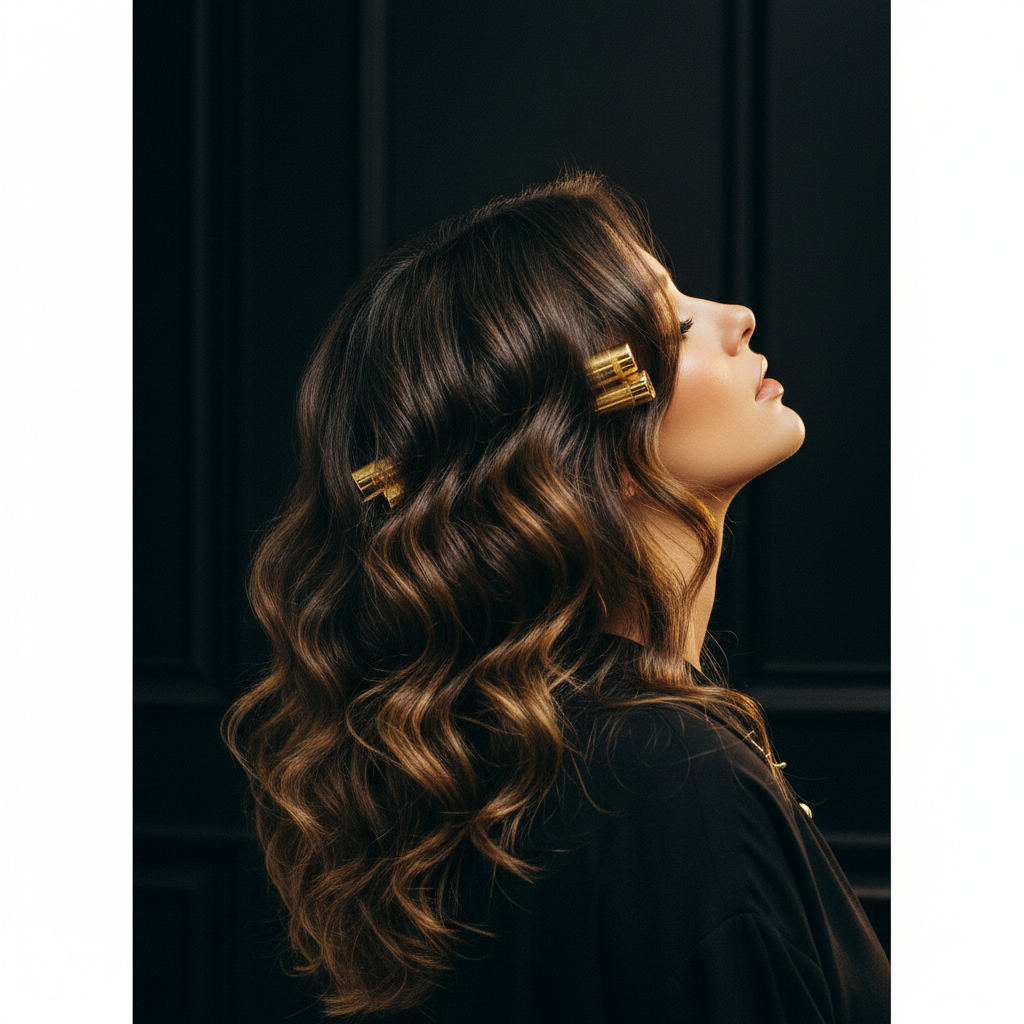
Quick answer: Hair Perming is a chemical process that permanently alters the internal structure of hair to create lasting waves or curls. It works by chemically breaking the hair's natural disulfide bonds and then reforming them into a new, curled shape. While effective for creating texture, Hair Perming inherently involves chemical stress, making hair care and realistic expectations crucial for maintaining hair health and appearance.
Key takeaways
- Hair Perming permanently reshapes hair by chemically altering its internal protein bonds.
- The process involves a reducing agent to break bonds and an oxidising agent to reform them into a new shape.
- Different perm types (alkaline, acid) use varying chemical strengths and pH levels, impacting curl result and hair condition.
- Hair type, condition, rod size, and processing time significantly influence the final outcome.
- Proper aftercare, including gentle products and avoiding immediate washing, is essential for curl longevity and minimising damage.
- Hair that has undergone Hair Perming may require specific care to maintain hydration, strength, and reduce the risk of breakage.
Hair Perming: what the evidence shows
Hair Perming, often simply called a "perm" or "permanent wave", is a popular salon treatment designed to impart lasting waves or curls into straight hair. This chemical process works by intentionally altering the hair's internal structure to hold a new shape. The term "permanent" refers to the fact that the changes to the hair shaft are irreversible, meaning the new texture will remain until the hair grows out or is cut. While Hair Perming can achieve dramatic aesthetic changes, it is important to understand the chemical mechanisms involved and their potential impact on hair health.
How Hair Perming works: the chemical mechanism
At its core, Hair Perming relies on a two-step chemical reaction that modifies the hair's keratin protein structure. Hair is primarily composed of keratin proteins, which are rich in cysteine amino acids. These cysteine units contain sulfur atoms that form strong chemical links called disulfide bonds. These bonds are largely responsible for the hair's natural strength, elasticity, and shape.
- Reduction (Waving Phase): First, the hair is wrapped around rods, which determine the size and tightness of the desired curl. A waving lotion, typically containing a reducing agent like ammonium thioglycolate (for alkaline perms) or glyceryl monothioglycolate (for acid perms), is applied. This alkaline or acidic chemical penetrates the hair shaft and breaks a significant proportion of the existing disulfide bonds. By breaking these strong bonds, the hair's internal structure becomes pliable, allowing it to take on the shape of the rods.
- Oxidation (Neutralising Phase): After the bonds are sufficiently broken and the hair has conformed to the rod shape, the waving lotion is rinsed out. A neutraliser, most commonly hydrogen peroxide, is then applied. This oxidising agent re-forms the broken disulfide bonds in their new, curled configuration. This "sets" the hair in its new wavy or curly pattern, making the change permanent. The hydrogen peroxide also works to stop the action of the reducing agent.
This precise manipulation of disulfide bonds is what allows for the lasting alteration of hair texture. The effectiveness and potential for damage during Hair Perming depend heavily on the strength of the chemicals, processing time, and the hair's initial condition.
Types of Hair Perming solutions and their impact
The chemical formulation of a perm directly influences its strength, the pH level, and suitability for different hair types. Understanding these differences can help manage expectations and potential risks.
| Perm Type | Key Reducing Agent | pH Range | Processing | Hair Type Suitability |
|---|---|---|---|---|
| Alkaline (Cold) Perm | Ammonium Thioglycolate | 9.0 to 9.6 | Room Temp | Normal, resistant, coarse hair. Strong, firm curls. |
| Acid Perm (True Acid) | Glyceryl Monothioglycolate | 4.5 to 7.0 | Heat needed | Fragile, porous, colour-treated hair. Softer, looser curls. |
| Exothermic Perm | Glyceryl Monothioglycolate | 4.5 to 7.0 | Self-heating | Similar to acid, often for normal to resistant hair. |
| Low pH/Thio-free Perm | Cysteamine or Sulfites | 6.5 to 8.5 | Room Temp | Fine, damaged, sensitive hair. Soft waves, less chemical smell. |
Alkaline perms, due to their higher pH, swell the hair cuticle more aggressively to allow chemicals to penetrate. This generally results in stronger, more durable curls but can also be more damaging, especially to already compromised hair. Acid perms, operating at a lower, more hair-friendly pH, require heat to activate the chemicals and produce softer, more natural-looking results, making them a gentler option for delicate or colour-treated hair. Exothermic perms are a variation of acid perms that generate their own heat. Newer low pH or thio-free perm solutions aim to reduce damage further by using milder reducing agents, often resulting in softer waves rather than tight curls.
Factors influencing Hair Perming results
Several variables critically affect the outcome and longevity of a perm:
- Hair Type and Condition: Hair porosity, elasticity, and previous chemical treatments significantly impact how hair responds to perming chemicals. Highly porous or damaged hair may not hold a perm well, leading to uneven results, frizz, or increased breakage. Healthy hair with good elasticity generally yields the best and most consistent results. Hair that has undergone extensive heat styling may also react unpredictably.
- Rod Size and Wrapping Technique: The diameter of the perm rods directly dictates the size of the resulting curl. Smaller rods create tighter curls, while larger rods produce looser waves. The precision and tension of the wrapping technique also play a crucial role in achieving uniform curl patterns.
- Processing Time: The duration the waving lotion is left on the hair is critical. Under-processing will lead to weak, loose curls that quickly relax. Over-processing can severely damage the hair, resulting in frizz, extreme dryness, and an undesirable "tacky" or gummy texture due to excessive bond breakage.
- Chemical Formulation: Selecting the correct perm solution formulation for the client's specific hair type (e.g., normal, fine, colour-treated, resistant) is essential for optimal results and to minimise damage. A professional stylist will assess this carefully.
Potential risks and considerations for Hair Perming
While Hair Perming can transform hair texture, it is a significant chemical treatment that carries potential risks. The process deliberately disrupts the hair's natural structure, and if not performed correctly or if aftercare is neglected, it can lead to hair damage.
- Hair Damage and Breakage: The chemical breaking and reforming of disulfide bonds can weaken the hair shaft. This can manifest as increased dryness, frizz, loss of shine, and in severe cases, breakage. Hair that is already fragile, chemically processed (e.g., dyed or bleached), or fine is particularly susceptible to damage. It's important to differentiate hair breakage from true hair loss (where hair sheds from the follicle). Perming causes the former.
- Scalp Irritation: The chemicals used in perms can irritate the scalp, especially in individuals with sensitive skin or pre-existing scalp conditions. Symptoms can include redness, itching, burning, or flaking.
- Unpredictable Results: Even with professional application, the final curl pattern can sometimes be unpredictable, especially on hair with varying porosity or a history of multiple treatments. Uneven curls or a lack of curl are possible outcomes.
- Maintenance Commitment: Permed hair requires specific aftercare to maintain its health and the longevity of the curls. This includes using appropriate hair products and avoiding practices that can reverse the perm or cause further damage.
What you can do: caring for permed hair
After a Hair Perming treatment, a dedicated care routine is crucial to maintain hair health and prolong the life of your curls. The goal is to minimise damage, restore moisture, and support the new hair structure.
- Wait Before Washing: Avoid washing your hair for at least 48 to 72 hours after a perm. This allows the newly formed disulfide bonds to fully stabilise and set, preventing the curls from relaxing prematurely.
- Gentle Cleansing: Opt for gentle, sulfate-free shampoos and conditioners. Sulfates can strip natural oils and moisture, which permed hair desperately needs. Look for products designed for chemically treated or curly hair.
- Deep Conditioning and Hydration: Permed hair can become dry and brittle. Incorporate regular deep conditioning treatments, at least once a week, to replenish moisture and strengthen the hair fibre. Products containing humectants and emollients are beneficial for Hair Hydration.
- Avoid Heat Styling: Excessive heat from blow dryers, flat irons, or curling irons can damage the newly formed bonds and cause curls to loosen or become frizzy. If heat styling is necessary, use the lowest possible temperature and always apply a heat protectant. Air-drying or using a diffuser on a cool setting is preferable.
- Detangle Carefully: Use a wide-tooth comb or your fingers to gently detangle permed hair, especially when wet. Avoid aggressive brushing, which can lead to breakage.
- Protect Hair During Sleep: Consider sleeping on a silk pillowcase or wrapping your hair in a silk scarf to reduce friction and prevent frizz and tangles.
When to get professional advice
While Hair Perming is a salon service, there are instances where professional advice beyond the stylist is recommended. If you experience severe scalp irritation, persistent burning, excessive hair breakage that is sudden or widespread, or signs of an allergic reaction (such as swelling or rash) after a perm, consult a doctor or dermatologist. They can provide an accurate diagnosis and recommend appropriate treatment.
Frequently asked questions about Hair Perming
Can Hair Perming damage my hair permanently?
Hair Perming chemically alters the hair's structure, and if not done correctly or cared for properly, it can lead to damage such as dryness, frizz, and increased breakage. While the chemical change is permanent for the treated hair, new hair growth will be your natural texture. With careful application and diligent aftercare, damage can be minimised.
How long does a perm last?
The longevity of a perm typically ranges from 3 to 6 months, depending on your hair type, the type of perm solution used, and how well you care for your hair afterwards. As your hair grows, the untreated roots will show your natural texture, and the permed section will gradually move down the hair shaft.
Can I perm colour-treated hair?
Perming colour-treated hair is possible, but it requires careful consideration. Colour-treated hair is often more porous and fragile, making it more susceptible to damage from the perming chemicals. A professional stylist will assess your hair's condition and may recommend a gentler acid or low pH perm, or advise against it if your hair is too compromised.
How soon can I colour my hair after a perm?
It is generally recommended to wait at least two weeks after a Hair Perming treatment before colouring your hair. This allows the hair to stabilise and recover from the chemical process. Colouring too soon can further stress the hair, leading to increased damage, and can also affect the curl pattern.
What should I avoid after a perm?
Immediately after a perm, avoid washing your hair for 48-72 hours, tying it up tightly, or using harsh shampoos. In the long term, minimise heat styling, aggressive brushing, and exposure to chlorine, which can strip moisture and cause damage.
Is Hair Perming suitable for all hair types?
While many hair types can be permed, suitability depends on the hair's current condition. Very fine, severely damaged, or heavily bleached hair may not be suitable as it can lead to excessive breakage. A professional consultation is crucial to determine if perming is a safe option for your specific hair type and condition.
Maintaining your permed hair with Watermans
For those who have chosen Hair Perming and want to support their hair's health, focusing on hydration and gentle care is key. Our Watermans Masque Me Hair Mask is formulated to provide intensive moisturisation and help strengthen the hair fibre, which can be beneficial for chemically treated hair. It works to improve elasticity and reduce the appearance of dryness, contributing to softer, more manageable curls. Additionally, if you occasionally use heat styling on your permed hair, Watermans Protect Me Heat Protection Spray provides a barrier against thermal damage, helping to preserve the integrity of your new curls.
Sources and references
- Cosmetic Ingredient Review. (2013). Safety Assessment of Ammonium Thioglycolate and Thioglycolic Acid. International Journal of Toxicology, 32 (Suppl 1), 5S-44S.
- Robbins, C. R. (2012). Chemical and Physical Behavior of Human Hair (5th ed.). Springer. Chapters on permanent waving.
- PubMed Central. (Various articles on hair chemistry and perming).
- British Association of Dermatologists (BAD). (Information on hair and scalp conditions).
- American Academy of Dermatology Association (AAD). (Information on hair health and cosmetic procedures).