Hair Protein Treatment
4 min read ·
Hair protein treatments replenish and fortify the hair shaft, improving strength, elasticity, and overall hair health.
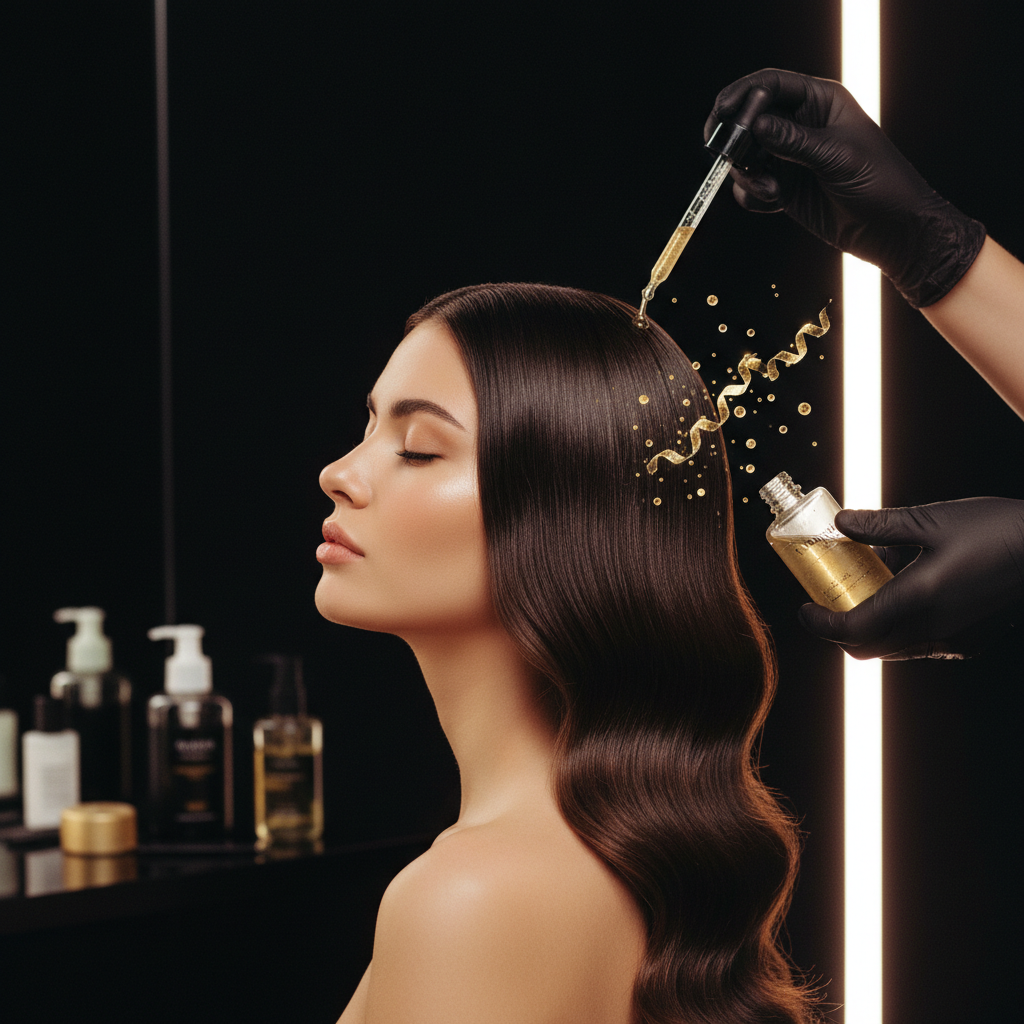
Understanding Hair Protein Treatments
Hair protein treatments are formulations designed to restore and fortify the hair's structural integrity. Hair is primarily composed of a protein called keratin, which makes up approximately 90% of its total mass. This fibrous protein provides hair with its strength, elasticity, and shape. Damage from chemical processes, heat styling, environmental stressors, and even daily wear and tear can deplete keratin, leading to weakened, brittle, and dull hair.
Protein treatments work by delivering hydrolyzed proteins, proteins broken down into smaller, more easily absorbed molecules, directly to the hair shaft. These proteins temporarily bind to the hair cuticle and cortex, filling in gaps and strengthening the internal structure. The result is hair that feels stronger, appears shinier, and is more resistant to breakage.
Types of Hair Protein Treatments
Hair protein treatments vary in their intensity and the size of the protein molecules they contain. Choosing the right type depends on the level of damage and desired outcome.
-
Light Protein Treatments (Protein Conditioners): These are typically leave-in or rinse-out conditioners that contain smaller concentrations of hydrolyzed proteins. They are suitable for maintaining healthy hair or addressing minor damage. They often use proteins like hydrolyzed wheat protein or hydrolyzed silk protein due to their smaller molecular size, allowing for easier penetration and less risk of protein overload.
-
Medium Protein Treatments (Weekly Masks): Designed for moderate damage, these treatments offer a higher concentration of proteins than daily conditioners. They are applied less frequently, usually once a week or every two weeks, to provide a more intensive strengthening effect. Common proteins include hydrolyzed collagen and keratin amino acids.
-
Intensive Protein Treatments (Reconstructors): These treatments contain the highest concentration of proteins and are formulated to address severely damaged, porous, or chemically treated hair. They often feature larger protein molecules, such as whole keratin or animal-derived proteins, which temporarily patch the hair's outer layer, providing significant structural support. Due to their potency, these treatments should be used sparingly and often followed by a moisturising conditioner to prevent stiffness.
Benefits of Protein Treatments
The primary benefits of incorporating protein treatments into a hair care regimen include:
- Increased Strength: By reinforcing the hair's keratin structure, protein treatments reduce breakage and split ends.
- Improved Elasticity: Healthy hair can stretch and return to its original state. Protein treatments help restore this elasticity, making hair less prone to snapping.
- Enhanced Shine: A smoother cuticle, facilitated by protein repair, reflects light more effectively, leading to increased luster.
- Reduced Porosity: Damaged hair often has a raised cuticle, making it highly porous and prone to moisture loss. Proteins help to temporarily smooth the cuticle, reducing porosity and improving moisture retention.
- Better Manageability: Stronger, more elastic hair is less tangled and easier to style.
When and How to Use Protein Treatments
The frequency and method of application depend on the type of treatment and your hair's condition. Generally, less damaged hair requires less frequent protein treatments, while highly damaged hair may benefit from more regular application, initially.
| Hair Condition | Treatment Type | Frequency |
|---|---|---|
| Healthy / Minor Damage | Light Protein Conditioner | 1-2 times per week |
| Moderate Damage | Medium Protein Mask | Every 1-2 weeks |
| Severe Damage | Intensive Protein Reconstructor | Every 3-4 weeks (initially, then less) |
Application Steps:
- Cleanse: Start with freshly shampooed hair to remove product buildup and allow for better protein absorption.
- Apply: Distribute the protein treatment evenly through damp hair, focusing on mid-lengths and ends, where damage is most prevalent. Avoid applying excessive amounts directly to the scalp.
- Process: Follow the manufacturer's recommended processing time. Over-processing with intensive treatments can lead to stiff, brittle hair.
- Rinse Thoroughly: Rinse the hair completely with lukewarm water until no product residue remains.
- Condition (Crucial Step): Always follow an intensive protein treatment with a deep moisturising conditioner. Protein treatments can sometimes leave hair feeling stiff, and moisture is essential to restore balance and flexibility.
Potential Downsides: Protein Overload
While beneficial, excessive protein application can lead to a condition known as protein overload. This occurs when too much protein accumulates on and within the hair shaft, making the hair stiff, brittle, and prone to breakage. This is often an issue when using highly concentrated protein treatments too frequently or not balancing protein with sufficient moisture.
Signs of protein overload include:
- Hair that feels rough, stiff, or straw-like.
- Reduced elasticity; hair that snaps rather than stretches.
- Dull appearance.
If protein overload occurs, discontinue protein treatments and focus on deep moisturising conditioners and masks until hair regains its balance. Clarifying shampoos can also help remove excess protein buildup.
Proteins in Haircare
Various types of hydrolyzed proteins are utilized in haircare. The effectiveness can depend on the molecular weight and the amino acid profile. Some common examples include:
- Hydrolyzed Wheat Protein: Small molecular size, good for minor damage and elasticity.
- Hydrolyzed Silk Protein: Known for its smoothing and conditioning properties.
- Hydrolyzed Keratin: Mimics the hair
Find these ingredients in Watermans products
- Wheat Amino Acids, you will find this ingredient in our Heat Protection Spray.