Hair Nutrition: What Your Hair Needs to Thrive
9 min read ·
Hair Nutrition refers to the essential vitamins, minerals, and macronutrients vital for healthy hair growth and structure, though dietary changes alone can't treat genetic hair loss.
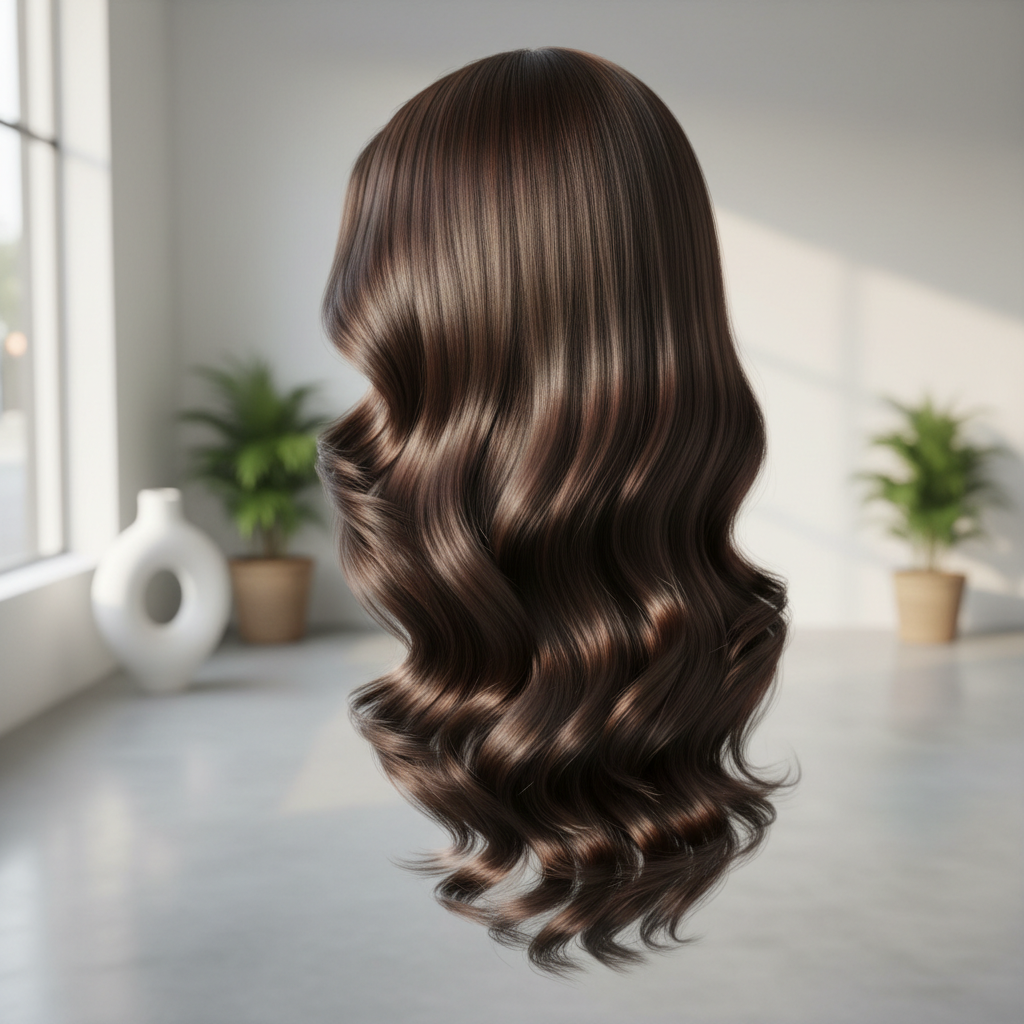
Quick answer: Hair Nutrition encompasses the vital vitamins, minerals, and macronutrients your body needs to support the health, growth, and structure of hair. Adequate Hair Nutrition ensures the proper functioning of hair follicles and the strength of the hair fibre, but it's important to understand that dietary interventions primarily support overall hair health and cannot resolve all forms of hair loss, especially those with genetic or autoimmune origins.
Key takeaways
- Hair relies on a balanced diet: A wide range of vitamins, minerals, and macronutrients are essential for healthy hair growth, strength, and appearance.
- Keratin is key: Hair is primarily made of the protein keratin, so sufficient protein intake is fundamental for strong hair.
- Deficiencies can show: Inadequate intake of certain nutrients can manifest as changes in hair texture, strength, growth, or increased shedding.
- Dietary supplements aren't a magic bullet: While useful for diagnosed deficiencies, broad supplementation without a clear need is rarely effective for improving hair health and can sometimes be harmful.
- Professional advice is crucial for severe concerns: Persistent hair shedding or changes should prompt a consultation with a healthcare professional to rule out underlying medical conditions.
Hair Nutrition: what the evidence shows
Hair Nutrition refers to the intake of specific nutrients that support the development and maintenance of healthy hair. Unlike marketing claims, the scientific evidence indicates that hair health is closely linked to overall bodily health, and a balanced diet provides the necessary building blocks for hair growth and structure. The hair follicle is one of the most metabolically active tissues in the body, meaning it requires a steady supply of energy and raw materials to function optimally. When nutritional intake is insufficient, the body prioritises essential functions, and hair growth can be affected. This might lead to slower growth, increased shedding, or changes in hair quality, such as dullness or increased breakage.
The mechanism: How nutrients fuel hair
Hair is primarily composed of keratin, a protein. The hair follicle, situated in the scalp, constantly produces new hair cells. This process, part of the hair growth cycle, demands a continuous supply of amino acids (from protein), energy (from carbohydrates and fats), and various vitamins and minerals that act as cofactors for enzymes involved in cell division, protein synthesis, and hormone regulation. For example, iron helps transport oxygen to the follicles, while B vitamins play roles in cellular metabolism. A healthy scalp environment, supported by good nutrition, also contributes to stronger, healthier-looking hair.
Essential nutrients for hair
Proteins
Hair is approximately 90% protein, mainly keratin. Therefore, adequate dietary protein is crucial. A lack of protein can lead to the body conserving protein by shifting hair follicles into a resting phase, resulting in increased shedding (telogen effluvium) and weaker hair fibres. Essential amino acids, obtained through diet, are the building blocks for keratin synthesis.
- Sources: Lean meats, fish, eggs, dairy products, legumes, nuts, seeds, and tofu.
- Recommended intake: Typically, around 0.8 grams of protein per kilogram of body weight per day for adults, though needs can vary.
Complex Carbohydrates
While not directly part of the hair structure, complex carbohydrates provide the sustained energy required for the rapid cell division occurring in hair follicles. They also contain B vitamins and fibre, supporting overall health.
- Sources: Whole grains (oats, brown rice, wholemeal bread), fruits, vegetables, and legumes.
Healthy Fats
Certain fats, particularly essential fatty acids like Omega-3 and Omega-6, are vital for scalp health and the structural integrity of hair cell membranes. They help maintain the scalp's barrier function and can reduce inflammation, creating a healthier environment for hair growth.
- Sources: Fatty fish (salmon, mackerel), flaxseeds, chia seeds, walnuts, avocados, and olive oil.
Vitamins
Many vitamins play direct and indirect roles in hair health:
- Biotin (Vitamin B7): Often associated with hair, biotin is a coenzyme for carboxylase enzymes involved in fatty acid synthesis and gluconeogenesis. While severe biotin deficiency can lead to hair shedding, it is rare. Controlled research has not found that biotin supplementation improves hair growth in individuals without a diagnosed deficiency.
- Sources: Egg yolks, nuts, seeds, sweet potatoes, and organ meats.
- Vitamin A: Essential for cell growth and differentiation, including hair follicles. It also supports the production of sebum, the natural oil that moisturises the scalp. However, excessive intake of pre-formed Vitamin A (retinol) can actually contribute to hair shedding.
- Sources: Carrots, sweet potatoes, spinach, kale (beta-carotene, converted to Vitamin A), liver, and cod liver oil.
- Vitamin C: A powerful antioxidant, Vitamin C is crucial for collagen synthesis. Collagen is a structural protein that supports the dermal papilla, a key part of the hair follicle. It also aids in the absorption of non-heme iron.
- Sources: Citrus fruits, bell peppers, strawberries, kiwi, and broccoli.
- Vitamin D: Receptors for Vitamin D are present in hair follicles, suggesting a role in the hair growth cycle, particularly in initiating the anagen (growth) phase. Research is ongoing, but some studies report a link between Vitamin D deficiency and certain types of hair shedding.
- Sources: Sunlight exposure, fatty fish, fortified dairy products, and eggs.
- Vitamin E: An antioxidant that helps protect cells, including those in hair follicles, from oxidative stress. It may also support scalp circulation.
- Sources: Nuts, seeds, spinach, avocados, and vegetable oils.
Minerals
Minerals are inorganic compounds essential for numerous physiological functions affecting hair:
- Iron: Iron deficiency is a common cause of increased hair shedding, especially in pre-menopausal women. Iron is vital for oxygen transport to hair follicles and for several enzymes involved in hair cell metabolism.
- Sources: Red meat, poultry, fish, lentils, beans, spinach, and fortified cereals.
- Zinc: Involved in cell division, protein synthesis, and hormone regulation, all crucial for hair growth. Zinc deficiency can lead to hair shedding and poor hair quality. Too much zinc can also be detrimental.
- Sources: Oysters, beef, pumpkin seeds, lentils, and chickpeas.
- Selenium: A trace mineral with antioxidant properties. While essential, high doses of selenium can paradoxically cause hair shedding.
- Sources: Brazil nuts (consume in moderation), fish, poultry, and eggs.
- Copper: Involved in melanin production (hair pigment) and the cross-linking of keratin, contributing to hair strength.
- Sources: Shellfish, nuts, seeds, and leafy greens.
What the evidence does not show
While various nutrients are vital, it's crucial to distinguish between addressing a diagnosed deficiency and taking supplements without a specific need. For example, while biotin is widely promoted for hair growth, controlled research has not found that biotin supplementation improves hair growth in individuals who are not deficient in it. Similarly, claims that specific foods or supplements can "supercharge" hair growth beyond a healthy rate are generally not supported by robust evidence. Hair growth rate is largely genetically determined, with an average of about 1 centimetre per month.
When the cause may be something else
It's important to remember that not all hair concerns are due to poor Hair Nutrition. Many factors can influence hair health, including:
- Genetics: Androgenetic alopecia (pattern hair loss) is largely genetic.
- Hormonal imbalances: Conditions like polycystic ovary syndrome (PCOS), thyroid disorders, and postpartum hormonal shifts can cause shedding.
- Stress: Physical or emotional stress can trigger telogen effluvium, an increase in hair shedding.
- Medical conditions: Autoimmune diseases, certain medications, and chronic illnesses can impact hair.
- Hair damage: Excessive heat styling, harsh chemical treatments, or aggressive brushing can cause hair breakage, which is distinct from hair loss or shedding. See sibling articles like 'Hair Damage: Causes, Signs, and Solutions' or 'Heat Styling Safety Best Practices'.
- Scalp health issues: Conditions like dandruff or fungal infections can affect the hair follicle environment. Refer to 'Dandruff: Causes and Treatments Explained' or 'Understanding Scalp Health: A Foundation for Thriving Hair'.
What you can do
Focus on a balanced, varied diet rich in whole foods. Here's a guide:
| Nutrient Category | Examples of Foods | Role in Hair Health |
|---|---|---|
| Proteins | Lean meats, fish, eggs, dairy, legumes, nuts, seeds | Building blocks for keratin, essential for hair strength and growth. |
| Complex Carbohydrates | Whole grains, fruits, vegetables | Provides energy for follicle cell division. |
| Healthy Fats | Avocados, fatty fish, flaxseeds, olive oil | Supports scalp health, cell membrane integrity, reduces inflammation. |
| Vitamins (B, C, D, E) | Leafy greens, citrus, eggs, nuts, fish | Metabolism, collagen production, antioxidant protection, follicle cycling. |
| Minerals (Iron, Zinc) | Red meat, lentils, pumpkin seeds, oysters | Oxygen transport, cell division, hormone regulation, preventing shedding. |
Consider blood tests if you suspect a deficiency. A healthcare professional can assess your levels of iron (ferritin), Vitamin D, and other nutrients.
When to get professional advice
If you experience significant or persistent hair shedding, sudden changes in hair texture, scalp discomfort, or visible thinning, it's important to consult a doctor or dermatologist. They can help identify underlying medical conditions, diagnose nutritional deficiencies, and recommend appropriate treatments or dietary adjustments. Self-diagnosing and excessive supplementation can be ineffective or even harmful.
Frequently asked questions about Hair Nutrition
Can supplements improve my Hair Nutrition?
Supplements can be beneficial if you have a diagnosed nutritional deficiency. For instance, an iron supplement might be prescribed for iron-deficiency anaemia causing hair shedding. However, if your diet is already balanced, taking extra vitamins or minerals is unlikely to significantly enhance hair growth or strength and can sometimes lead to nutrient imbalances or toxicity. Always consult a healthcare professional before starting new supplements.
How long does it take for Hair Nutrition changes to show results?
Because hair grows slowly (about 1 cm per month), and the hair growth cycle involves resting and shedding phases, it can take several months, typically 3 to 6 months, to see noticeable improvements from dietary changes or addressing nutritional deficiencies. Consistency is key, as is patience.
Is there a direct link between diet and grey hair?
While severe deficiencies of certain B vitamins (like B12) or copper have been linked to premature greying in some cases, for most people, the primary cause of grey hair is genetics and the natural ageing process. There is currently insufficient evidence to conclude that dietary interventions can reverse or significantly prevent age-related greying.
Does drinking more water help with Hair Nutrition?
Drinking enough water is essential for overall health, including the health of your scalp and hair. Proper hydration helps transport nutrients to hair follicles and supports healthy cell function. While water doesn't directly provide "Hair Nutrition" in the same way food does, it is fundamental for the efficient delivery and utilisation of those nutrients by the body.
Supporting your hair through balanced Hair Nutrition
Ultimately, a holistic approach to Hair Nutrition is about consistently providing your body with a diverse range of essential nutrients through a balanced diet. This foundation supports robust hair follicles and strong hair fibres, contributing to the overall health and appearance of your hair. While good nutrition is a cornerstone, it works best in conjunction with a healthy lifestyle and appropriate hair care practices. If you're concerned about your hair's health, combining sound Hair Nutrition with professional medical advice is the most effective path.
Find these ingredients in Watermans products
Watermans products are formulated with ingredients to support healthy-looking hair and scalp, working externally to complement your internal Hair Nutrition efforts. For instance, Watermans Grow Me Shampoo and Conditioner contain hydrolysed lupin protein, which provides amino acids that can be absorbed by the hair fibre to help strengthen it and reduce breakage. Watermans Grow Me also features caffeine, rosemary extract, and niacinamide, ingredients known to support a healthy scalp environment.
Sources and references
- British Association of Dermatologists. (Ongoing). Patient Information Leaflets. https://www.bad.org.uk/patient-information-leaflets
- National Institutes of Health (NIH) Office of Dietary Supplements. (Ongoing). Fact Sheets for Health Professionals. https://ods.od.nih.gov/factsheets/
- NHS. (Ongoing). Vitamins and minerals. https://www.nhs.uk/conditions/vitamins-and-minerals/
- Strumia, R. (2014). Telogen effluvium: A review of the current literature. Journal of Clinical and Aesthetic Dermatology, 7(5), 34-39.
- Giacomoni, N.I., & Buscaglia, D. (2009). The role of iron in hair loss. Journal of Cosmetic Science, 60(4), 461-468.
- Almohanna, H.M., et al. (2019). The Role of Vitamins and Minerals in Hair Loss: A Review. Dermatology and Therapy, 9(1), 51-70.
Find these ingredients in Watermans products
- Niacinamide: you will find this ingredient in our Hair Mask.